 |
 |
 |
 |
 |
 |
 |
 |
 |
 |
 |
 |
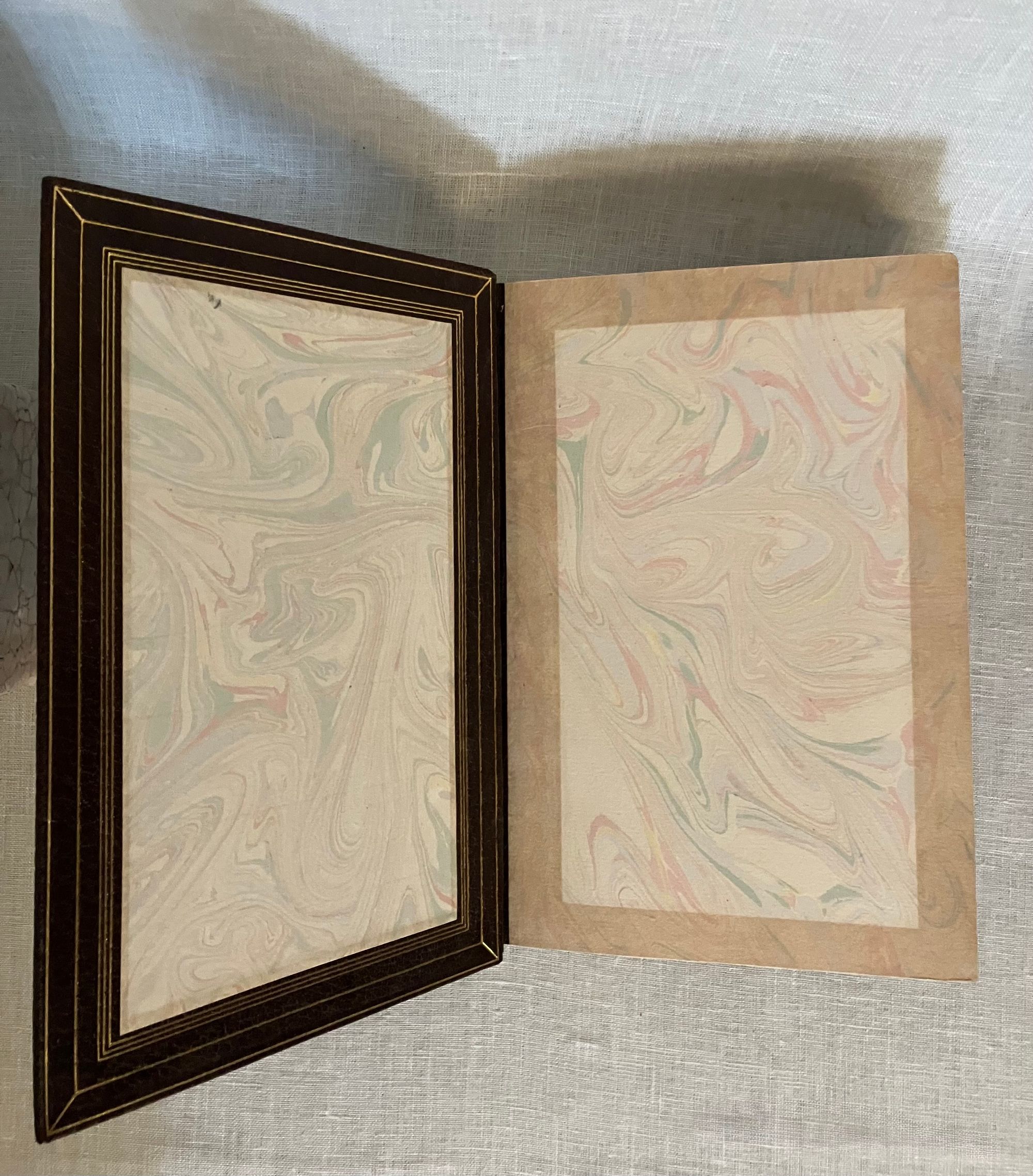
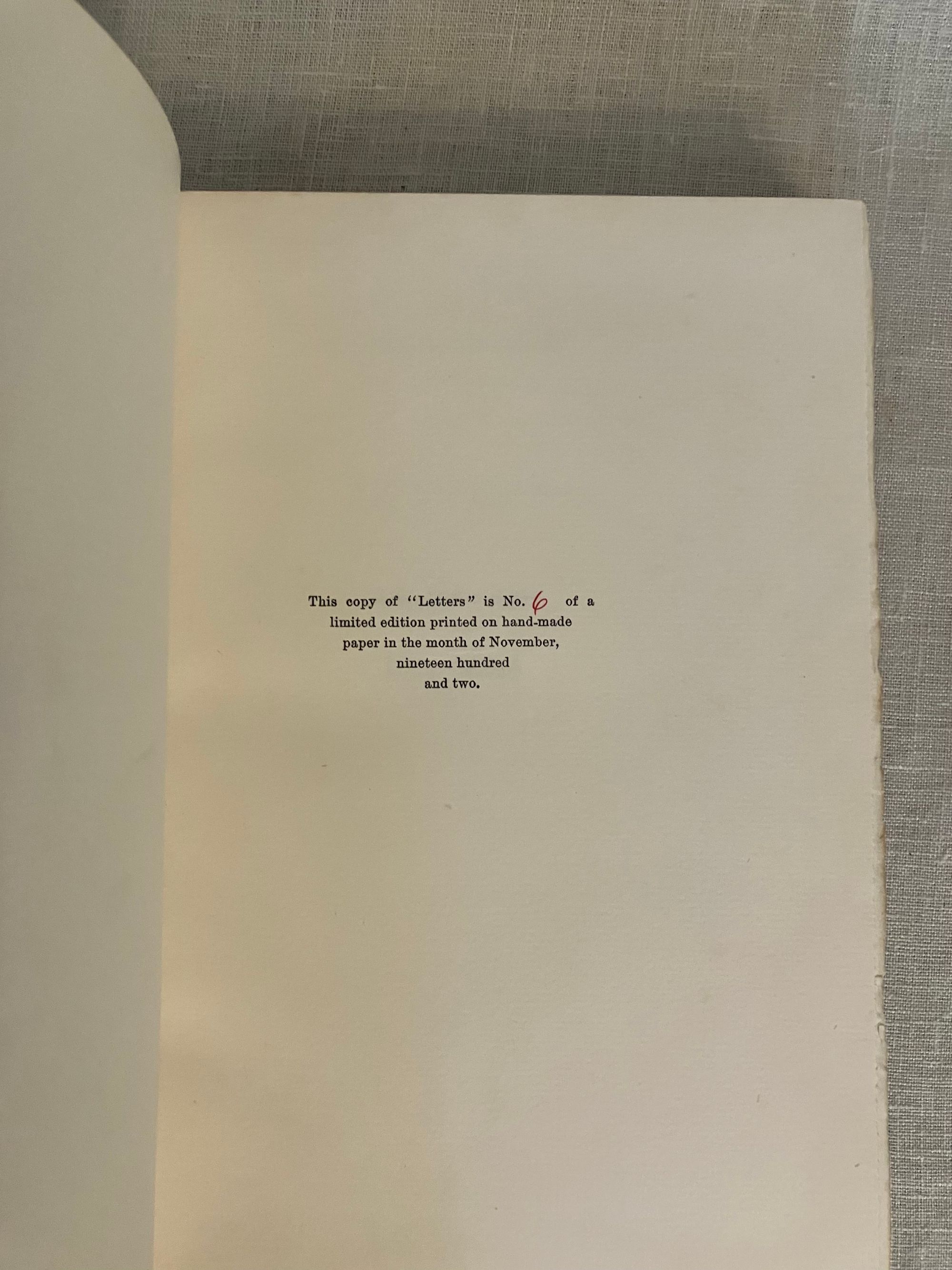
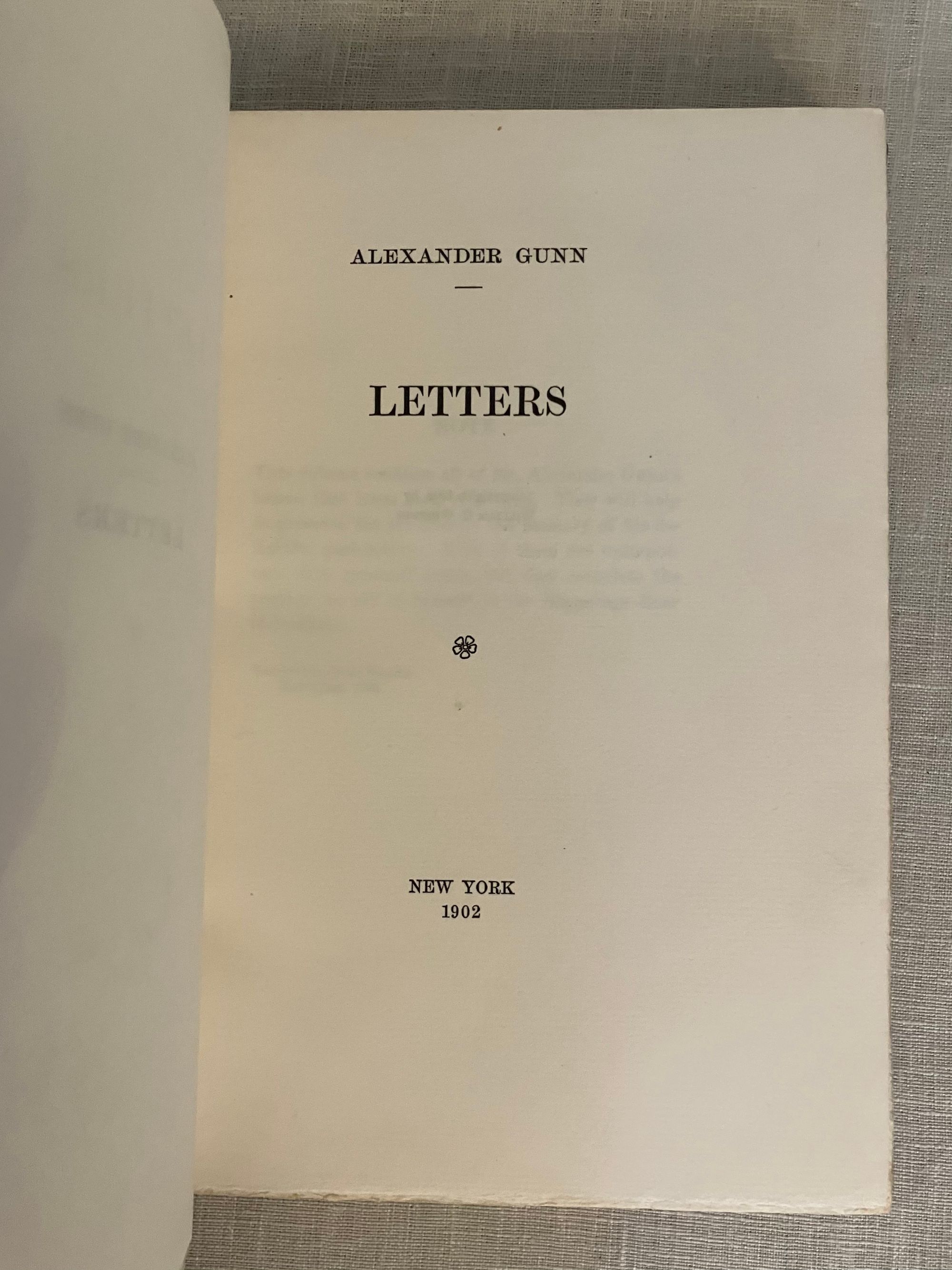
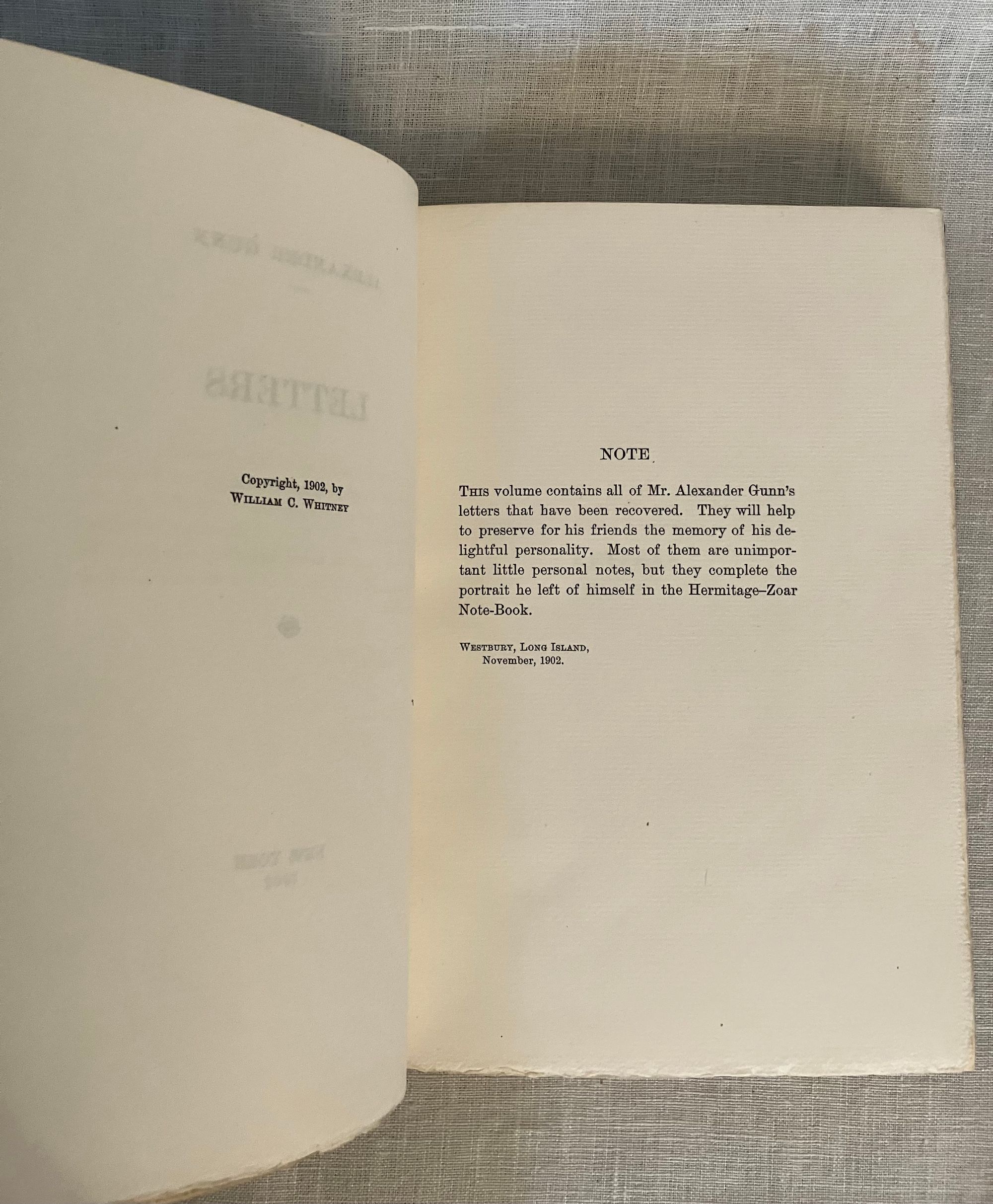
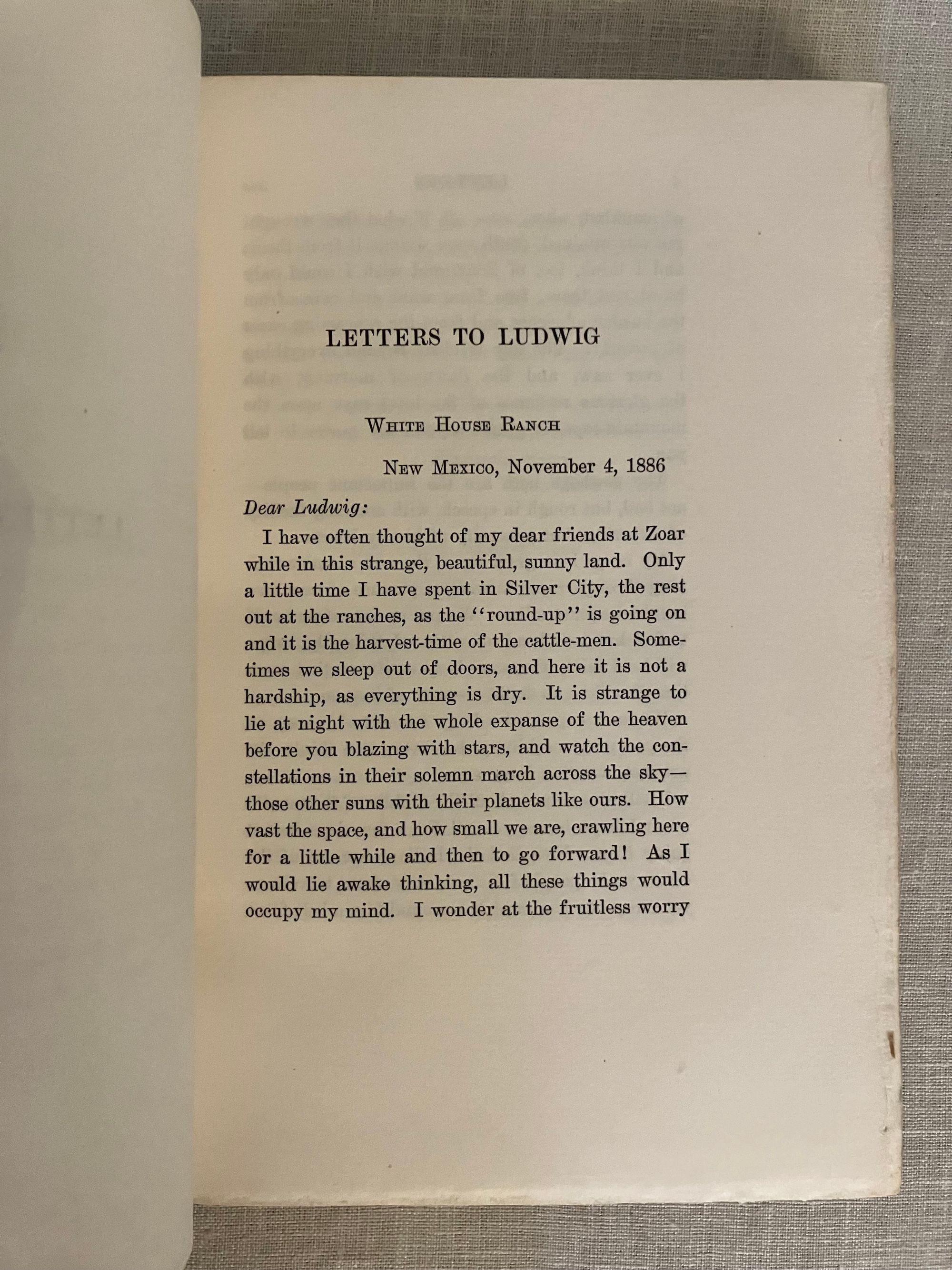
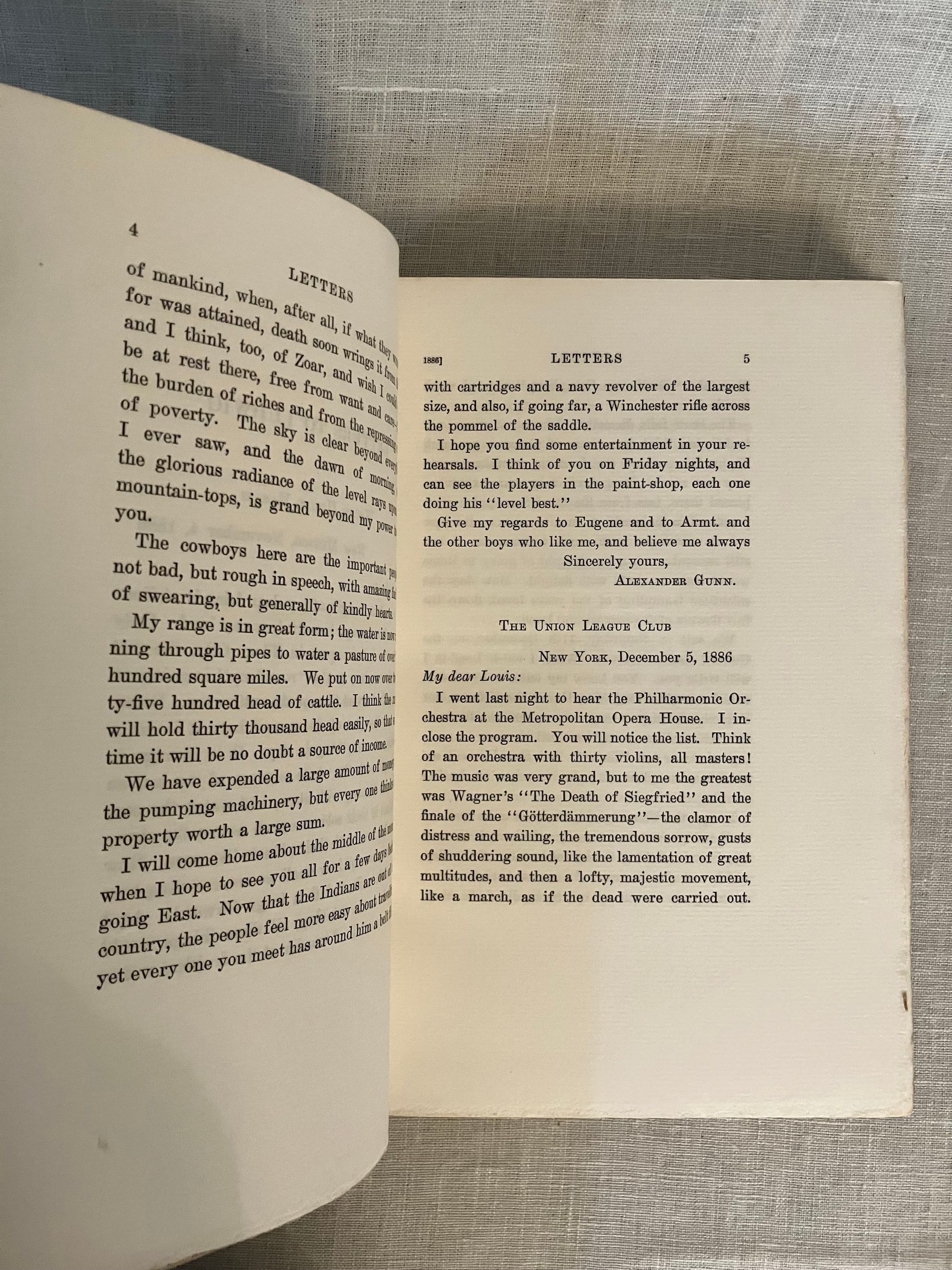
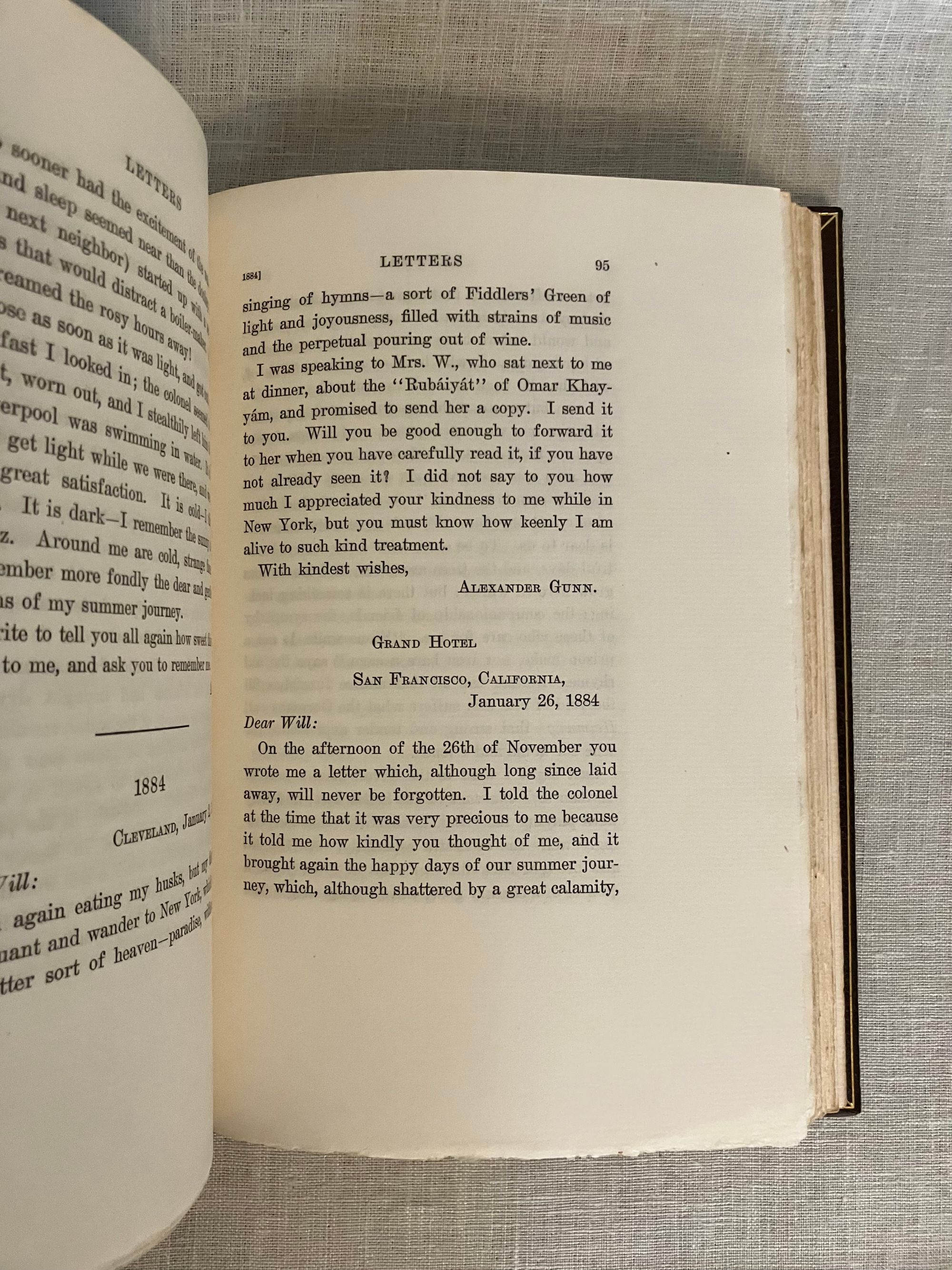


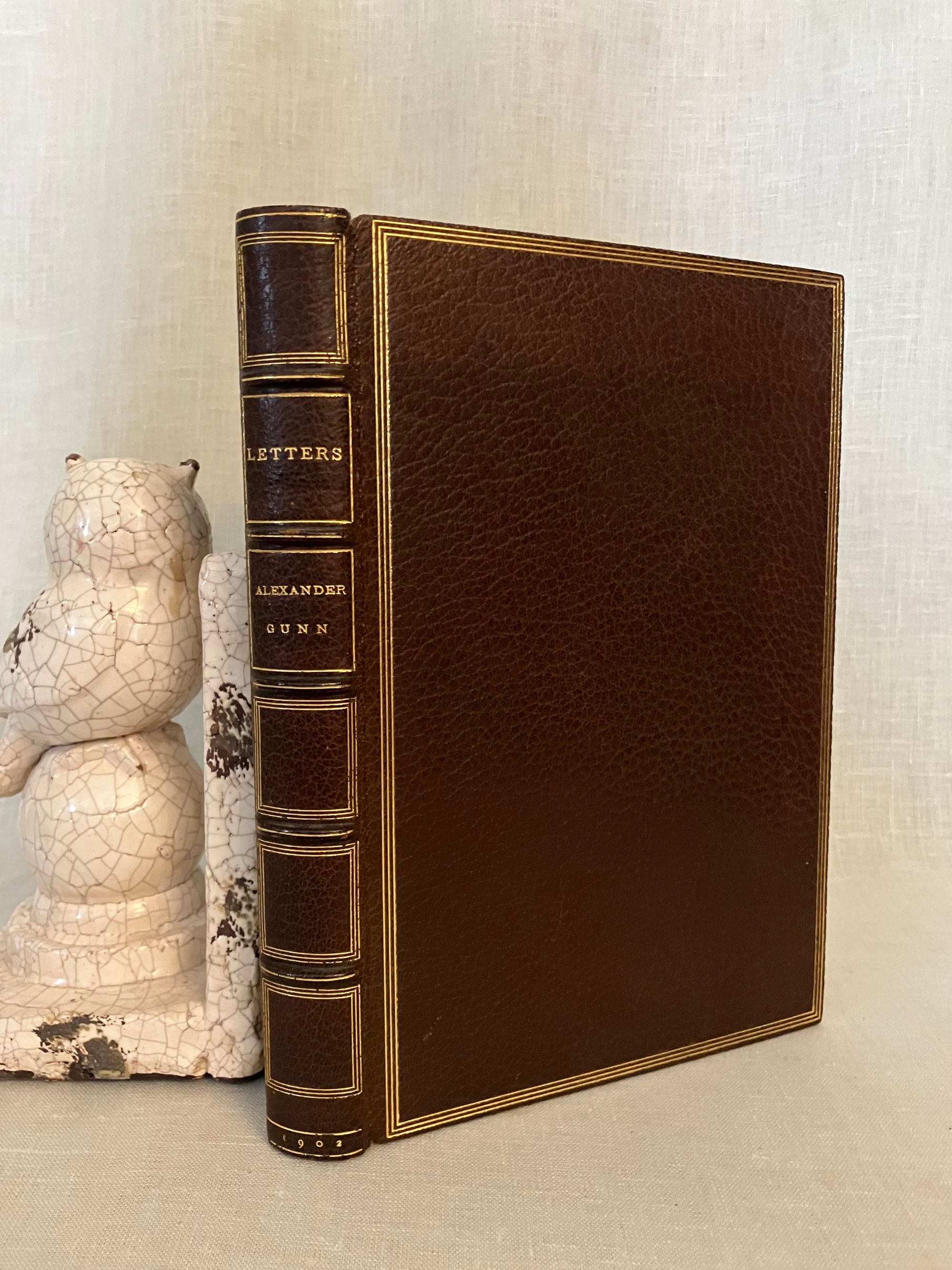
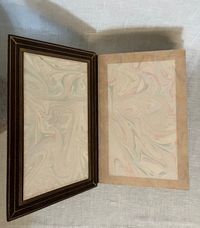
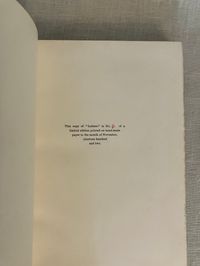
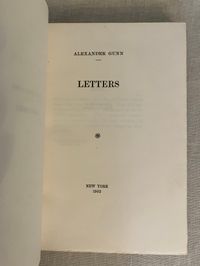
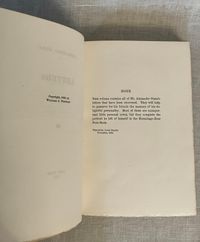
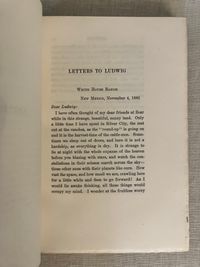
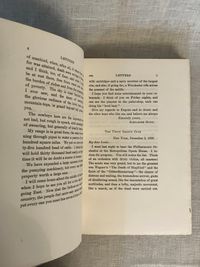
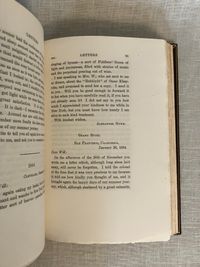
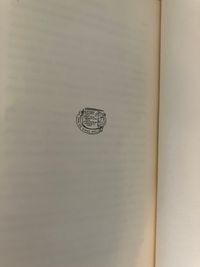
Hard cover, 8vo, in the original full brown crushed levant by Stikeman (not signed), the boards triple-ruled in gilt, the spine with five raised bands, compartments triple-ruled with titles to the second and third in gilt. T.e.g., double ruled lines across endcaps. Marbled end papers, printed on hand-made laid paper, No. 6 of an unspecified limited edition. Printed by The DeVinne Press, November 1902, with their printer's device. Turn-ins are handsomely ruled in gilt with a triple row within two outer rules, and a short, corner diagonal rule tying the outer two borders together. **CONDITION: Near Fine. Faintest hint of sunning to head of front board, one small smudge to front endpaper (could be from marbling process?) One penciled initial ffep. gutter. Otherwise very clean, square and crisp. **This is the second volume (only) of Alexander Gunn material published originally as a two-volume set, the first entitled: "The Hermitage-Zoab Note-Book and Journal of Travel." The Grolier Club exhibited the set in an identical binding by Stikeman, as described in No. 179 of "A Catalogue of the Work of The DeVinne Press...,"(New York, The Grolier Club, 1929) in honor of the centenary of the printer's birth in Dec. 1828. DeVinne was also a founder member of the Grolier Club. The volume is an example of the clear, crisp and ultimately utilitarian-based design aesthetic of American printer, type designer and printing historian Theodore DeVinne, favoring the utility of clarity and readability over the nineteenth century's design-for design's sake. (H. Brainard, op. cit.) **Subject of the book is the correspondence of ALEXANDER GUNN (1837-1901), a very successful Cleveland, Ohio businessman who, over the course of about twenty years, kept returning from foreign travels and time spent herding cattle on his large New Mexican range to decompress with a more simple, communal life in a modest house (The Hermitage) within the utopian community of Zoar, Ohio. Zoar was originally founded by German Pietists, or religious separatists under a Pastor Beimler, fleeing a political system which enforced the involuntary conscription as Swabian mercenaries. Arriving in Philadelphia in 1817, the newly-formed religious and civil commune moved west to Ohio, establishing thriving and self-sufficient farming, timber, brick-making and other small scale industries. Gunn's arrival at Zoar around 1879 seems to have been a result of an alienation with the pressures of modern life and business in the iron and steel industries. He often returned to, and corresponded with, his communal compatriots when not "away on the range" herding cattle with his ranchers in New Mexico, humming along to Wagner with the Metropolitan Opera in New York, or off on other travels abroad. He was a kind of transcendentalist, as seen in his writings, favoring a direct and healing experience of nature, and his fellow human beings, over the clap-trap of avarice and social pretensions. The restored village is now a museum, and on the National Register of Historic Places. (AMJ)
Ref: FINE 9858
$135.00