 |
 |
 |
 |
 |
 |
 |
 |
 |
 |
 |
 |
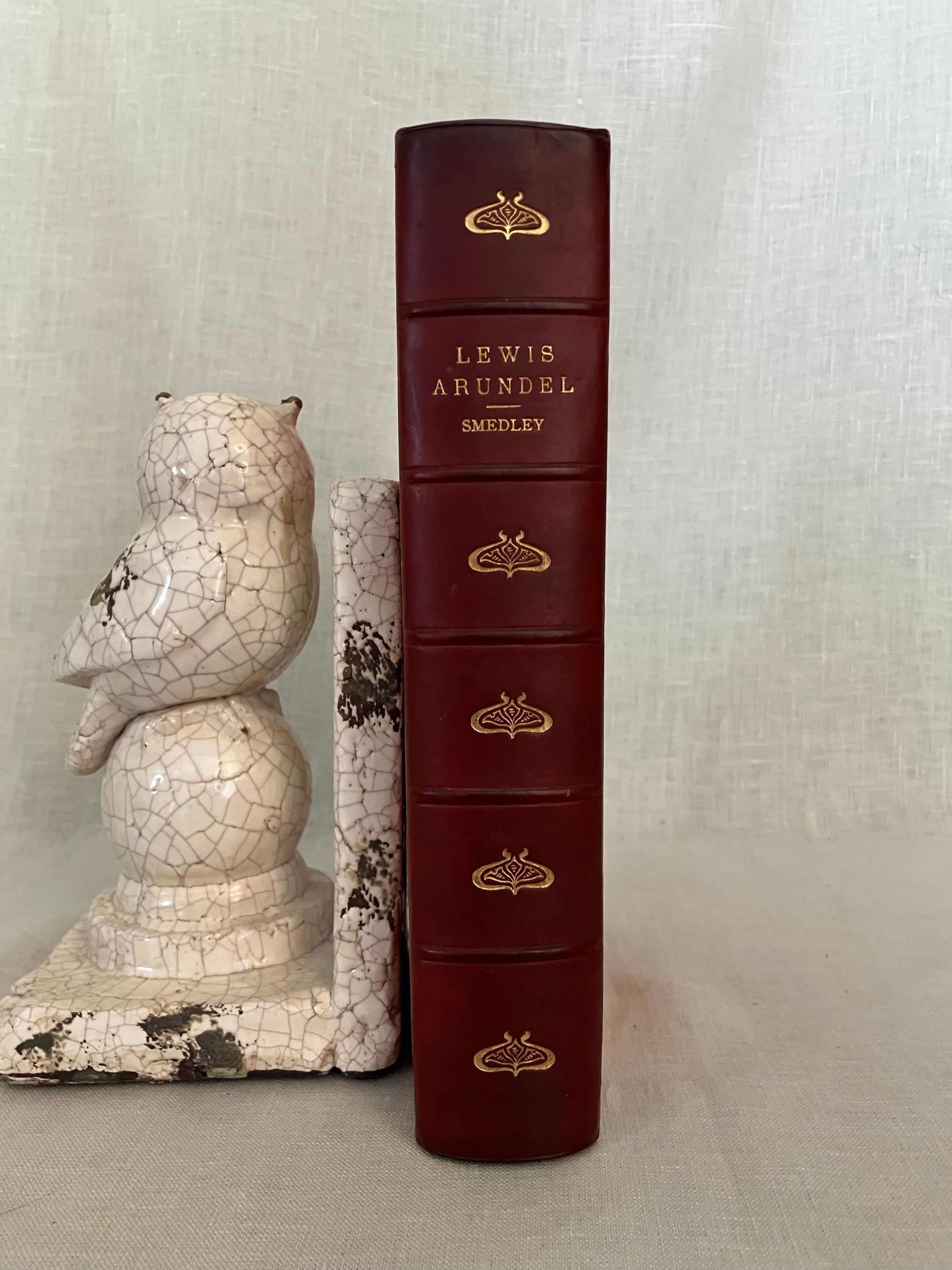
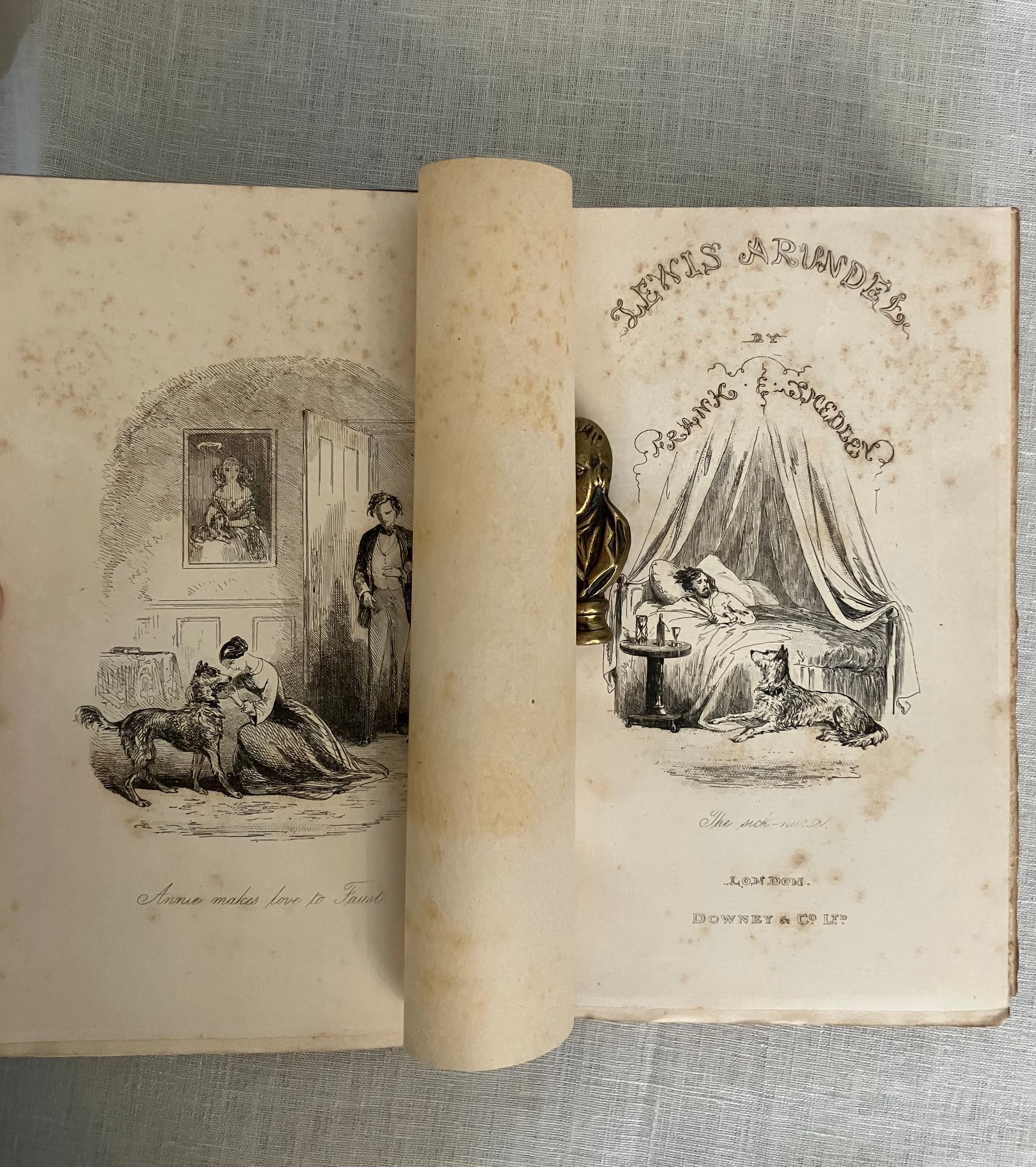
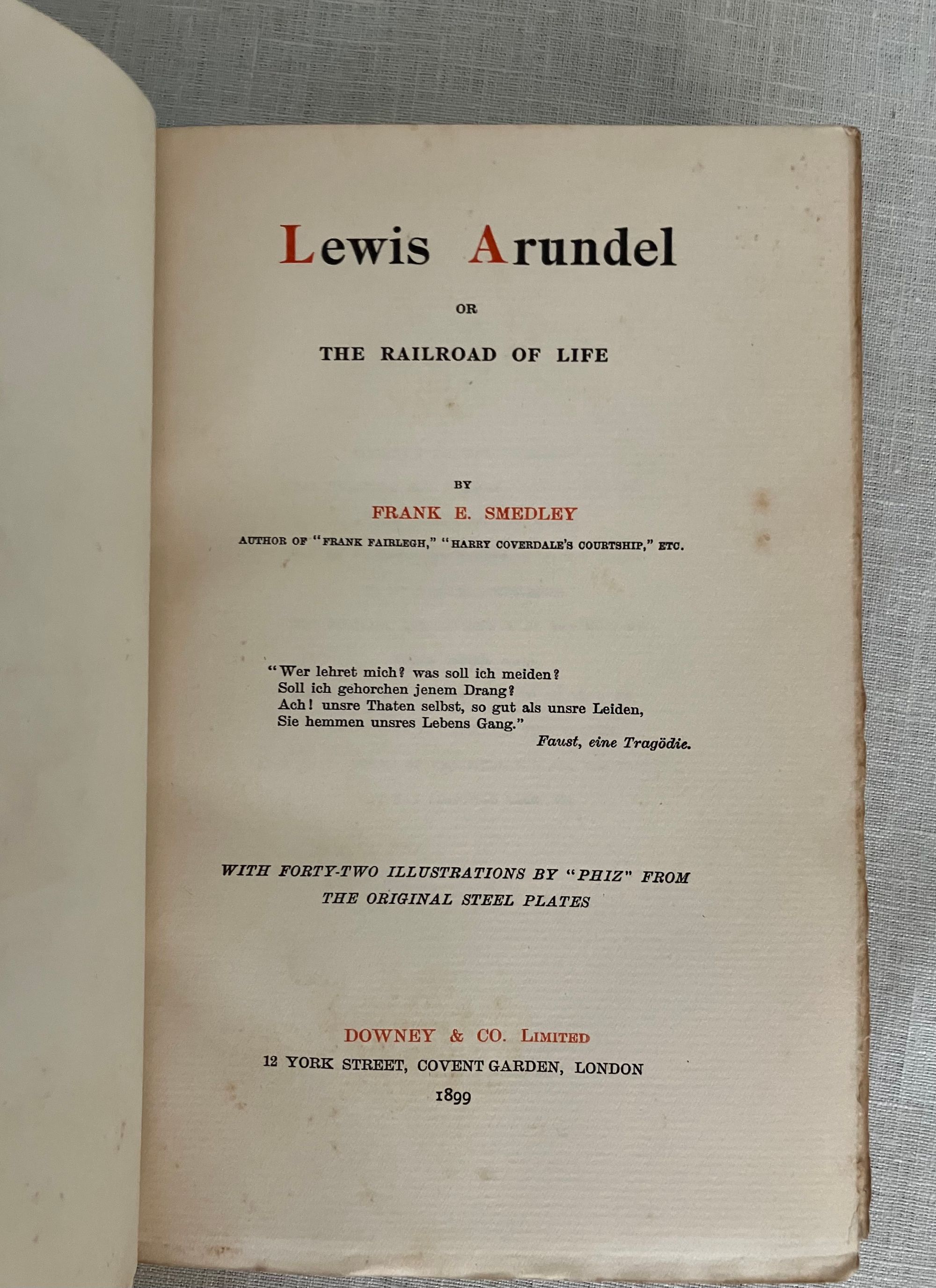
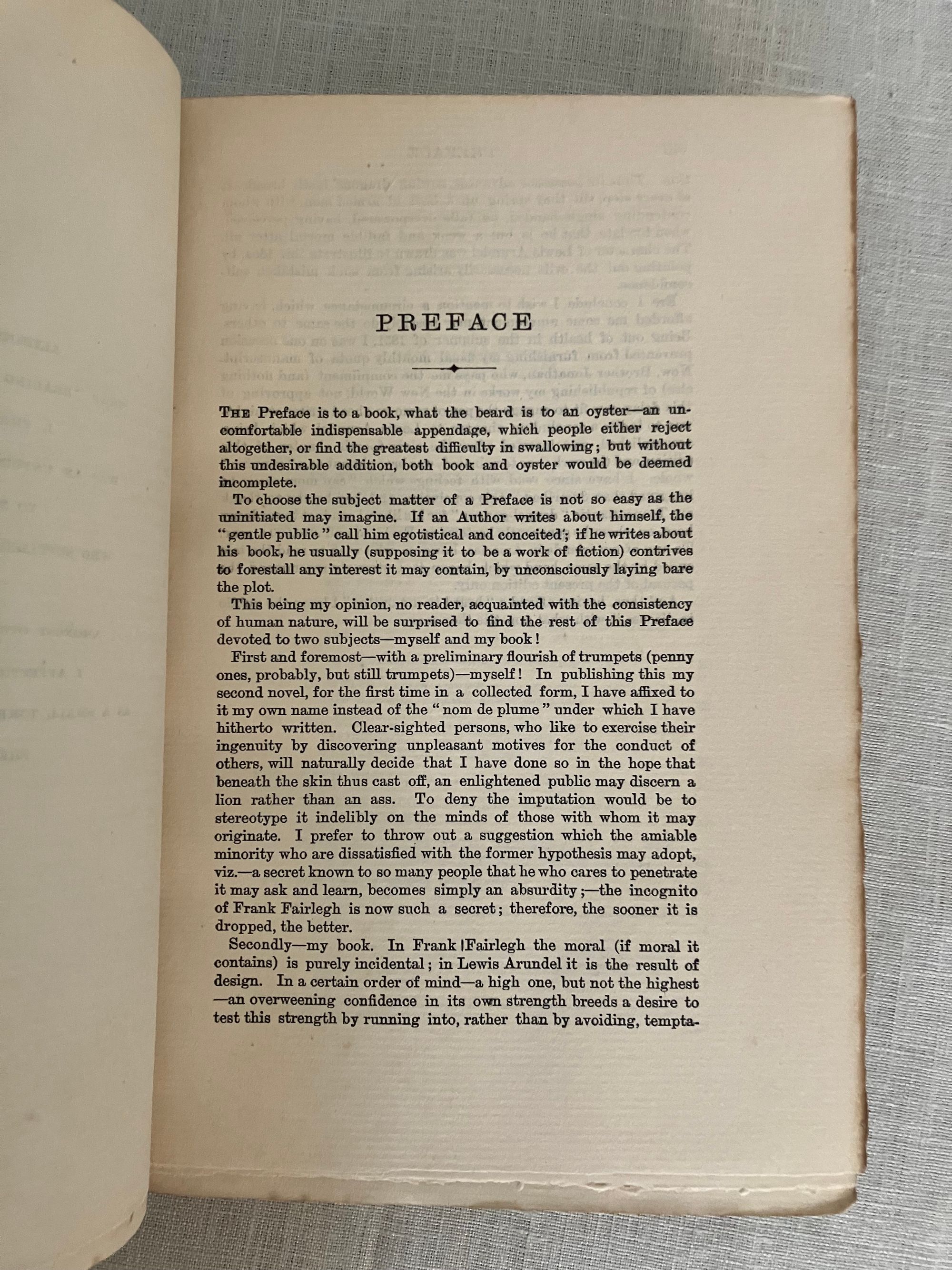
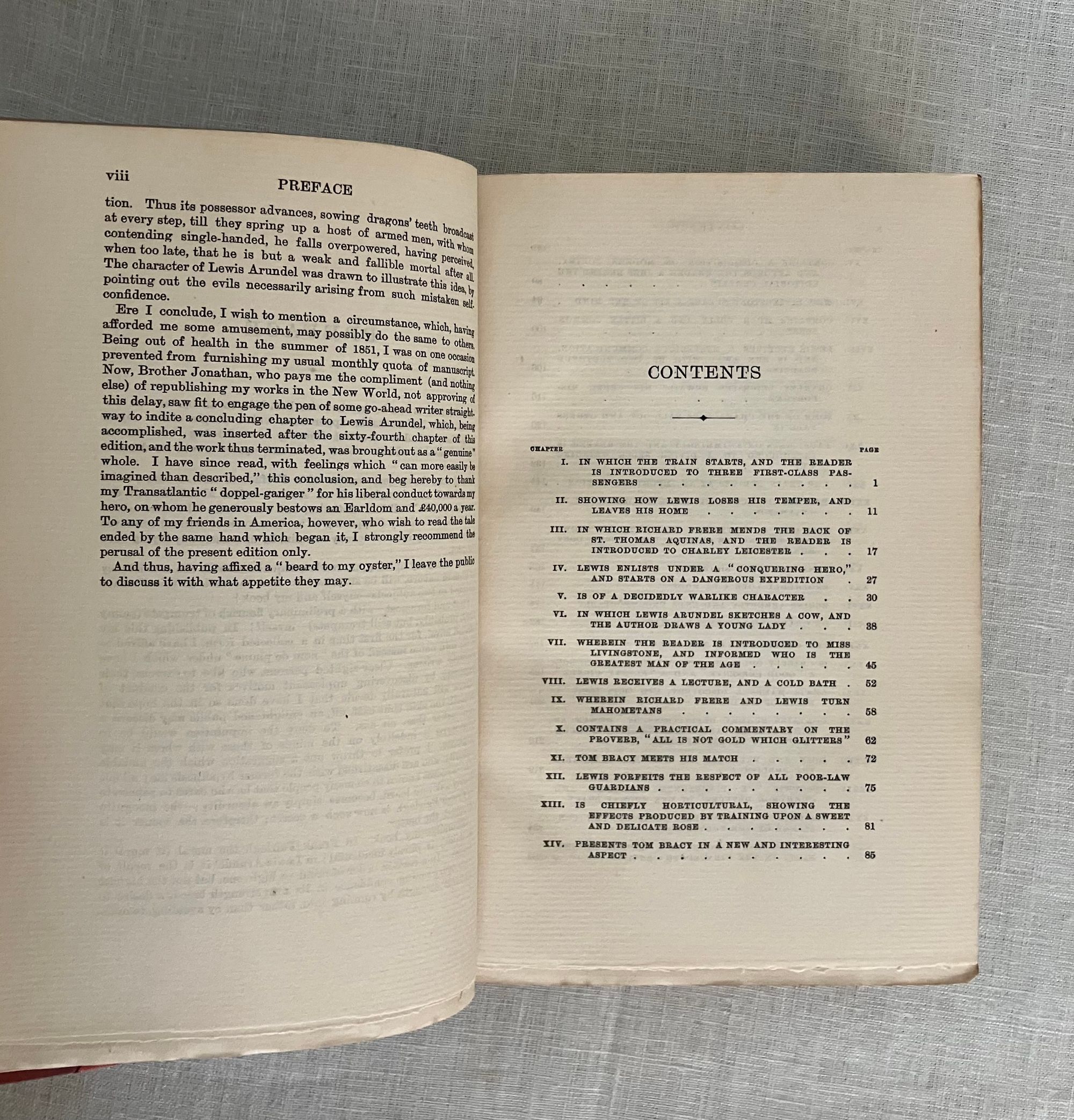
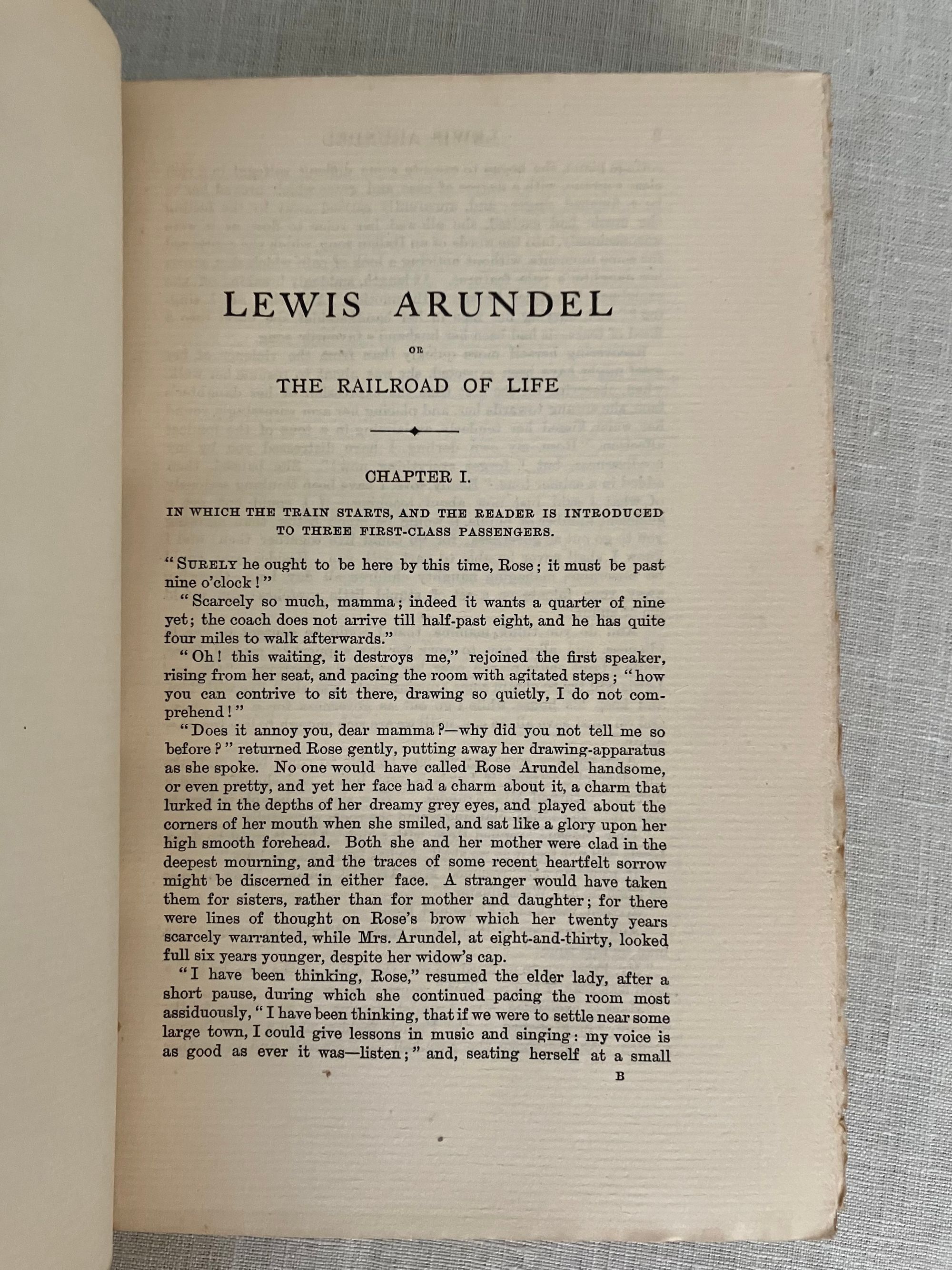
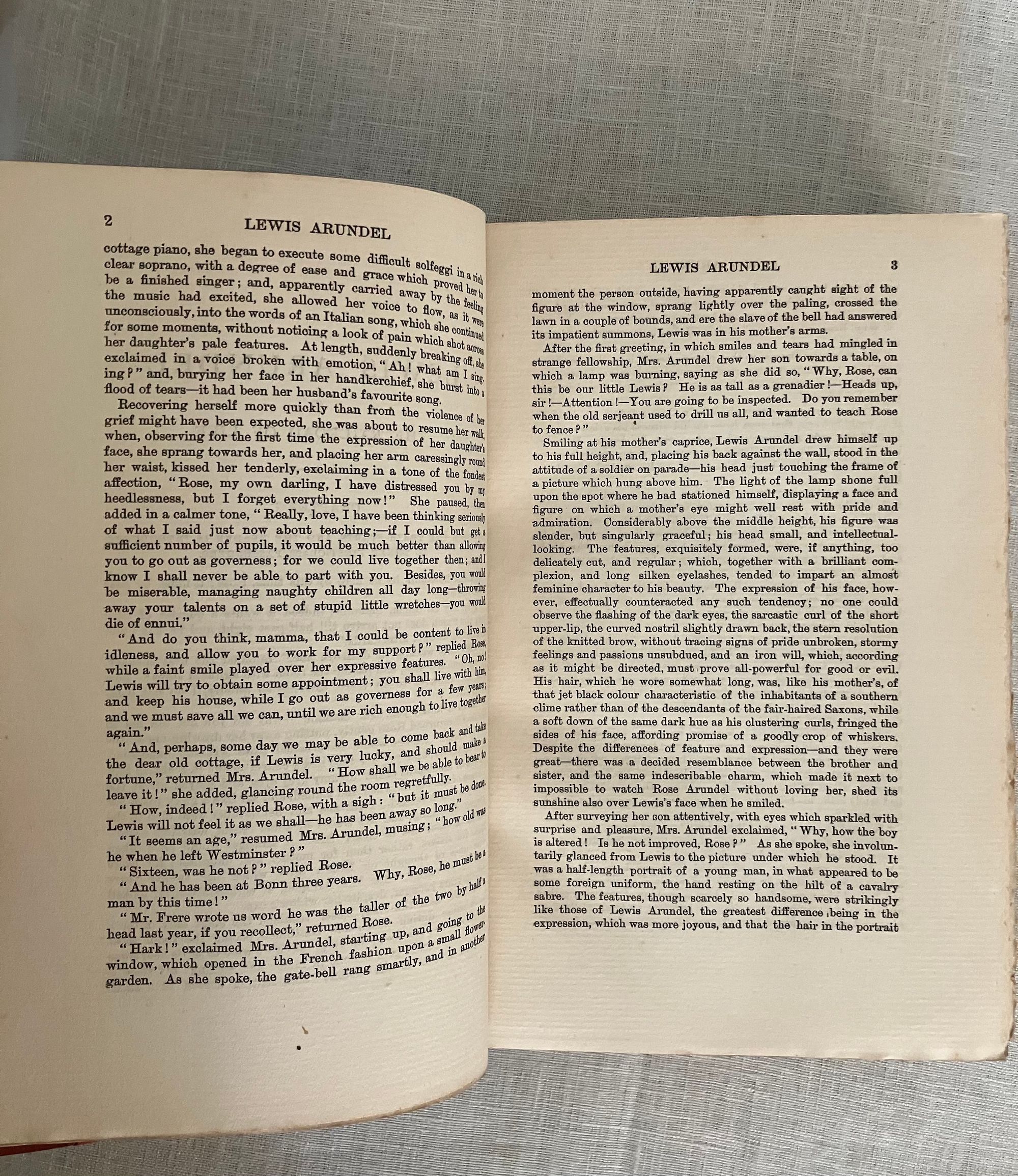
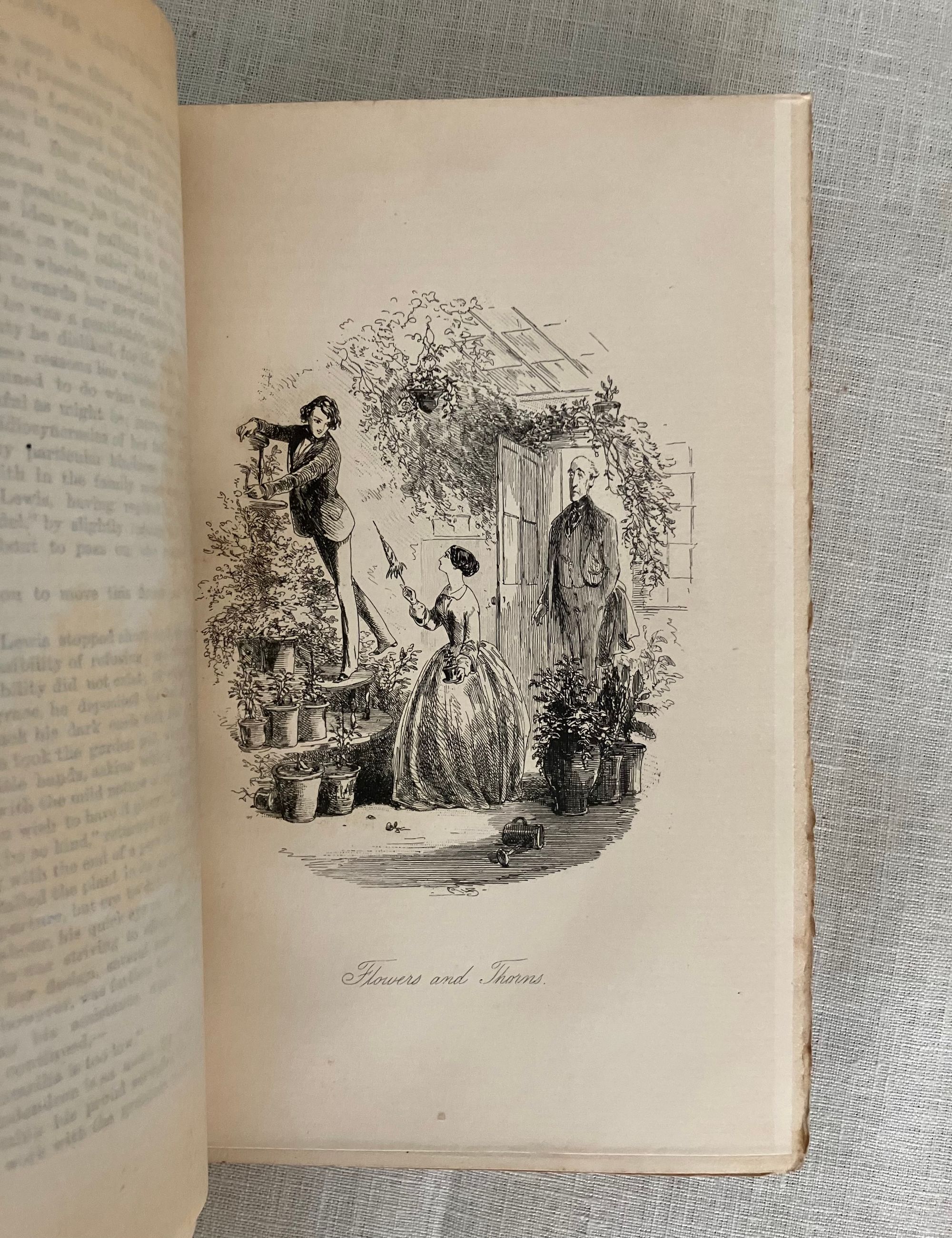
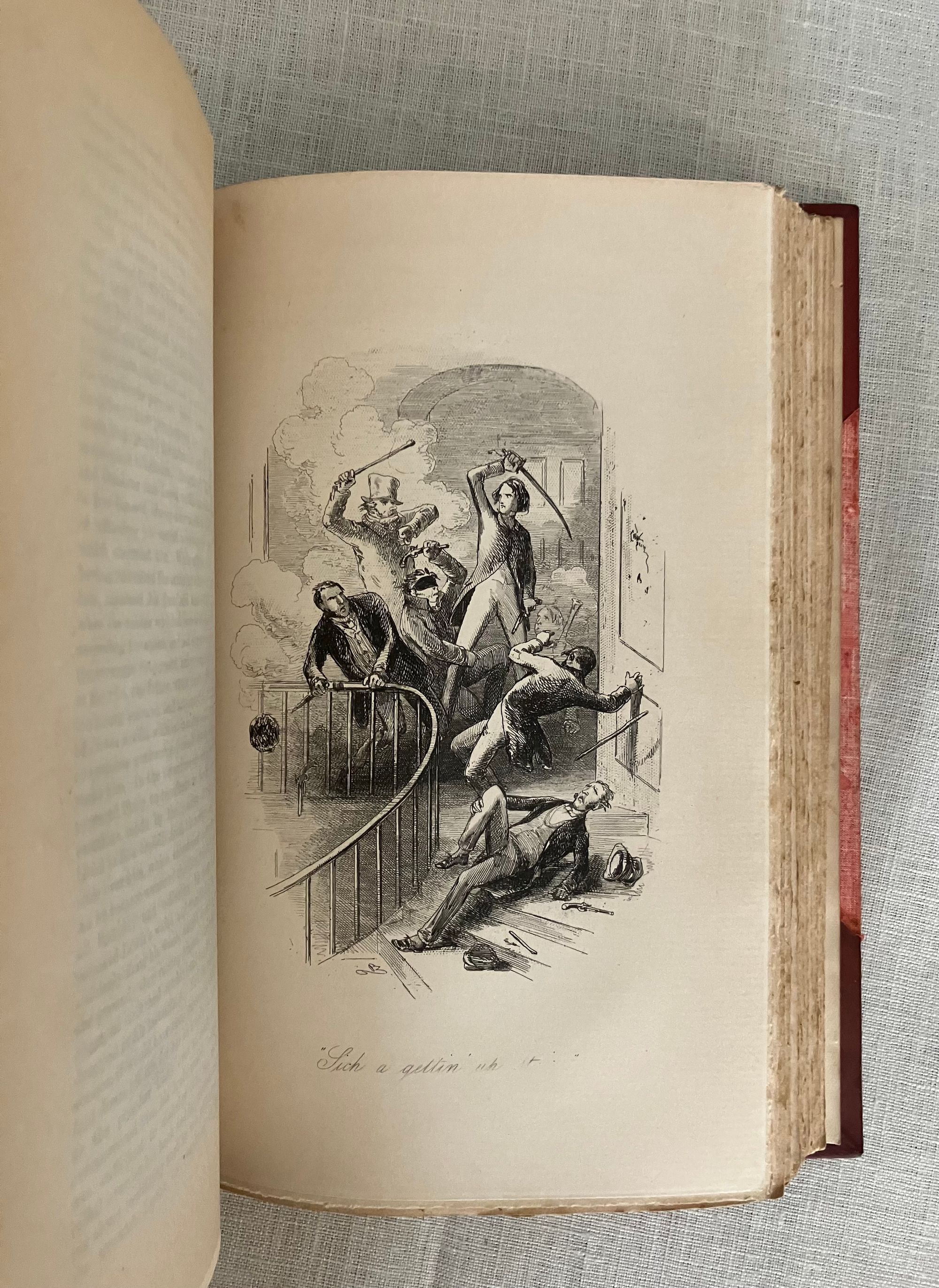
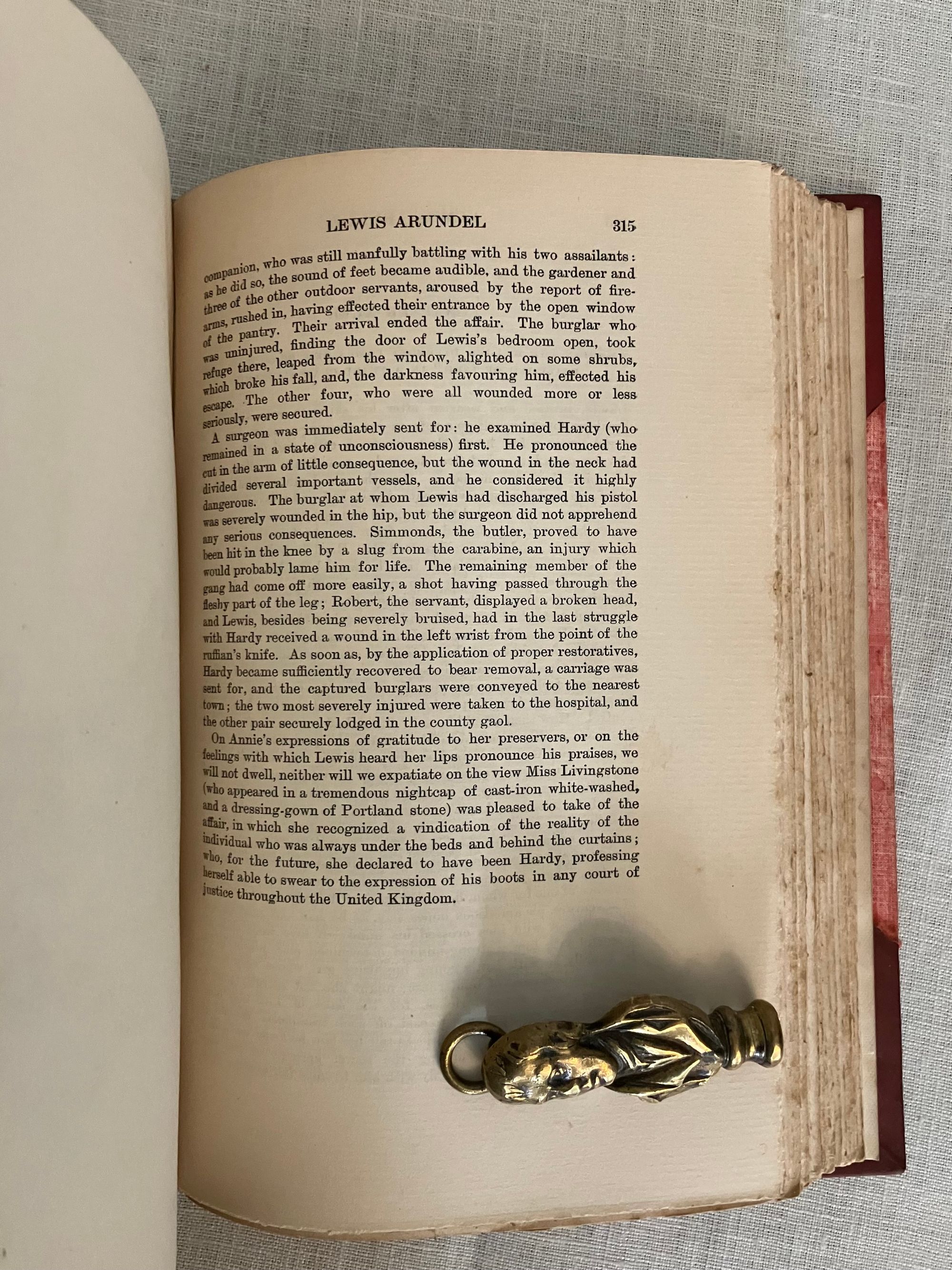
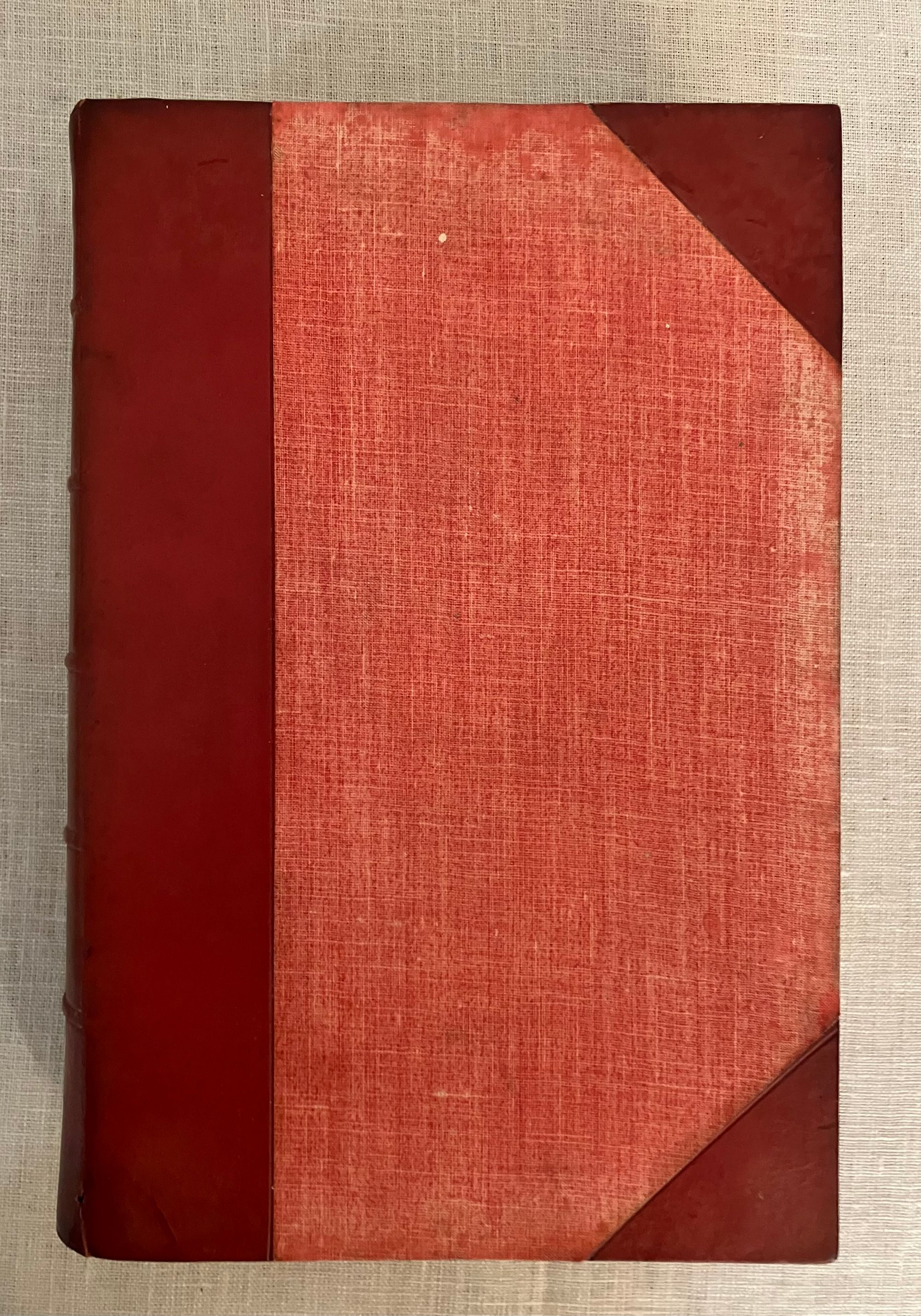
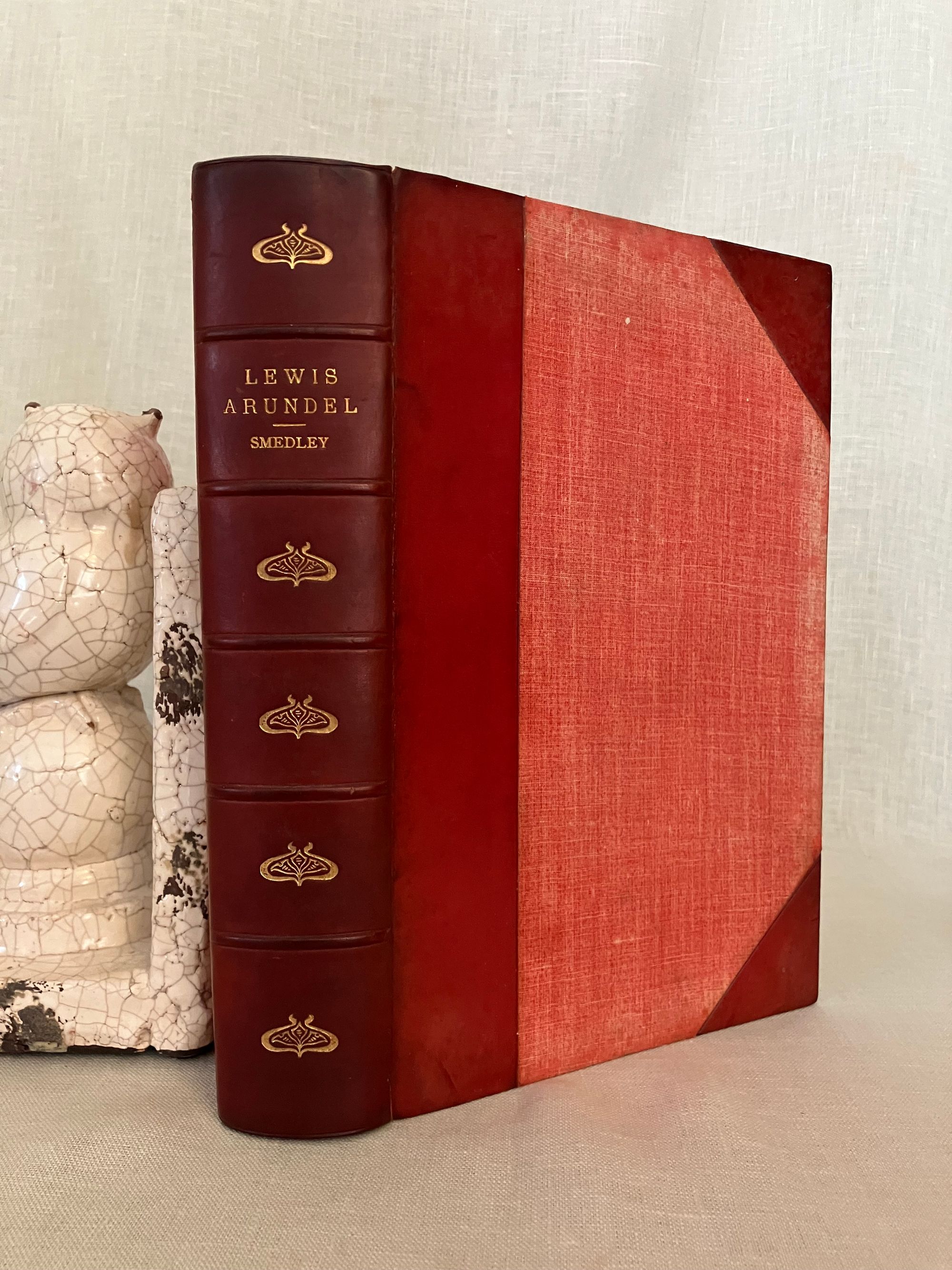
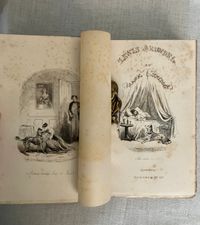
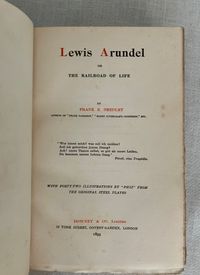
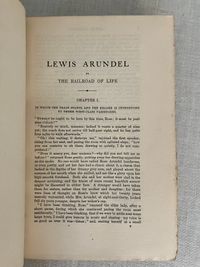
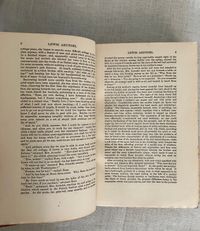
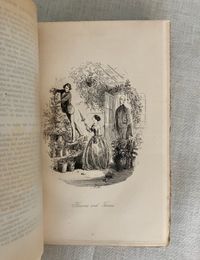
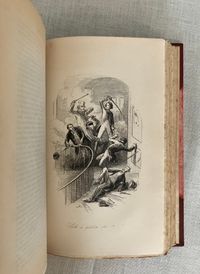
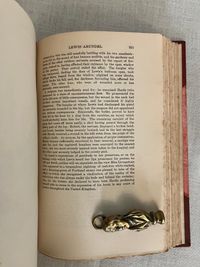
Reprint. Hard cover, 8vo, in a fine binding by Baynton of Bath, of three-quarter red calf over red cloth-covered boards, the spine with five raised bands ruled in blind, gilt with title to second compartment and others with a decorative art nouveau-style floral stamp. Top edge gilt, others untrimmed. Marbled endpapers with former owner's engraved bookplate with Newburyport connection, (see provenance below.) Printed on laid paper by Gilbert and Rivington, Ltd., London. Red and black printed title page. Illustrations include 44 unnumbered, tissue-guarded steel engraved black and white full page plates by Phiz., "printed from the original plates," including frontispiece and illustrated title page. xiv, 512pp. CONDITION: Very Good. Front board with some sunning (or other lightening) to fore edge of the cloth. Rear board with a quarter-sized ghost of a label (?) to one corner point and a couple of small areas of discoloration to the cloth at margins. Pinhole sized hole at foot of spine edge. Otherwise, hinges and joints are in order, binding is sound and square, with light age toning. Plates generally clean. Foxing affects prelims only, through to the red and black printed second title page. Tissue guards browned. Not written in. **This was the Author's second novel, first serialized anonymously in Sharpe's London Magazine between 1848-51. **This spirited story follows the fortunes of the young gentleman, Lewis Arundel, as he negotiates unforeseen financial difficulties after the death of his father. He must return from studies abroad to support his mother and younger sister, who otherwise will lose their cottage. He appeals for help to an old school friend, Sir Richard Frere, a colorful book collector and secretary to a scientific institution: we meet him sitting cross legged on the rug "amidst a hectacomb of ponderous volumes." (p. 19) Frere introduces Lewis to his relative, General Grant, who is in need of a tutor for his ward, an underdeveloped, underaged future earl. Speaking five languages as well as being an accomplished artist and musician, things begin to look up for Lewis...The witty characterizations of the lively minor characters and references to the injustices and contradictions of contemporary Victorian society in general make the book a rich and rewarding read. **British Author FRANK E. SMEDLEY, (1818-1864) a contemporary of Trollope and Dickens, wrote novels of the boisterous exploits of well-to-do young gentlemen, although a disability kept him from a similarly active lifestyle. He would edit and contribute to various periodicals, including "George Cruikshank's Magazine" and "Sharpe's Magazine," both of which he became editor of for a brief period. ***Illustrator PHIZ.( Hablot Knight Brown,)was most famous for his steel plate engravings of ten works of Charles Dickens, although he also illustrated the work of Charles Lever, Harrison Ainsworth and Smedley.***PROVENANCE: EDWARD STRONG MOSELEY (1813-1900) from a prominent Newburyport, Massachusetts family in the nineteenth century, he was known for a notable personal library. Moseley was one of the largest ship owners in The Clipper City, as well as having a financial share in ninety-nine wooden sailing vessels built at John Currier's shipyard on The Merrimack River. President of one bank and Director of another, Moseley also held a variety of other civic posts. He trained in finance in the counting house of Boston's East India merchant, Benjamin A. Gould, after education at Yale. He shipped out as at least sixteen times as a young man, including several voyages to India and China as super-cargo. (A good biographical sketch on Moseley is found in Samuel Atkins Eliot's "The Biographical History of Massachusetts, (Boston 1913.) From descendants of Mr. Moseley. (Please see another Smedley title in a matching fine binding, our no. 9807.) Sutherland (1990) p. 585. Watson 966. (AMJ)
Ref: FICT19 9808
$125.00