 |
 |
 |
 |
 |
 |
 |
 |
 |
 |
 |
 |
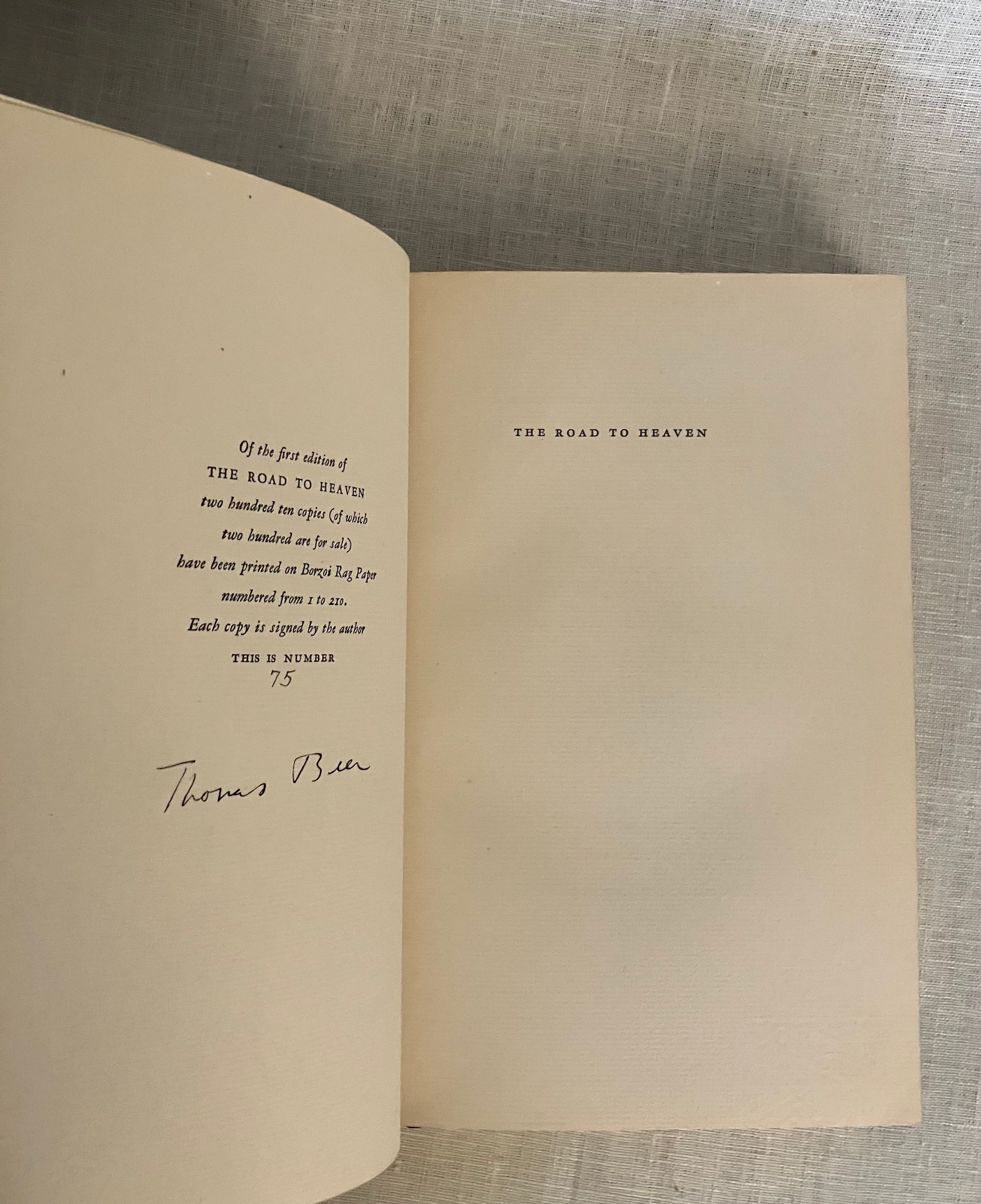
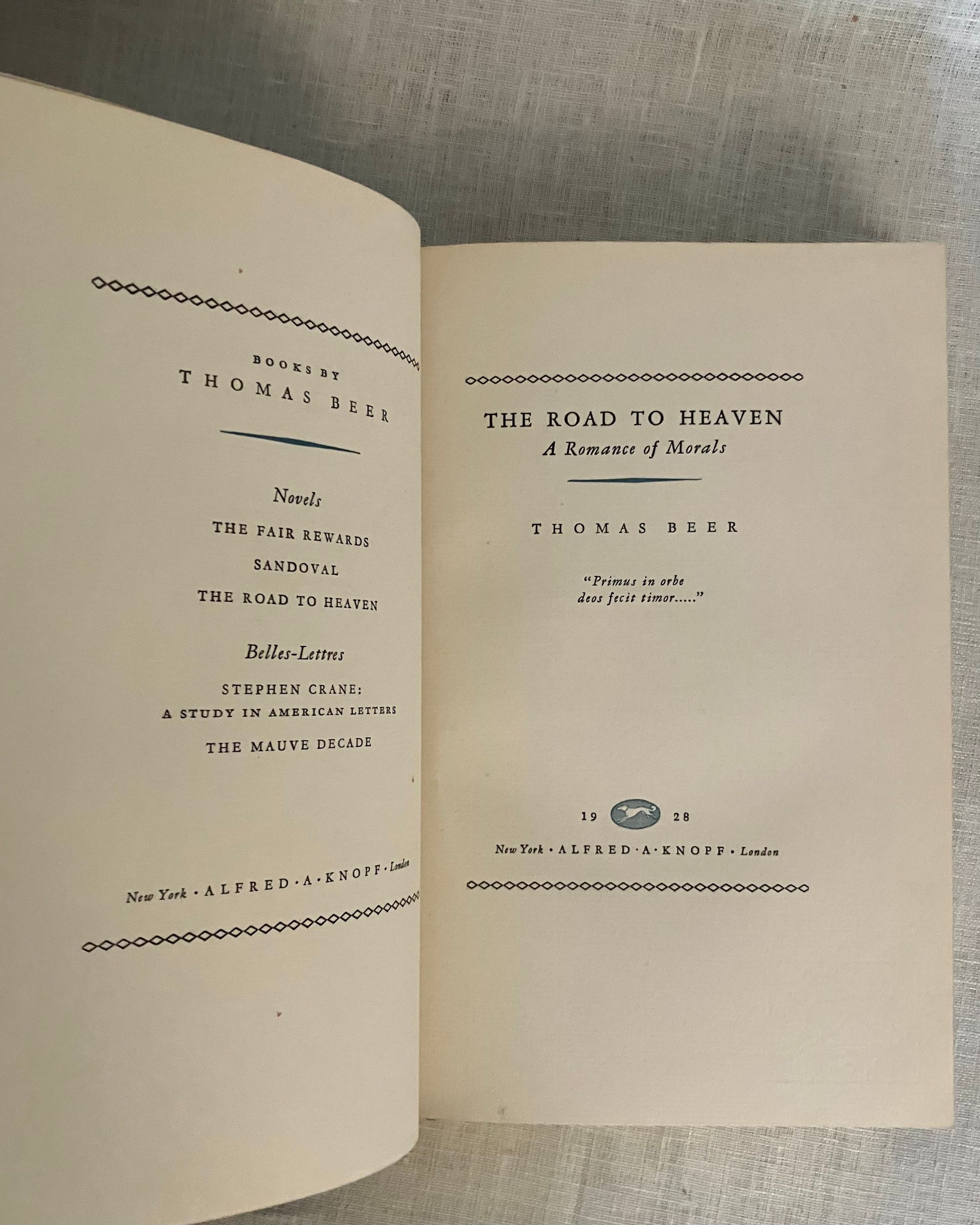
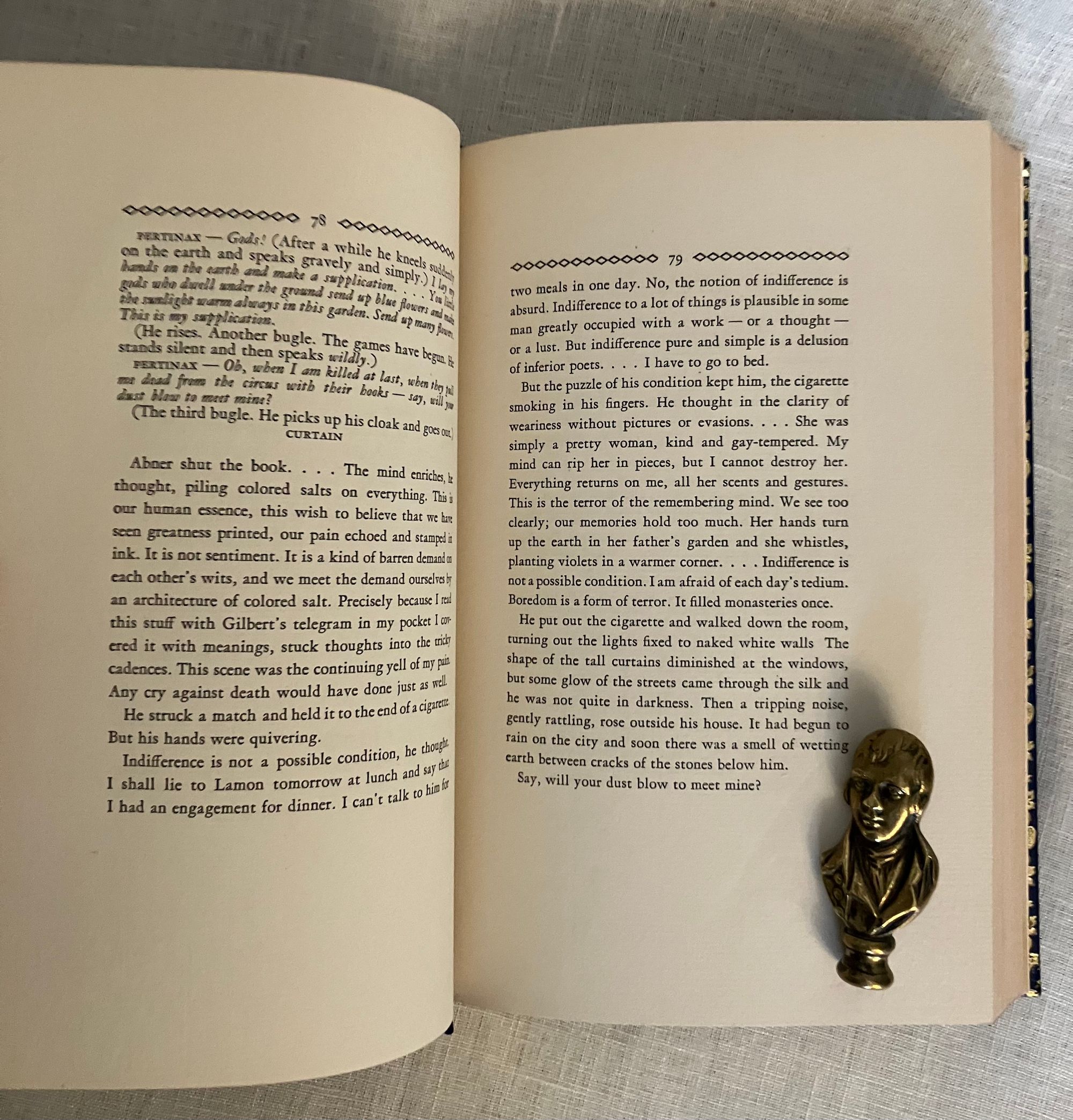
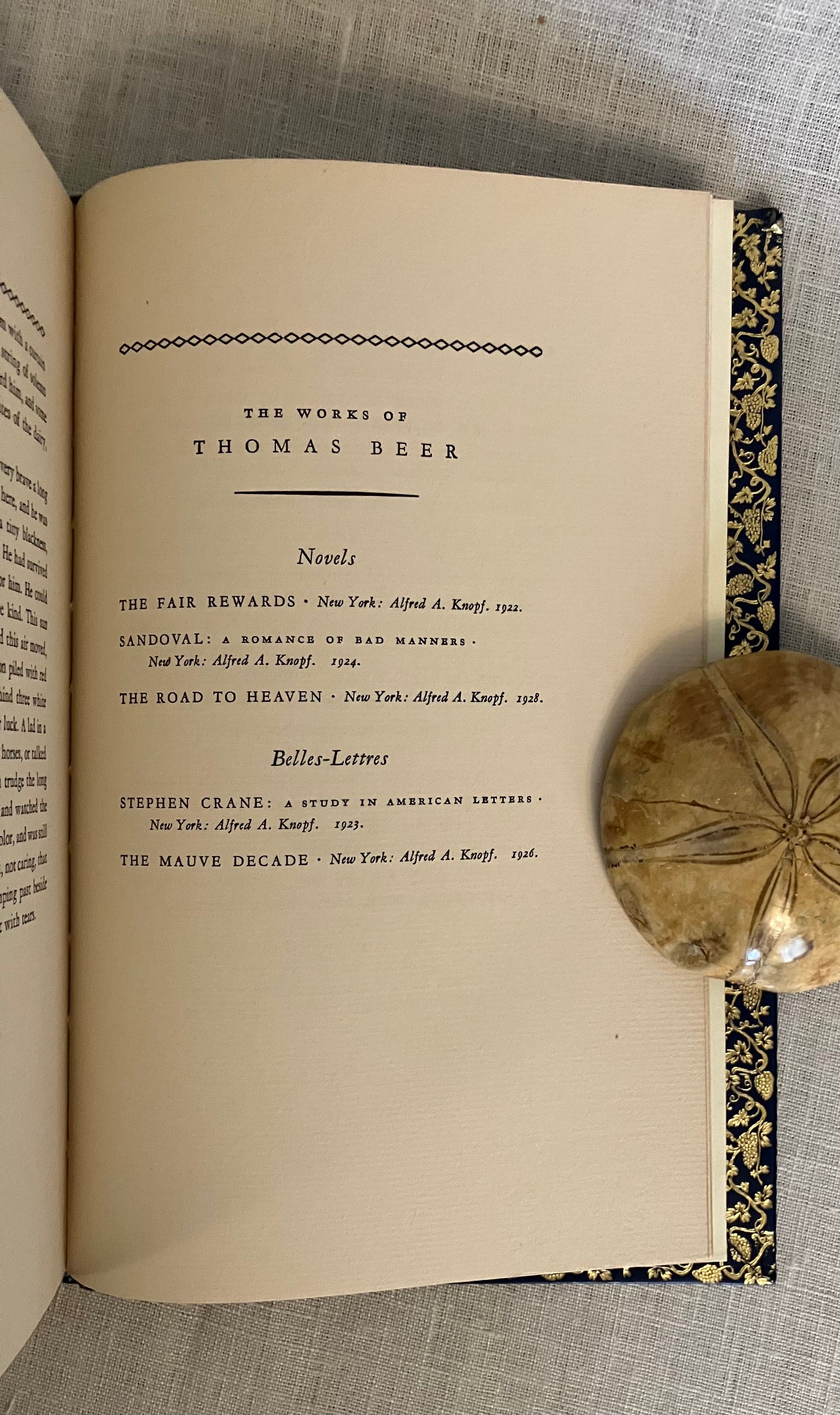
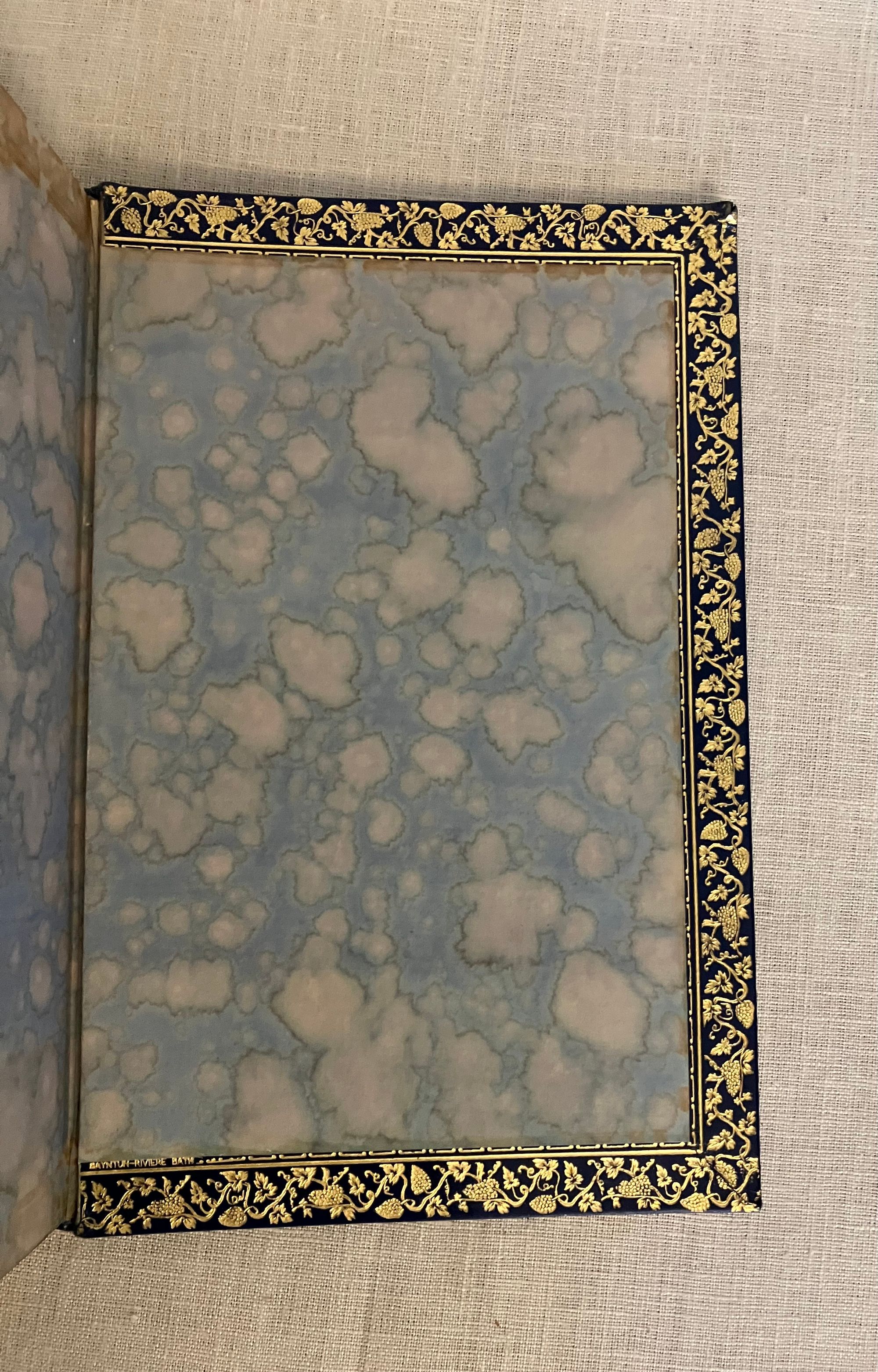
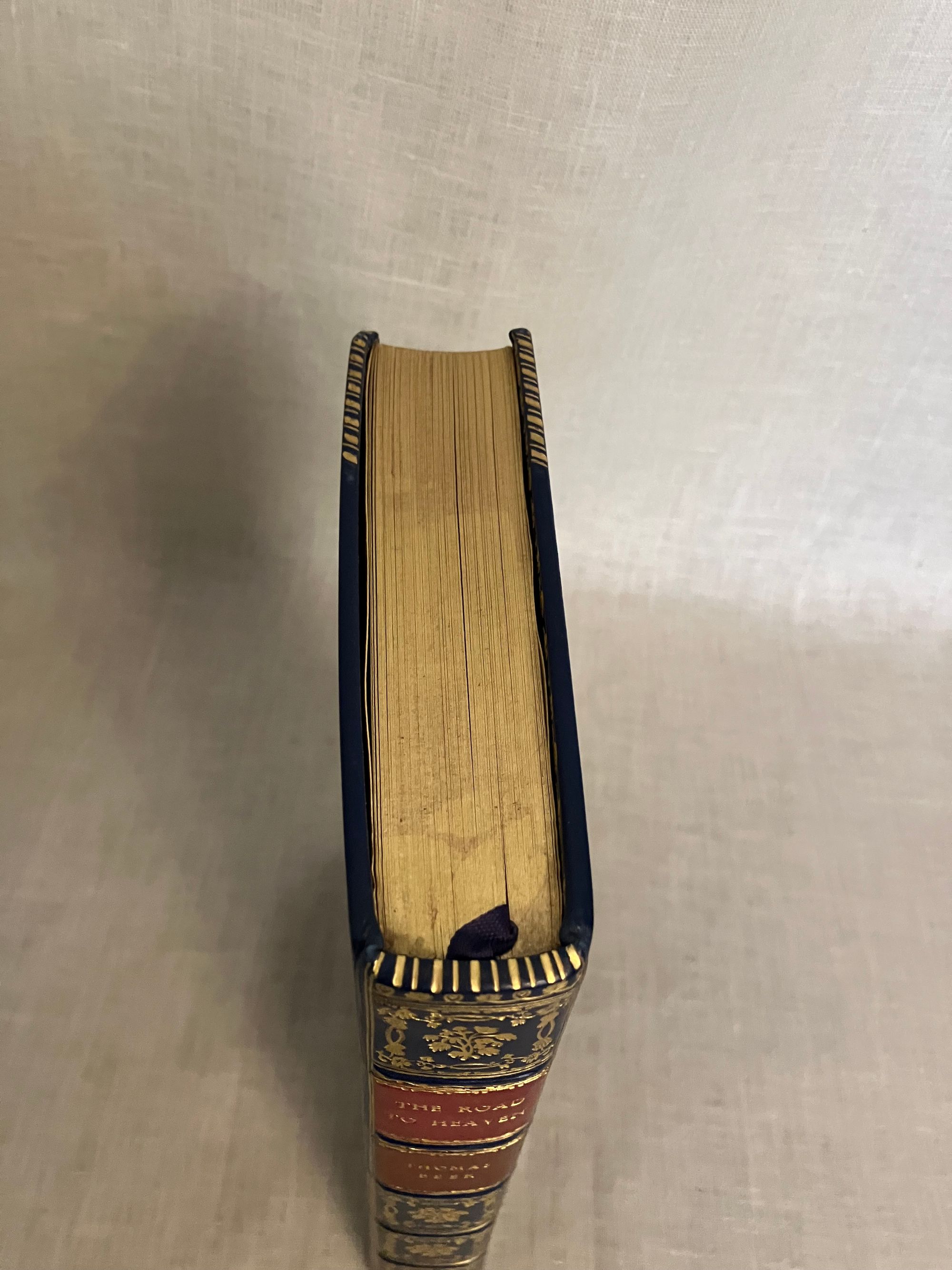
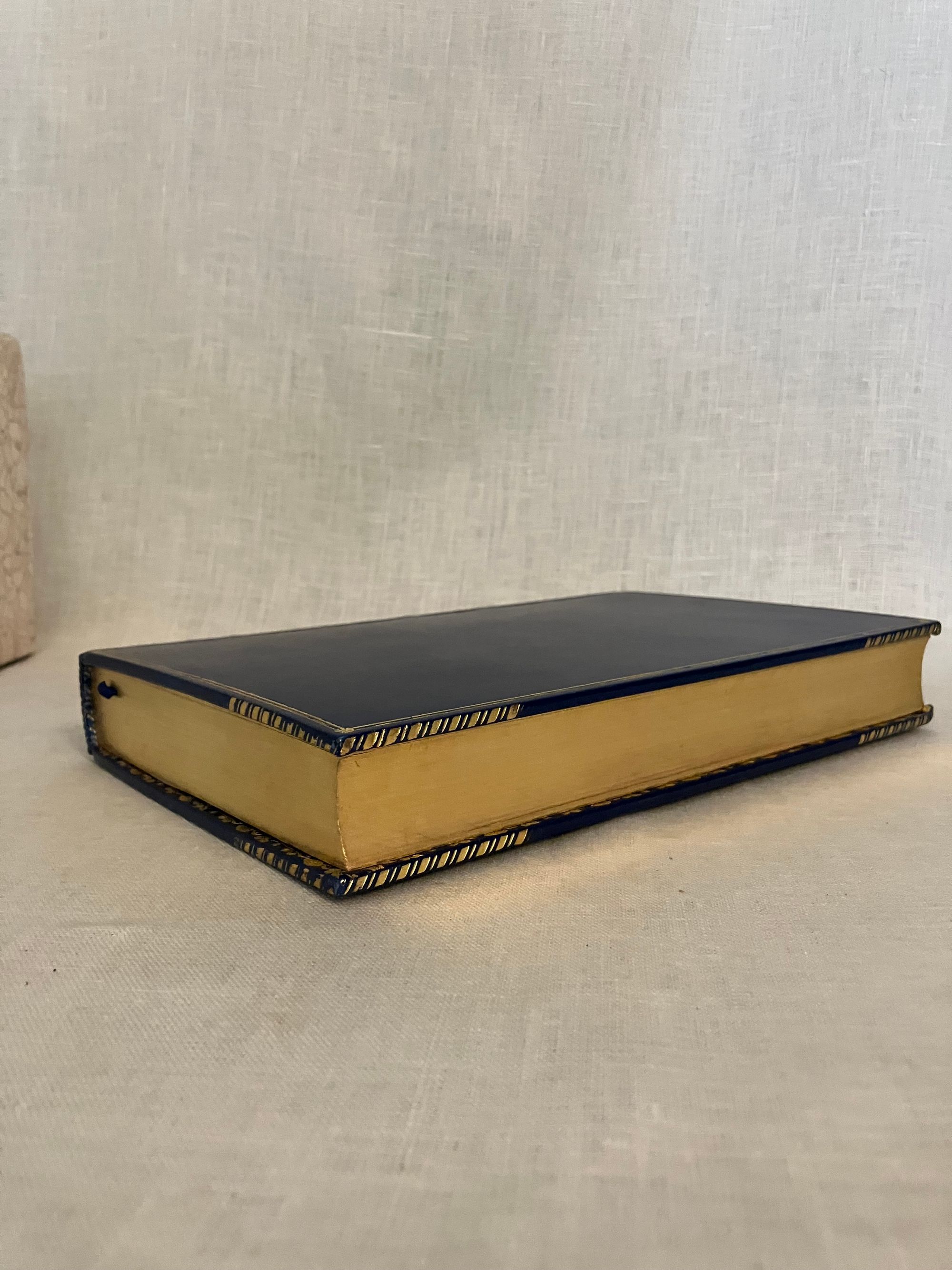


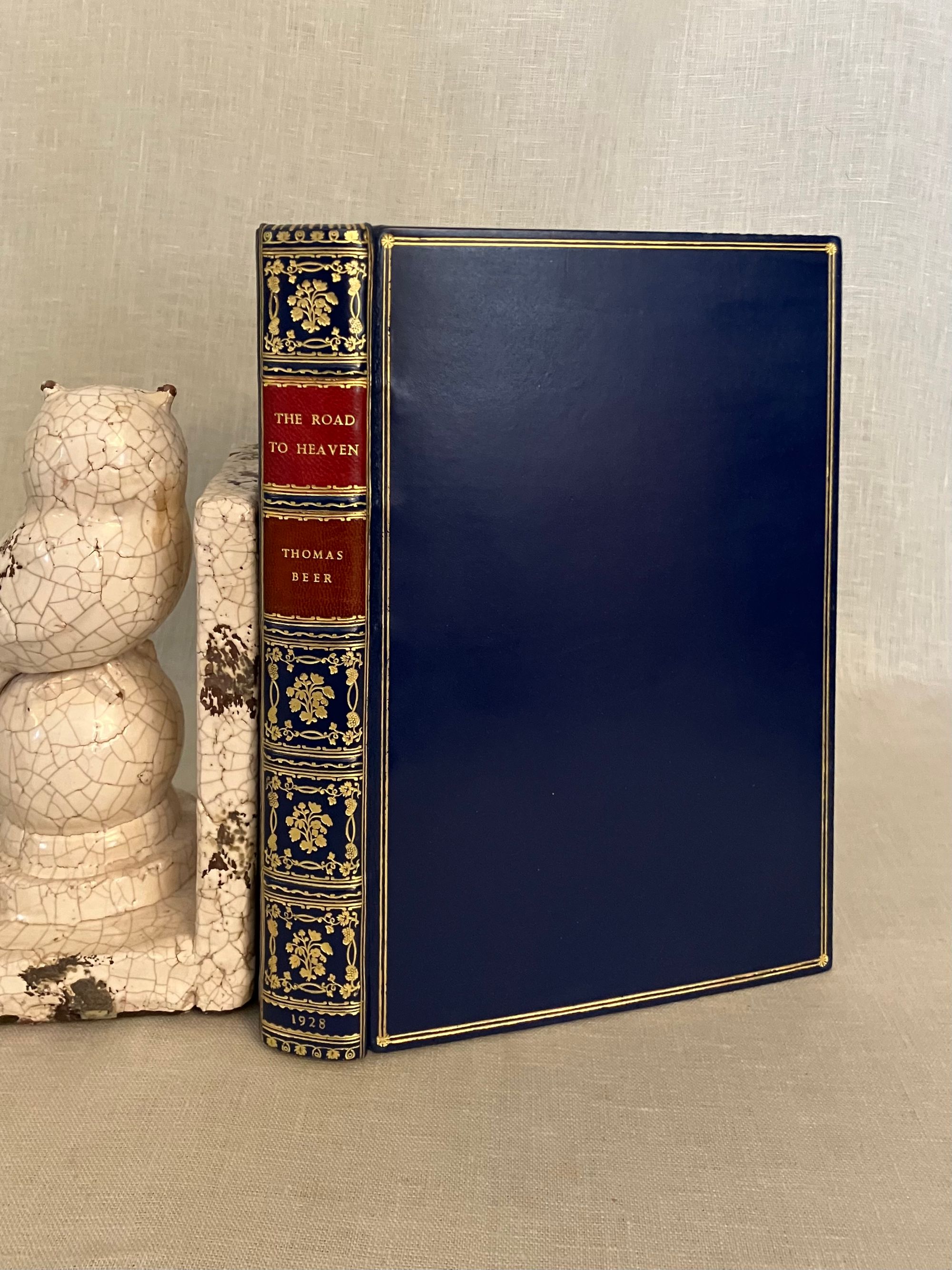
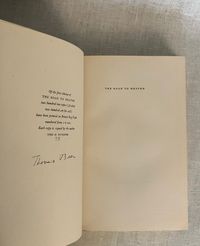
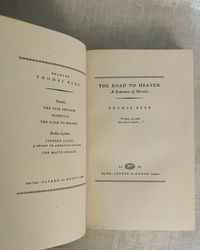
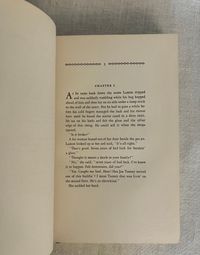
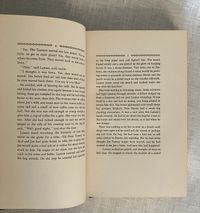
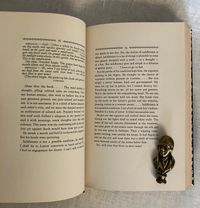
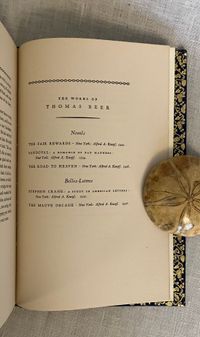
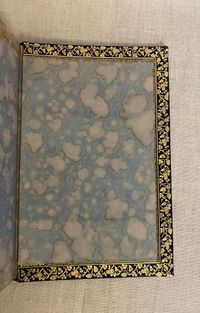
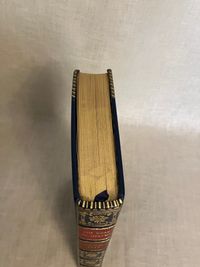
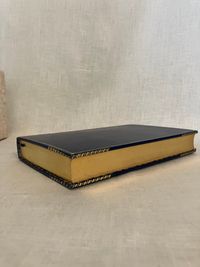
Hard cover 8vo, in a contemporary rebinding by Baynton Riviere, in blue calf gilt with ruled edges, the spine with five raised bands and extensive decoration consisting of grape vines surrounding a floral vignette to each compartment, the title and Author upon red and brown morocco applied labels. All edges gilt. Board edges gilt in corner areas. Watercolor-style marbled end papers with gilt decorated turn-ins, and including the stamped signature of English bookbinder Bayntun Riviere, Bath. Limited Edition, No. 75 of 210 copies (200 for sale), signed by Author to limitation page, printed on Borzoi Rag Paper. Ribbon bookmark. Bookplate to endpaper. **CONDITION: Fine. "The Road to Heaven" was Beer's final novel, set in circa1920's New York and environs, and is something of a modernist landmark. Set adrift in post-World War I peacetime, veteran Lamon Coe takes a number of casual jobs: as a movie extra, sporting goods store manager, prize fighter and newspaperman, in locales from Los Angeles to Chicago, Boston and New York, and back again. He fends off starvation by sheer wit and dumb luck, meeting a variety of colorful characters along the way-- such as the Englishman in California who settles his cribbage gambling debts by giving Coe his five best suits. Bibliophiles will particularly enjoy the character of Coe's Uncle Abner, owner of a New York bookstore, 'The Albatross," (Parcels of interesting and rare books regularly arrive by post from London...) Abner's literary parties bring out quite a slice of the New York literary, artistic and social fauna, and he becomes important in his nephew's quest to be self-sufficient when another family dispute keeps Lamon from returning home.**Iowan Author THOMAS BEER (1889-1940) was famous for two literary biographies, one of Stephen Crane, several novels, including the "non-fiction novel," The Mauve Decade," as well as his numerous contributions to the "Saturday Evening Post." As pointed out in his obituary (NYT, 4/19/40), Beer's particular skill was in the suggestion of facts; rather than straightforward narration of the plot or the circumstances of his character's lives. These he slowly reveals by the merest details. This modern manner of writing is said to have directly influenced the craft of William Faulkner and Hemingway, among others. (AMJ)
Ref: FICT20 9806
$160.00