 |
 |
 |
 |
 |
 |
 |
 |
 |
 |
 |
 |
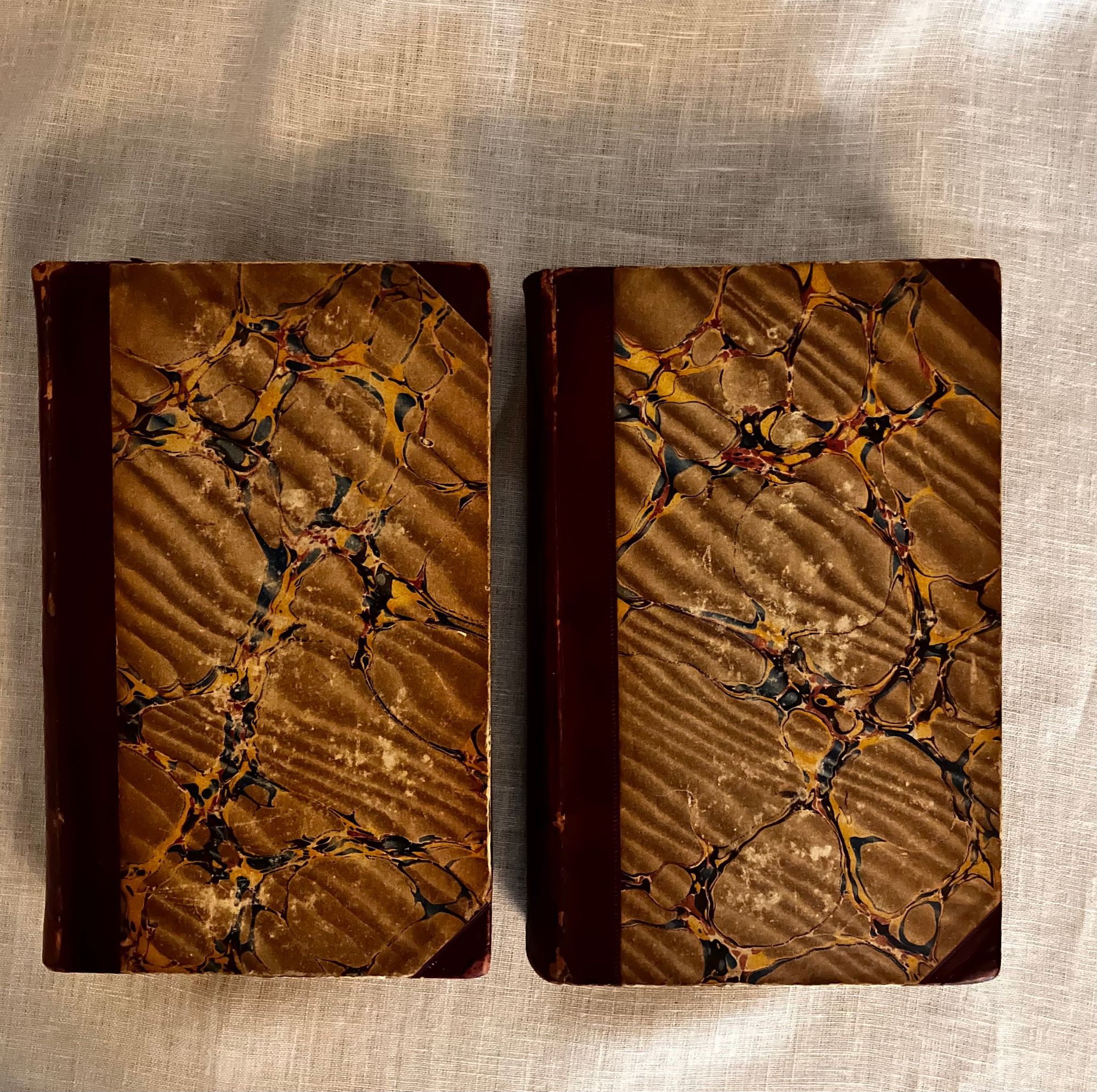
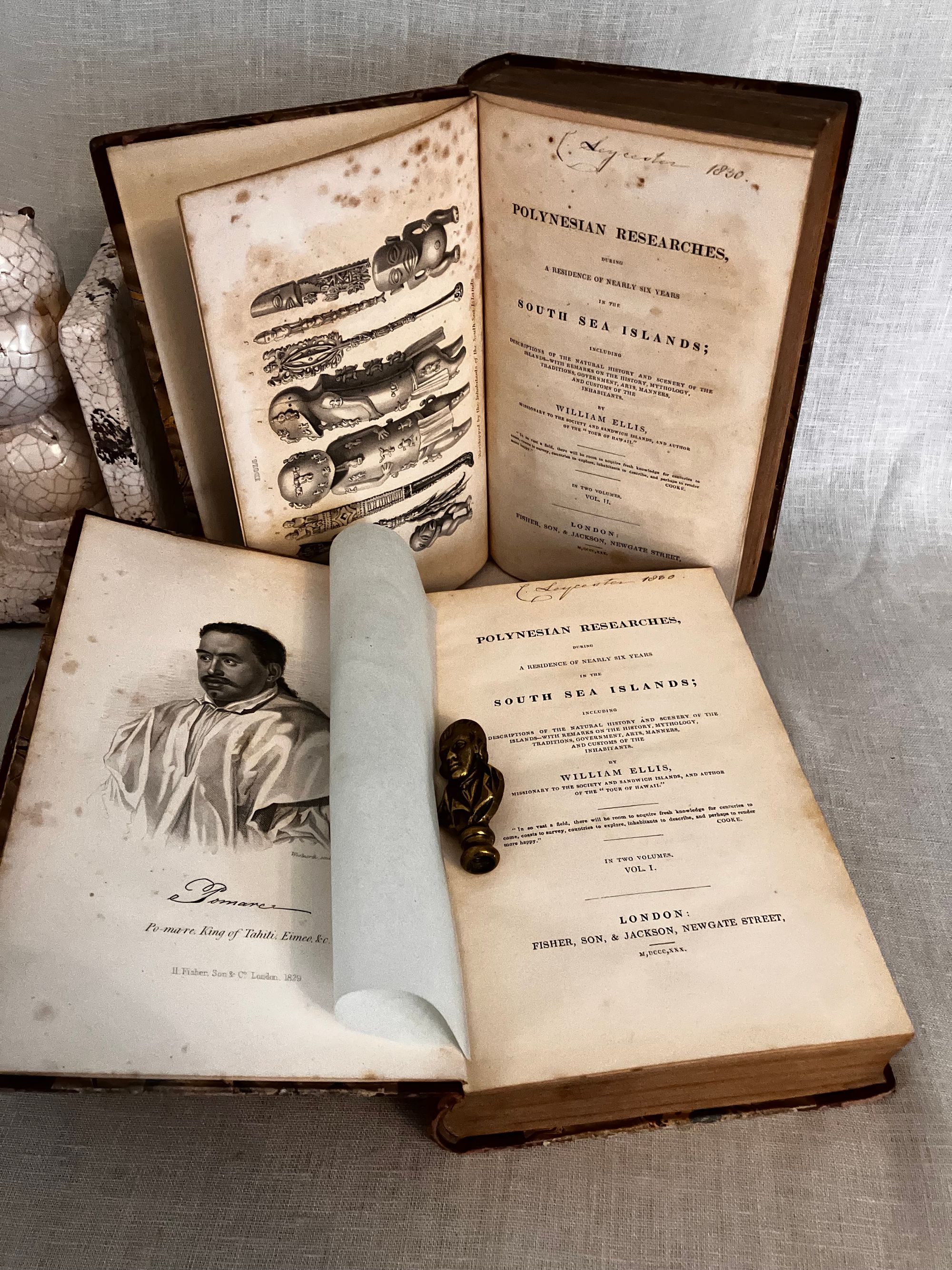
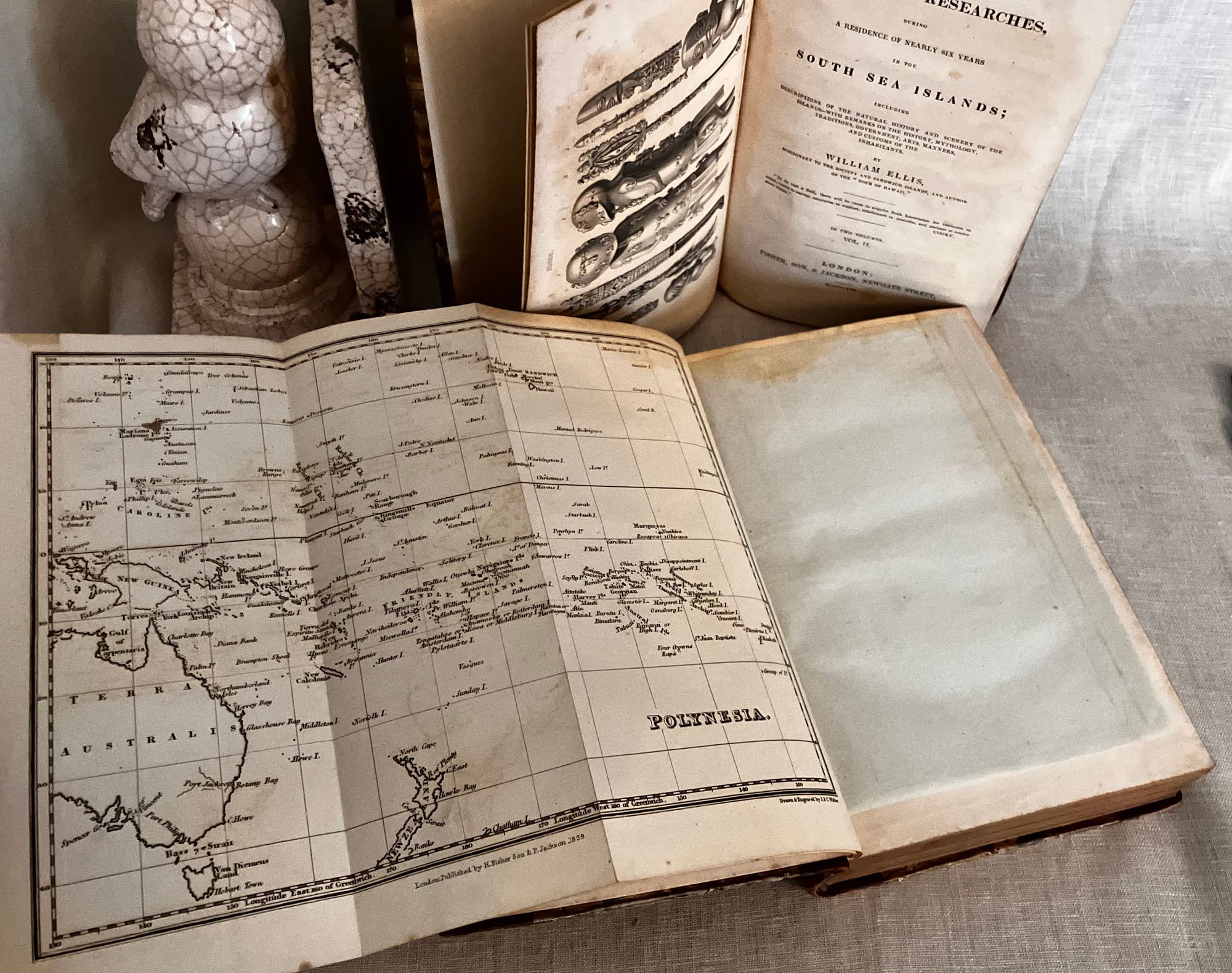
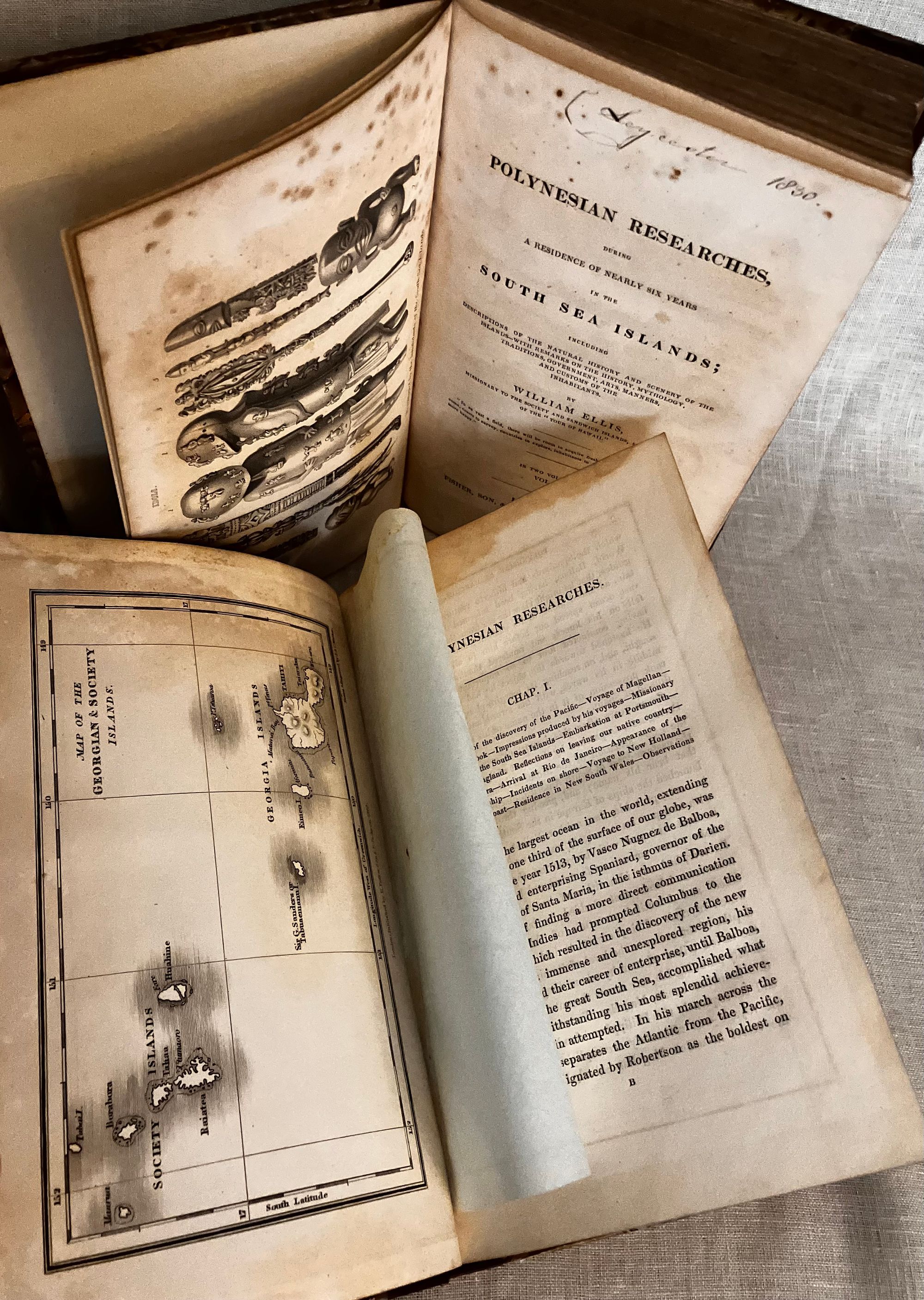
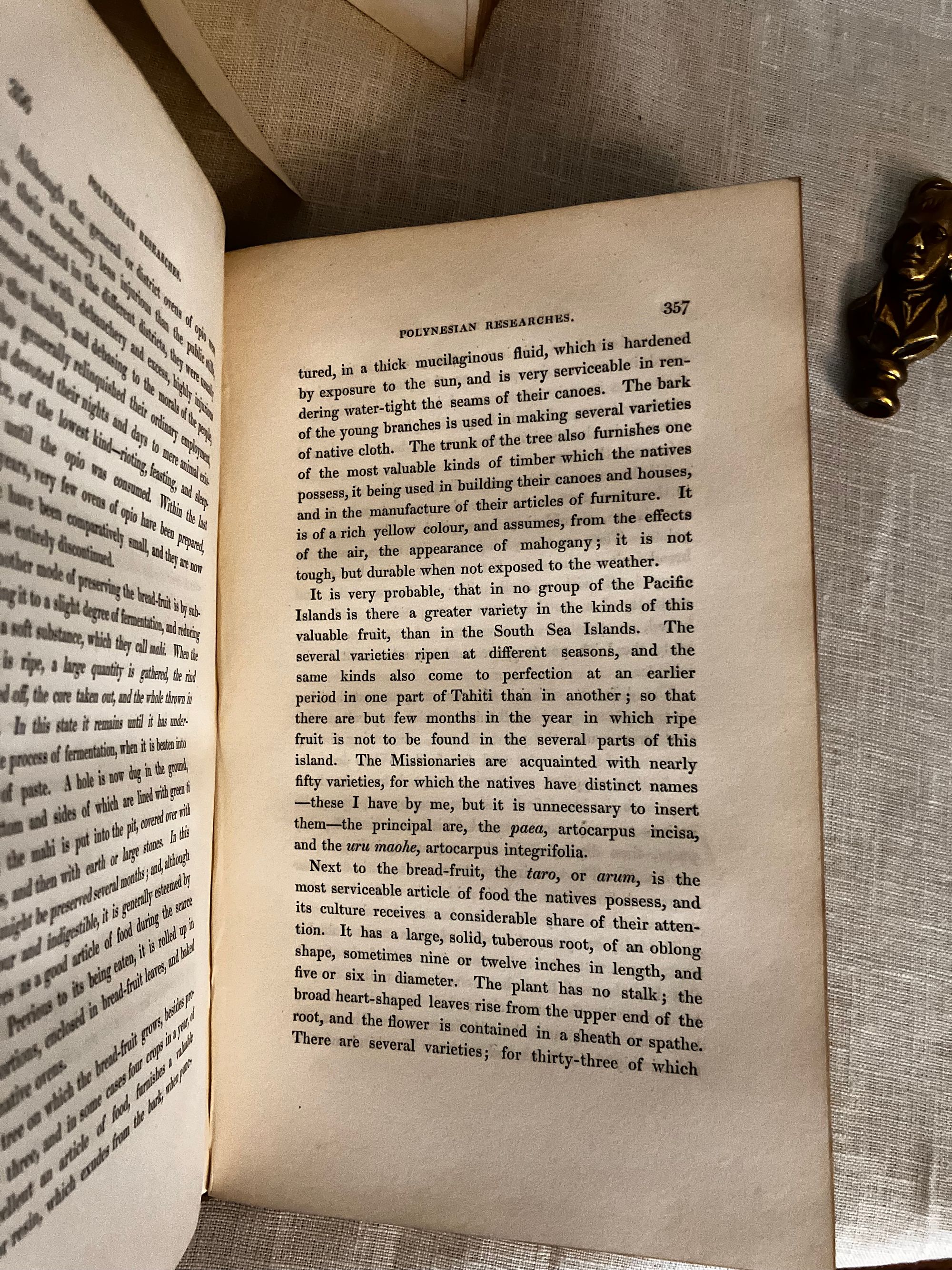
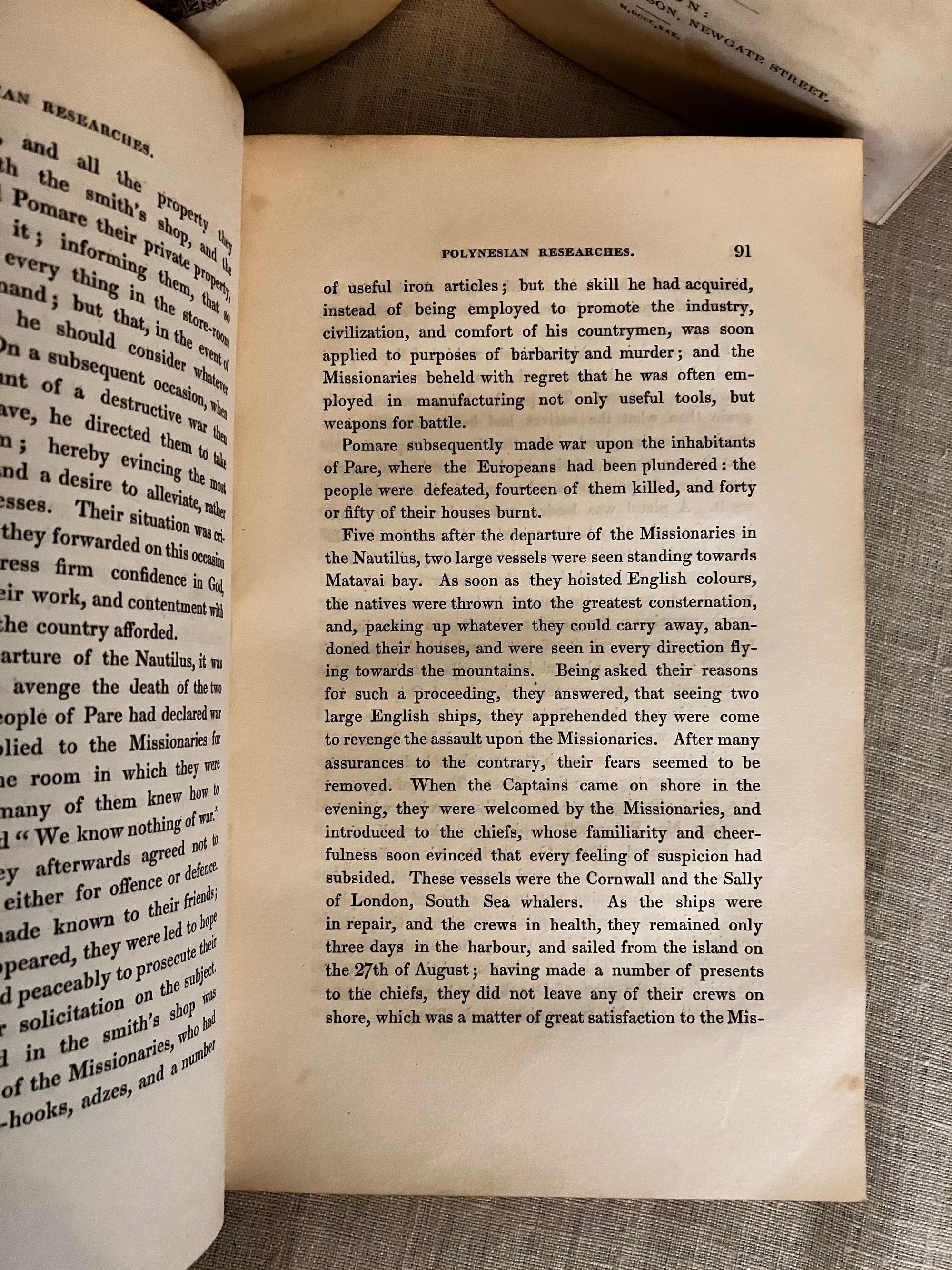
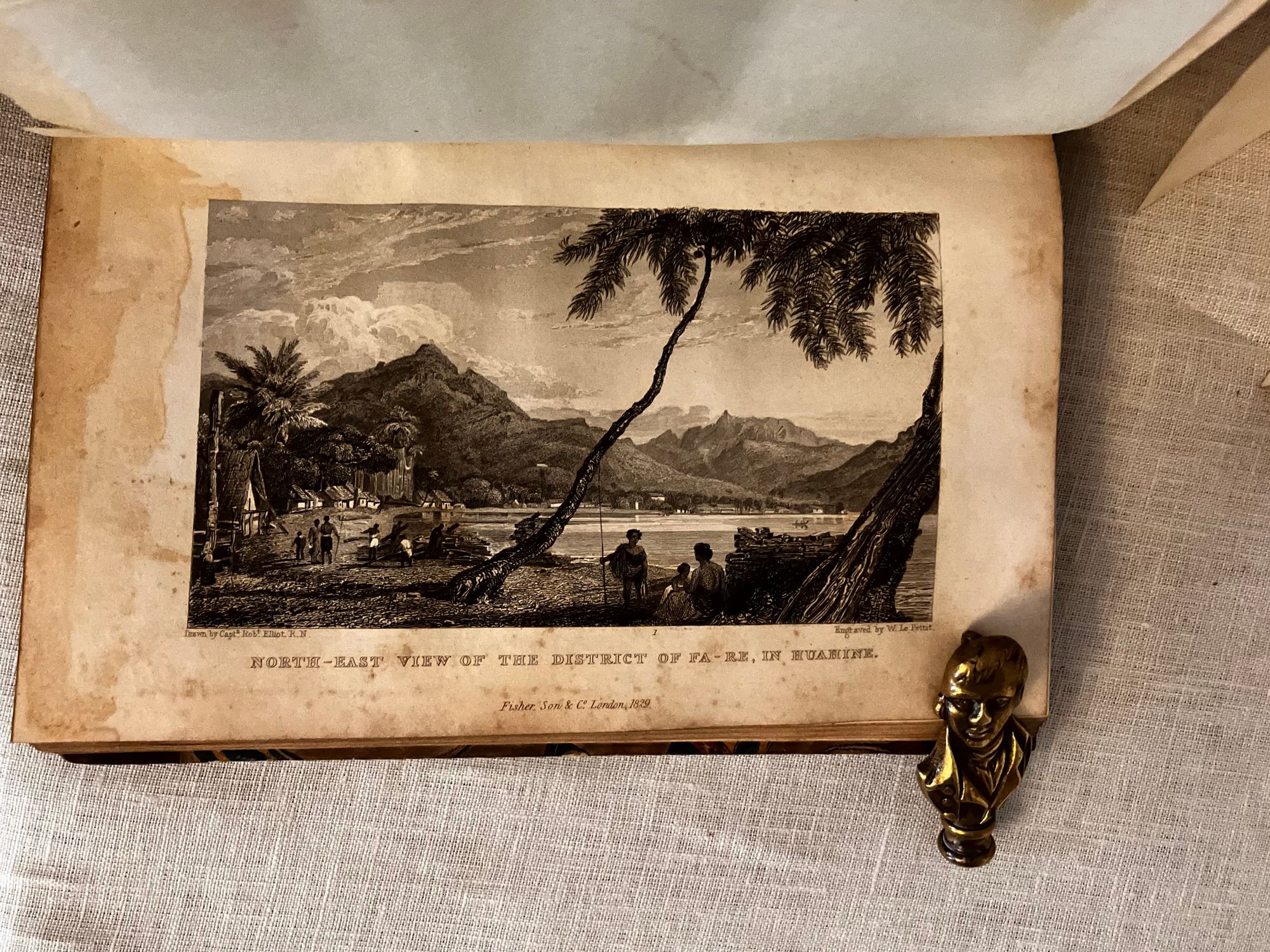
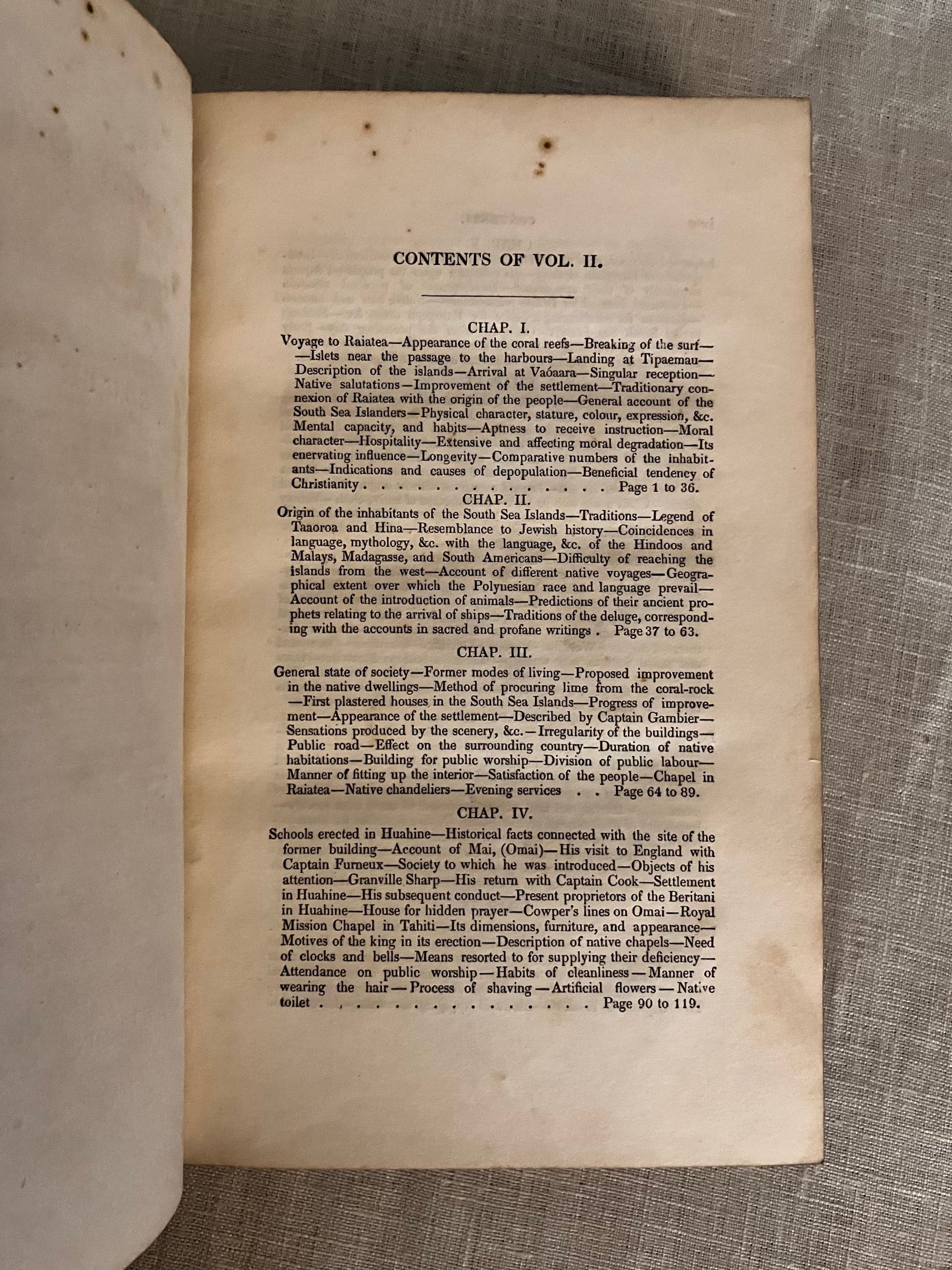


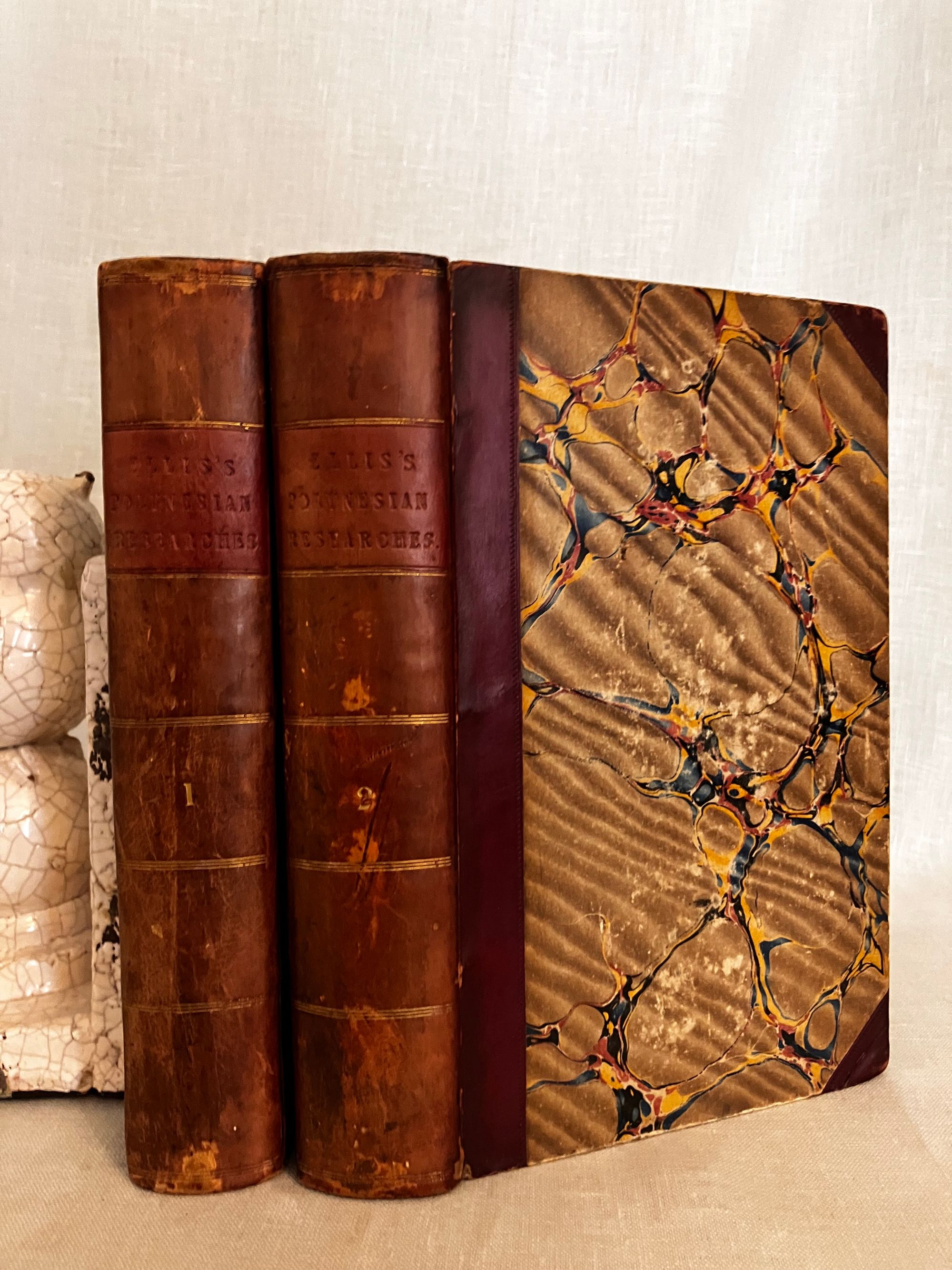
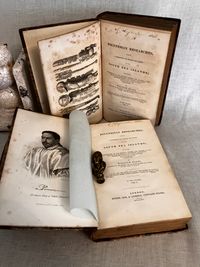
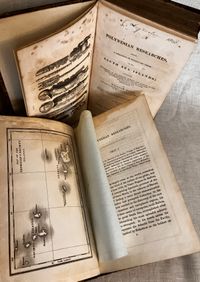
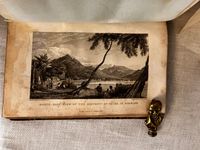
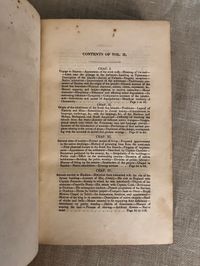
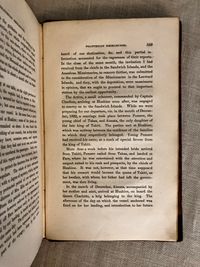
An early printing (dated 1830) of the Fisher, Son and Jackson First Thus edition of 1829. Hard cover, 8vo, finely bound in an unsigned three quarter burgundy calf gilt, with marbled paper-covered boards, all edges stained and speckled, the spine tooled into six faux compartments ruled in gilt, with the titles stamped in blind to the second, and volume numbers in gilt to the fourth. A small-scale shark tooth roll outlines the calf in blind, making for a restrained and not overtly decorative case design. Inside are plain cream endpapers. Vol. 1: [6] xvi, 536. [6]pp. Complete with both maps (one folding,) and all steel engraved and wood engraved unnumbered full plates called for, including two frontispieces. A biblical and possibly missionary inscription? to a front fly leaf of Vol. 1 in fine old copperplate script. Inscribed "C. Seycester, 1830" to head of both title pages. Annotated within briefly and neatly with marginal bible reference notes in a similar hand. **CONDITION: Very Good. Generally some age-appropriate rubbing and general shelf wear to exterior boards and slightly at joints and tips. Spines are sunned, with light wear, one marked, as seen. Inner hinges Vol. 1 are in order, but over-opened at frontispiece. Illustration at pg. 62 shaken, a little frayed at fore-edge but holding in place. Original light blue tissue guards present in Vol. 1; some are missing in Vol. 2. A few old dog eared page folds. Illustrations show marginal foxing, as seen. Text pages are clean and very slightly age toned with only occasional foxing except at prelims.**The REVEREND WILLIAM ELLIS (1794-1872) was a significant British non-conformist missionary who, while newly married, first traveled to the South Sea Georgiana and Society Islands in 1816 under the aegis of the London Missionary Society, and would later serve in higher office in that organization, as agent and then foreign secretary. As a young man, however, Ellis overcame the poverty of a relatively modest background, as a Norfolk gardener and candlewick maker, to read and dream about Cook's voyages and Keate's "fascinating but to a great extent fictitious" (J. Emieo Ellis, p. xvii) account of shipwreck of the "Antelope" upon the Pelew Islands. His youthful travels on this first voyage, then, revealed keen descriptive powers of his own. This non-fiction title, first appearing in 1829, and later expanded into a popular 4-volume edition reprinted by various publishers through the mid 1850's, was an influential descriptive resource later used as background by a number of nineteenth century "South Sea" novelists, said to include Herman Melville, Robert Louis Stevenson, Joseph Conrad and Jack London. His ethnological observations of Tahiti, where he was stationed from 1817-1822, recount relations with the first (converted) King of the Tahitans, Pomares II, governmental and social customs, developing laws, and Pomare's embrace of literacy. Ellis returned to England in 1825; he spent another fruitful period in Madagascar during the 1850's which he also wrote about. Various other topics include: slave economy of Brazil under the Spanish and English mercantile activity; misadventures of travel amidst convicts on way to New Zealand; perils of early missions among the Polynesians; details of the succession of Pomare's son in 1822. OCLC 7528900. British Museum. See our No. 9670, for Keate's "An Account of the Pelew Islands." See John Eimeo Ellis, "The Life of William Ellis..." (London: John Murray, 1873.) (AMJ)
Ref: ADV 9777
$750.00 $637.50