 |
 |
 |
 |
 |
 |
 |
 |
 |
 |
 |
 |
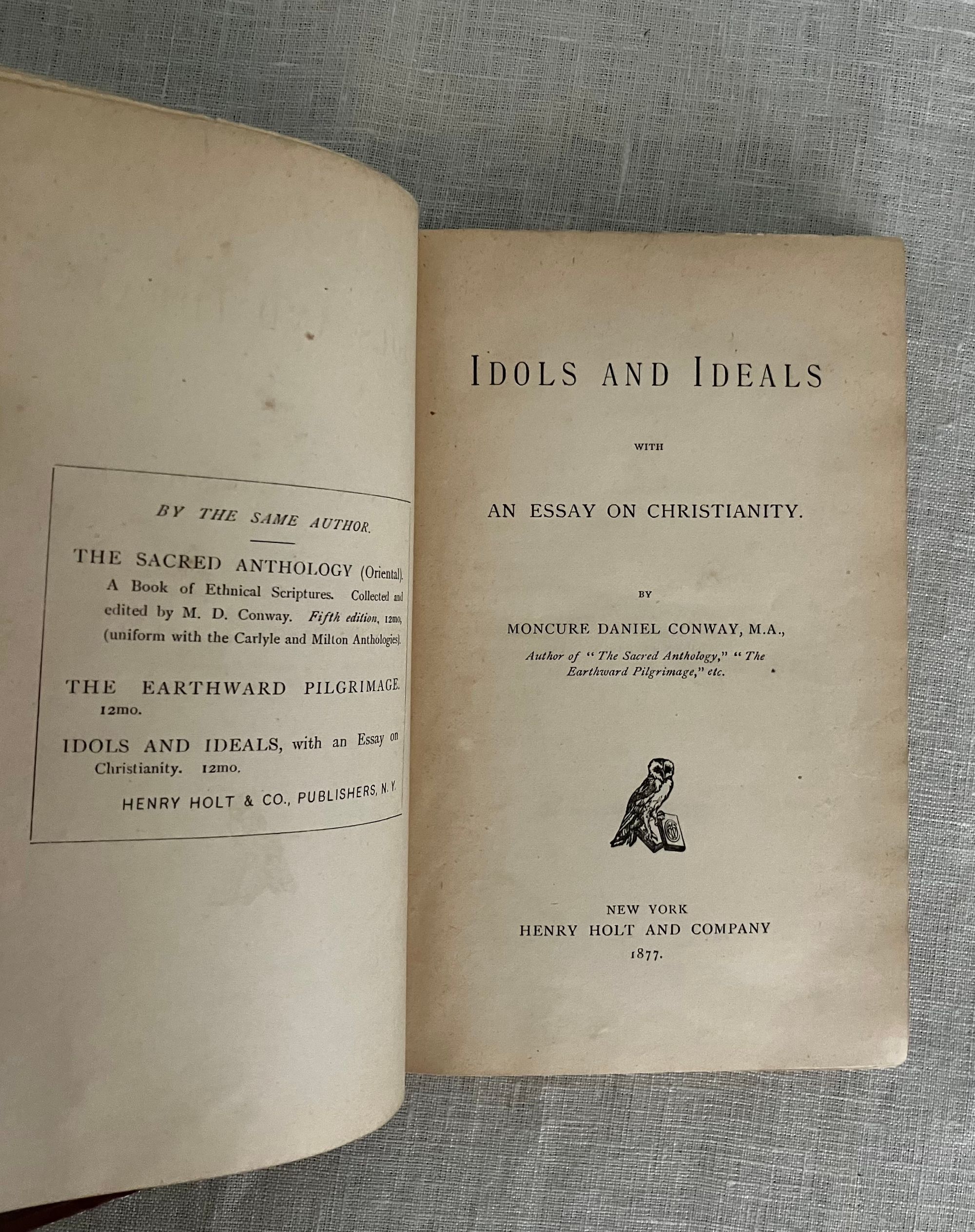
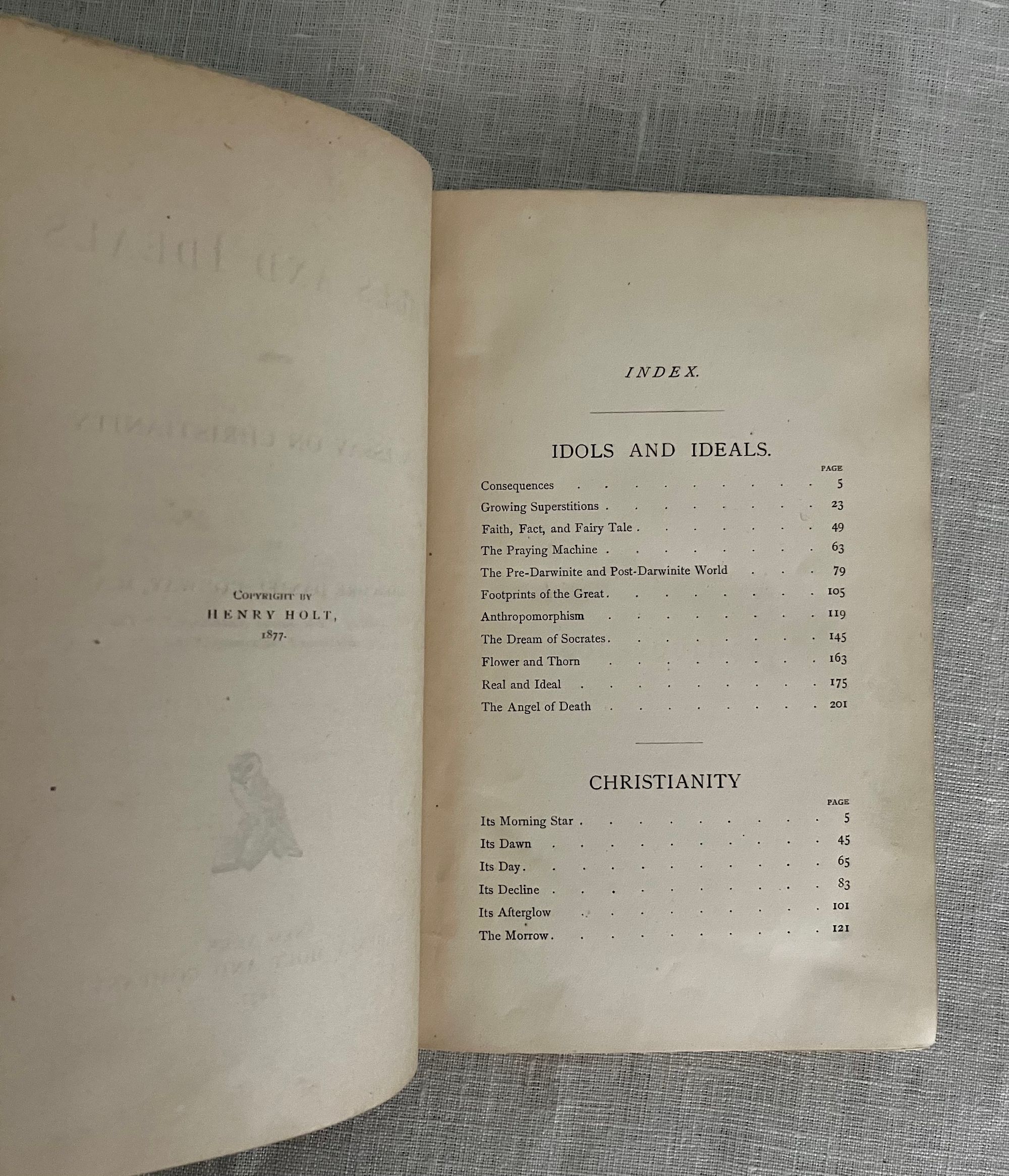
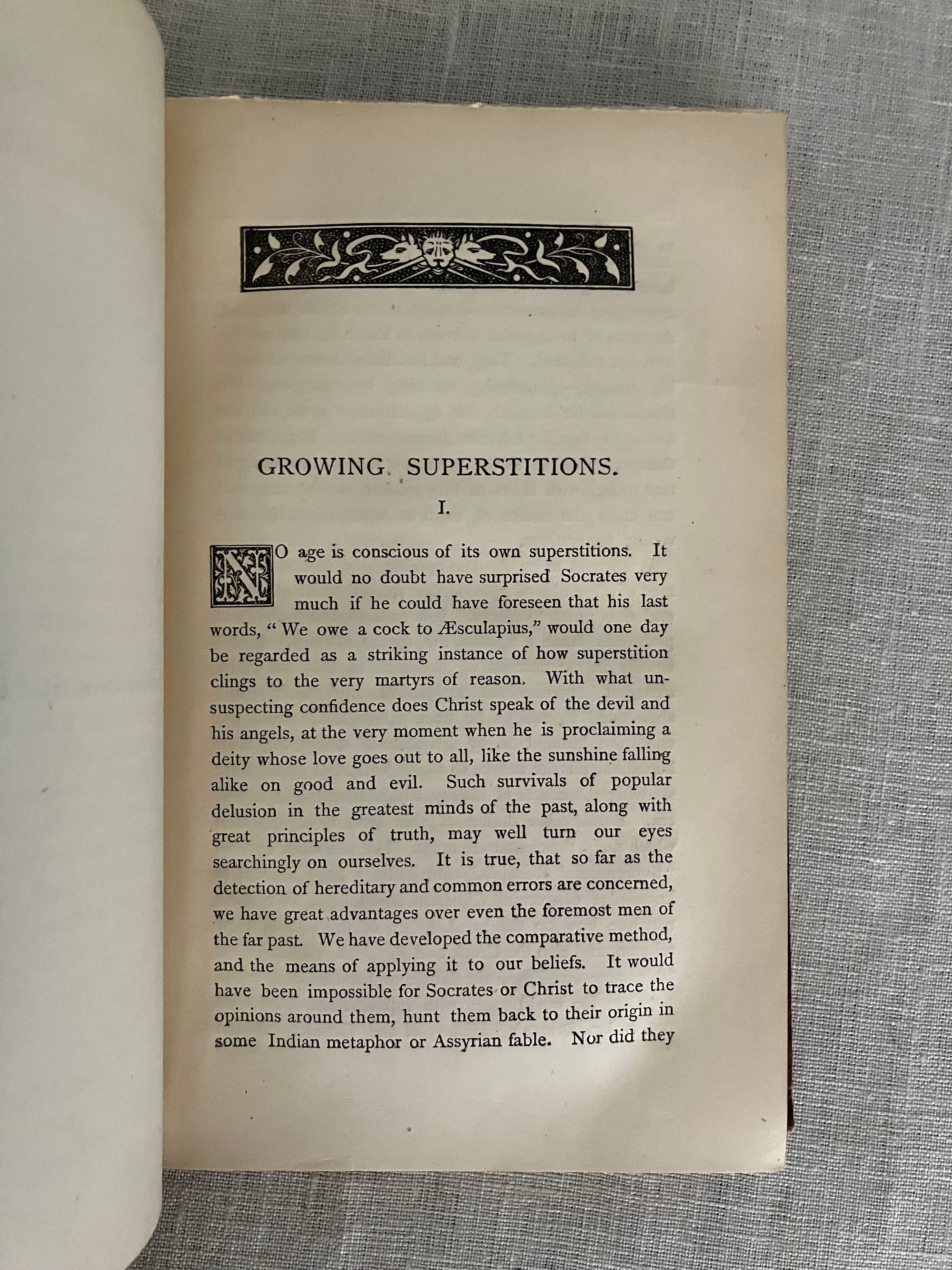
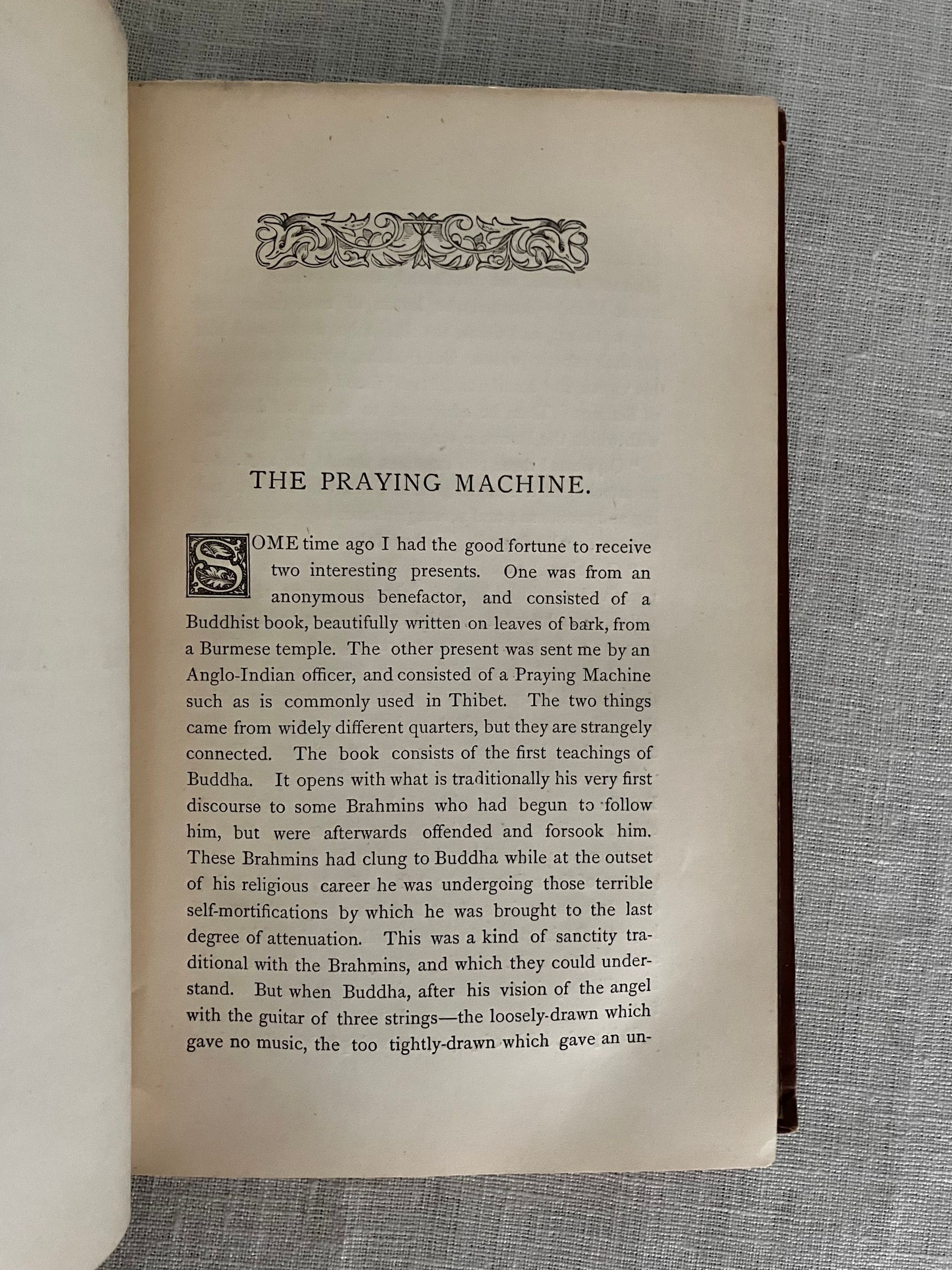
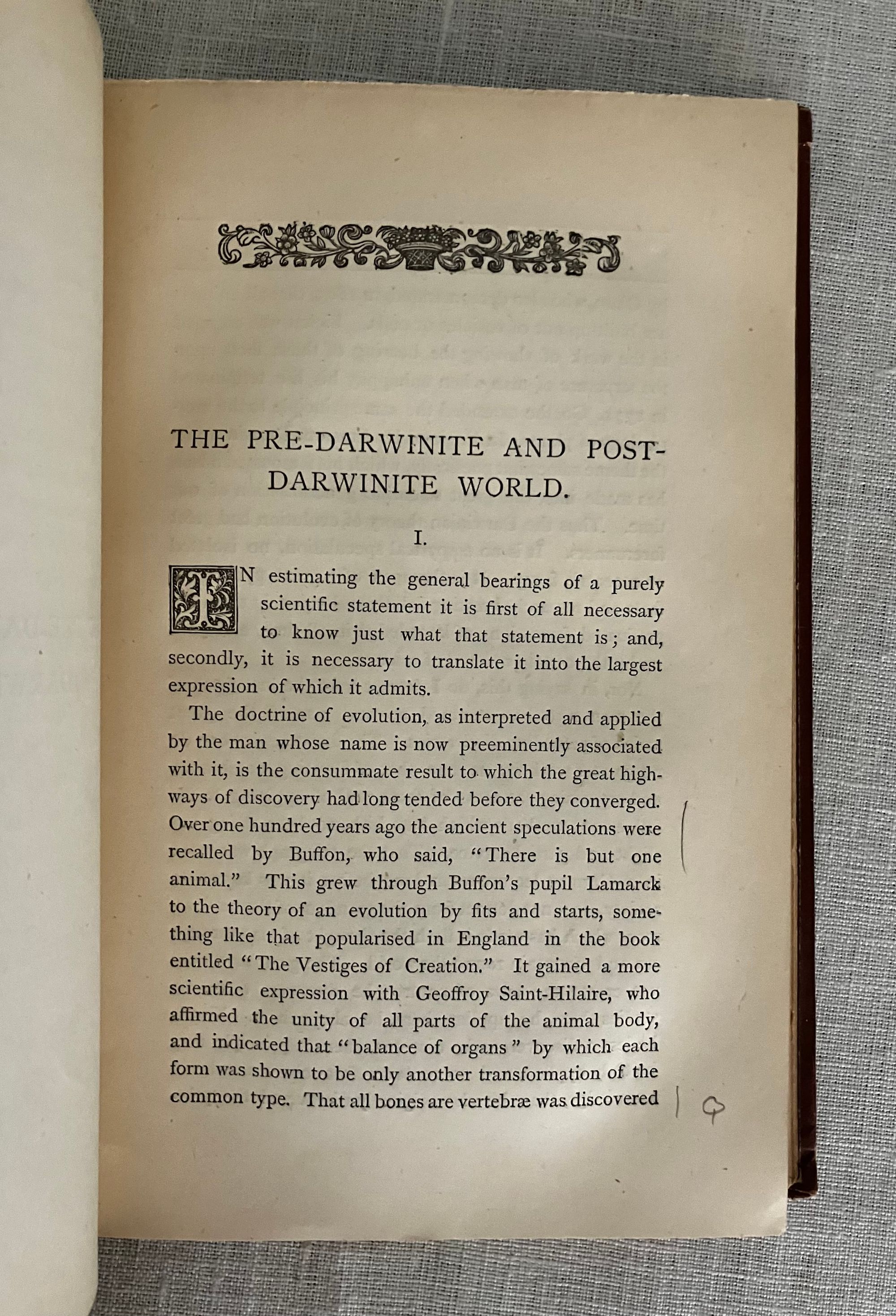
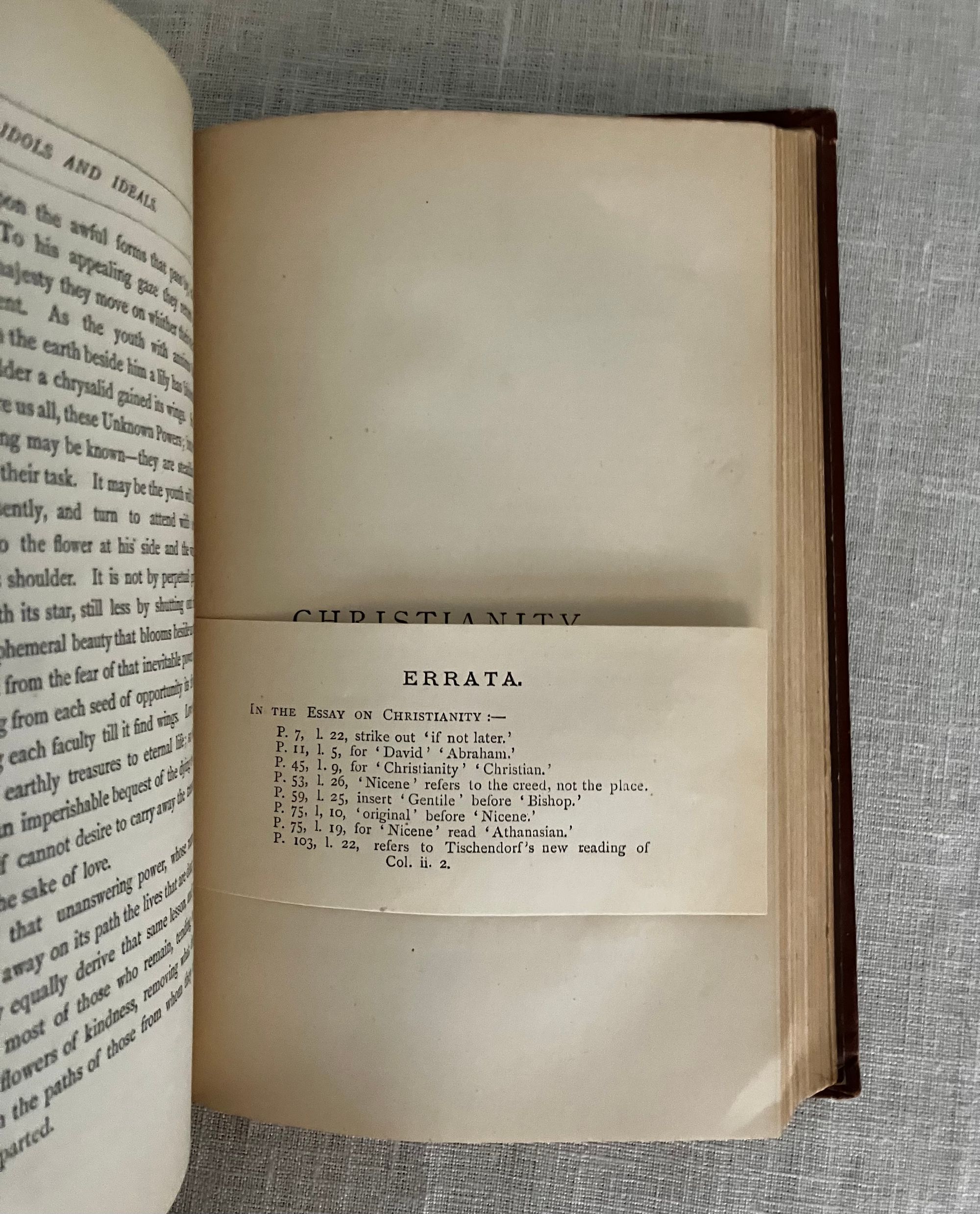
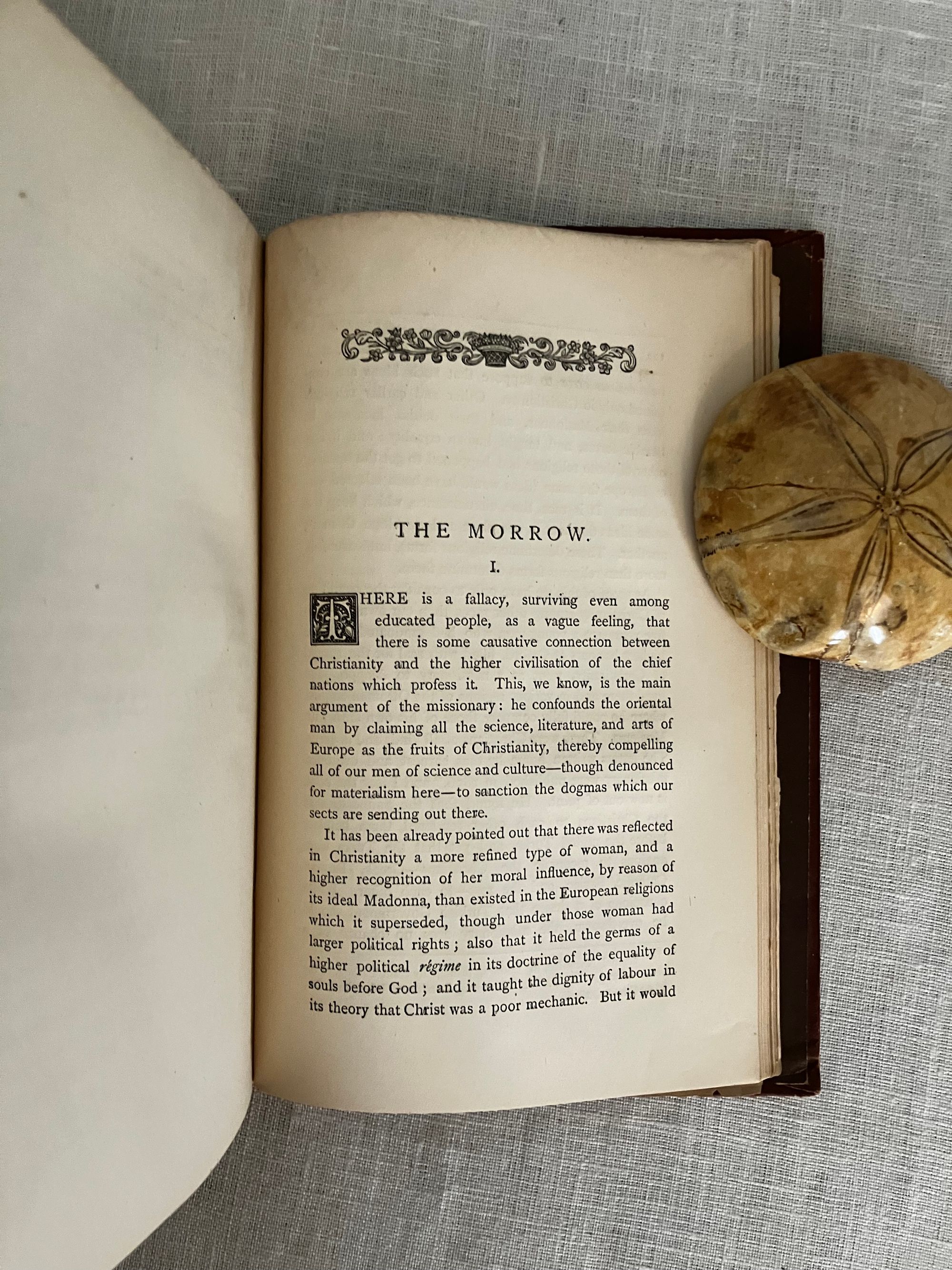
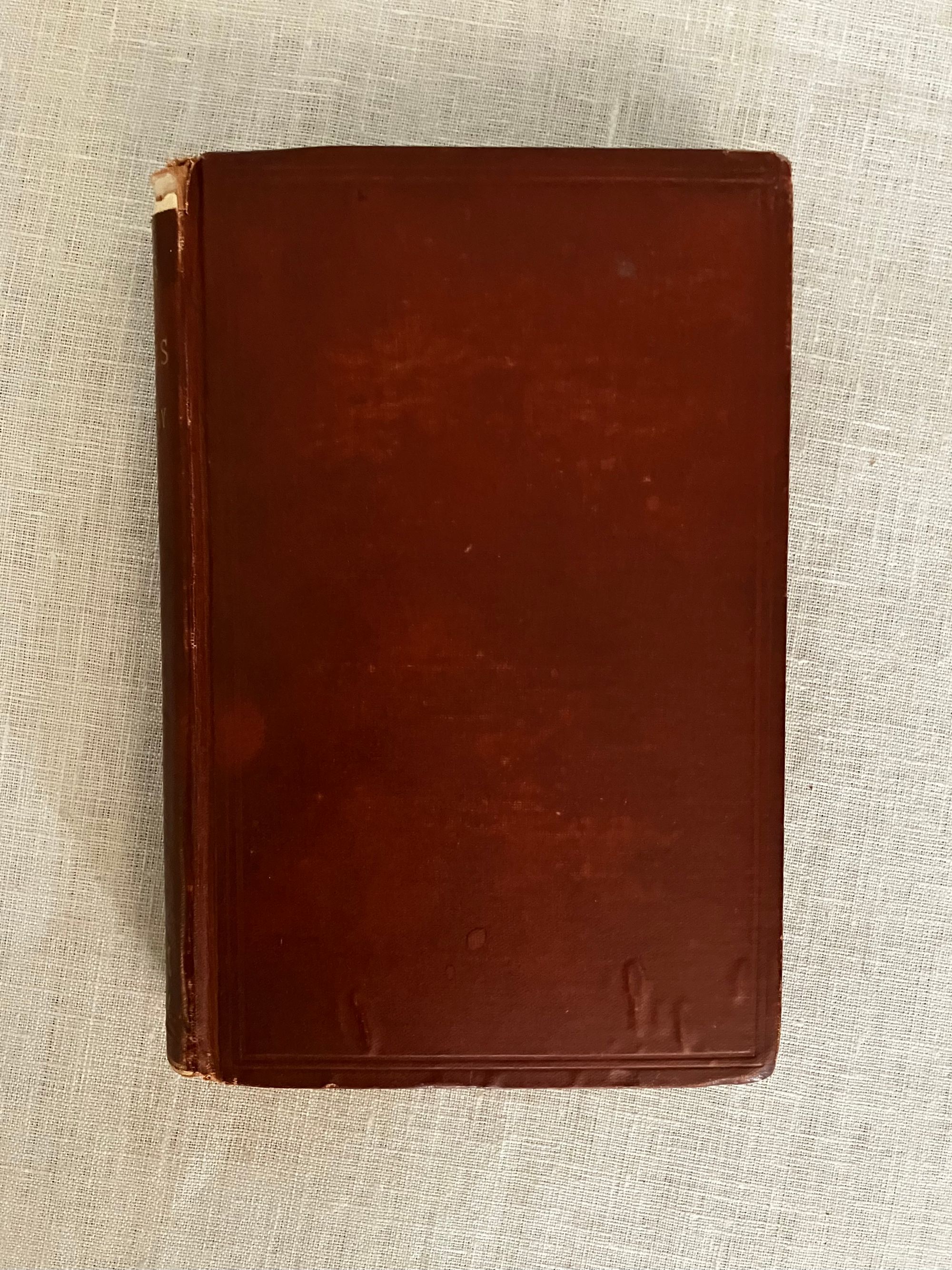


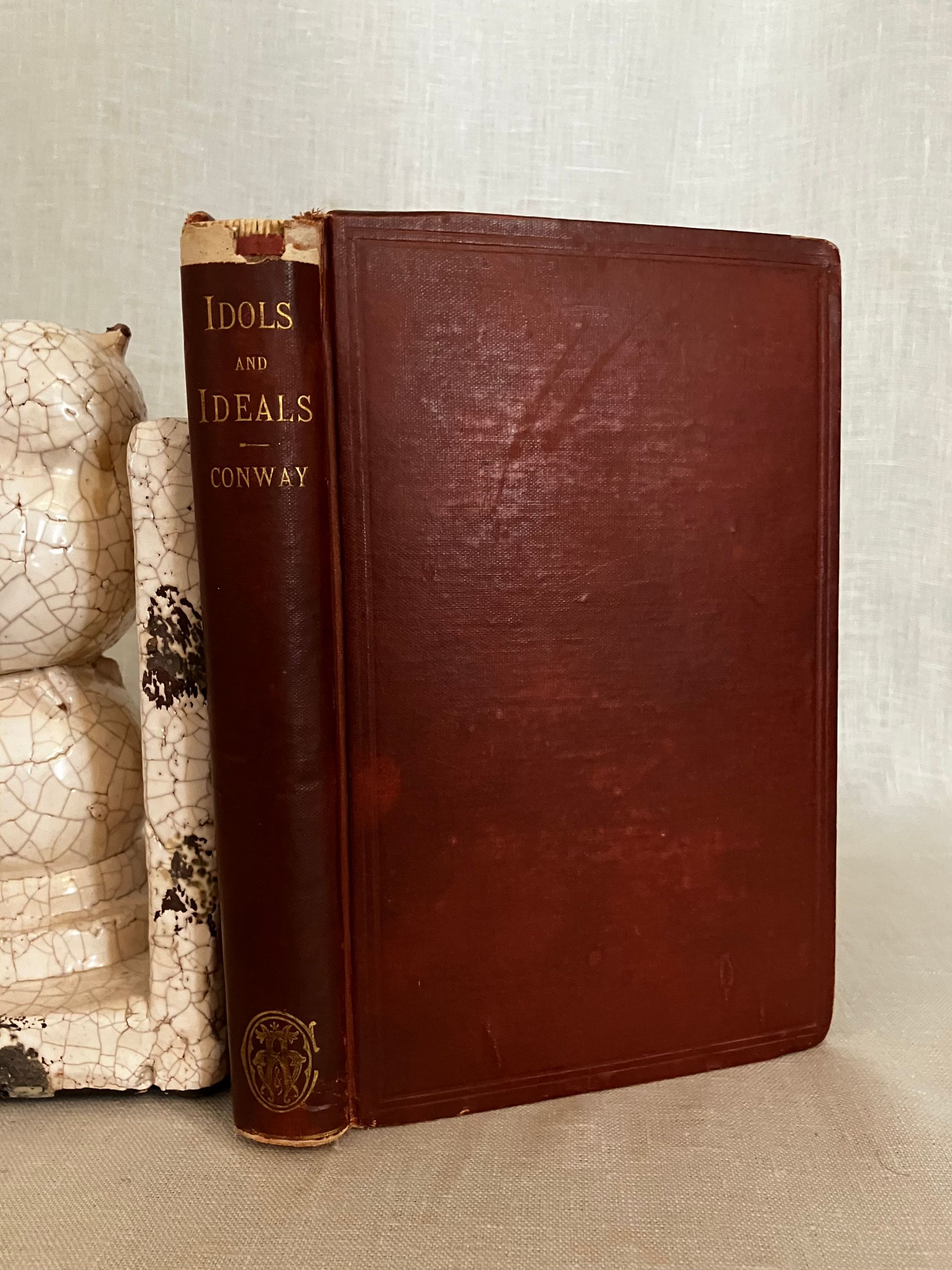
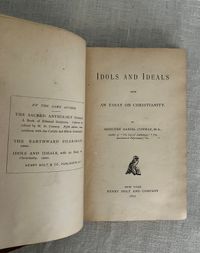
Hard cover, 12mo, in red cloth with a double ruled border stamped in blind, titles blocked in gold to spine with publisher's oval logo at foot, chocolate brown endpapers, 137pp. CONDITION: Good. Both hinges are broken, quarter inch loss to head of spine. Some bubbling at bottom margin of top board. Name clipped from top edge ffep., also with notation dated 1940. Extensive penciled notation throughout (which is in fact helpful in a Socratic-questioning way.) Fragile, but still remains useable. ** American Methodist minister, abolitionist and second-wave Transcendentalist, MONCURE DANIEL CONWAY (1832-1907) was born in Virginia to a Confederate family. Education in the North at the Harvard School of Divinity, and meeting his wife, also an abolitionist, apparently led Conway along the path toward more liberal attitudes, which included the influence of Boston-area abolitionist and transcendentalist thinkers Ralph Waldo Emerson, the Rev. Theodore Parker, William Lloyd Garrison, and Elizabeth Cady Stanton, among others. A circuit -riding Methodist minister in the 1850's, Conway also briefly studied law. **The Author discusses, in a series of outspoken essays, the evolving role of Christian religious thought as antithetical to questions of democratic, rational thinking about matters of the spirit, science, and natural laws of social justice. The work is a cogent synthesis of philosophical "Freethinking" which gained speed out of the chaos and inequalities of post-Civil War American society. He characterizes the "superstitions" around the Christian religion in which the pantheon of once-vengeful gods of ancient Greece were recast as vengeful, intimidating purveyors of fear and shame, citing examples such as the Inquisition, medieval and later Romantic notions of the horrible "gothic, " as divine retribution in action. He recognizes that literature and art were becoming increasingly secular in nature, and that "men of science" demand the same; Darwinism in particular is discussed in this regard. The rise of American Spiritualism is put into an interesting context. His final essay promotes understanding of world religious thought and respect for non-Christian traditions as necessary as a Christian, as opposed to the thoughts of the Oxford Movement's John Henry Newman. Rare. Title not seen among the 13 Sabin Americana lists by this author (Vol. IV, 1929). (AMJ)
Ref: Tran 9751
$385.00