 |
 |
 |
 |
 |
 |
 |
 |
 |
 |
 |
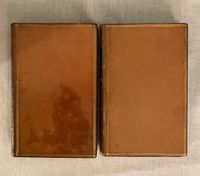 |
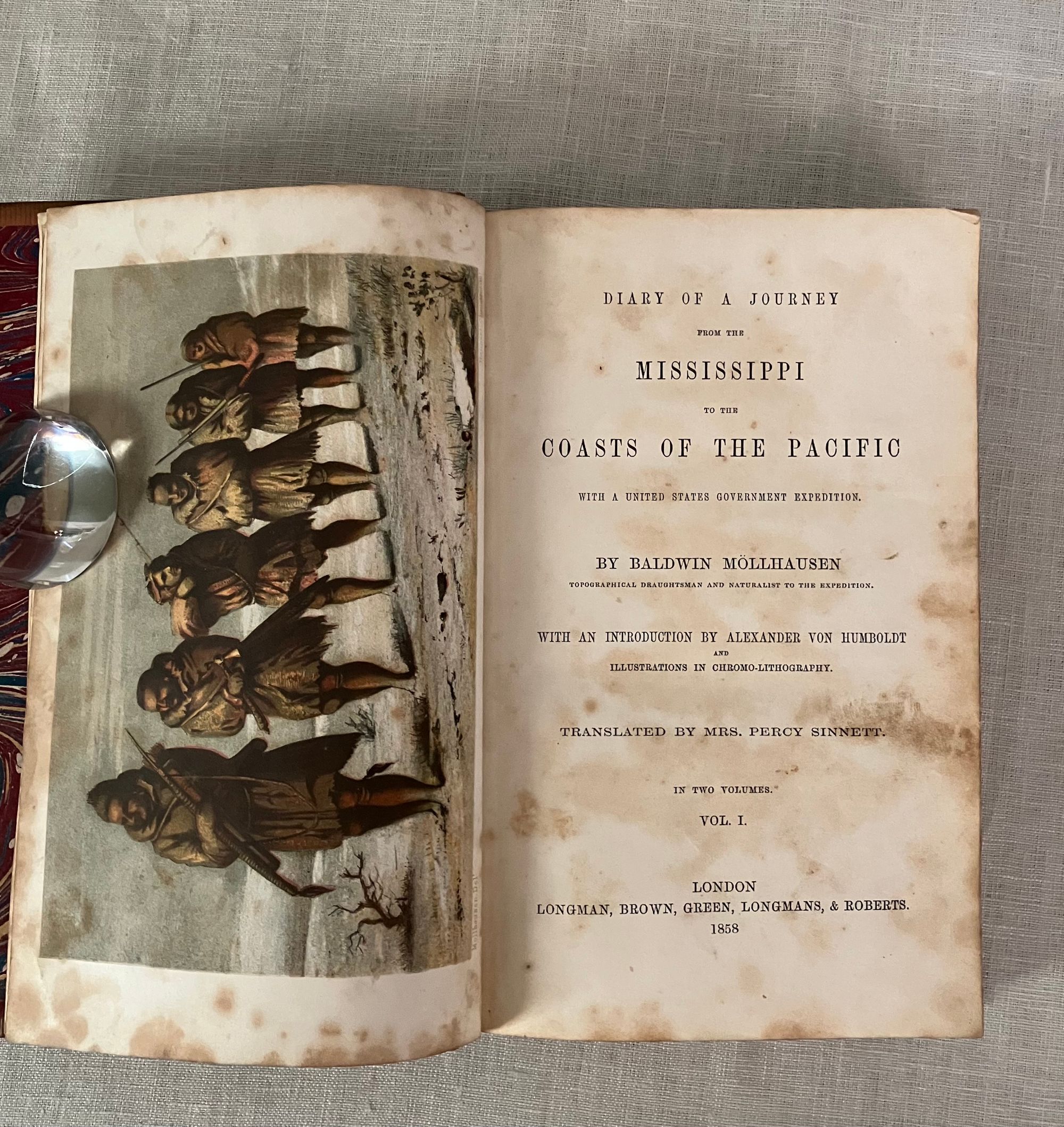
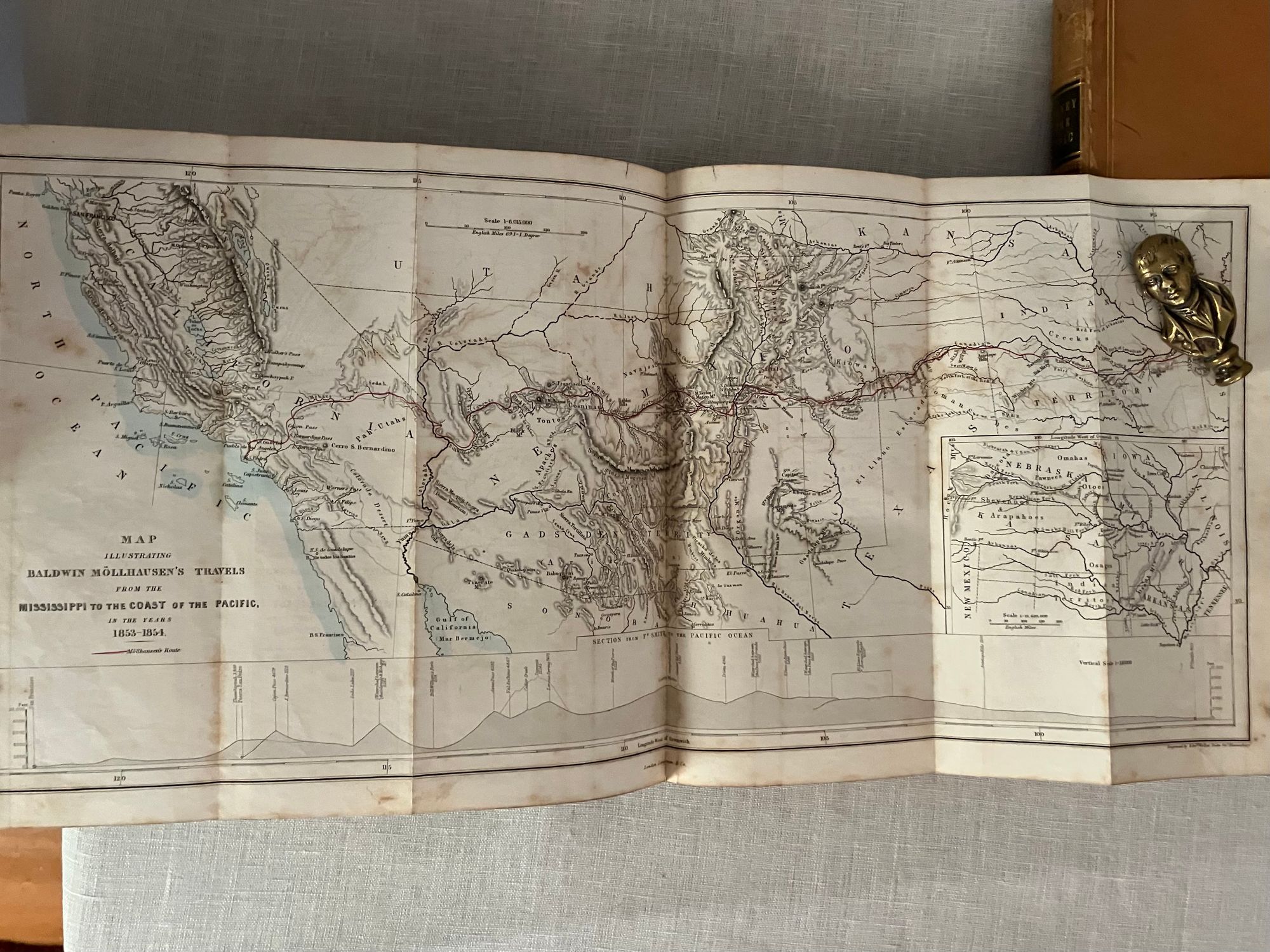
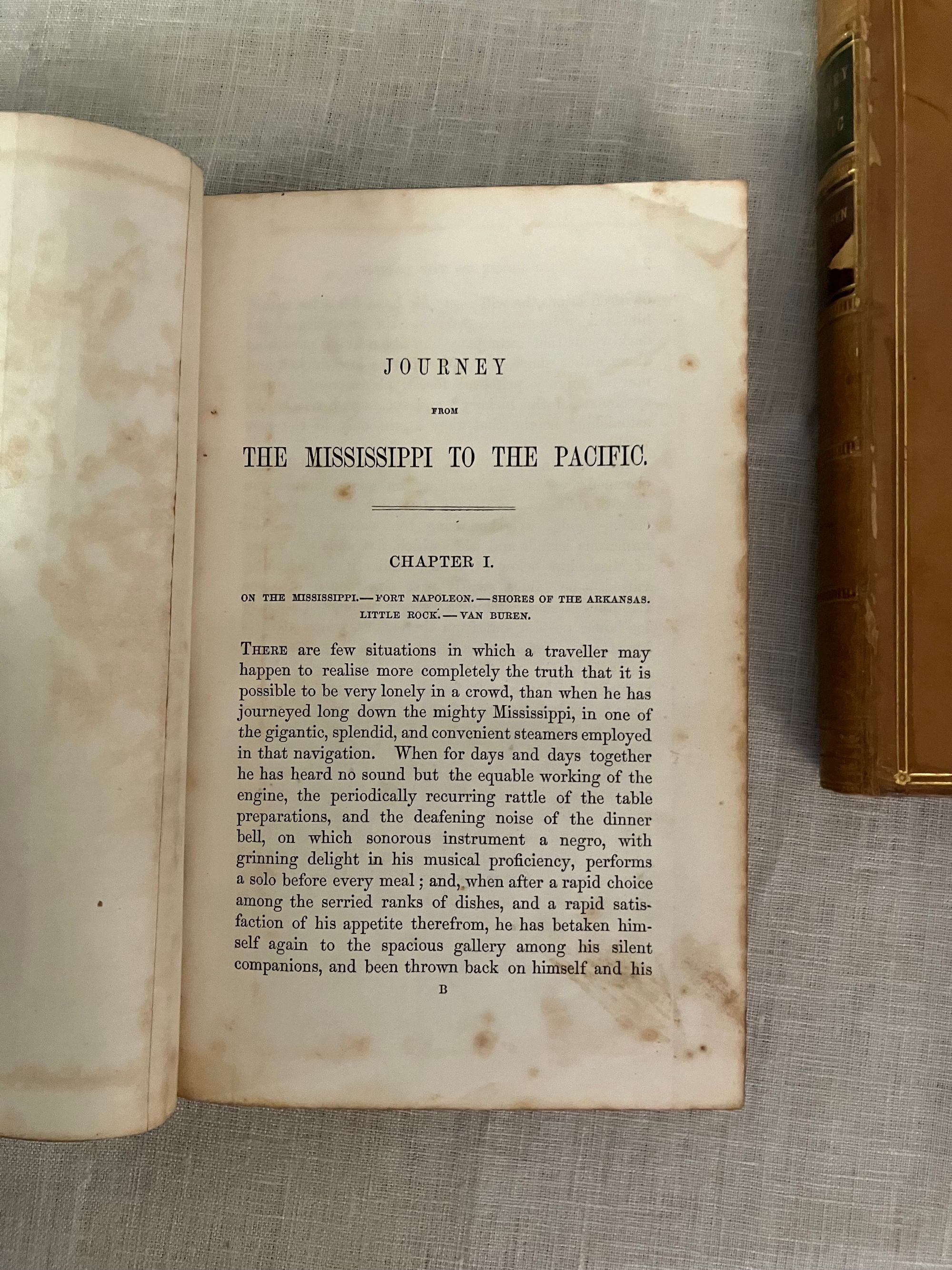
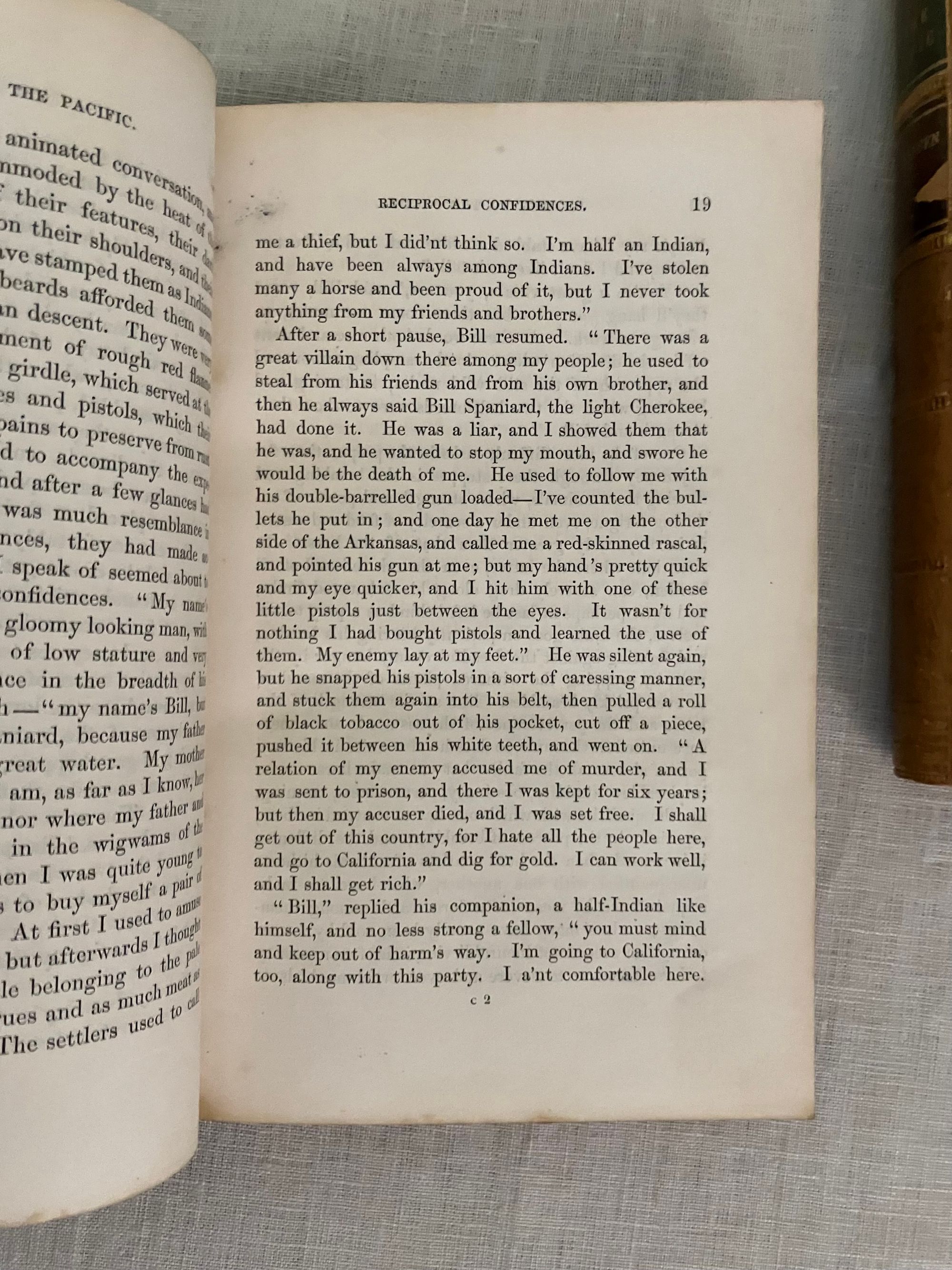
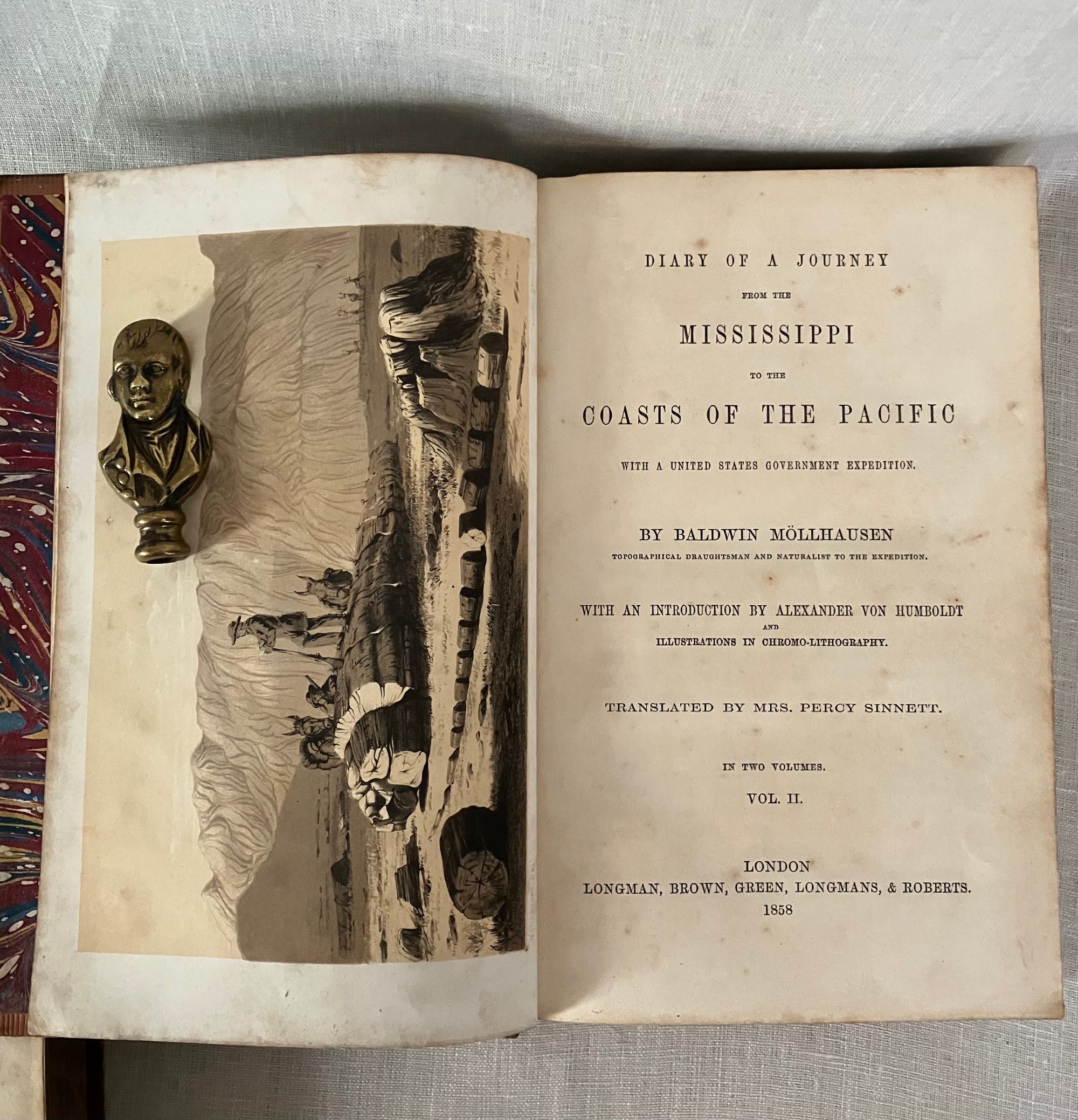
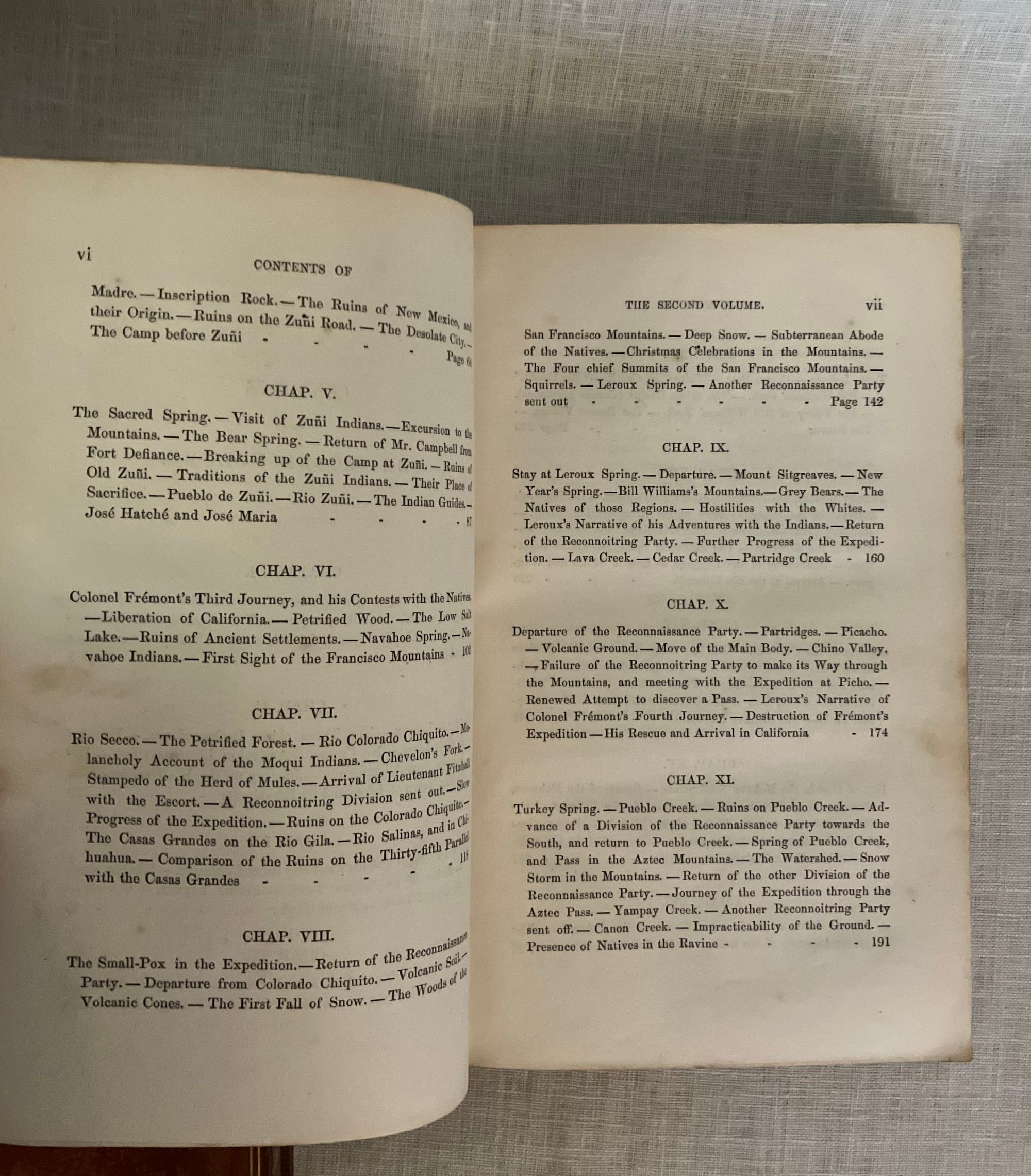
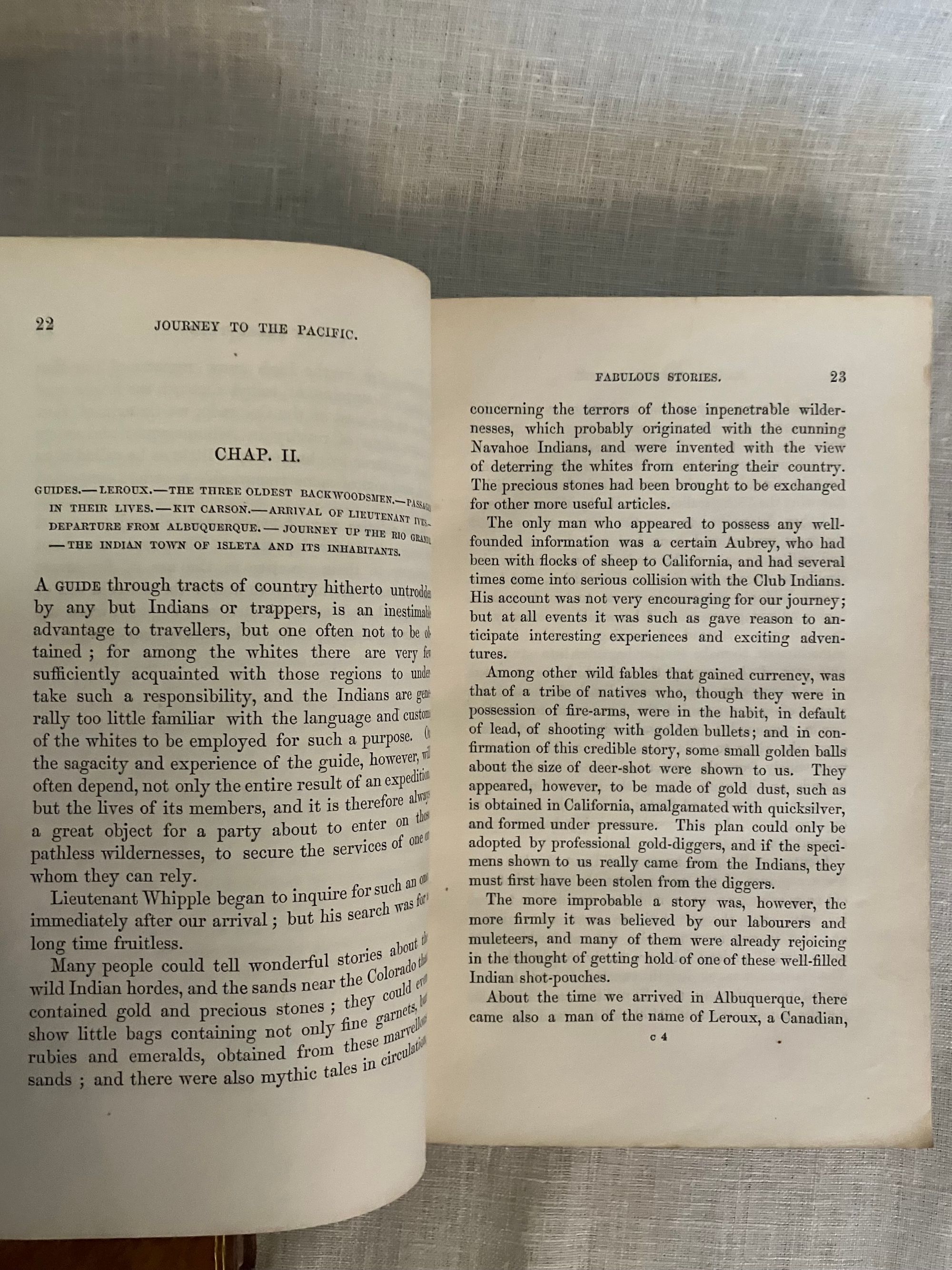
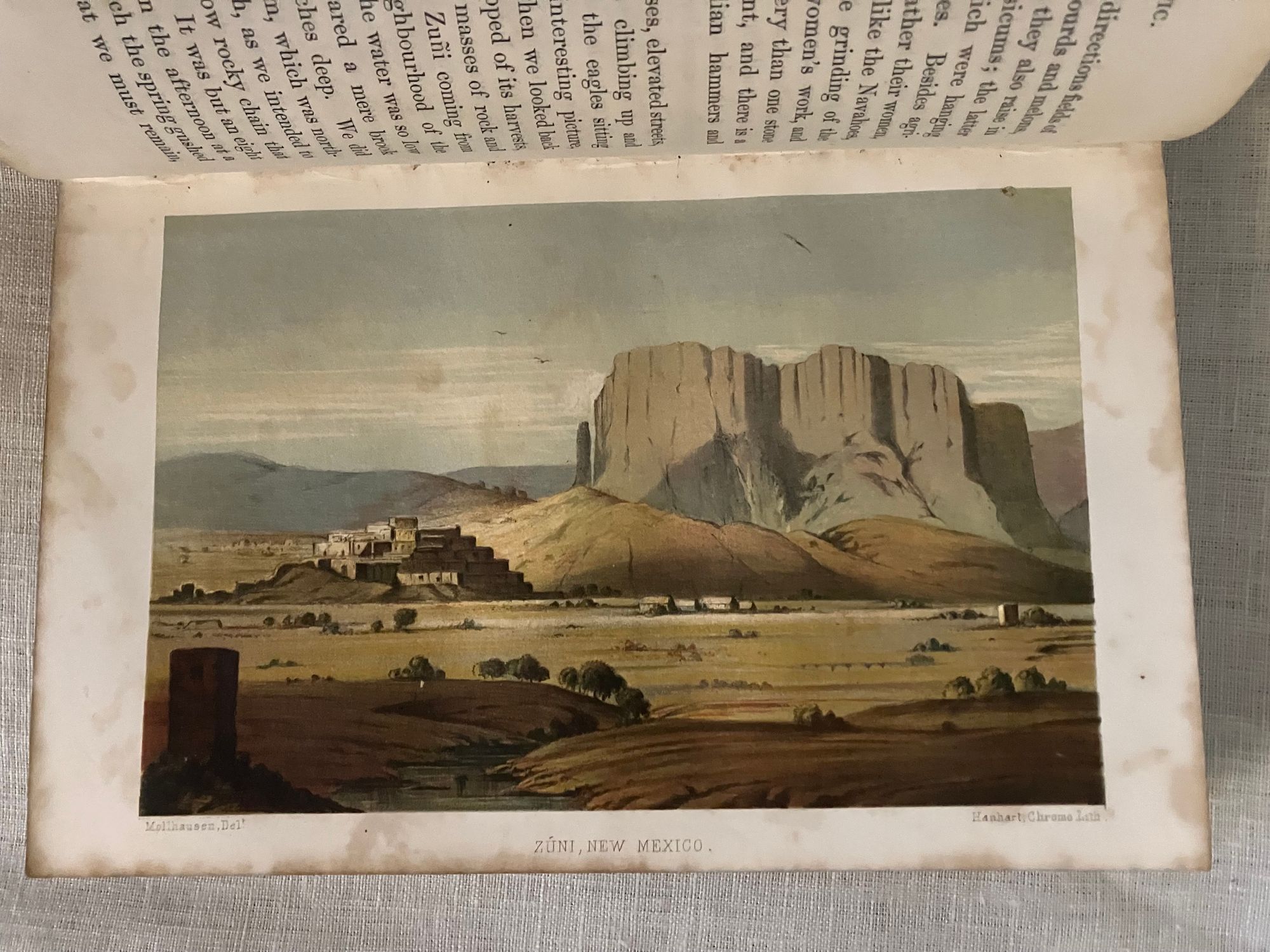
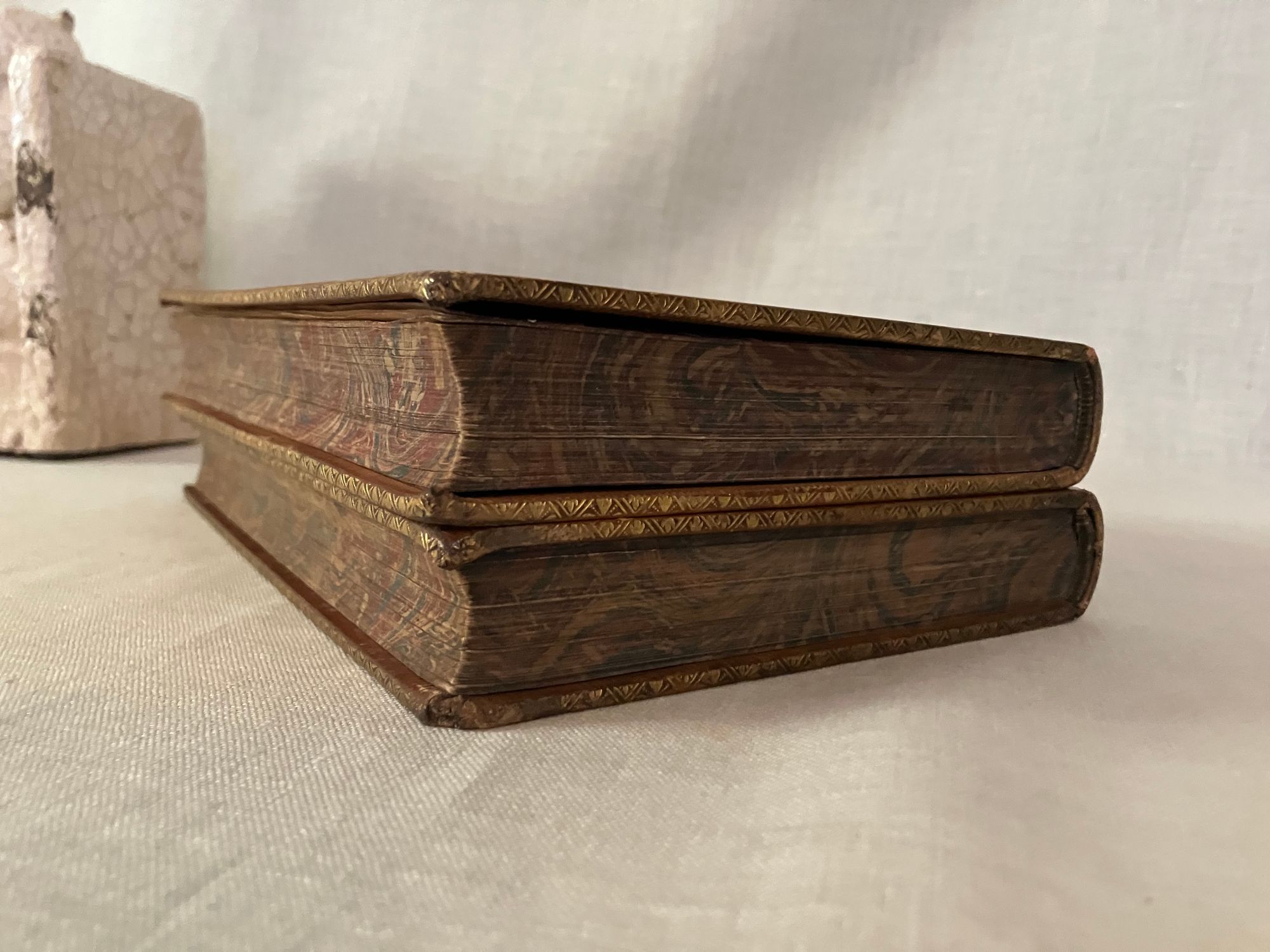
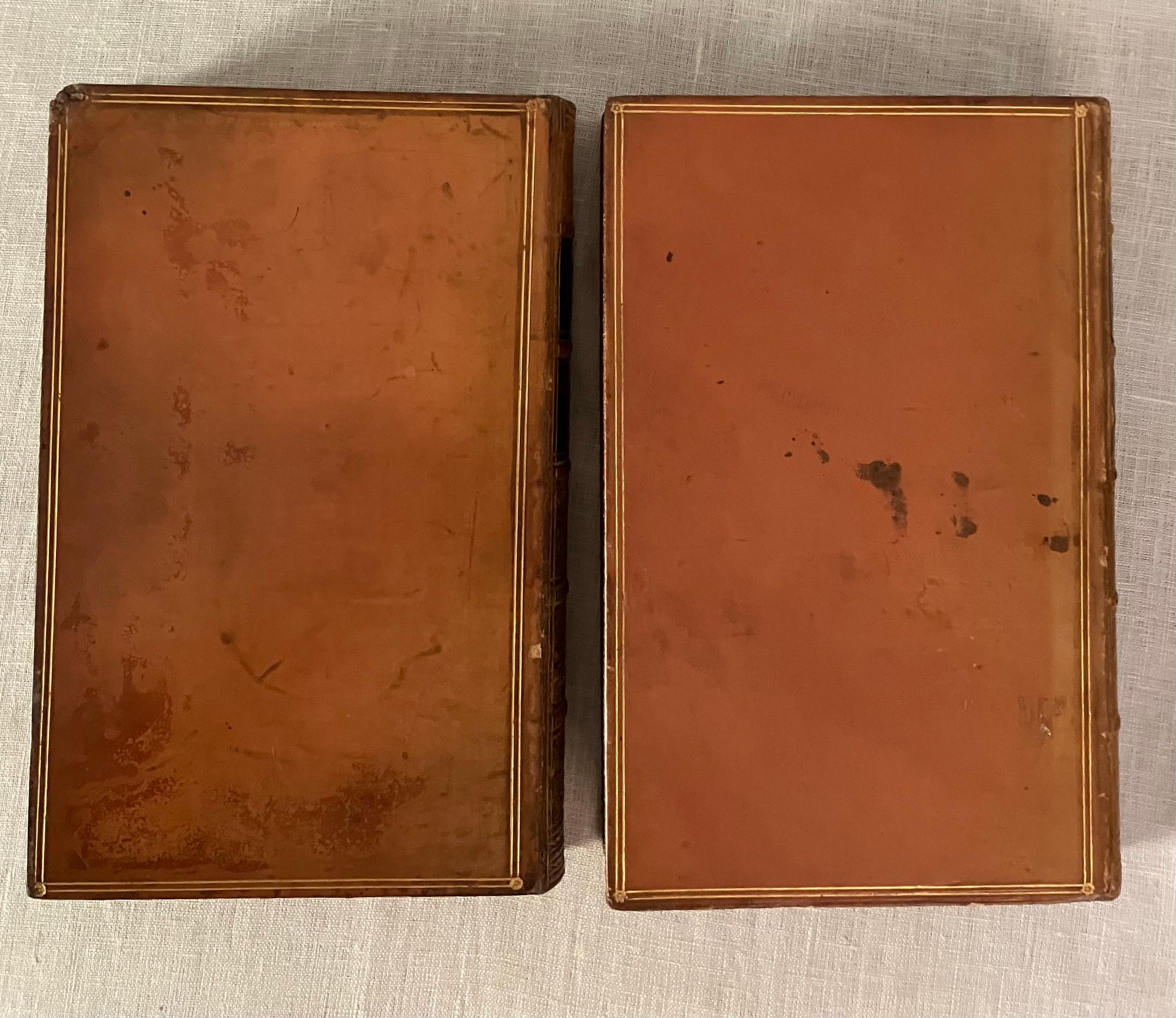
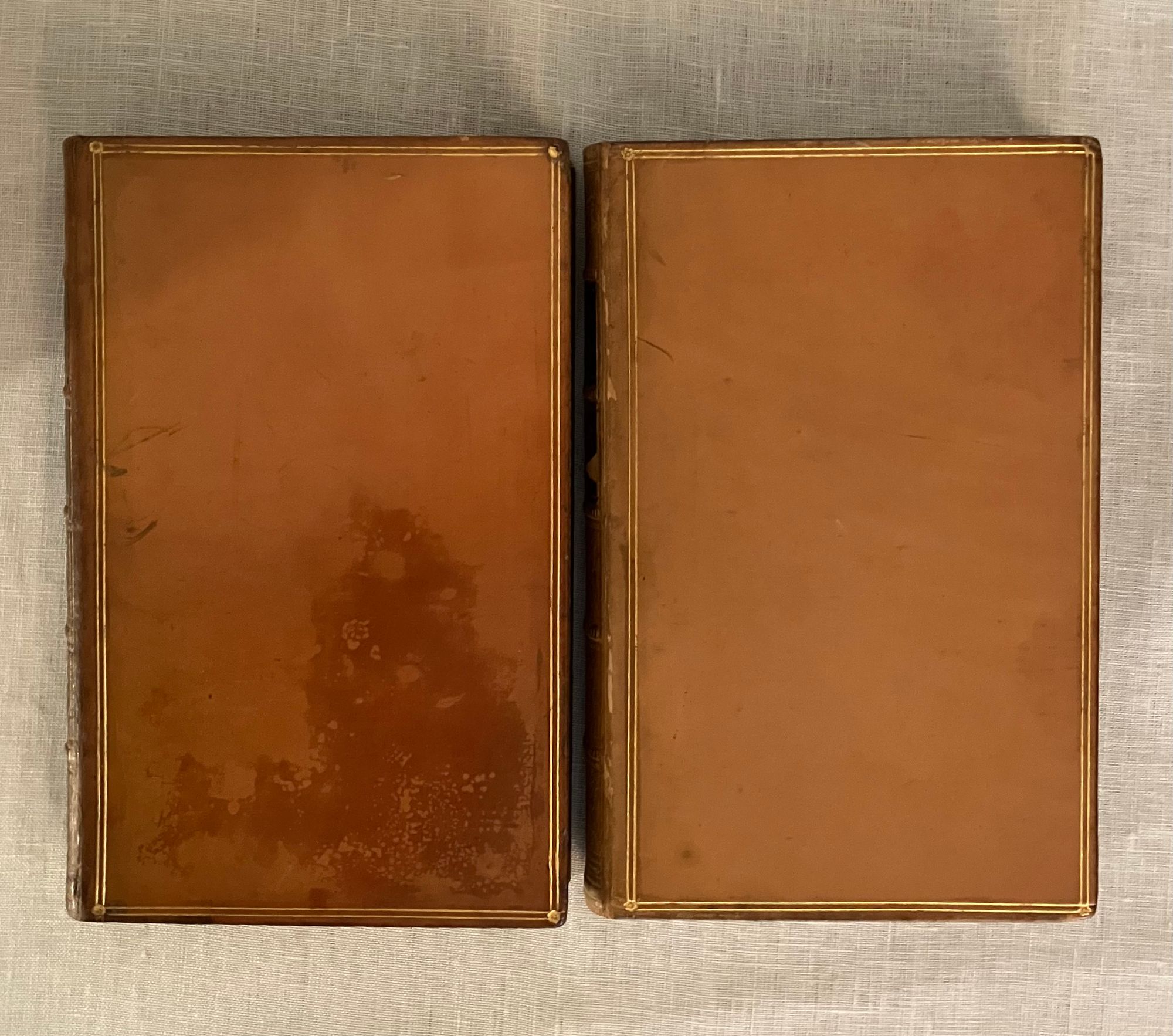
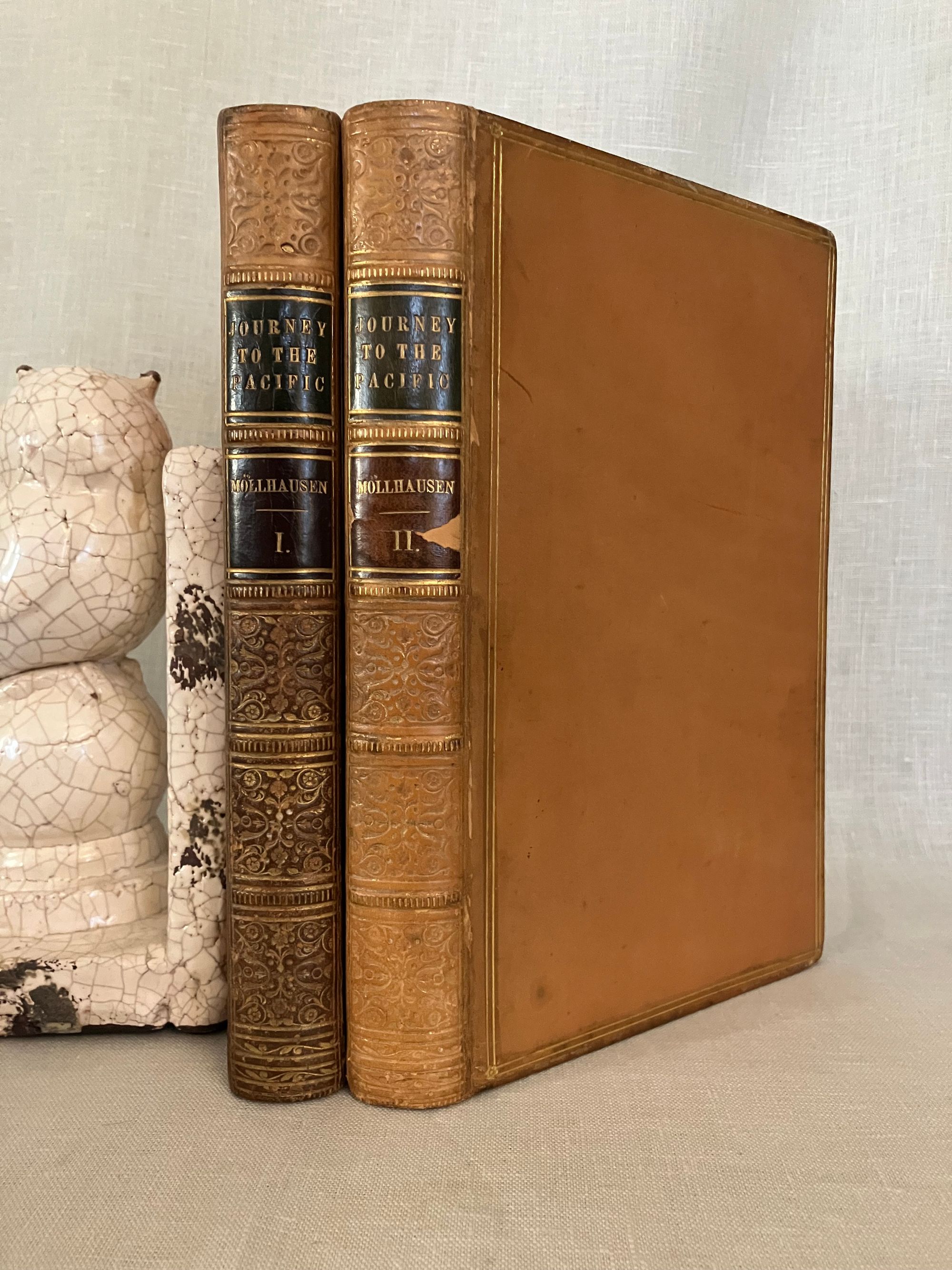
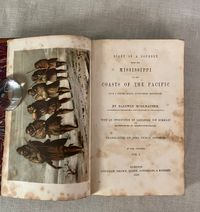
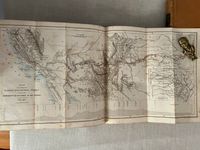
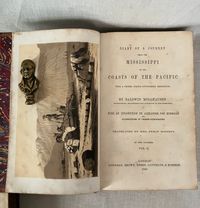
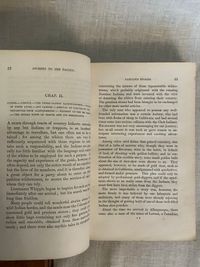
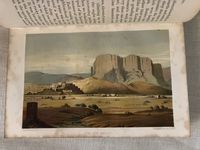
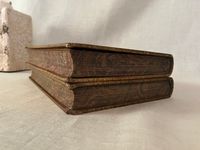
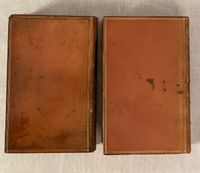
First edition. Hard cover, 8vo, rebound in contemporary full calf, the boards ruled in gilt with a small flower tooled at each corner. The spine with five raised bands accented with a shilling roll, neoclassical tooling to the compartments and onlaid black gilt title labels. Board edges are gilt. Text block edges marbled to match the glazed marbled endpapers. xxx, 352pp. and x, 397pp. **CONDITION: Very Good. Structurally sound and square with joints and hinges in order. Exterior boards have stains, soiling and some discoloration to finish, especially to front and rear board Vol. I and rear board Vol II. Gilt to compartments of the spine has worn extensively although titles are still bright, as seen. Some loss and uneven color to title label Vol. II. Shelfwear lower edge. One worn corner rear top of Vol. 1. Many of the plates are foxed at margins especially, and one has a small rubbed imperfection at center. Nonetheless, a lived-in and worthy tome perhaps enjoyed onboard the original owner's shipboard travels (see below.) **HEINRICH BALDUIN [misspelled Baldwin, here] MÖLLHAUSEN (1825-1905), Prussian soldier, watercolor artist, adventurer and, later, novelist of the American West of the 1850's, wrote this work while on the mule trail as "topographer or draughtsman" to A.W. Whipple's 1853 "Southern Expedition," moving west along the 35th parallel as a potential route for the transcontinental railroad. Möllhausen was also serving as representative of The Smithsonian Institution's Natural History Collection, "which department has been entrusted to me." (p. ix) Reports from this, as well as two simultaneous, more northerly expeditions, were submitted to Washington for analysis. The traveling party included geologists, botanists, naturalists, a doctor, and astronomical recorders, laborers, supplies and a sizable military escort. They departed from Fort Smith at the mouth of the Arkansas River, traveling by land along the course of the Canadian River, through the New Mexican territory, to the Pacific Coast, ending at San Pedro, the former mission settlement north of San Diego **CONTENTS: VOLUME I has a frontispiece chromolithograph of the author's watercolor titled "Wa-Ki-Ta-Mo-Ne Hunting Party of Ottoe Warriors," a large foldout map of geological and tribal demarcations, plus 5 additional full-paged chromolithographed plates of ethnographic or landscape scenes, and one smaller woodblock engraving within the text, and takes the journey from Fort Smith, AK through to Albuquerque, NM, where the expedition overwinters and preparations of their scientific reports are made for a number of weeks. Interactions with peaceful, eastern tribal groups, including the Choctaw, Shawnee, Creek, Ottoe, Delaware, Wackow, Witchita people (and others) are described. An abstract of scientific observations is included. VOLUME II has frontis chromolithograph of "The Petrified Forest in the Valley of the Rio Seco," an additional four color plates, and 11 woodcut engravings. The expedition continues through the Rocky mountainous regions toward the coast in Volume II, requiring time-consuming astronomical and geological measurements. Notable characters met include legendary backwoodsman and guide Leroux, Kit Carson, the warlike Apache and Navaho, and stories of kidnap and other malfeasance by a variety of "wild west" gold-induced brigands.**Möllhausen's descriptive powers and storytelling of life on the trail, taken altogether, form an action-packed, fact-filled illustrated social history of the mid-nineteenth century America, challenging later racial stereotypes of dime novel Indians and cowboys with first-hand experience of unique and complex cultures of the tribes he writes about. In this he is influenced by his fellow Prussian countryman and mentor, the Author of the Introduction, ALEXANDER VON HUMBOLDT (1769-1859). Von Humboldt's earlier experiences exploring artifacts of the Aztec and other advanced aboriginal cultures of South America in the very early nineteenth century help put into context the experience of North American tribal migrations, and the dislocations which saw many pushed off their lands in this period of rapid American expansion. He also attests to the personal qualities of Möllhausen which made him uniquely qualified to document the expedition, including his prior experience as an adventurous twenty-four year old in a self-organized trek through the western regions toward the Nebraska River in 1849: "He was independent and alone, but irresistibly urged onwards as is most frequently the case with active and energetic characters, by a thirst for the aspect of wild, free nature, and vast, untrodden regions." (p. xxi)**PROVENANCE: Pencil signature "C.H. Leycester March/62 " to ffeps. of both volumes, presumed to be Charles Hugh Leycester (b. 1847), a Welsh merchant mariner, later serving in the Royal Navy until 1867. "Leycester seems to have been based in Portsmouth, travelling (sic) from the port across to the Americas, on HMS Tribune, HMS Topaze, HMS Sutlej and HMS Bellerophon. The logbooks also contain a small number of sketches, presumably drawn by Leycester, of local scenes at Valparaiso, Esquinalt, and Mazatlan." (via digital holdings, Univ.of Manchester). J.R. Abbey (1998) JA4775, No. 661. (AMJ)
Ref: ADV 9732
$1250.00