 |
 |
 |
 |
 |
 |
 |
 |
 |
 |
 |
 |
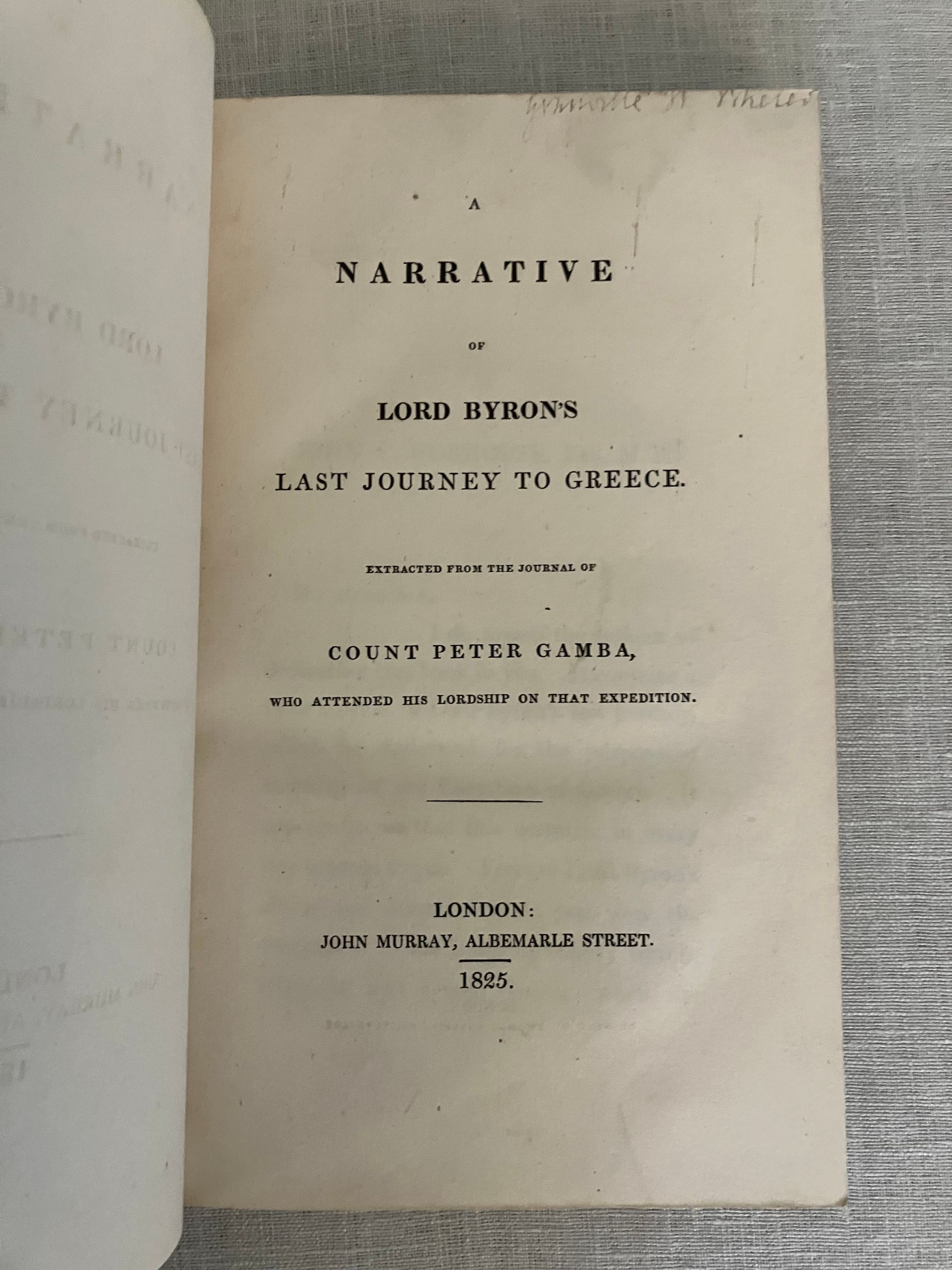
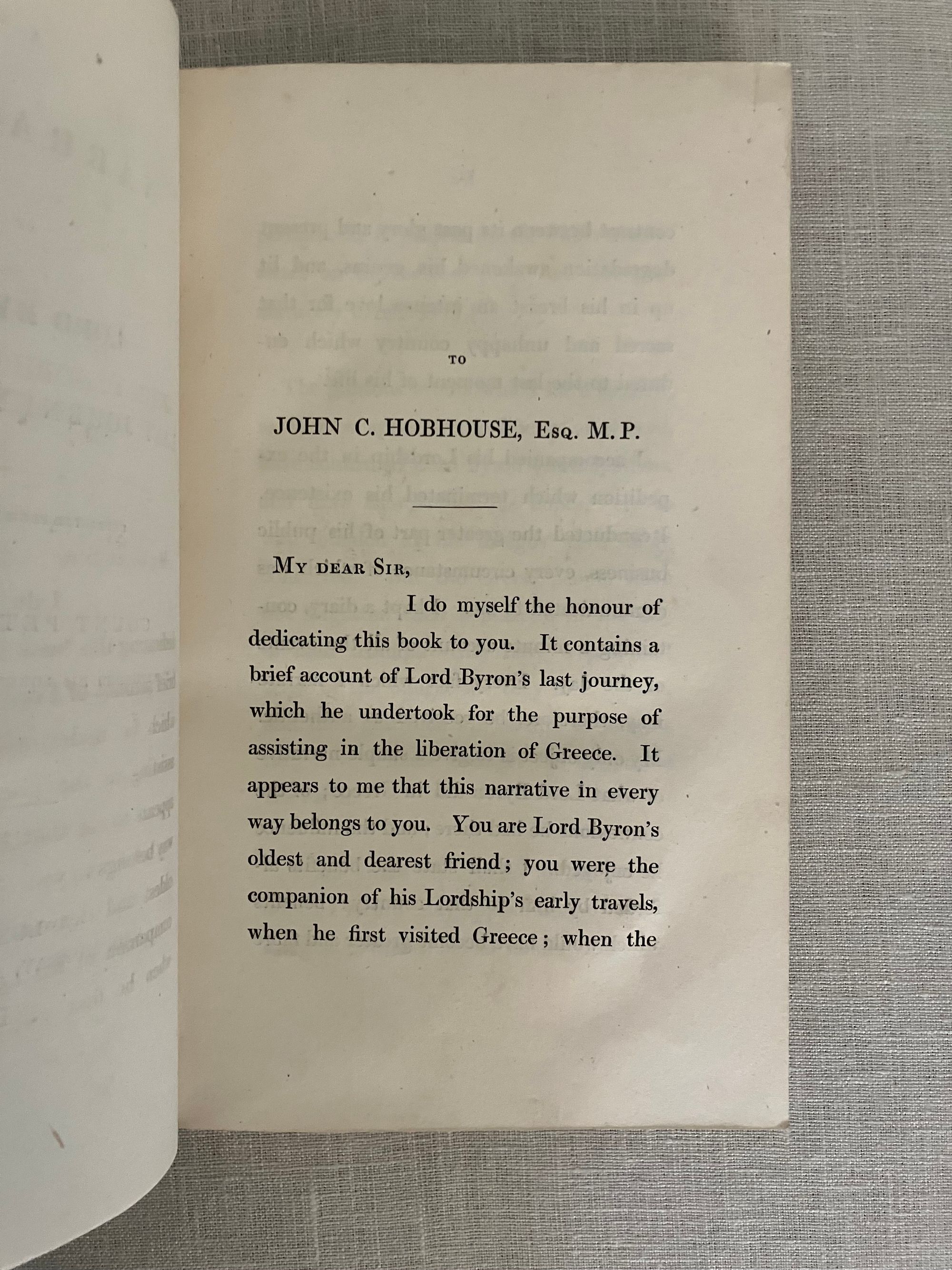
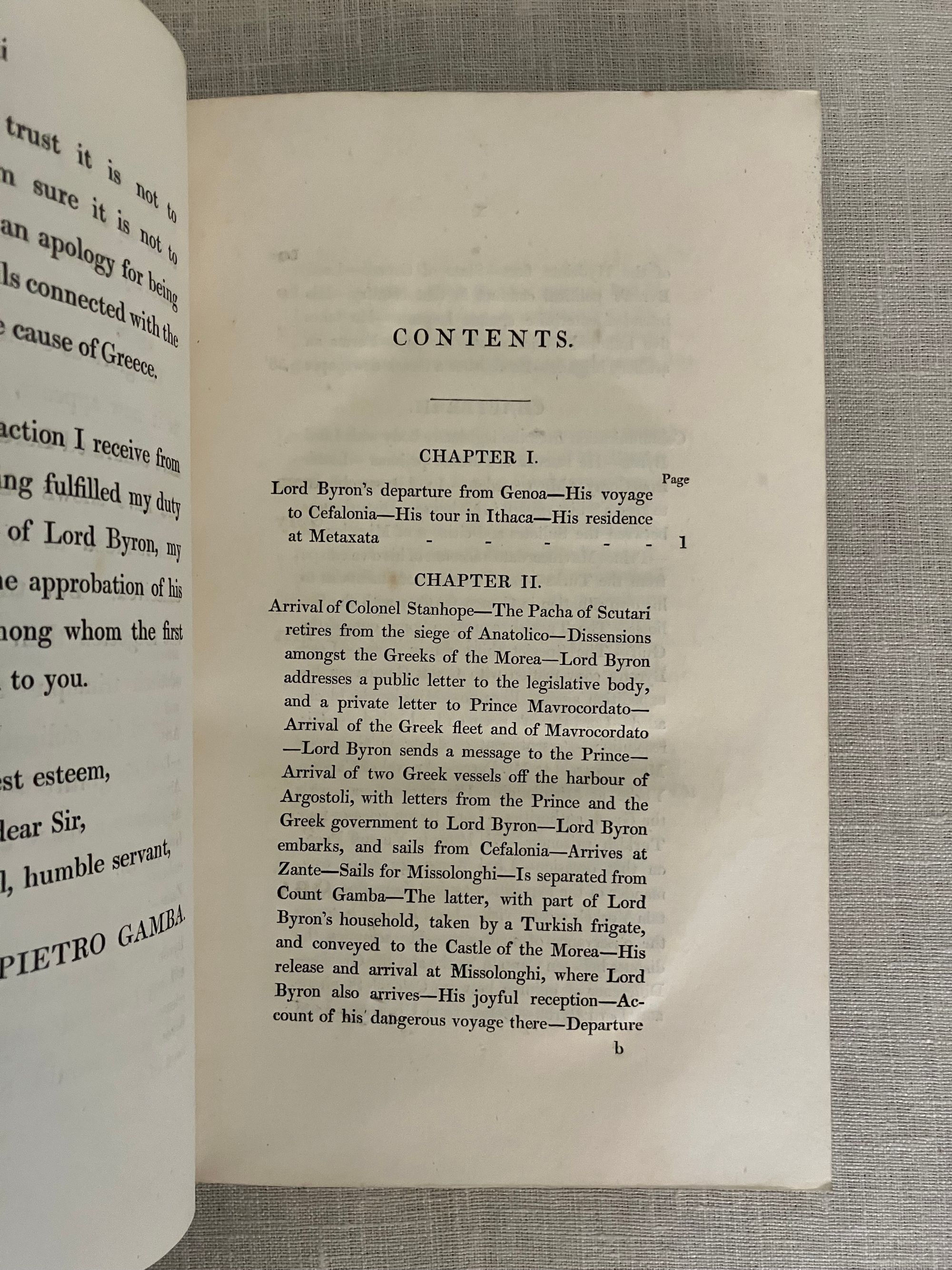
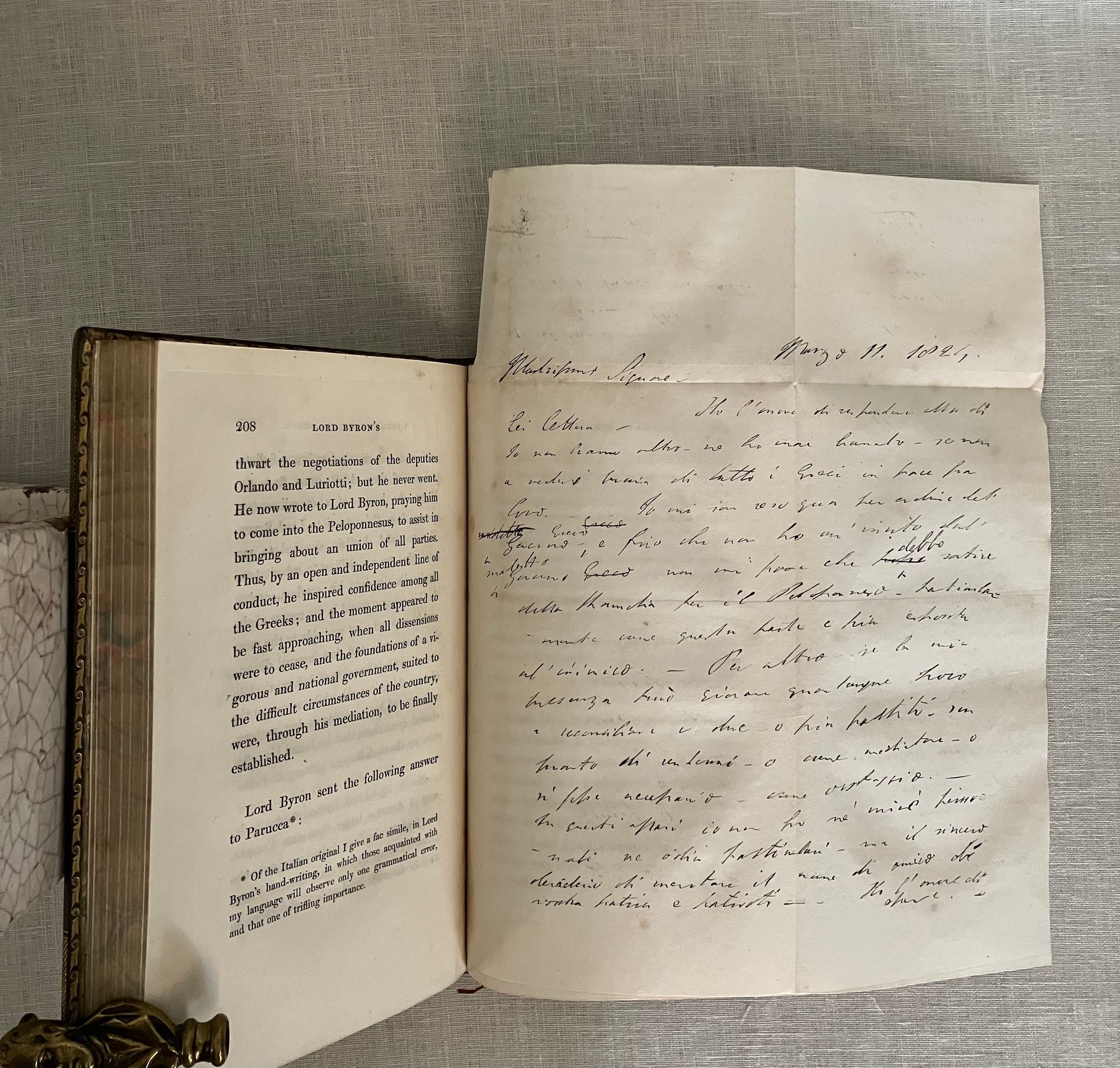
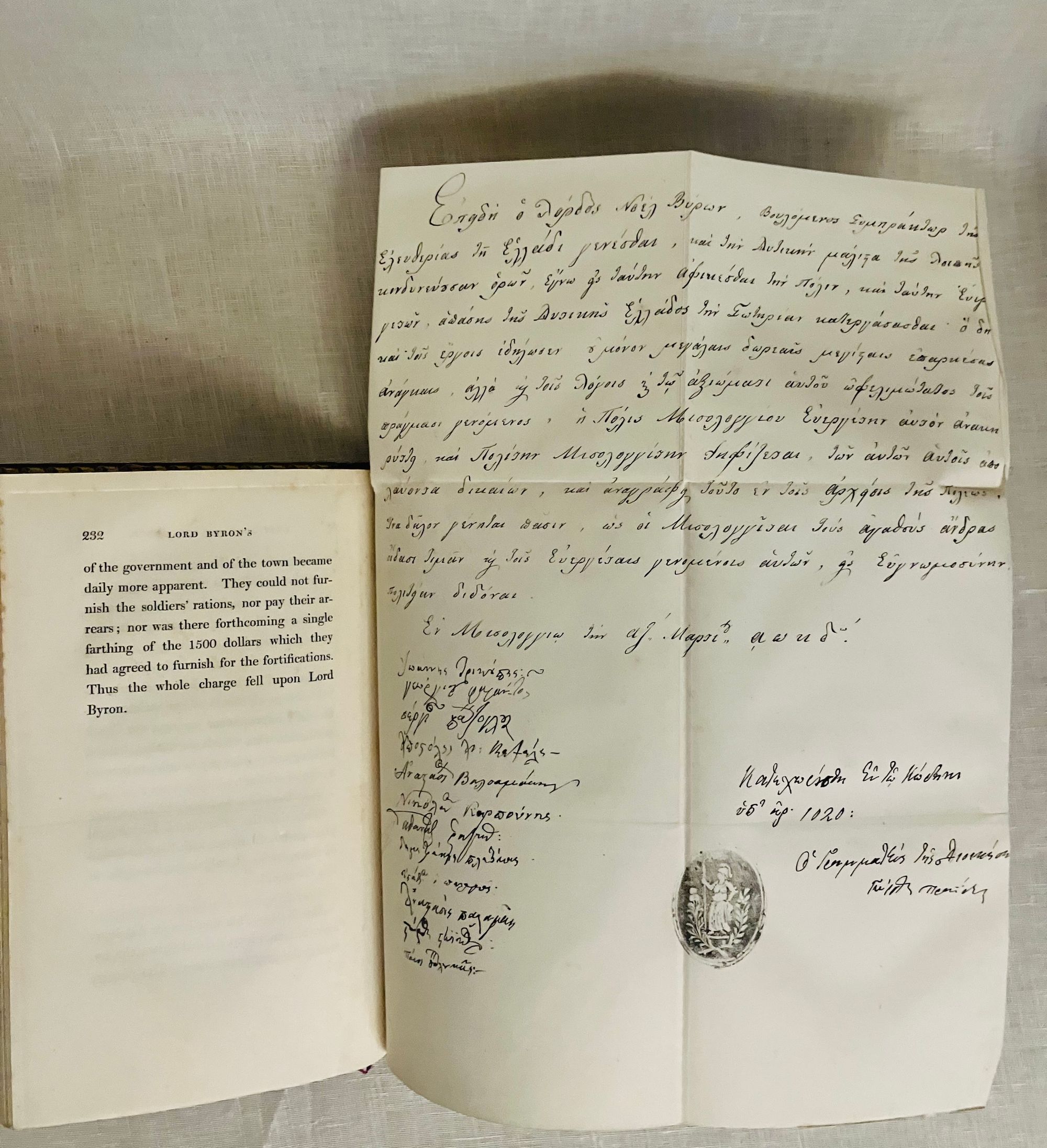
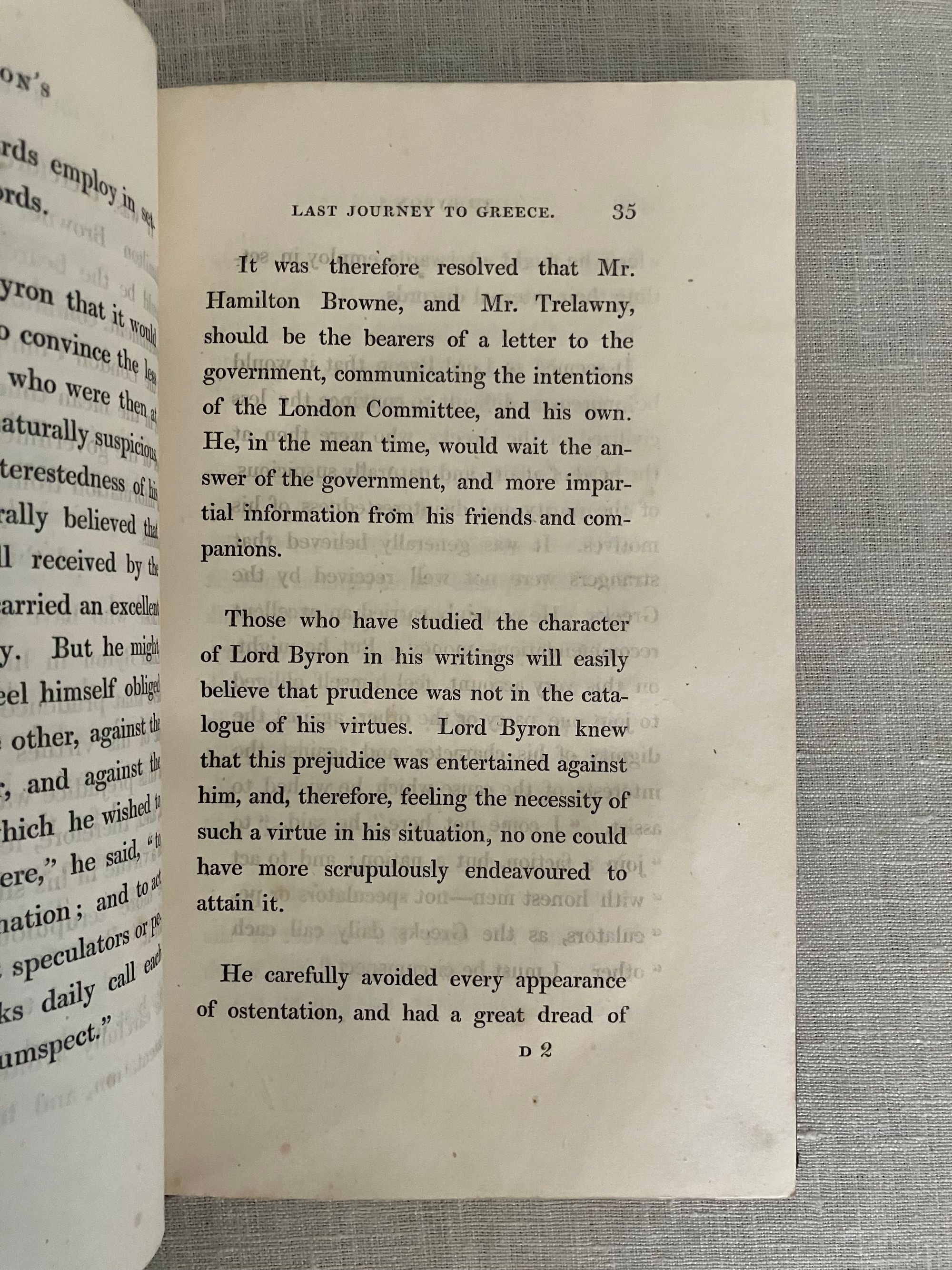
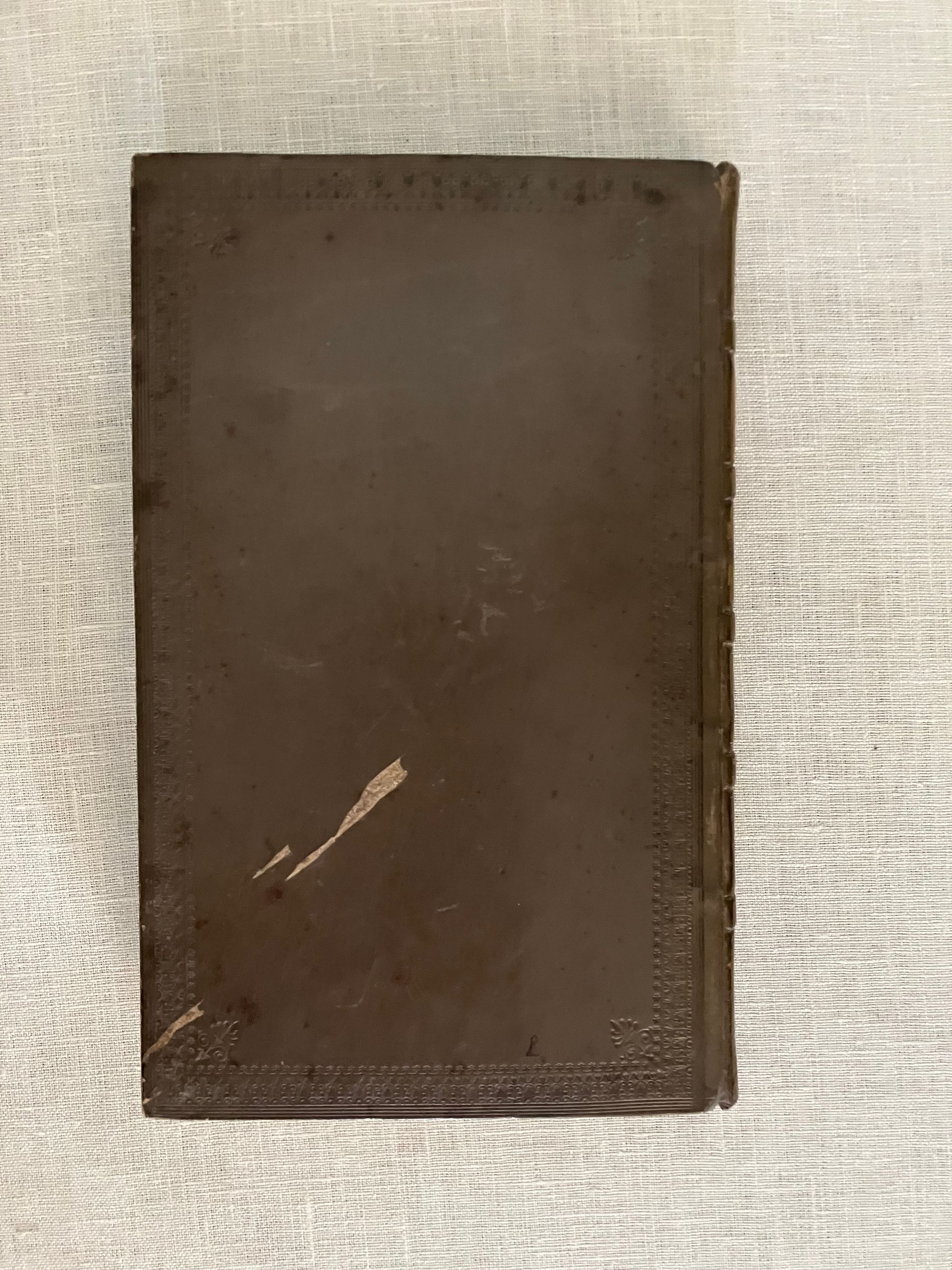


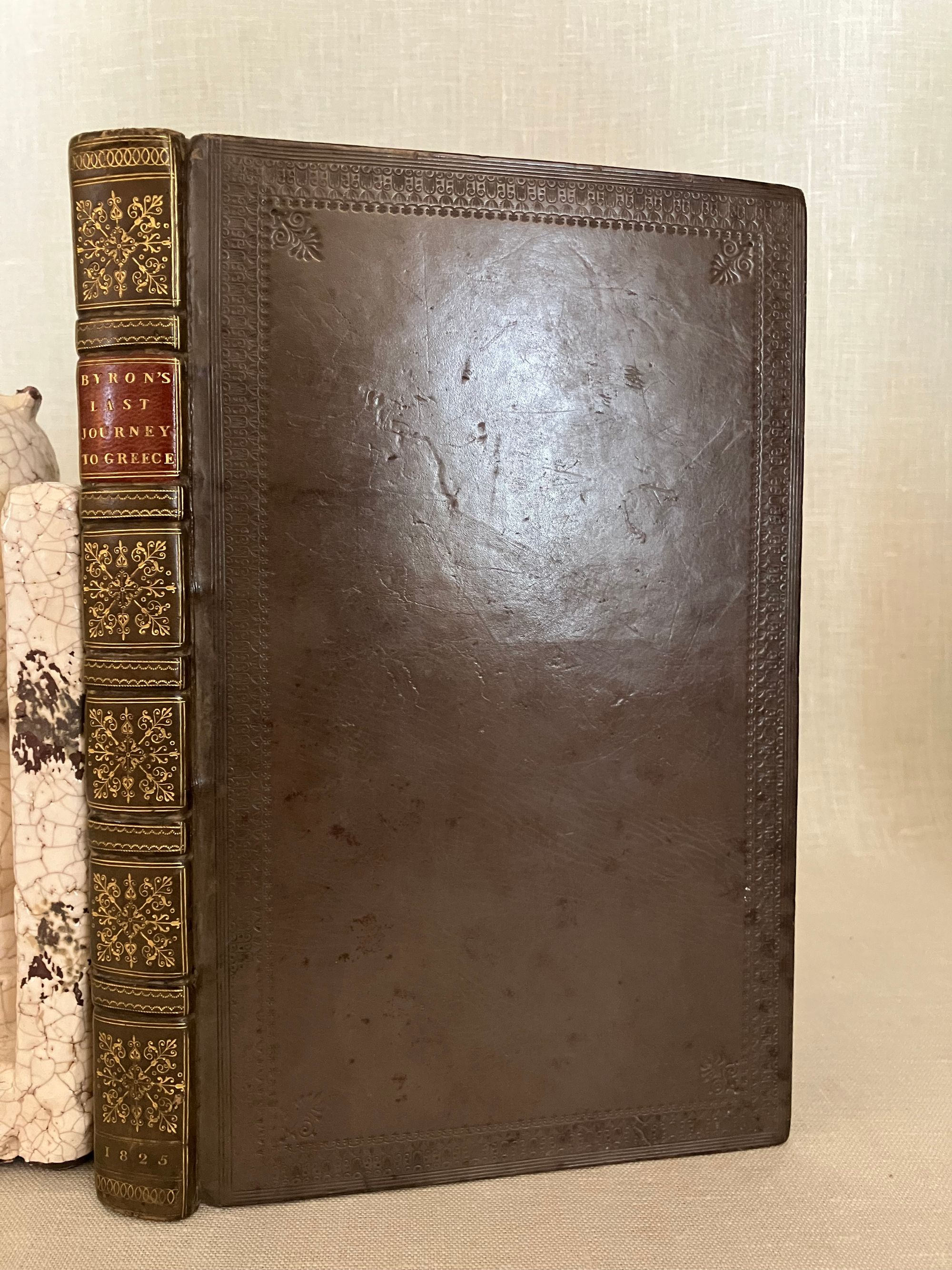
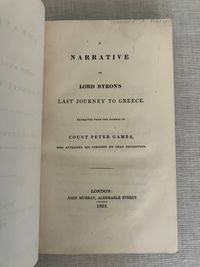
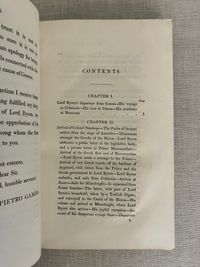
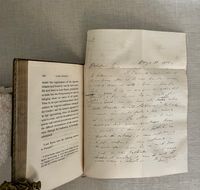
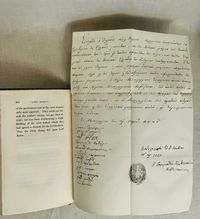
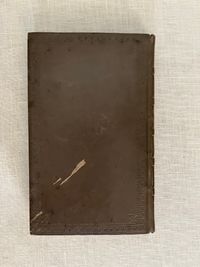
First edition. Hard cover, 8vo, in a later fine binding of full brown calf, the boards tooled in blind with a border consisting of rules, neoclassical pattern, small flowers and corner fleurons. The spine has five slightly raised bands, the compartments gilt with neoclassical motifs and the head and tail rolled with interlocking circles, title onlaid in red morocco label, date of publication tooled at the foot. Board edges, near corners, are tooled with a dot and band pattern. Inside, contains two facsimile fold-out letters, one in Greek, glazed marbled end papers in green, red, blue and white are highlighted with decorated turn-ins tooled with interlocking fronds of fern or acanthus. All edges of the text block are similarly marbled. Signature to upper right corner of title page in old ink is slightly trimmed at upper margin: "Granville H. Wheler." Printed by Thomas Davison, Whitefriars. [4], [i,ii blank,iii], iv-xii, 307pp [4].CONDITION: Very Good. Boards with some water spots and staining to the aniline dyed finish, and scuffs through to rear board, as pictured. Top edge dust soiled, as are areas near foldouts. Verso of endpaper and ffep. with moderate foxing. Hinges in order, firm and square. Occasional mild spots of fox to some interior pages. Text, however, is generally clean and bright. Offset from red ribbon bookmark.** This very readable account of Lord Byron's last journey to Greece in 1823 highlights his political and charitable activities in aid of preventing civil war, and in aiding the negotiation to the end of the Turkish naval invasion following turbulent decades of post-Napoleonic history in Europe. The account is related in diary entries and transcriptions of letters taken by his personal secretary, aid-de-camp and friend, Count Pietro Gamba (1801-1827), who's close relationship and interest in the welfare of his subject is made clear. Gamba's sister, Terese Guiccioli, was also Byron's mistress, and they along with their father, the elder Count Gamba, had been arrested for their Carbonari revolutionary political activities. Later, in 1824, the Gambas would be exiled from Tuscany. (DNB). The London Committee of pro-Greek independence supporters is described, with Byron leading the way in committing funds to the Greek navy, letters of credit and other expertise and acts of personal charity to the cause. Descriptions of his delegation's travels through the islands to the crucial battleground of Missolonghi are intertwined with wonderful personal observations on the character and habits of the great Romantic poet. The arrival of the British Col. Leicester Stanhope in Dec.1823 brings about a three-way meeting to politically organize western Greece between Byron, Prince Mavrocordato and Stanhope; the latter would also contribute his own historical narrative, in "Greece in 1823 and 1824; Being a Series of Letters, and Other Documents...(London: Sherwood Jones and Co., 1824), also in our inventory: see our Nr. 9679. As a work of biography of the Romantic poet, this is an essential read, exactly because art is not where Lord Byron's mind is at. His commitment to professionalism and fairness as an envoy is so strongly displayed. Lord Byron dies of a fever, presumed to be malaria, at the conclusion of this narrative; ironically having personally supplied countless chests of medicine to treat the illnesses of 1000 Greek revolutionaries for a year. **PROVENANCE: GRANVILLE HASTINGS WHELER (1701-1770), with his signature to the title page. Perhaps best remembered as a clergyman and amateur scientist who, with his friend Stephen Gray, "conducted experiments with electricity," in imitation of the work of Benjamin Franklin, at his house, Otterden Place, near Charing, Kent. He was later elected a Fellow of the Royal Society in 1728, publishing his findings on the repulsive power of electricity in "The Philosophical Transactions" of 1729 (DNB). His father, SIR GEORGE WHELER (1650-1723) was yet another (earlier) Enlightenment-era a travel writer on Greece. The elder Wheler, canon of Durham Cathedral, traveled around Greece and the Levant in 1675 and 1676 with fellow travel writer the Frenchman James Spon. Wheler then published "A Journey into Greece" in 1682 (ESTC R9388). It has been said that their seventeenth century travelogues became an important introduction to still relatively unexplored destinations. Wheler's work was translated into French. **Please see our related Wheler-signed and bookplated item plated item in a very similar (but not identical) binding,: Henry Swinburne's "Travels in the Two Sicilies" (London, 1790), our No. 9669. Note: This book does not appear in James White's Sale Catalogue of the Rev. Granville Wheler Library of August 1771, and may perhaps have been missed out for some reason, or gone to another relative after Wheler's death. (AMJ)
Ref: ADV 9678
$475.00