 |
 |
 |
 |
 |
 |
 |
 |
 |
 |
 |
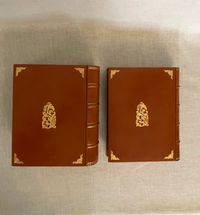 |
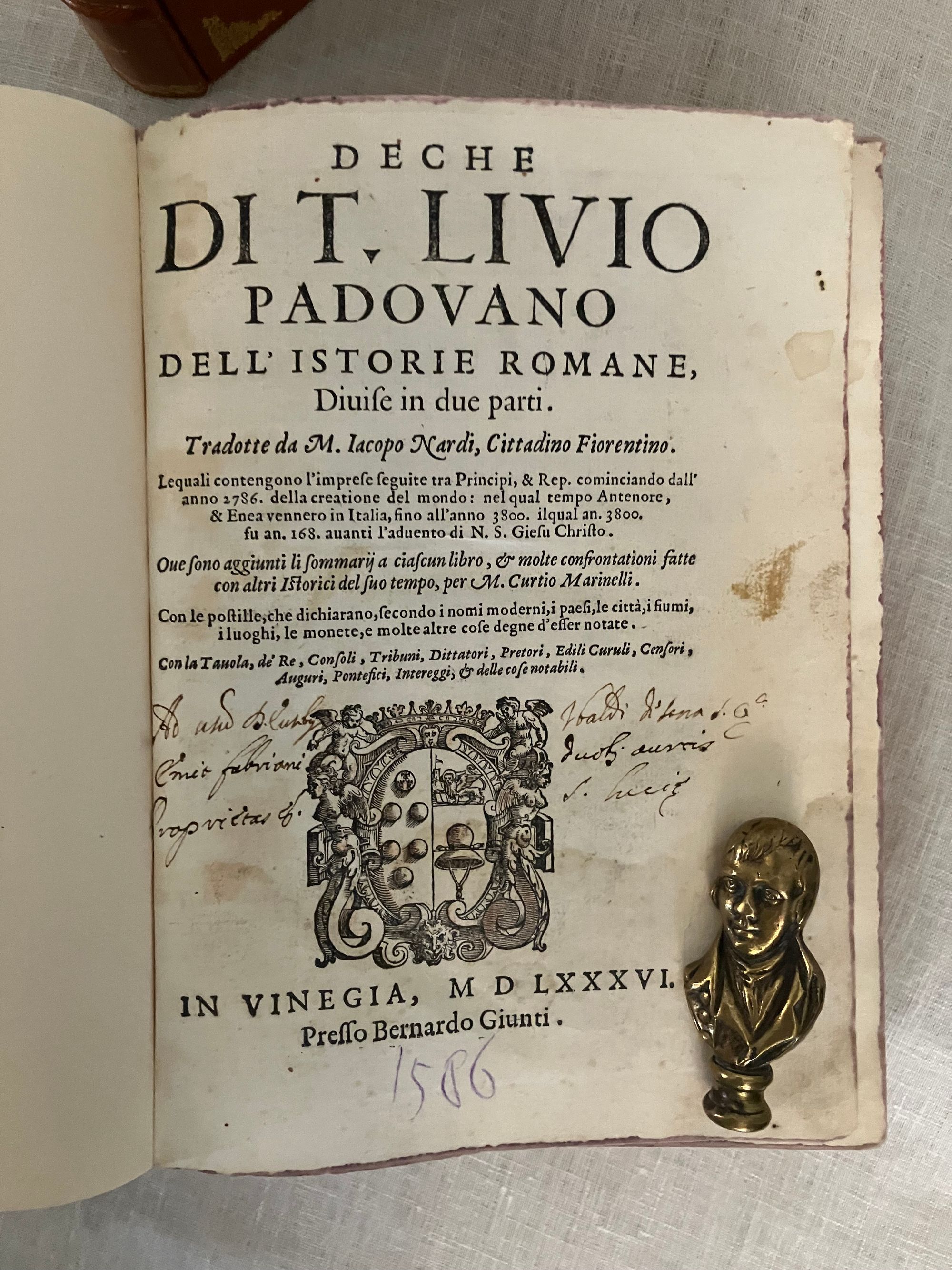
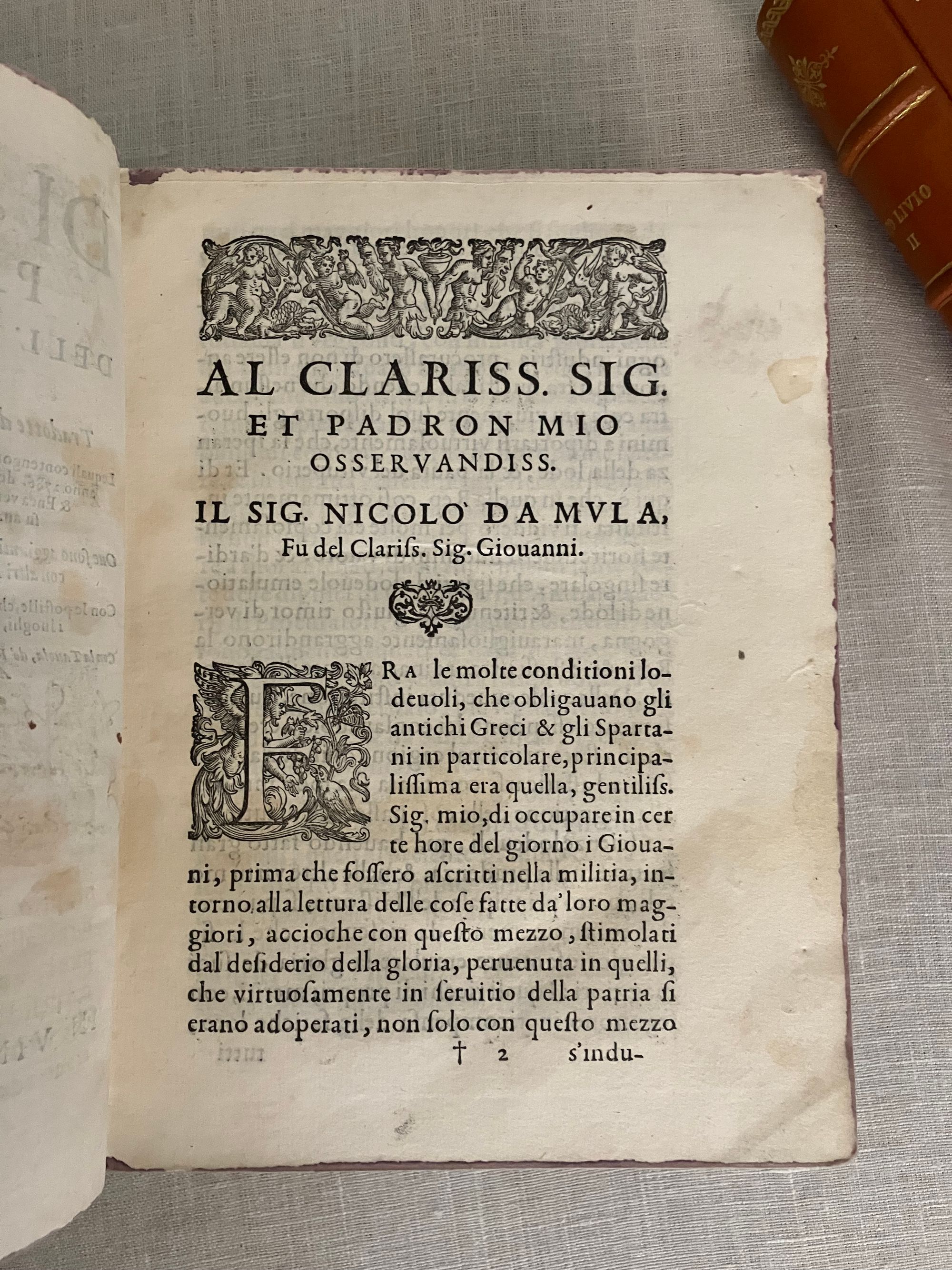
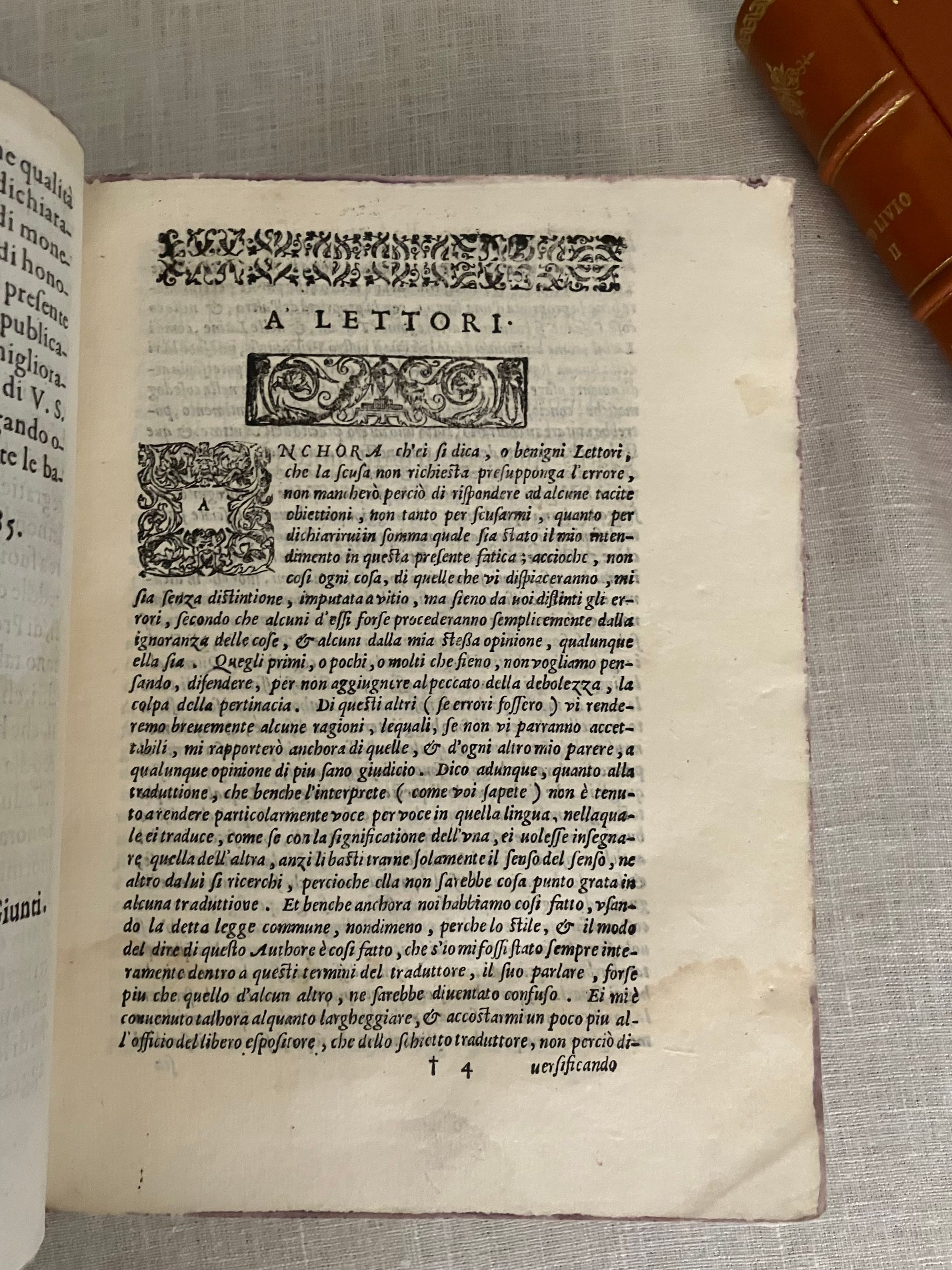
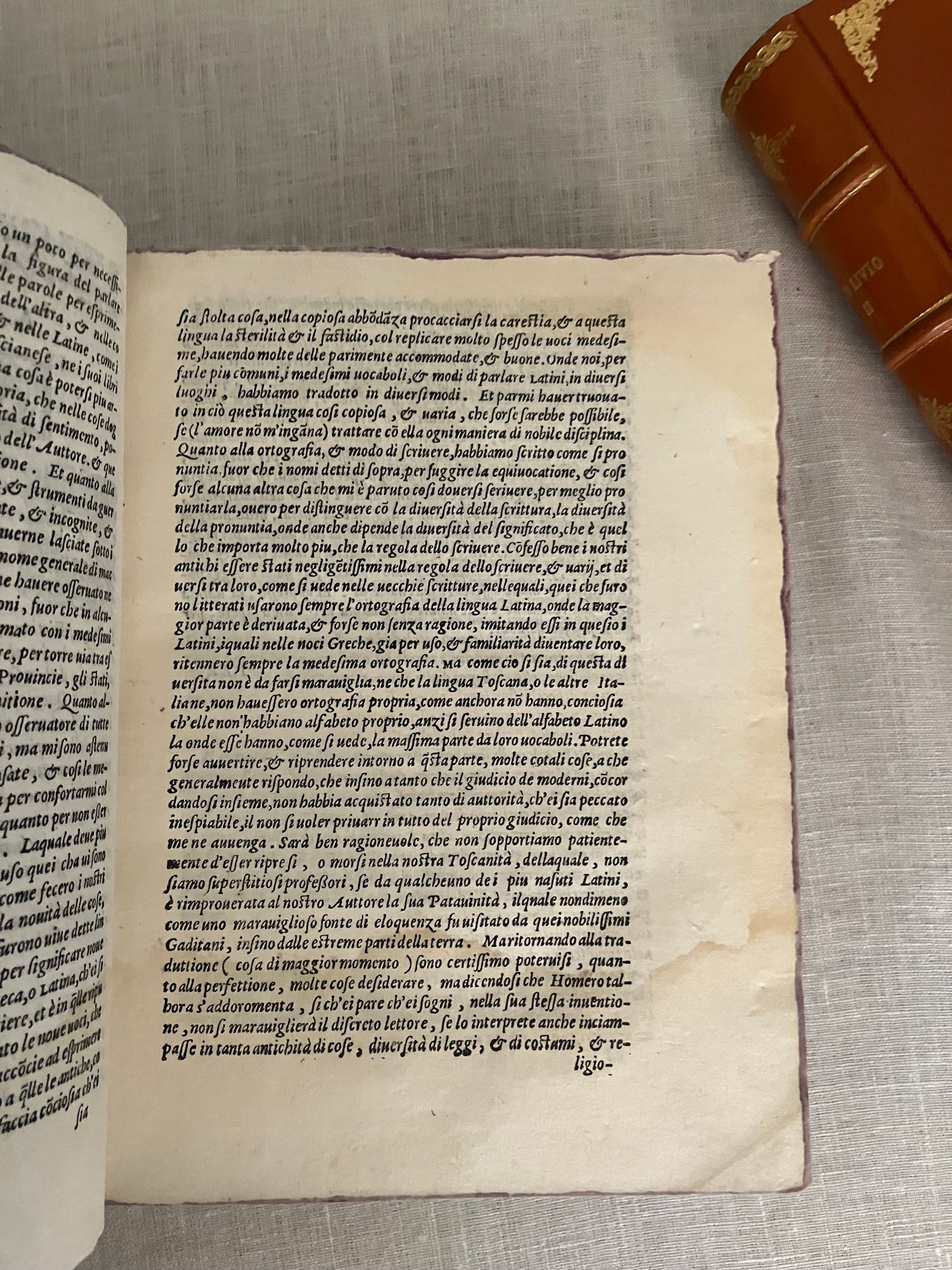
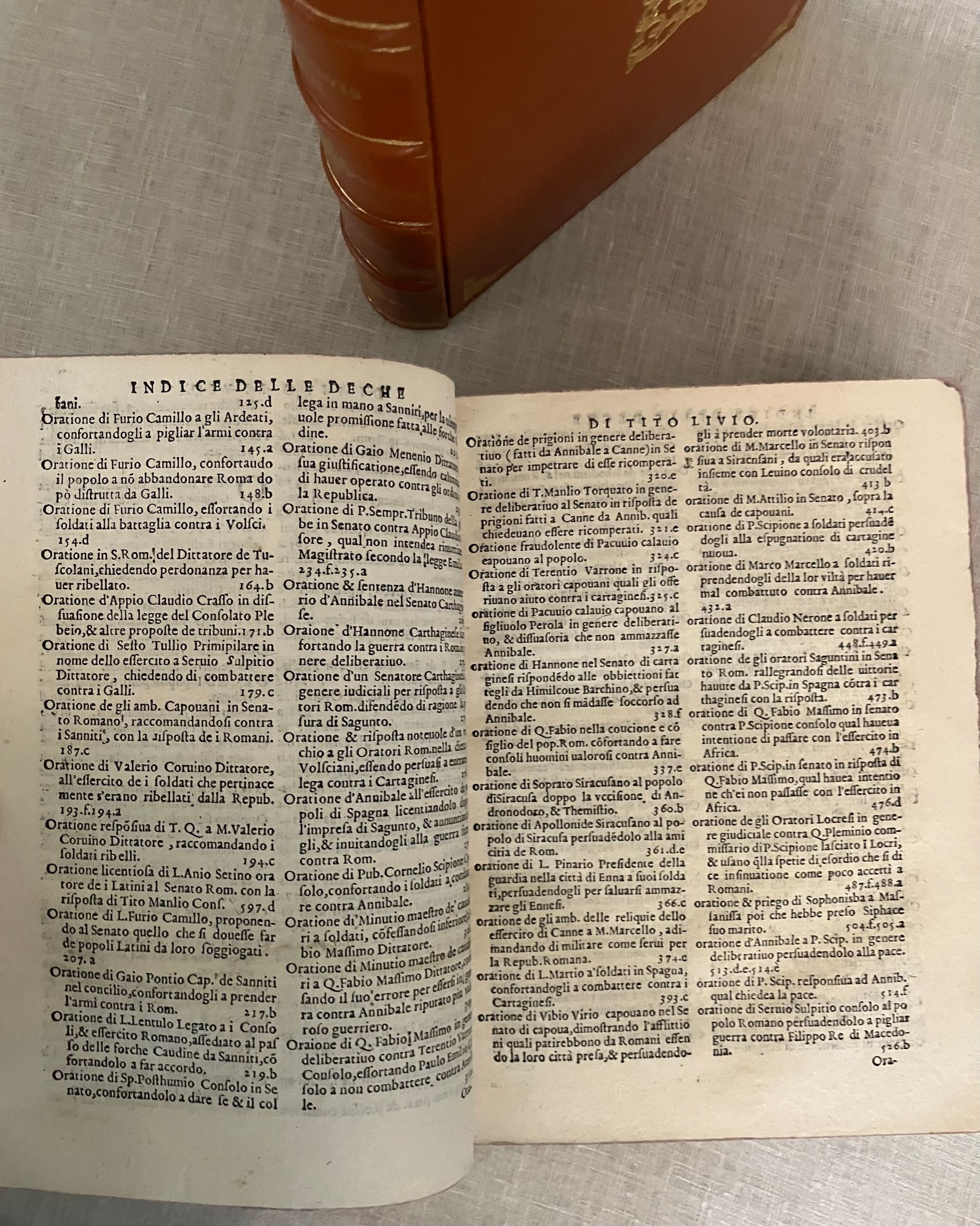
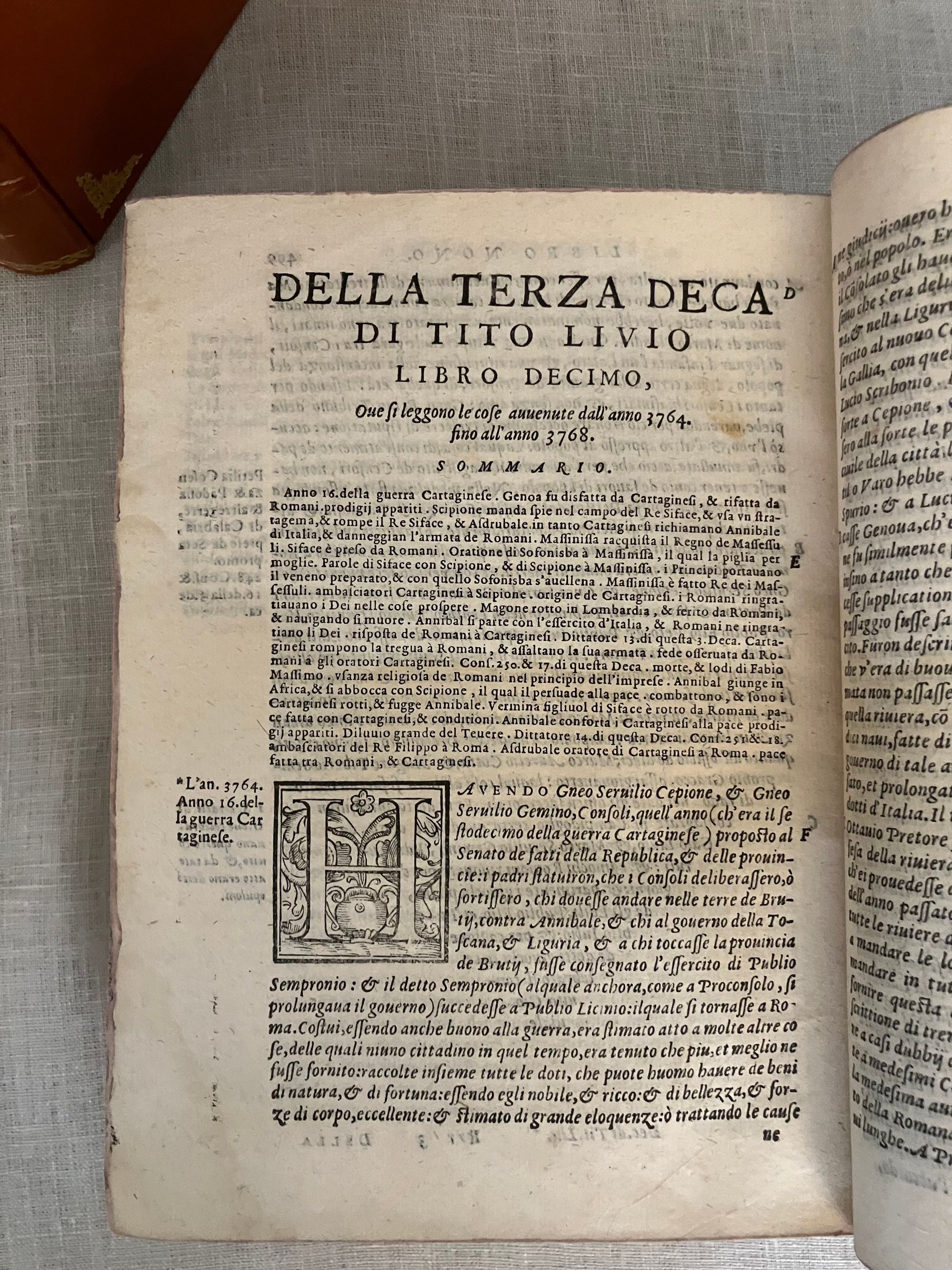
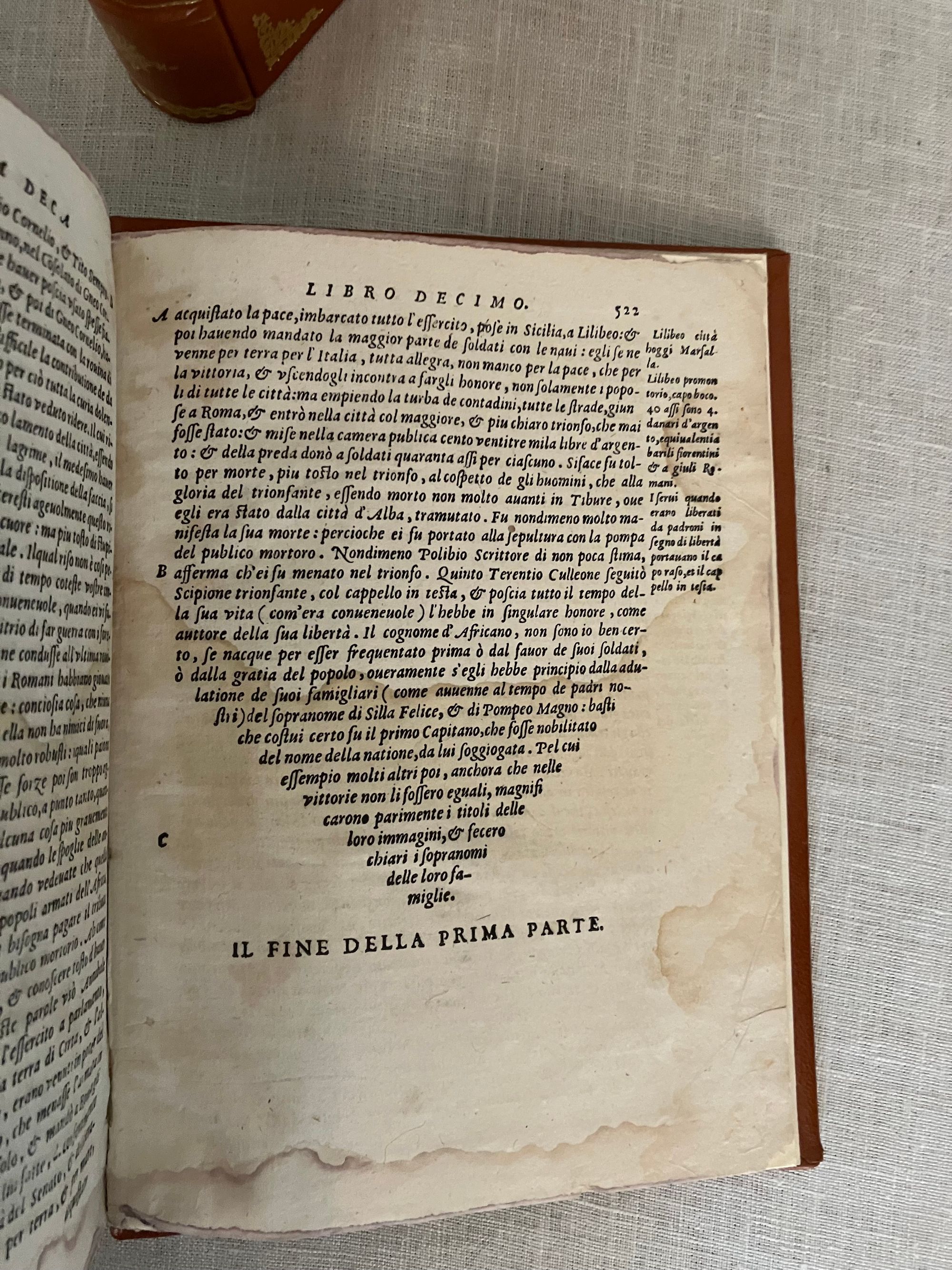
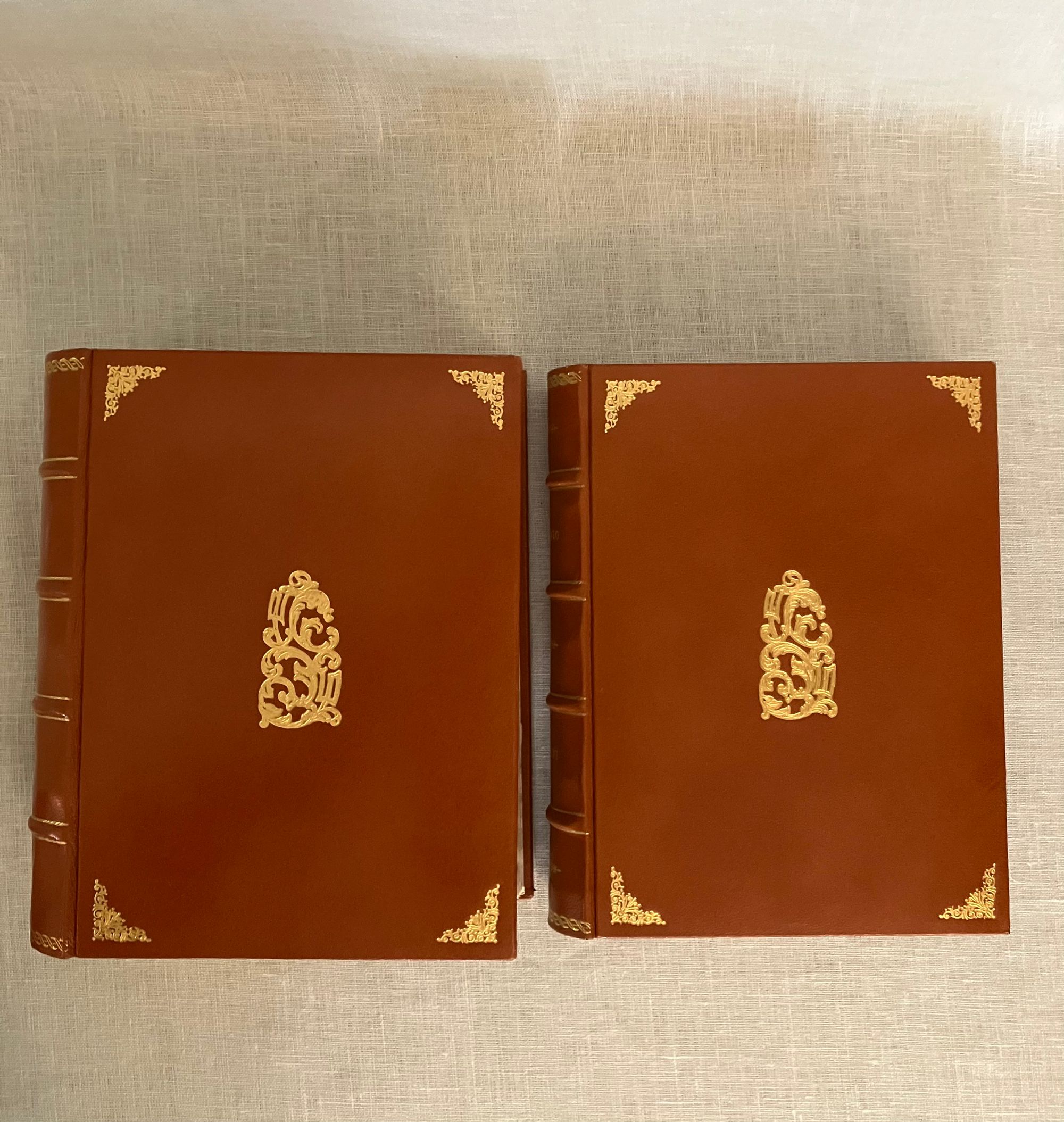
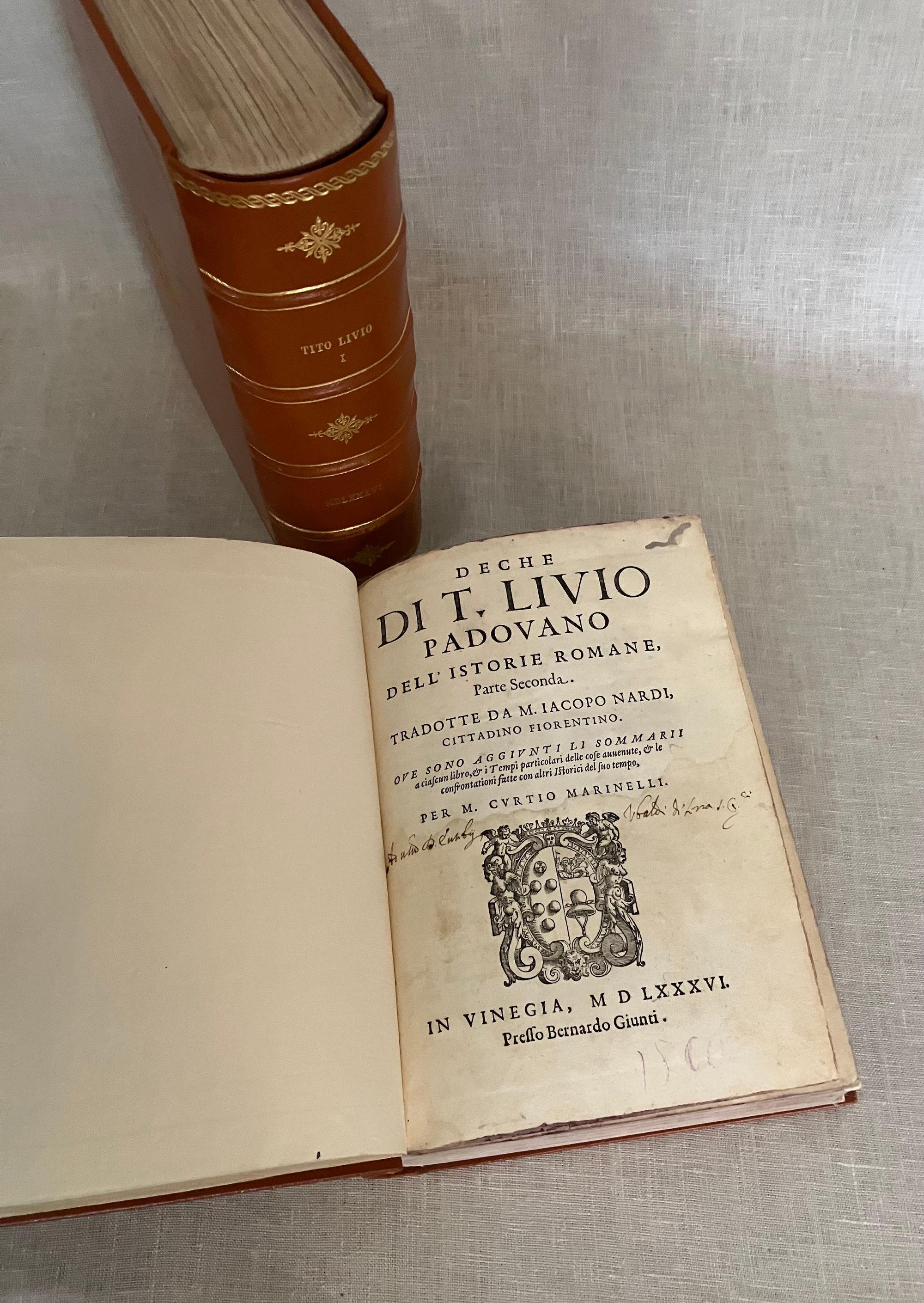
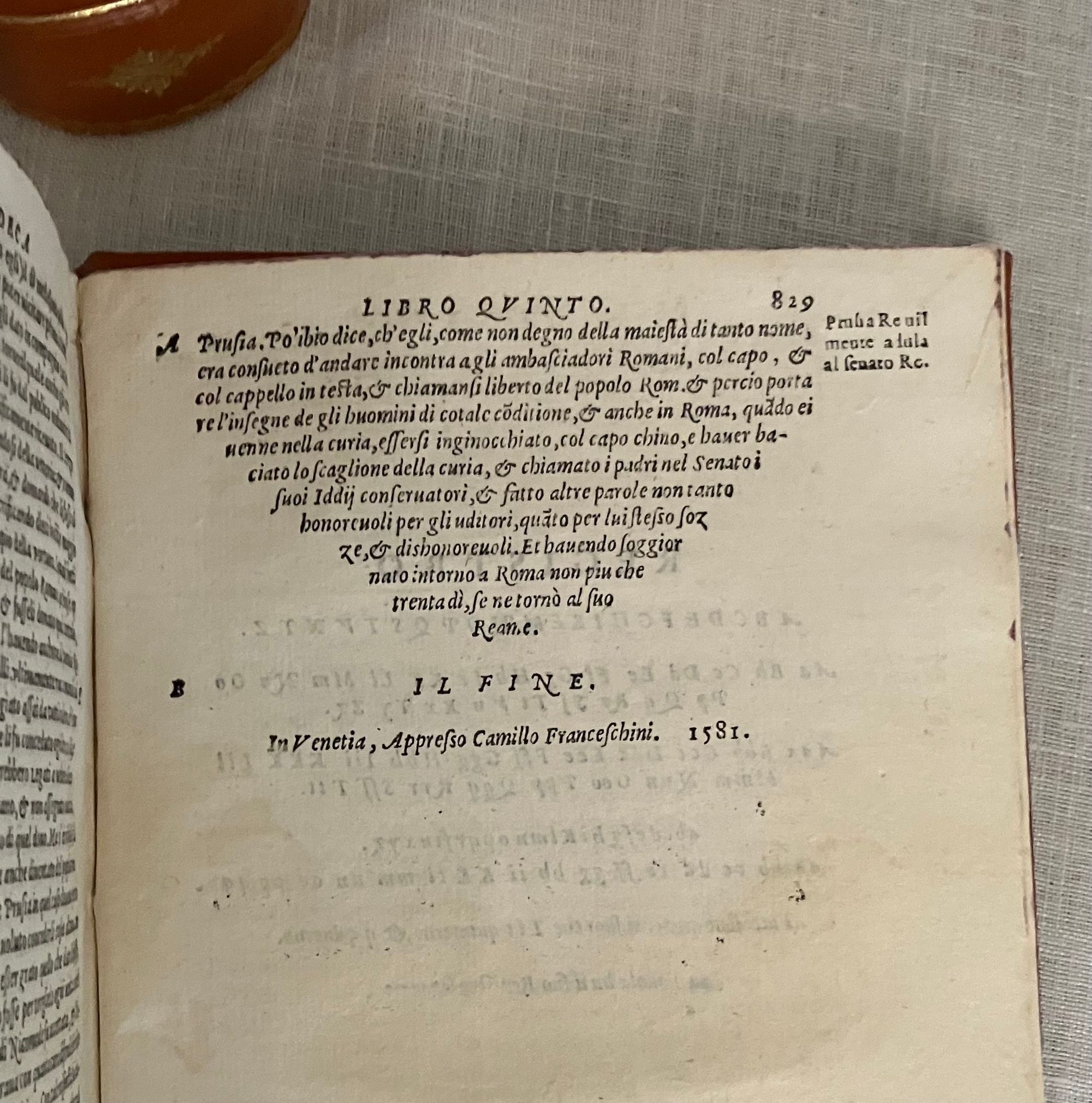
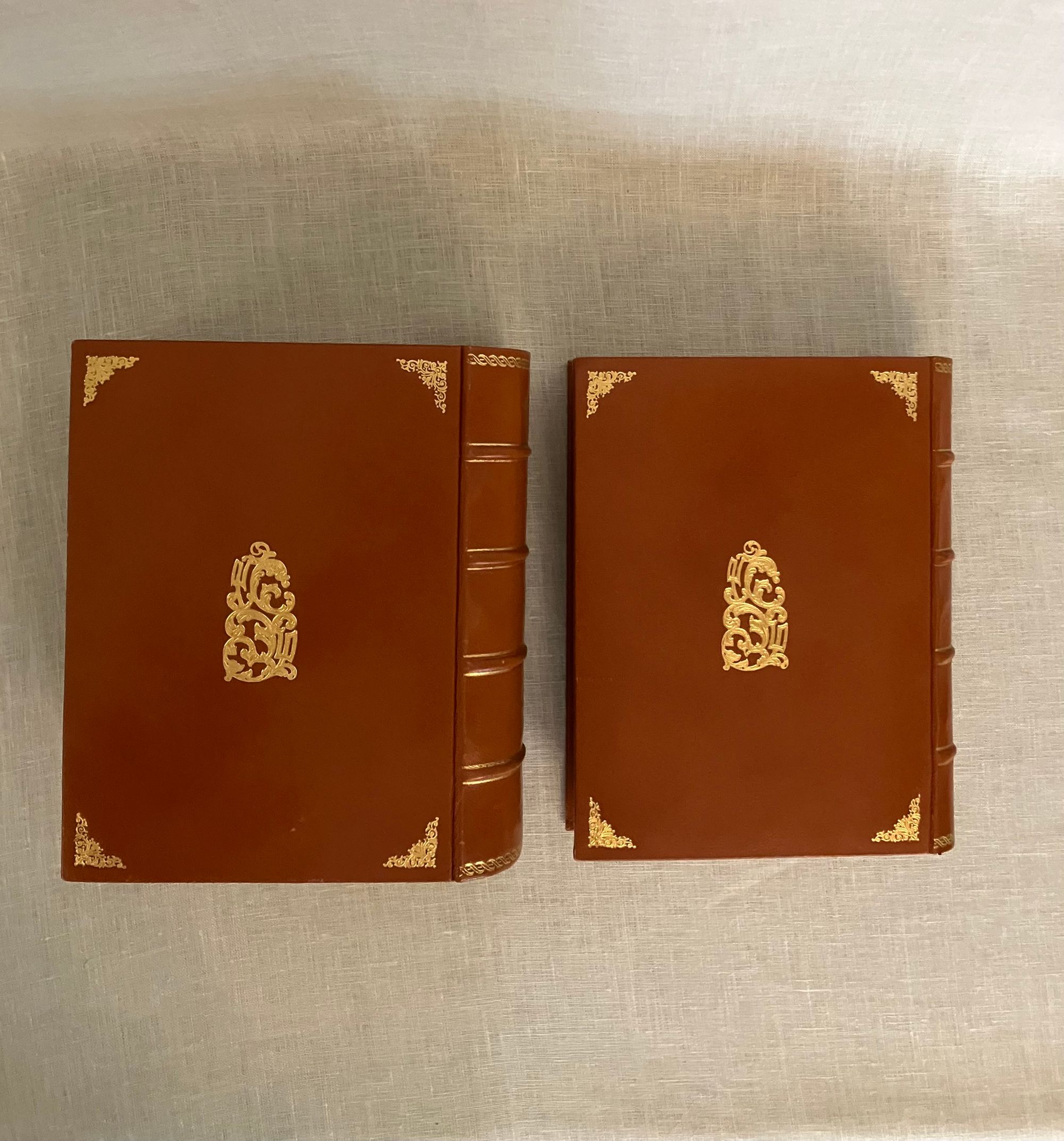
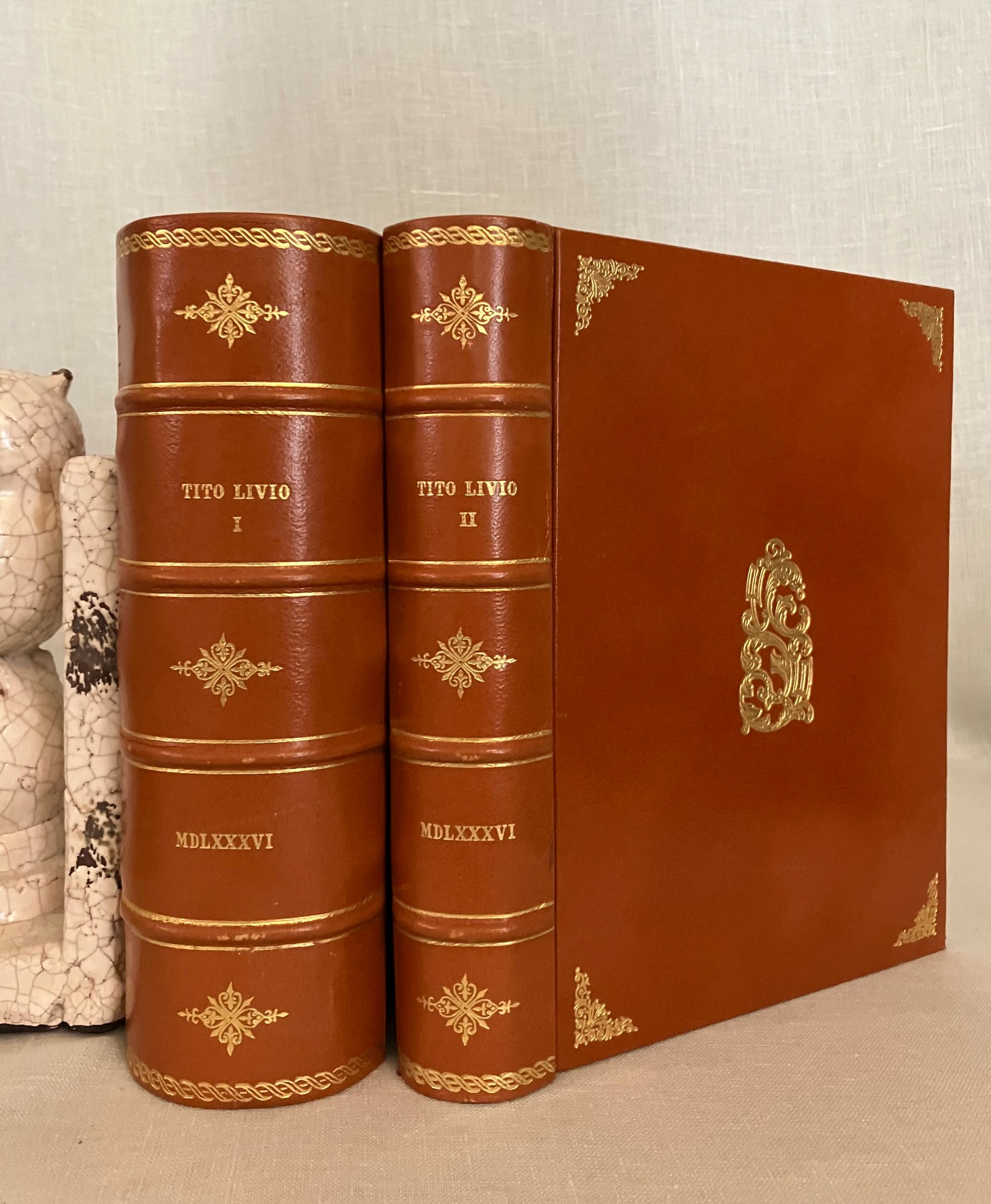
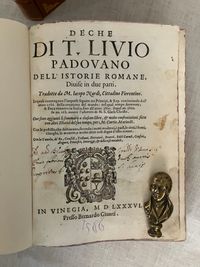
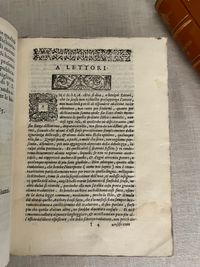
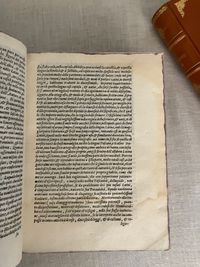
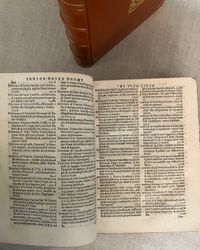
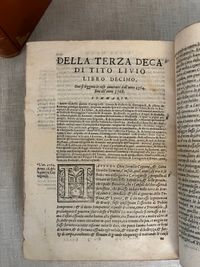
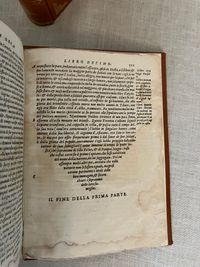
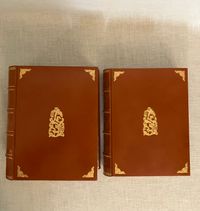
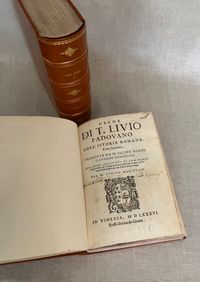
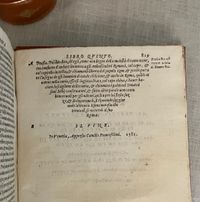
Hard cover, two volume set, (complete) 8vo., rebound in a twentieth-century case binding of full calf, new endpapers, with gold neoclassical cartouche tooled to center of front boards, similar triangular corner decorations, the rounded spine with four raised bands ruled in gilt, the head and tail rolled with a rope pattern, titles to 2nd and 4th compartments and others tooled with neoclassical motif. Renaissance Italian text.**CONDITION: Very Good antiquarian condition overall. Binding is fine and sound with a couple of very minor scuffs to boards. Text pages have remnants of light coloring at fore edges. Very faint tidemark to lower portion of text of both volumes, inviting speculation that an "acqua alta" event was perhaps in the book's Venetian past. Old marginal worm trail seen Volume II, affecting about 40 pp., not obscuring text.**THIS RARE 1586 BERNARDO GIUNTI restampo (largely a reprint) of Livy's "Decades", based on the 1581 Venice edition produced by Camillo Franceschini. Both of these editions revised Jacopo Nardi's 1540 translation of the original Latin into the still-developing Tuscan Italian vernacular, as printed first by the Giunti forebear Luc Antonio (LA) Giunti. Both the Franceschini and B. Giunti editions added extra features, such as the Index of years, facts and lists of Roman consuls and military tribunes etc., new wood carved and historiated capitals, revised side notes, and informative chapter summaries penned by humanist editor Curzio Marinelli. Using most of the 1581 typeset formes, then, this 1565 edition is minimally revised with a few new things: the Bernardo Giunti and brothers printer's device--the "Giunti Capello," or Doctor's hat--upon the title pages at the beginning of each volume, as well as a new 8-page dedication letter to Nicolò da Mula signed Bernardo Giunti . The restampo is also noted, on the final page of Vol. II, (p. 829) alongside the type specimen. **PROVENANCE: Original ownership inscriptions in renaissance hand to title pages of both volumes, in late sixteenth century Italian humanistic cursive. Vol. I : Left: "Ad uso di Luigi /Cini fiorentini/proprieta di" (For the use of Luigi Cini, Florentine. Property of the same.) Right side: "Ubaldi d' Sena d. Ca/Iud. curiae/S. Lucae (Ubaldi of Siena, Judge of the Court of Saint Lucia). Vol. II title inscription says: "Ad usum D. Lenatii" (for the use of Master Lenatii.) Right side: "Ubaldi d' Sena d. Ca." (Ubaldi of Siena).**AUTHOR TITUS LIVIUS (59 BC - 17 AD), better known as "Livy", was an important Roman historian. His magnum opus was "Ab Urbe Condita" ("From the Founding of the City") - telling the sweeping history of Rome from the city's semi-mythical founding in 753 BC, to the death of the general Drusus, in 9 AD (during the reign of the Emperor Augustus). The "Deche", or decades referred to in this and other editions identified the work as divided neatly into twelve packets, mainly groups of ten books, hence "decades." Livy came from a wealthy family in Padua and was well-connected in Augustus's Rome. In his writings, he was careful to praise the innovations brought about by the Emperor Augustus, and his patronage is thought to have helped establish Livy's fame. Not only was he widely read during the Roman Empire, but during the Renaissance there was a scramble to search out the manuscripts that would be pieced together to form what remains of Livy's History. Machiavelli wrote "Discourses on Livy" (c.1517) using the first ten chapters of Livy's "History of Rome" to illustrate how a city and a republic should be governed. Modern scholars praise the quality of Livy's Latin, ensuring their place in classical Latin curricula.**Florence-born TRANSLATOR JACOPO NARDI (1476-1563) spent much of his working life in Venice, having been banished from Florence by the Medicis after supporting the wrong side during the violence attending Dominican friar Savonarola's attack on the humanist values of the Florentine Republic (The original bonfires of the vanities were Savonarola's work, burning art and books by the Signoria.) **COLLATION: Complete. Note that leaves are numbered, not pages. VOL. I: +8, A-I8, K-T8, V8, X-Z8, Aa-Ii8, Kk-Tt8, Vv8, Xx-Zz8, Aaa-Iii8, Kkk-Ttt8, []2. Pages: [68], 1-522. Bottom corner of p.256 has chip missing not affecting text.-- p.393 has no page number, p.401 is misnumbered as 394. VOL. II: a-i8, k-u8, x-z8, aa-ii8, kk-pp8, qq4. Pages [] 524-829 [1].-- p.554 misnumbered as 552, p.555 misnumbered as 550, p.706 misnumbered as 606. Pages 574 and 784 have small pieces missing from bottom corner not affecting text. Page 699 has closed tear to fore-edge, as has p. 757 (which has been repaired). **REFS: EDIT16 CNCE 28516. B. Gamba da Bassano, Serie dei Testi di Lingua, (4th edit., 1839) No. 1479, p. 436. (Note). (AMJ and AJ)
Ref: ITAL 9666
$2250.00