 |
 |
 |
 |
 |
 |
 |
 |
 |
 |
 |
 |
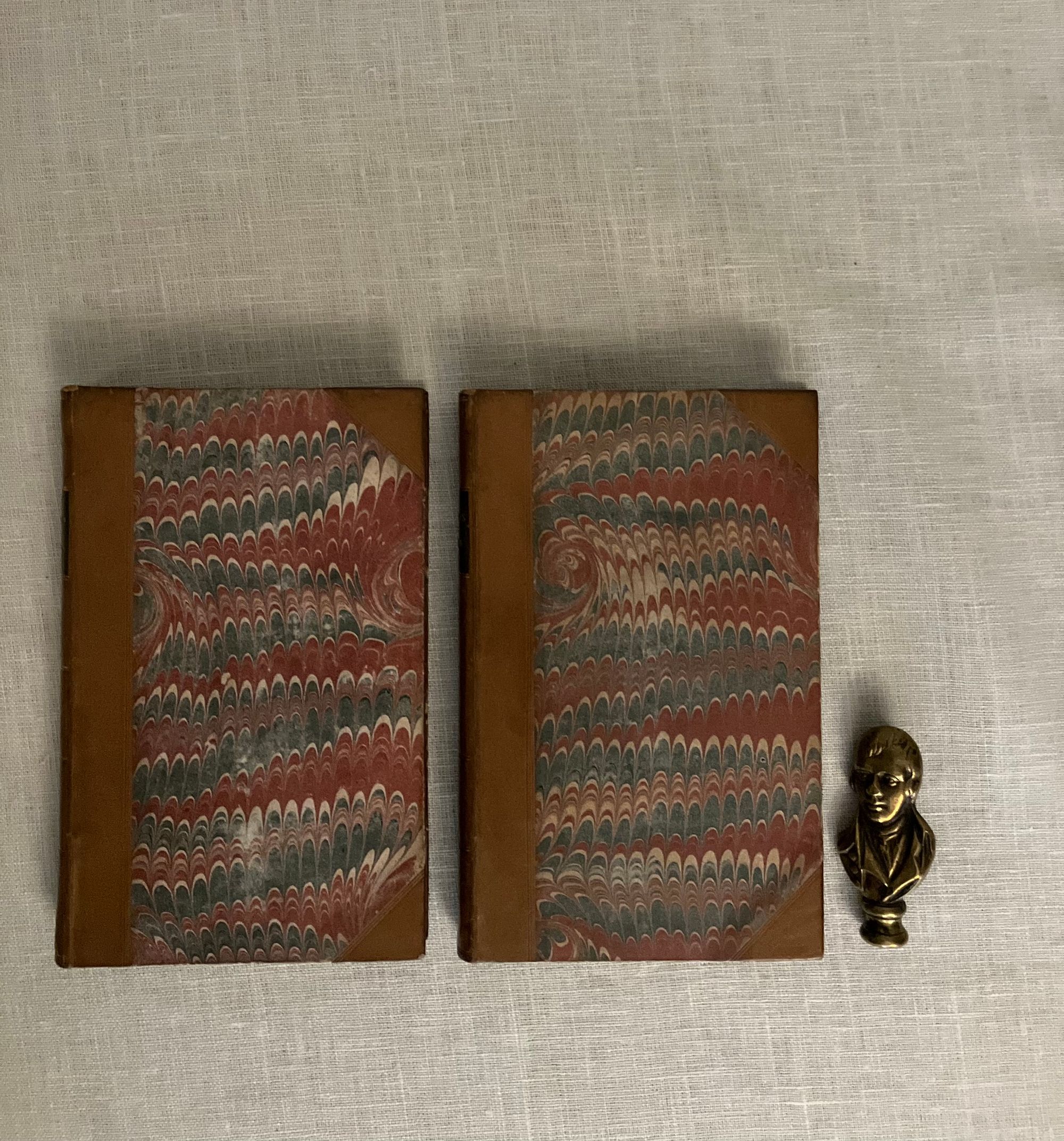
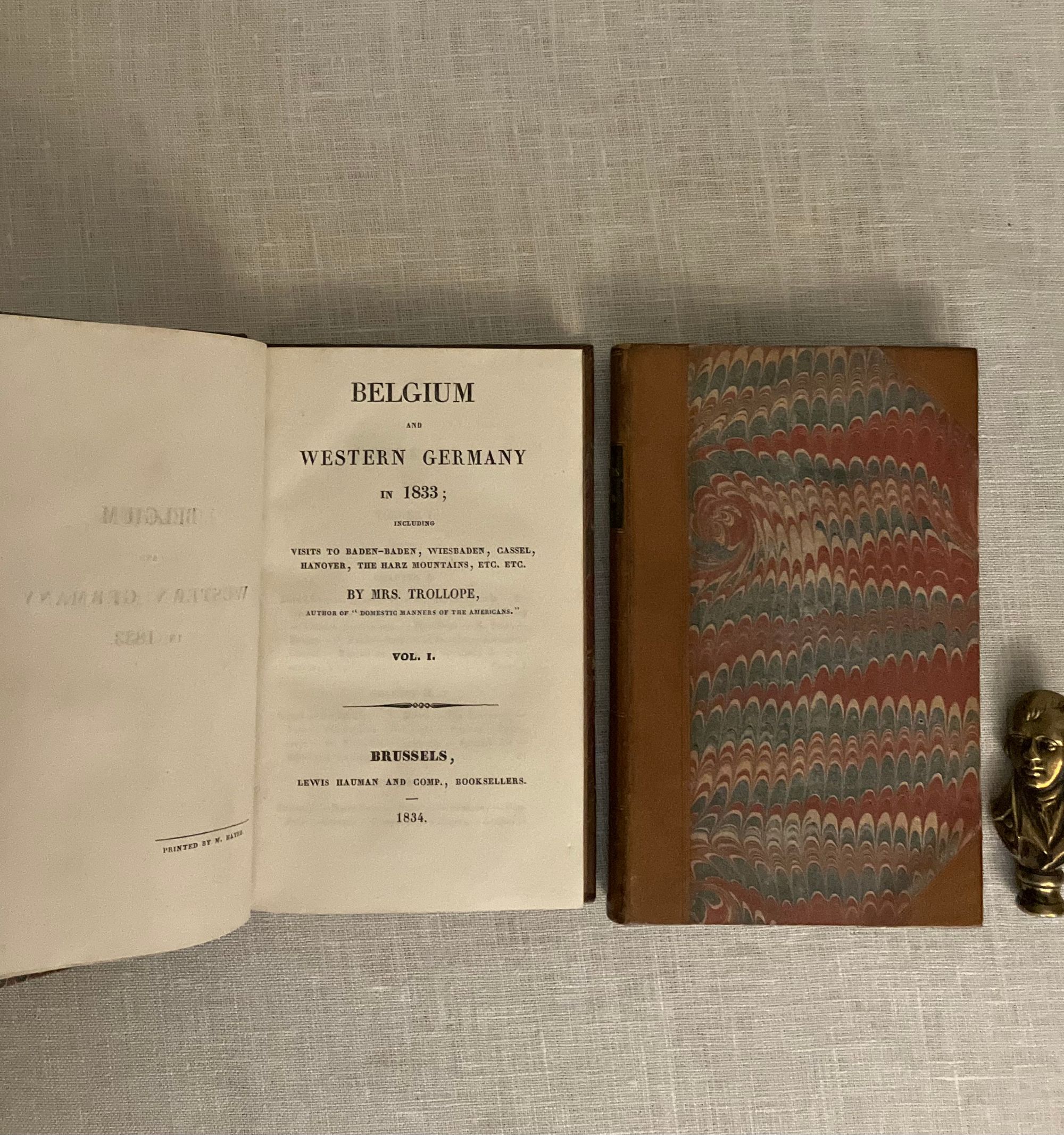
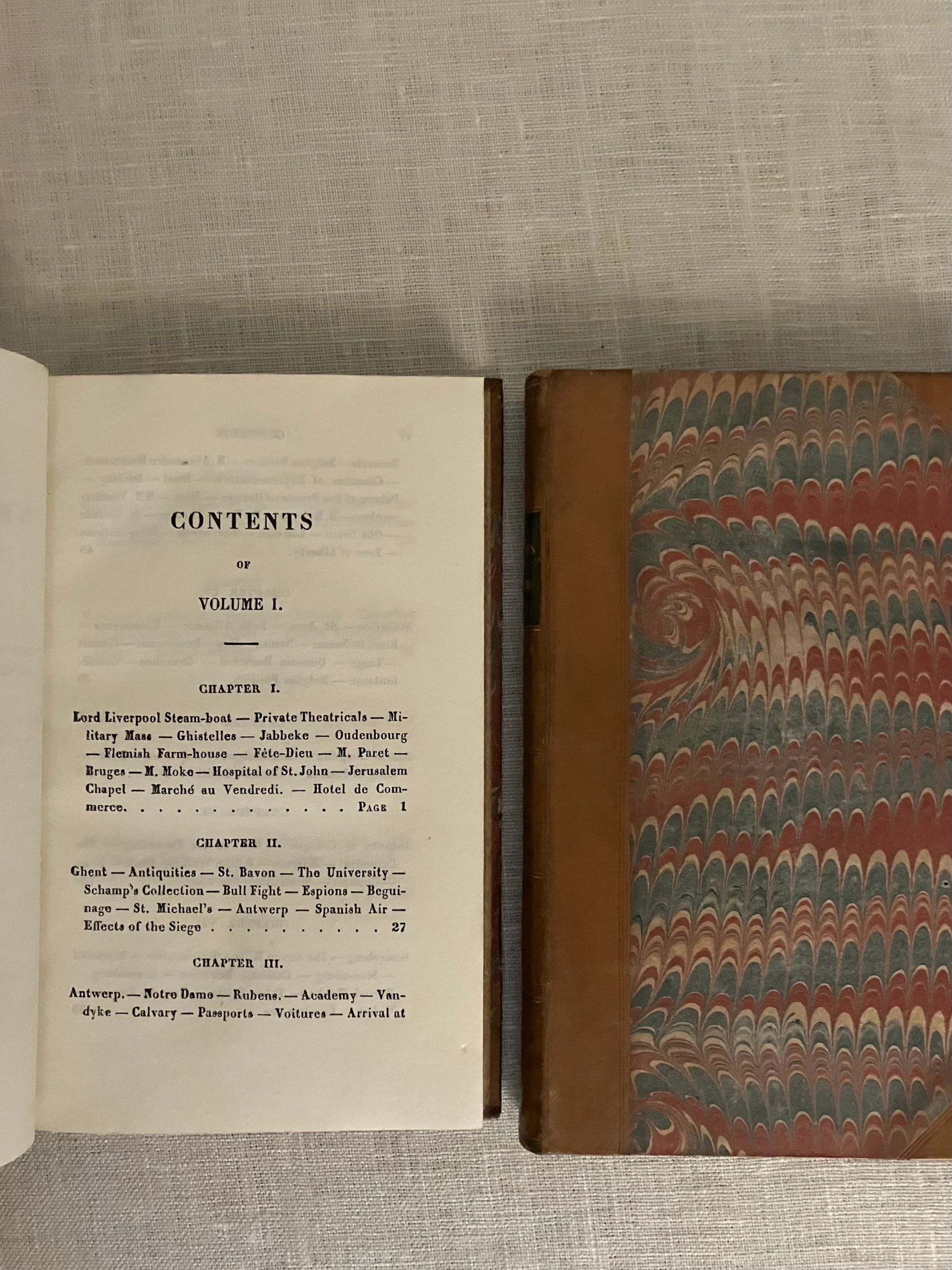
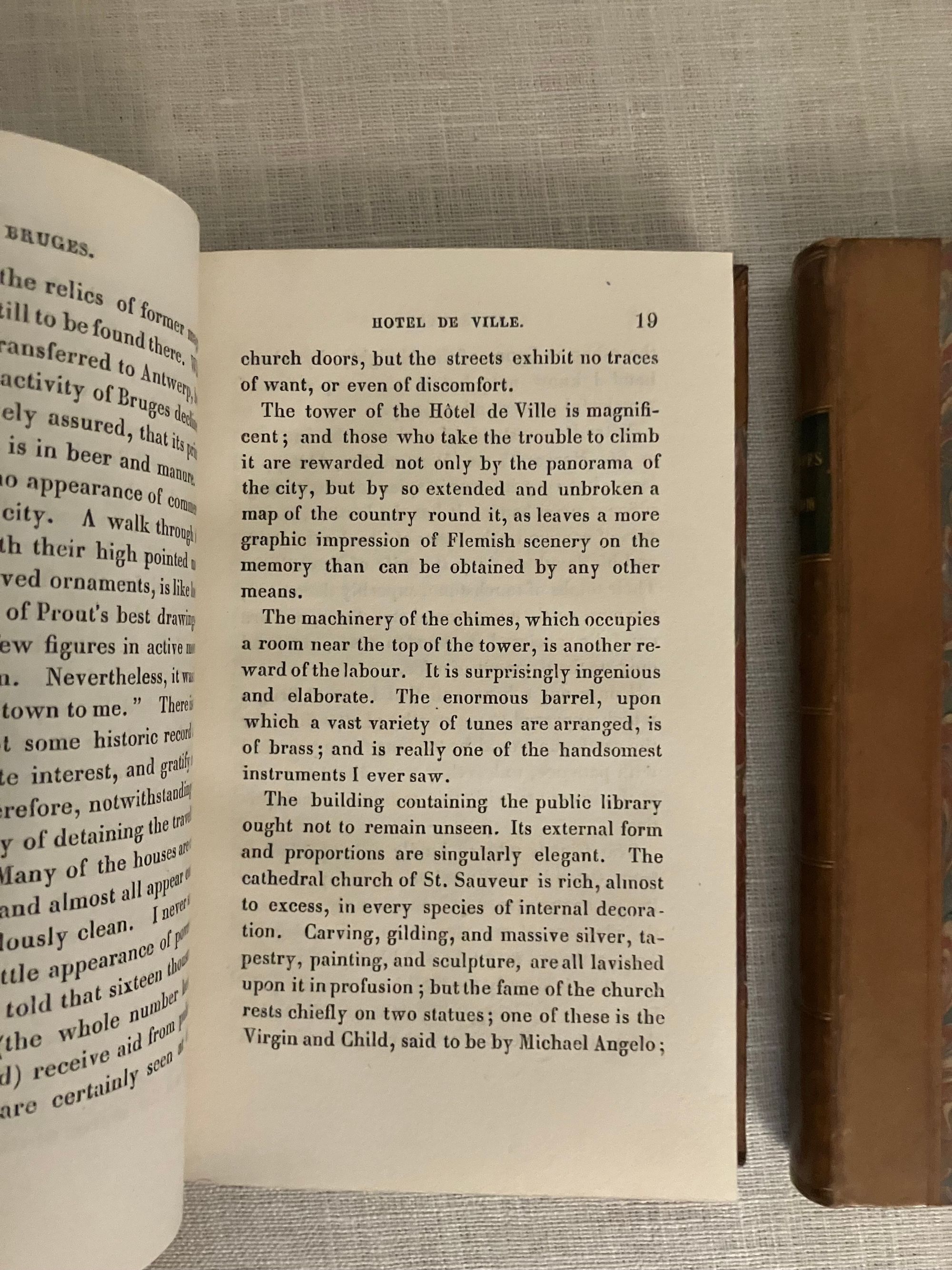
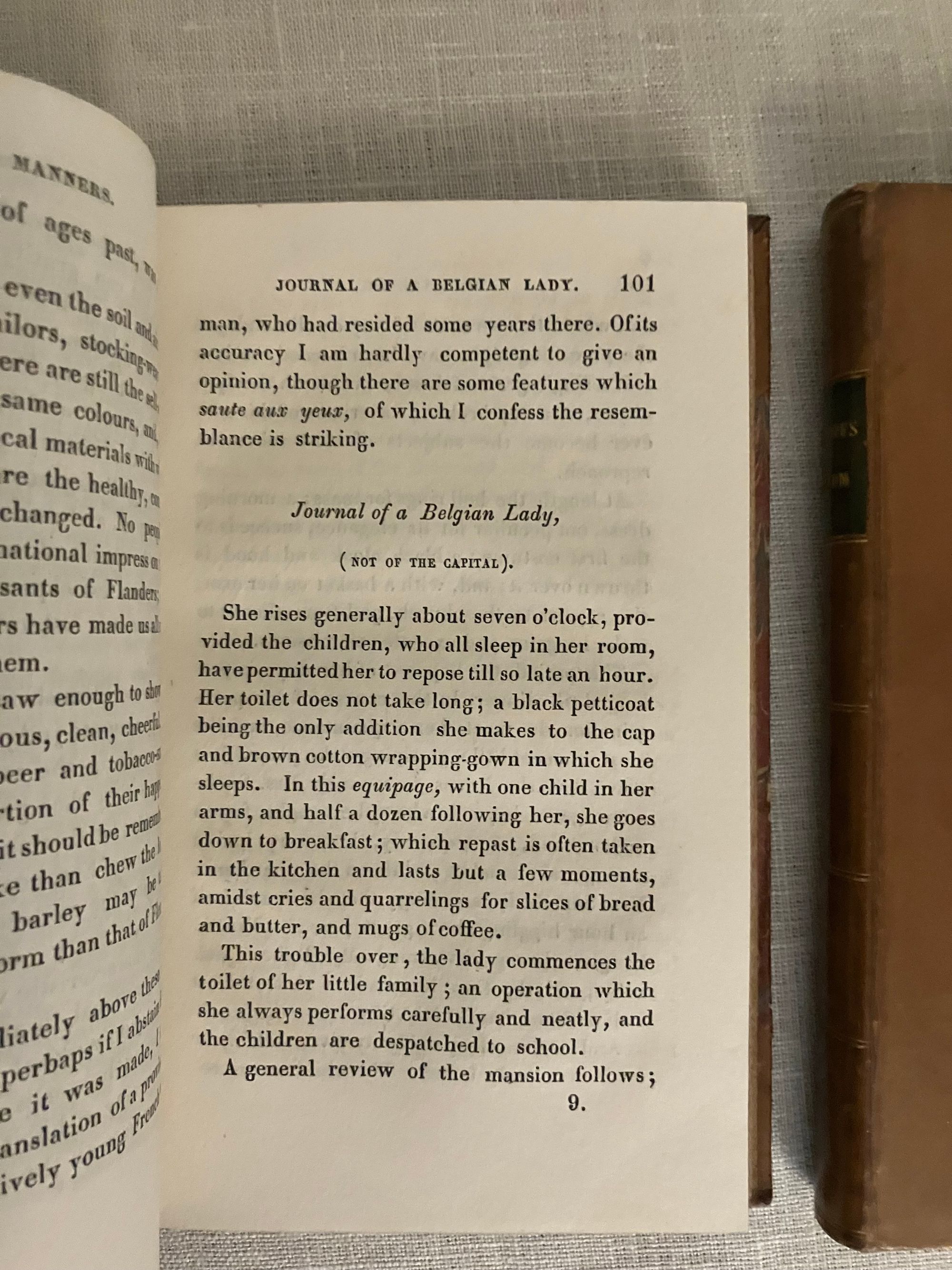
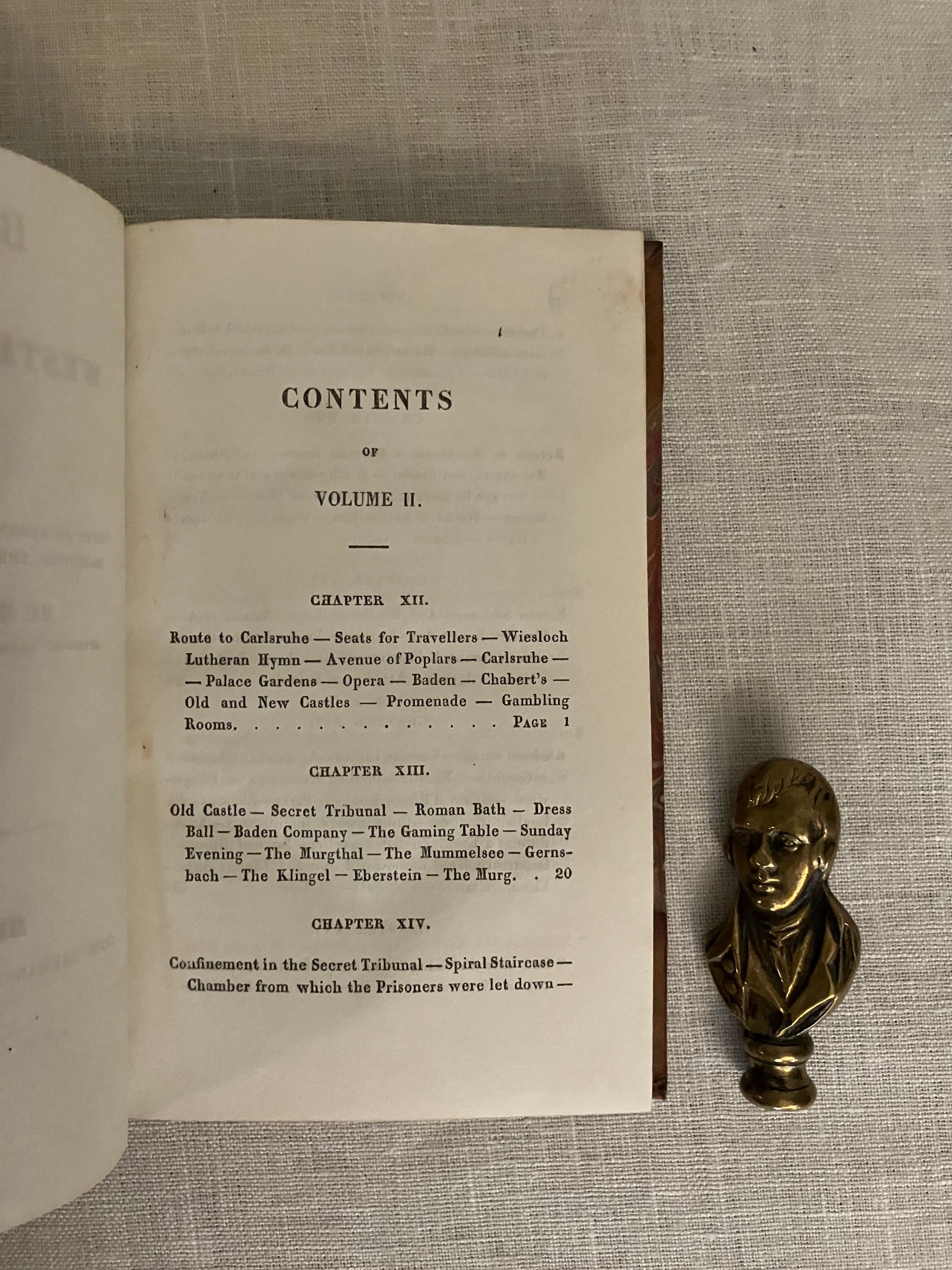
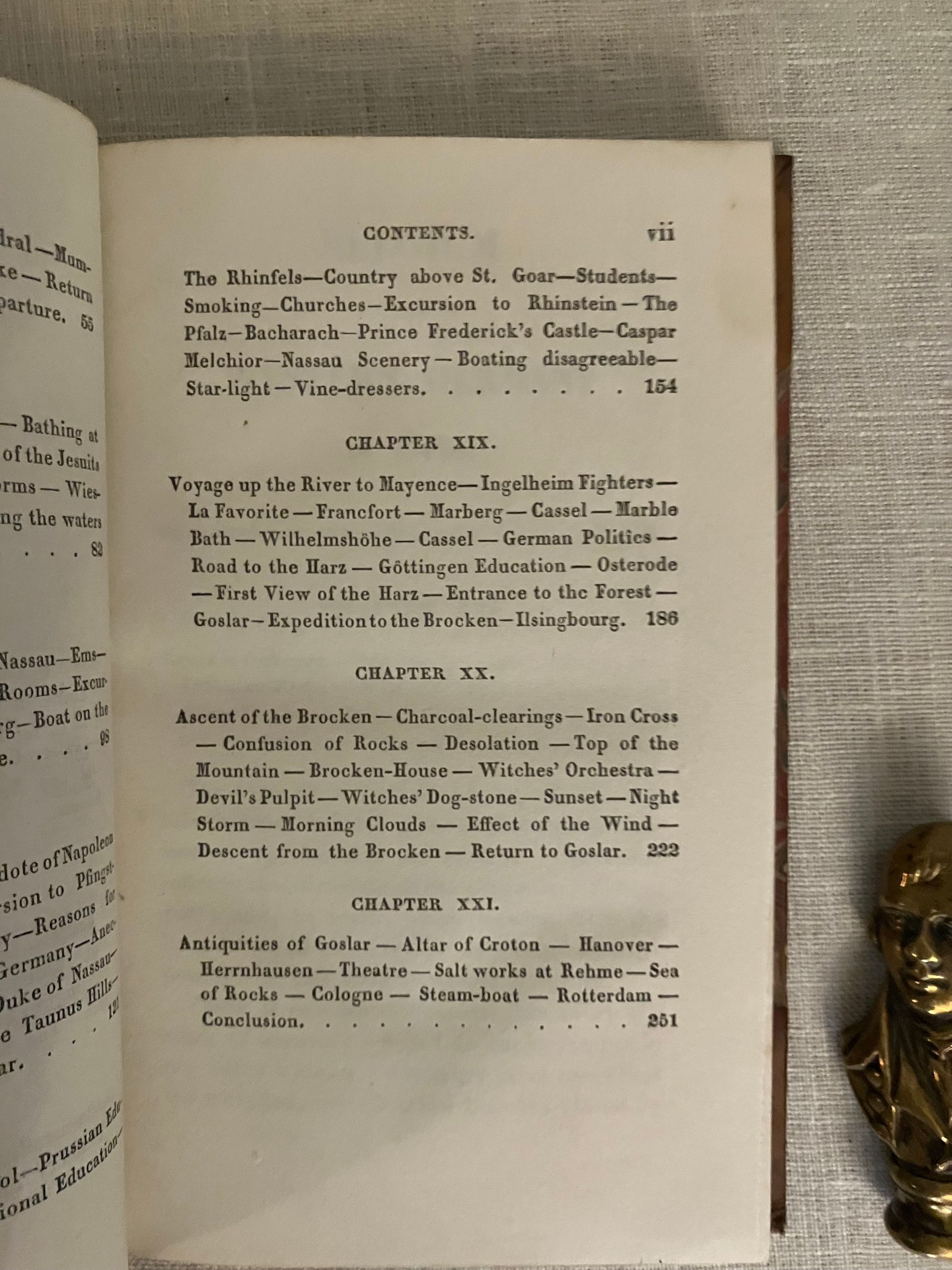
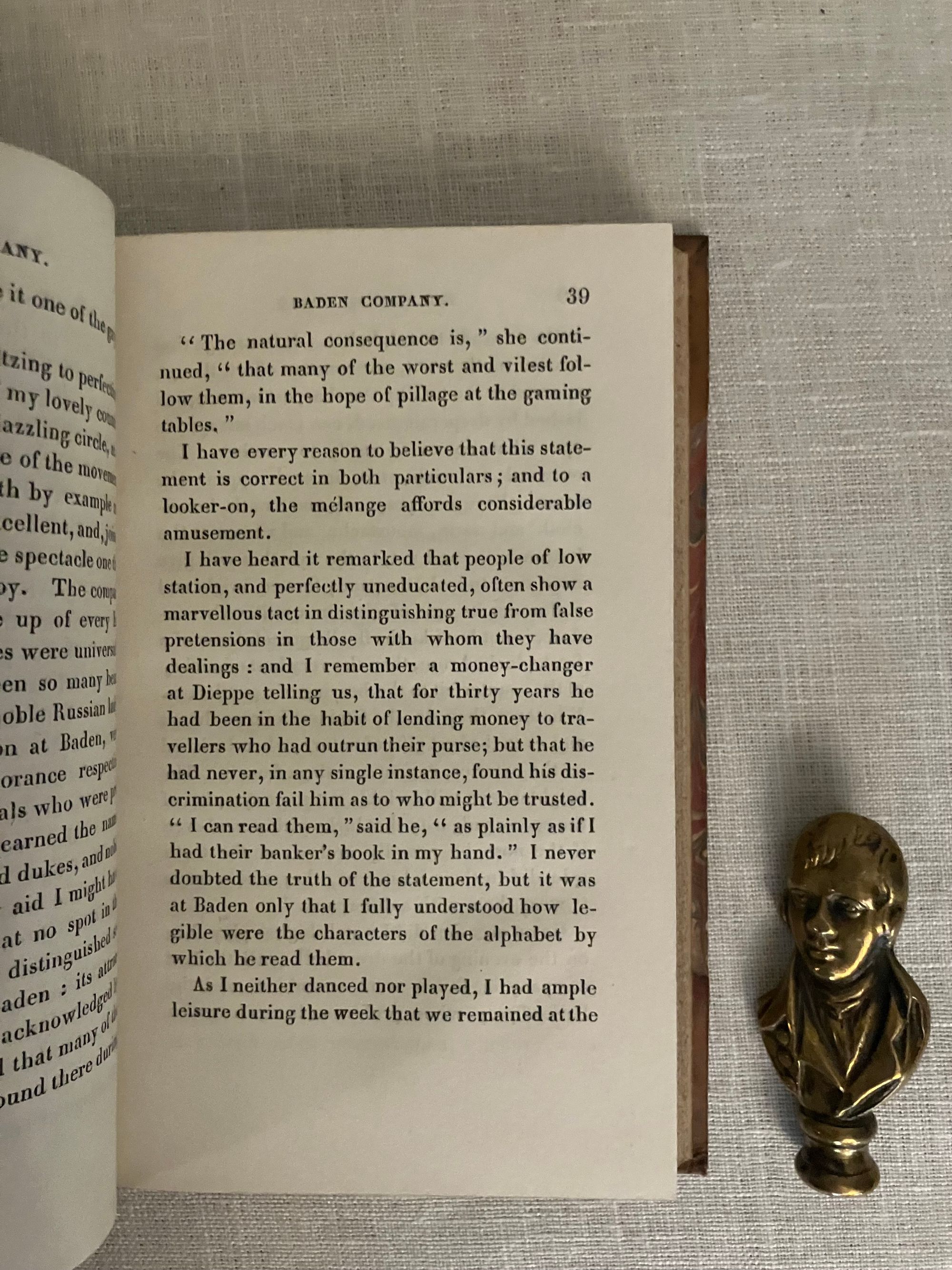
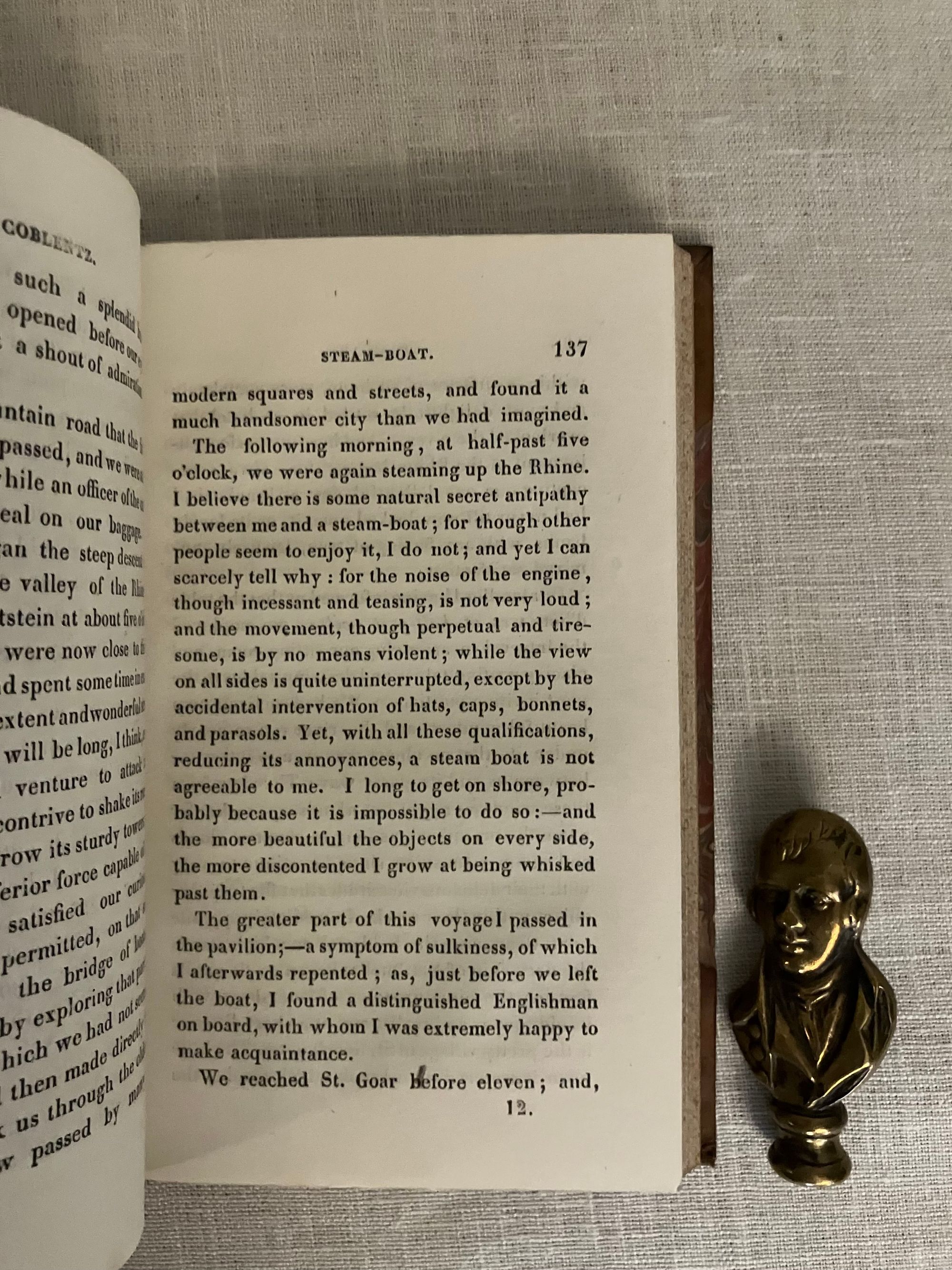


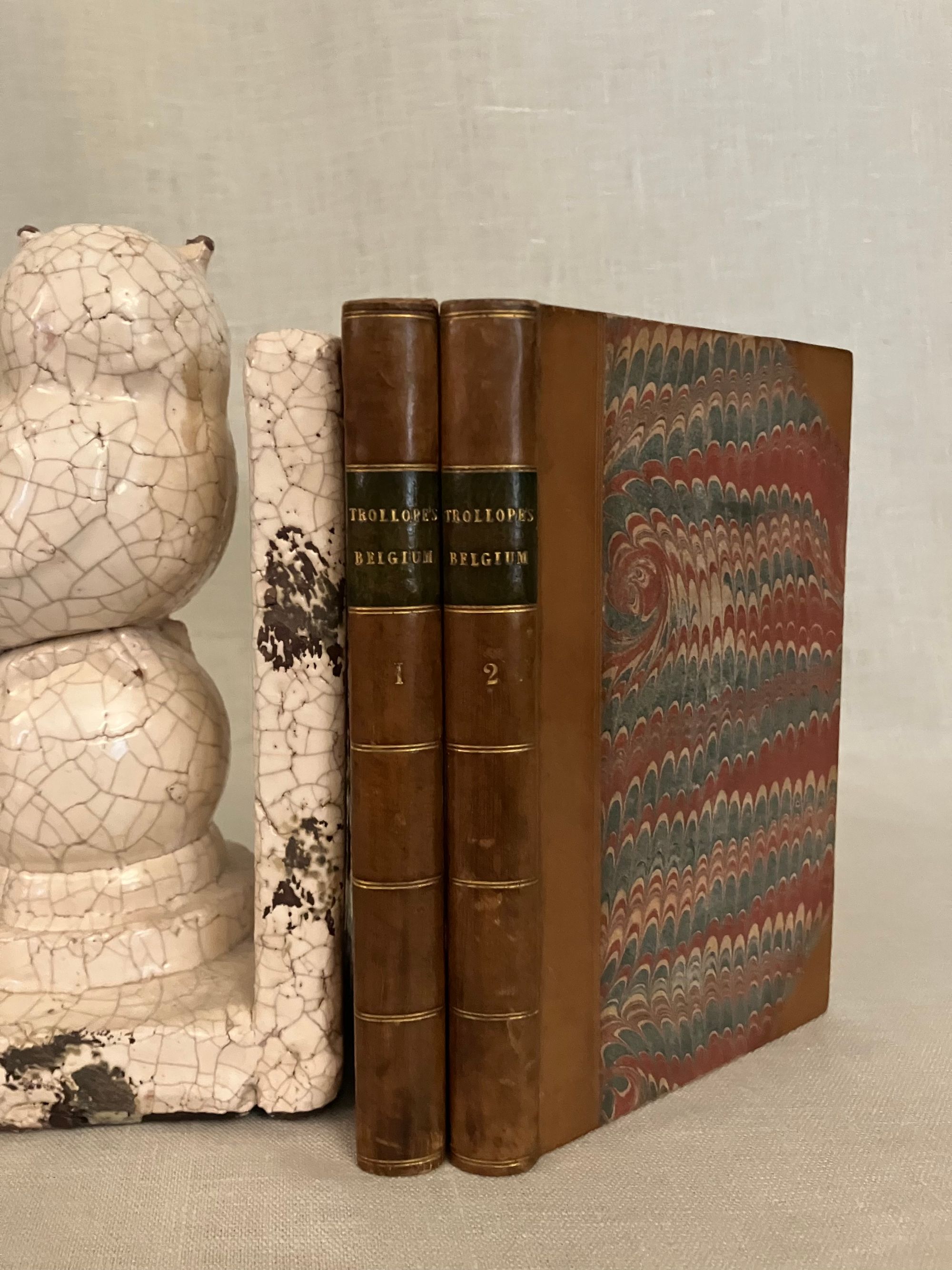
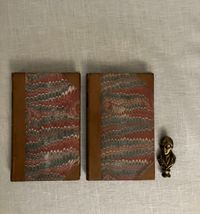
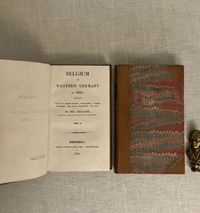
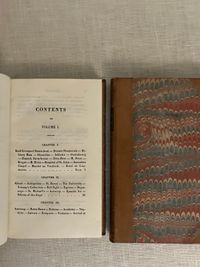
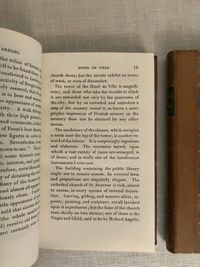
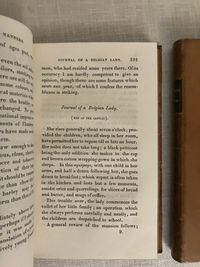
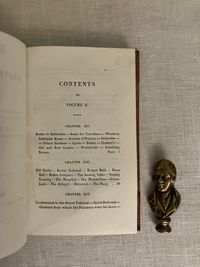
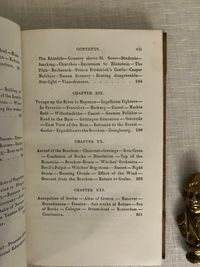
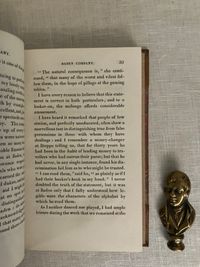
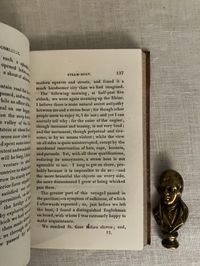
Two volume set. Hard cover, 12mo, (15.5 cm ht.) in contemporary three-quarter calf over marble paper-covered boards, the spine double ruled in gilt into six compartments, with the title tooled to an onlaid black label, with volume number below. Text in English. Top edge gilt, others speckled red. vii [blank], 300pp. AND vii [blank], 273pp. Engraved bookplate of a Manchester area textile manufacturer, John Burton Philips (1785-1847). The work was first published in London by John Murray in "early 1834," according to her biography; a Paris and this Brussels printing are also dated 1834.**CONDITION: Near Fine.Very light scuffing to board face Vol. I. Very light shelf wear. End papers moderately browned, but text pages clean and bright. A very nice set, as seen.**This non-fiction travelogue was written by "Fannie," or Frances Milton Trollope (1789-1863), the prolific early eighteenth-century British Author of a number of such travel works and popular novels which were best sellers of the times. Mother to novelists Anthony, Thomas Adolphus, and Cecilia, and mother-in-law to Frances Eleanor, she was the influential female figurehead to a literary family. Her industry and success as a writer came as a necessity when faced with the trials of loss and penury; her barrister husband Thomas went bankrupt, losing the family estate and ultimately died in 1835, leaving the family in severe financial straits. Frances had previously spent several years abroad in America at the Nashoba Community of Germantown, Tennessee, a refuge for emancipated slaves, and the publication of a reminiscence of that time funded the removal of her family to Bruges to escape the bailiffs. With the help of friends, Frances departed by steam packet to the European continent to live more inexpensively. **This book was a product of this journey, taken in 1833. Beginning with the Low Countries, she outlines explorations of Bruges, Ghent, and Antwerp with lively descriptions which would entertain even today's traveler; details of churches, and their exceptional works of art, are mixed with interesting social commentary, notes on fashion, industry, worship, agriculture and, of course, the joys of traveling by barge on canals. Reaching Brussels, the commentary takes a political turn, as she makes observations on changes come about from the fairly recent Belgian Revolution, in which the rule of King William I's of Orange- Nassau's United Netherlands dynasty was overthrown and replaced by the new constitutional monarchy established under King Leopold I of Belgium. On-the-ground reportage of dueling, and conduct of government chamber debates reveal the upheavals of the times in fascinating first hand observations.( It seems notable that she has social access to the British Minister in Brussels, yet is obstructed by a minor functionary in charge of passport control.) Later chapters have the novelist continue her journeys through the German provinces toward the Hartz Mountains of the North, with notable visits including the Landgravine of HesseHomburg, Princess Elizabeth of England, the third daughter of George the Third and Queen Charlotte. As described by her biographer: "I think that Mrs. Trollope's perception, manifested in this work, of the intrinsic greatness of Germany -- its massive force, and its moral and intellectual worth -- is not a little remarkable, when we consider the time, and the circumstances, in which she wrote. To begin with, her acquaintance with the language was very superficial, and scarcely more than enabled her to make herself understood by the population of waiters, chambermaids, coachmen, and valets de place with whom the passing tourist comes into contact ; so that she had no first-hand acquaintance with German literature to help her to a sound judgment of the people. And as for the elements of political greatness in Germany, it is not difficult to recognize them in 1895, but they lay considerably less on the surface in 1833. All that was true, solid, and genuine in the nation, appealed to her true, solid, and genuine character."(Ternan, p.190) The book reveals a sharp, inquisitive female mind and is exemplary given her difficult personal circumstances. Provenance: Engraved bookplate of a Manchester area textile manufacturer, John Burton Philips (1785-1847) on the front pastedown of both volumes. A penciled reference to the ffep. notes the book as coming from Heath House in Staffordshire. This building was completed in 1836, replacing an older structure, hence this set is presumed to have been in the original library there, and the notes within on the flax industry of Ghent may have thus been germane to the book's owner, a manufacturer of linen tapes and other textiles. Ref: J. Sutherland, p.637-39. See also: Frances Elizabeth Ternan (her d-i-law), "Frances Trollope, Her Life and Literary Work from George III too Queen Victoria," (London: Richard Bentley and Son, 1895). (AMJ)
Ref: ADV 9660
$475.00