 |
 |
 |
 |
 |
 |
 |
 |
 |
 |
 |
 |
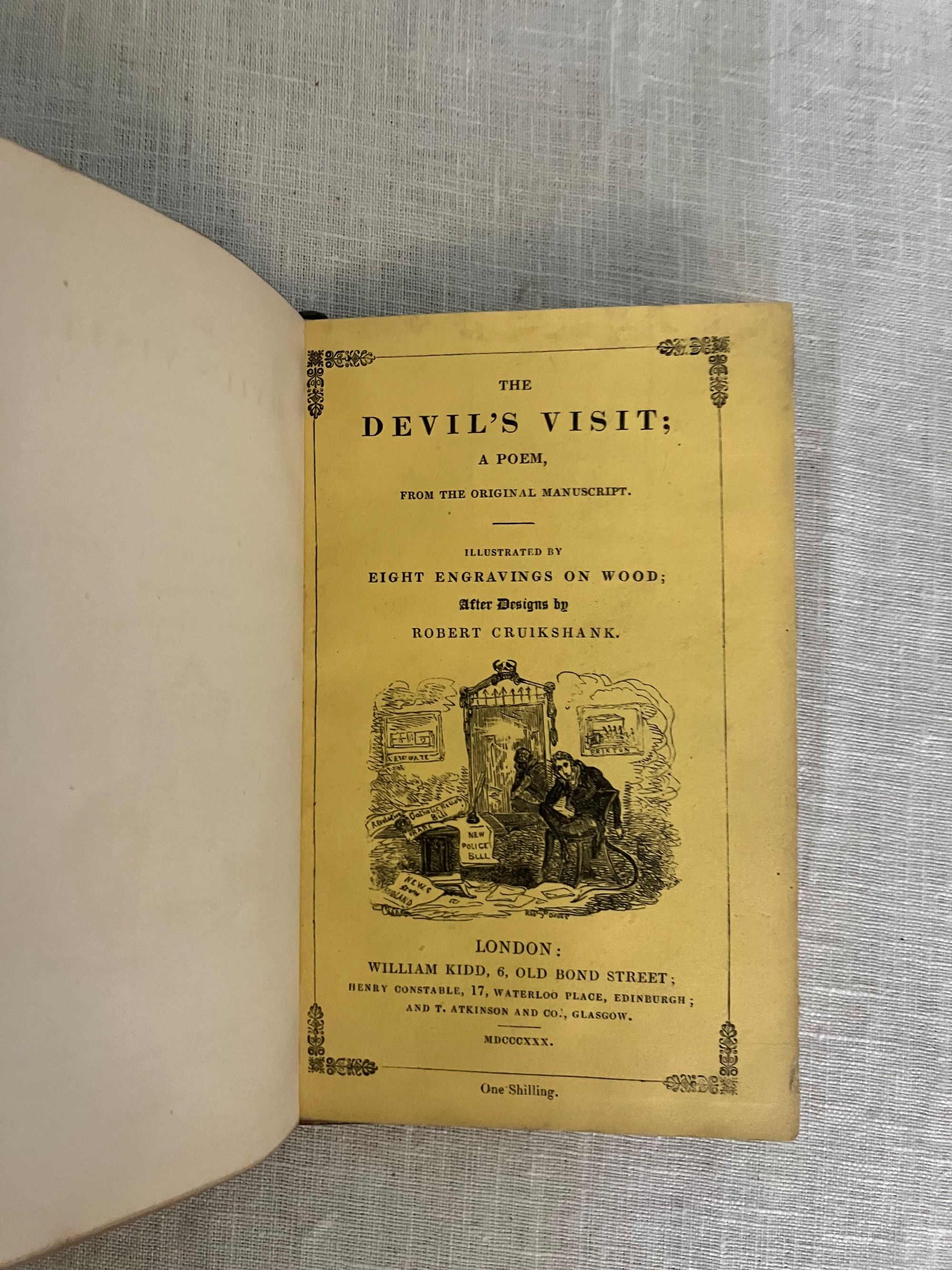
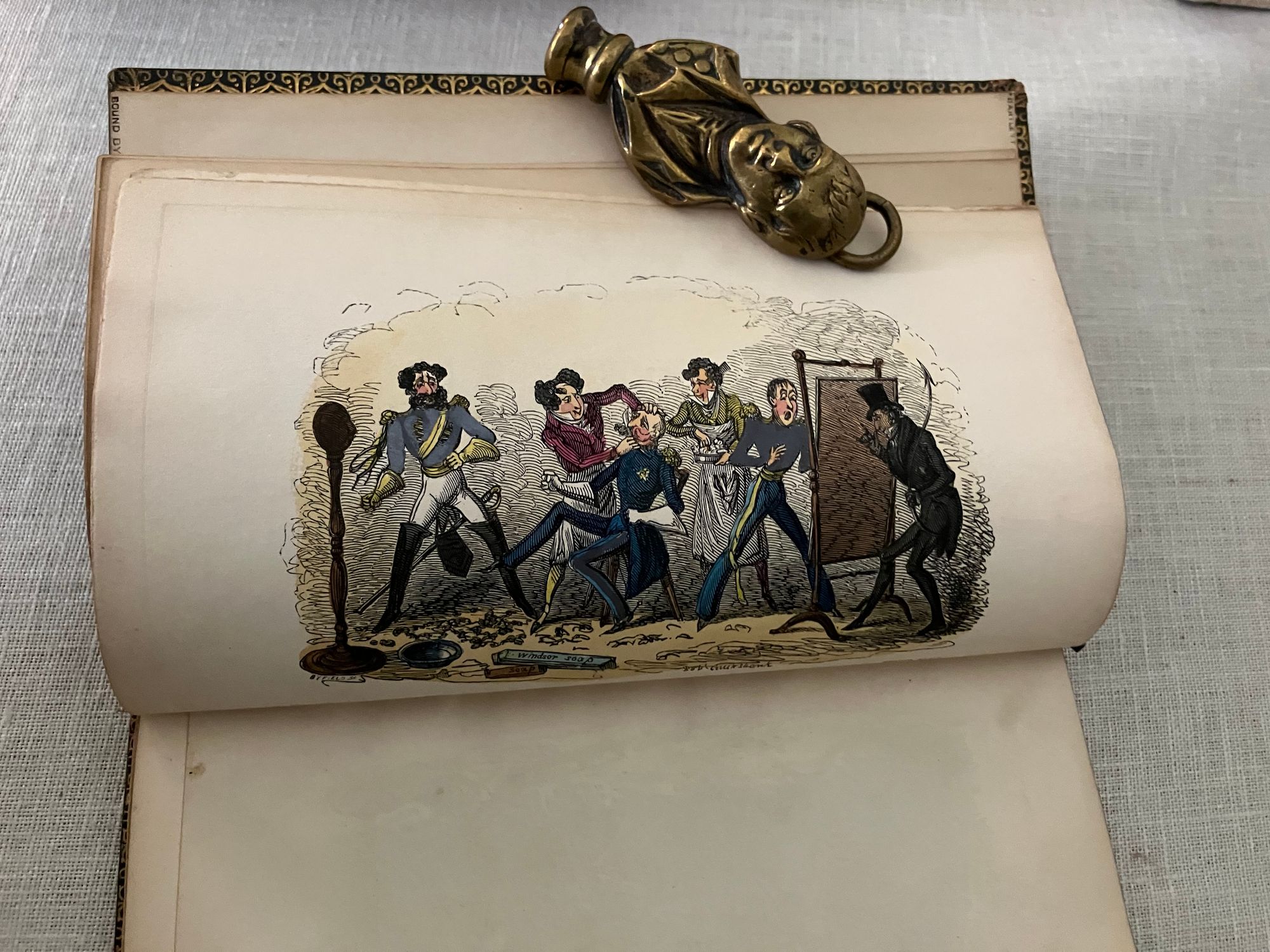
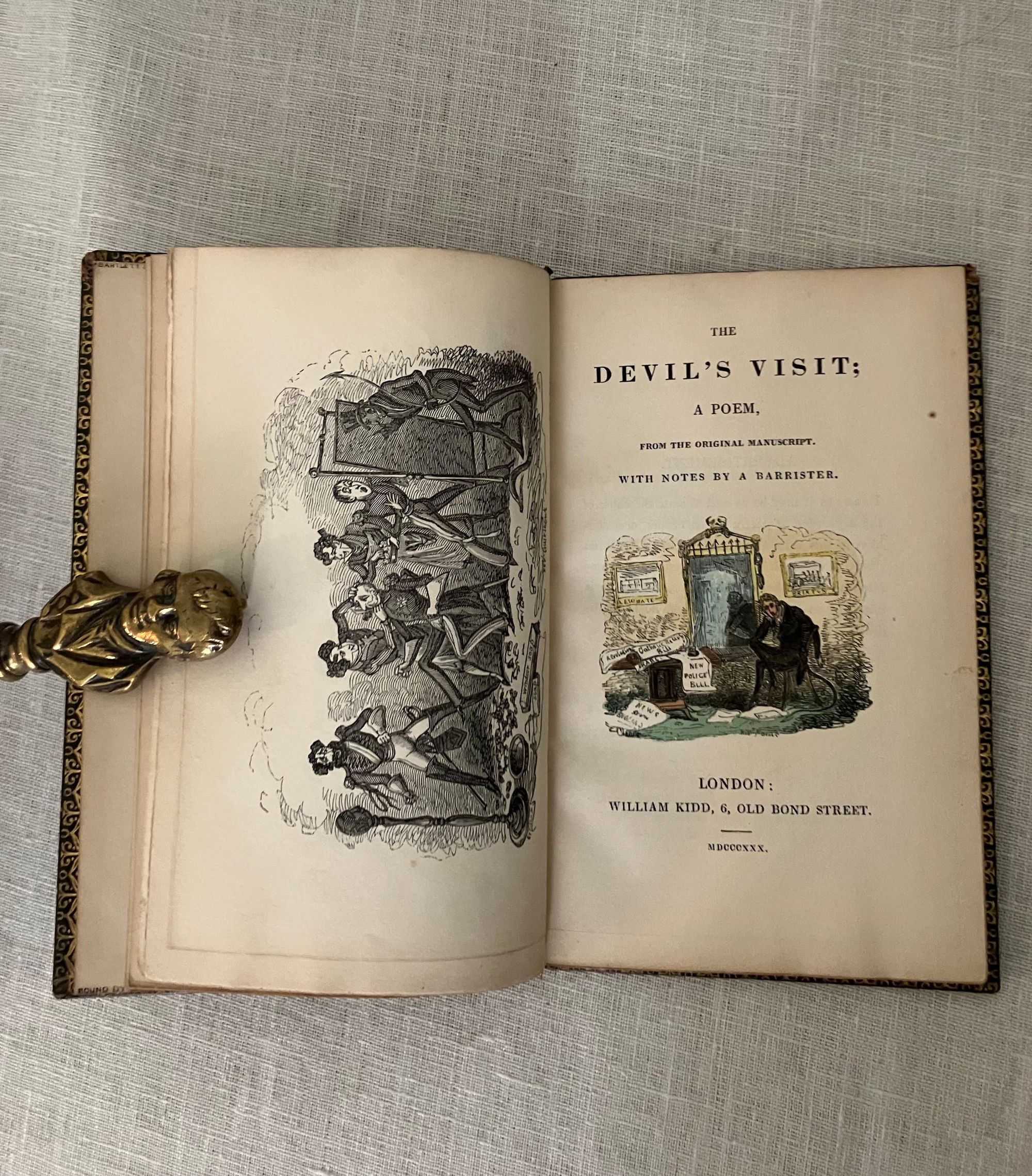
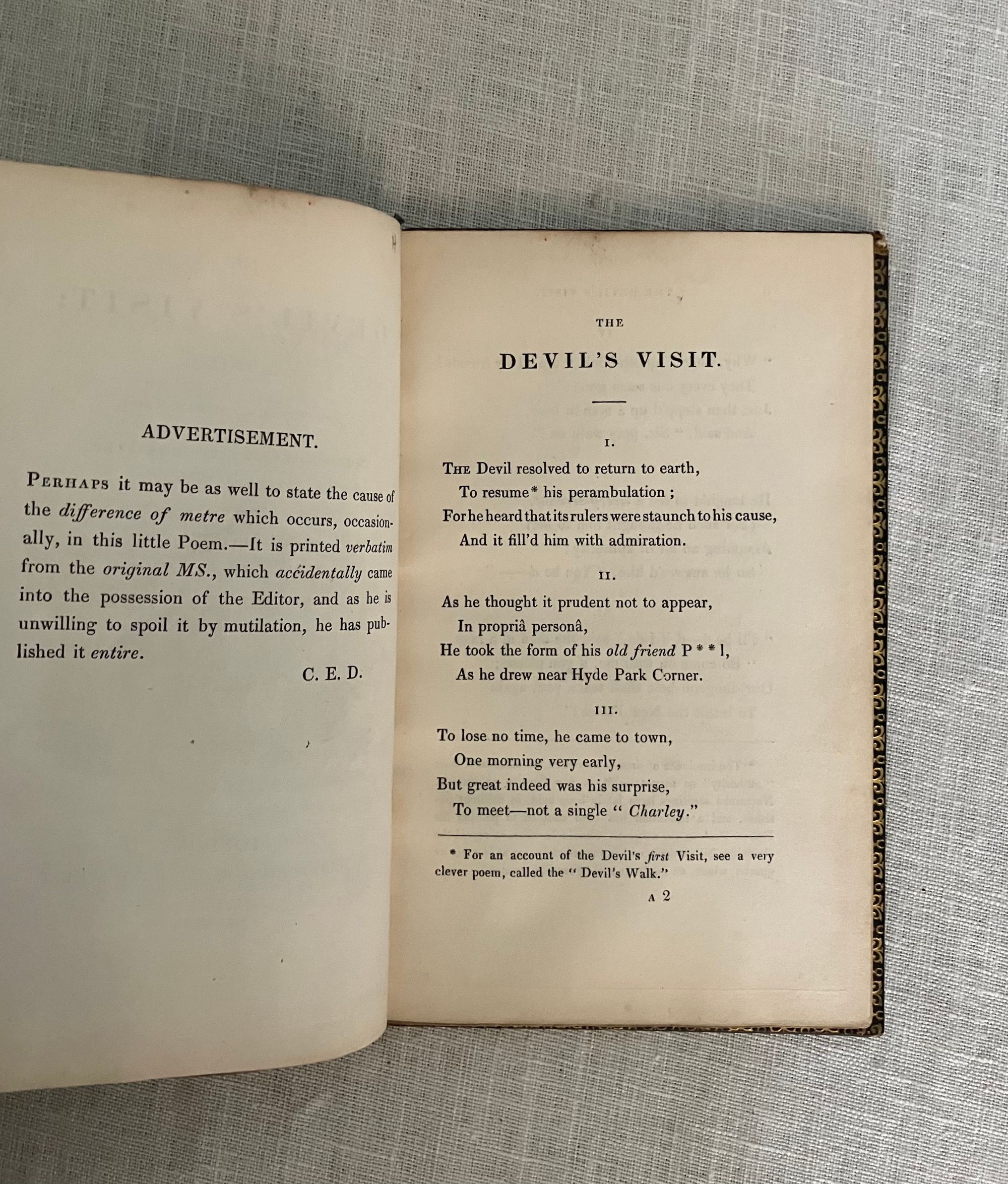
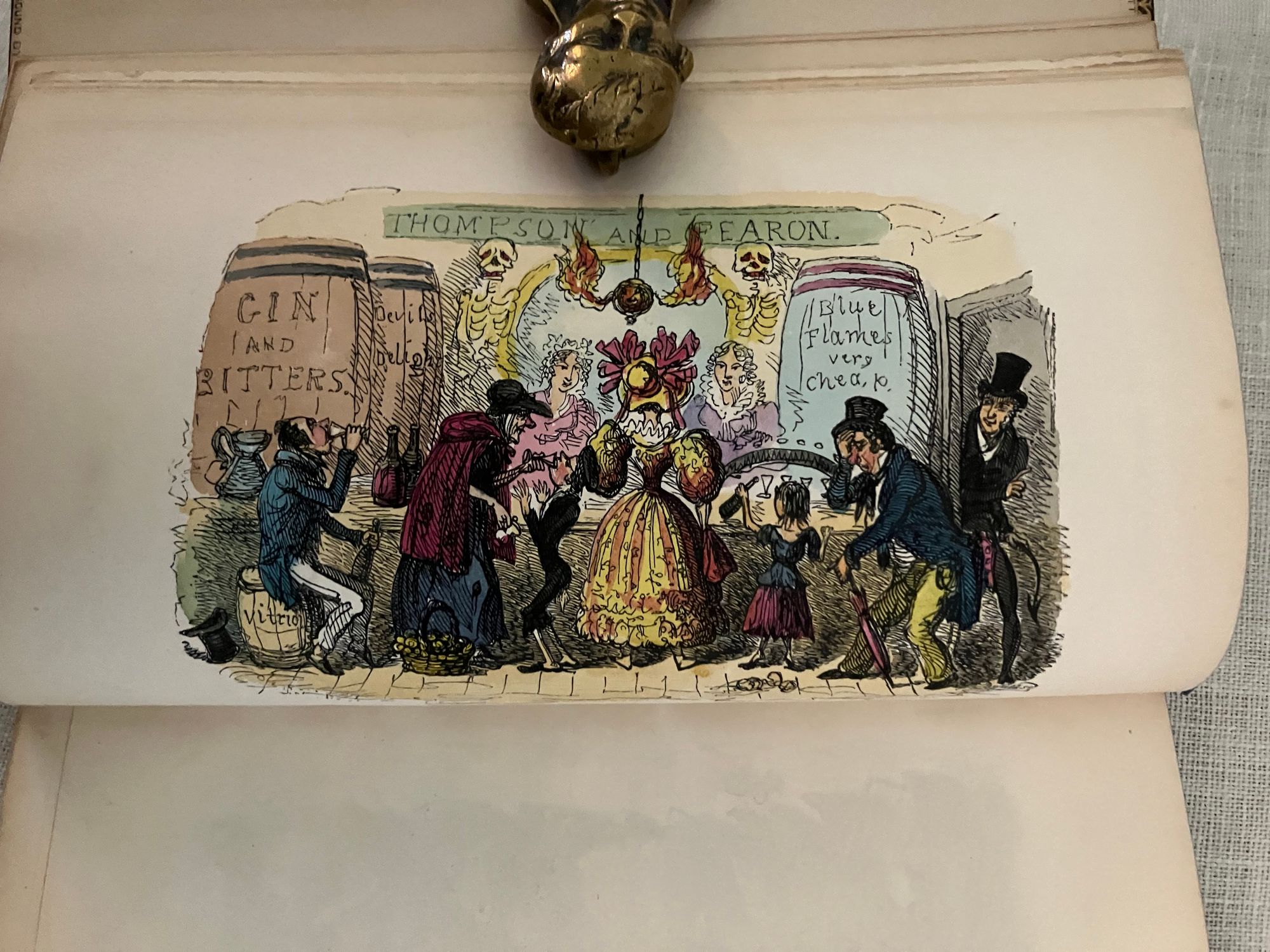
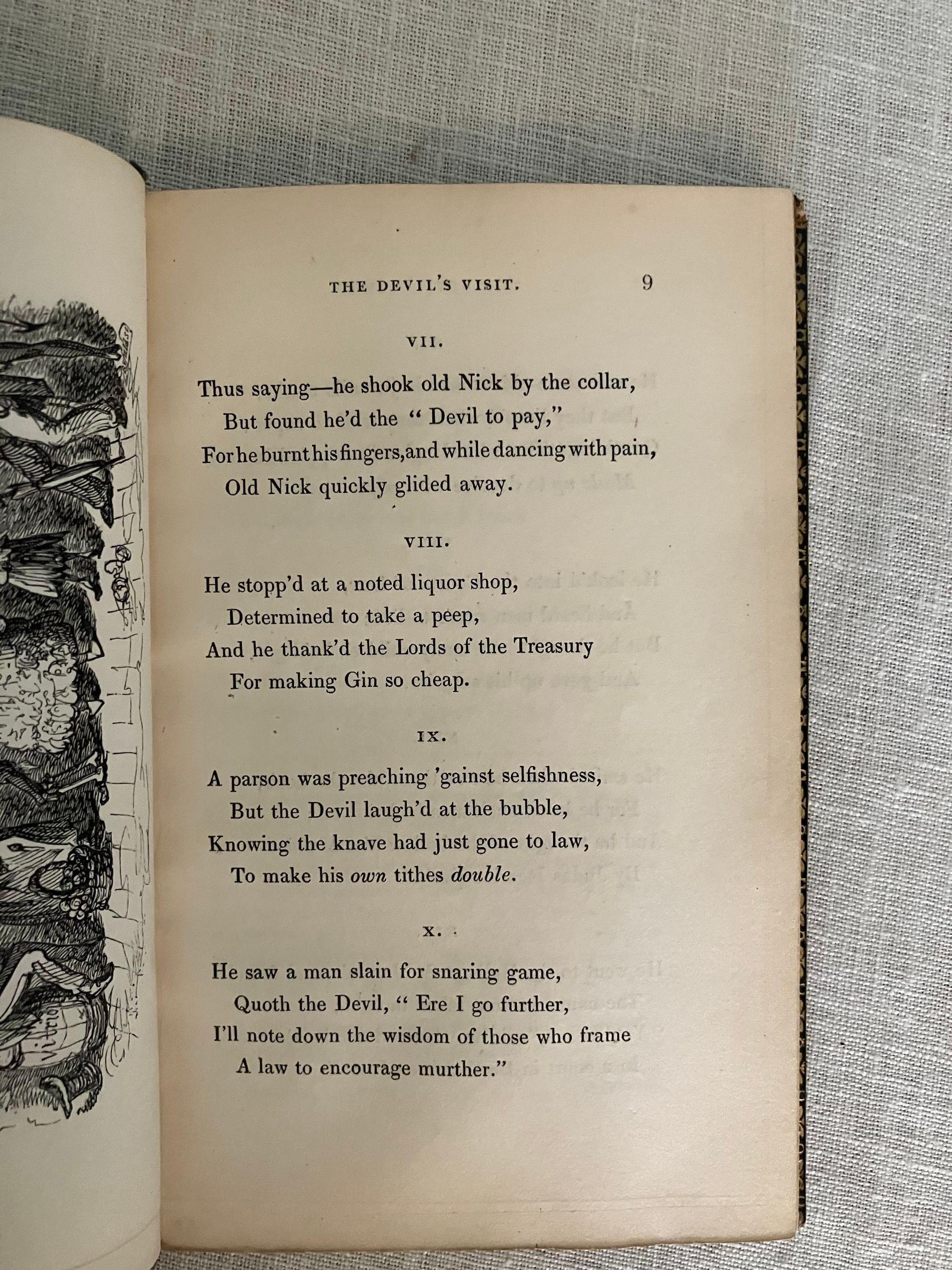
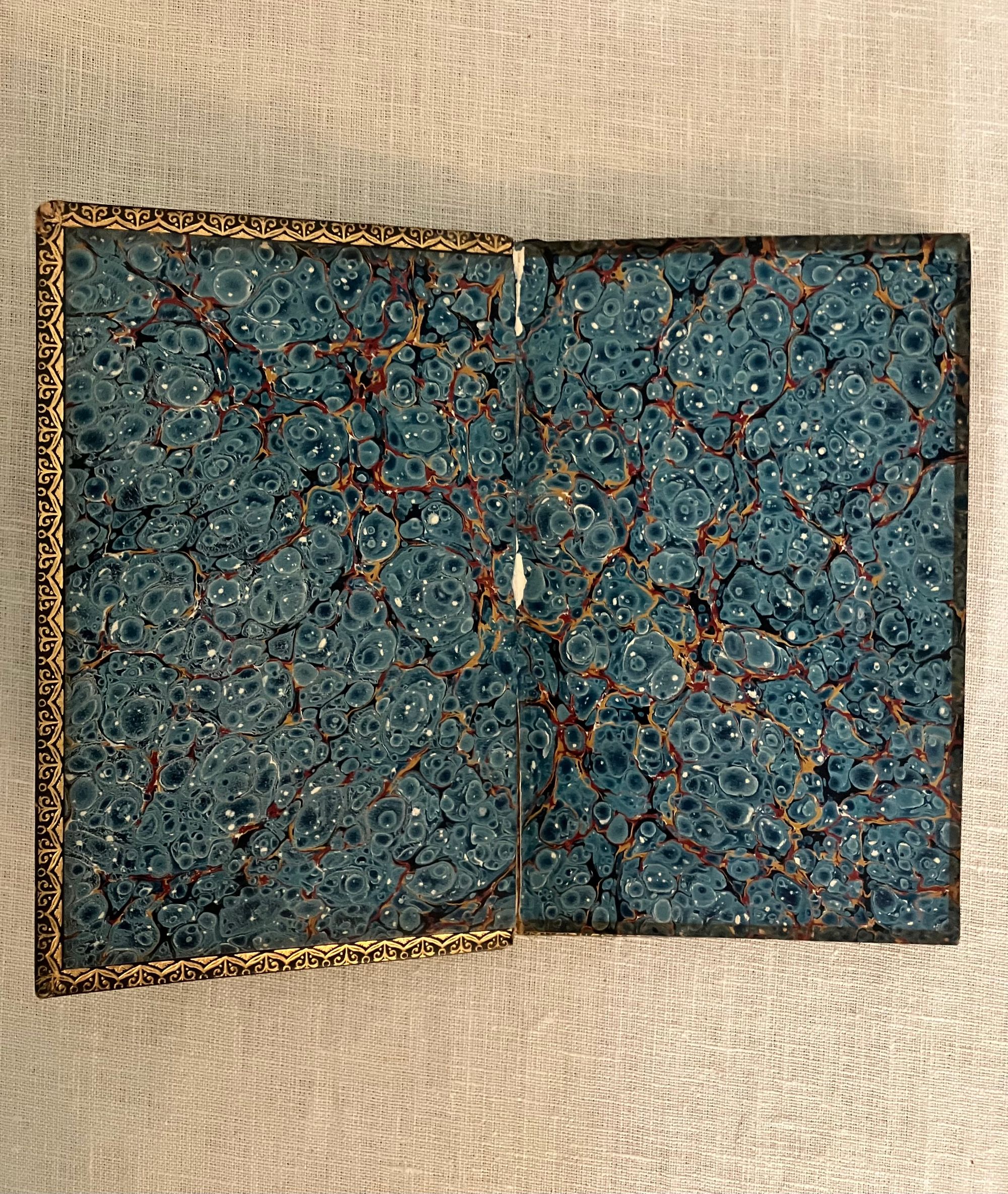
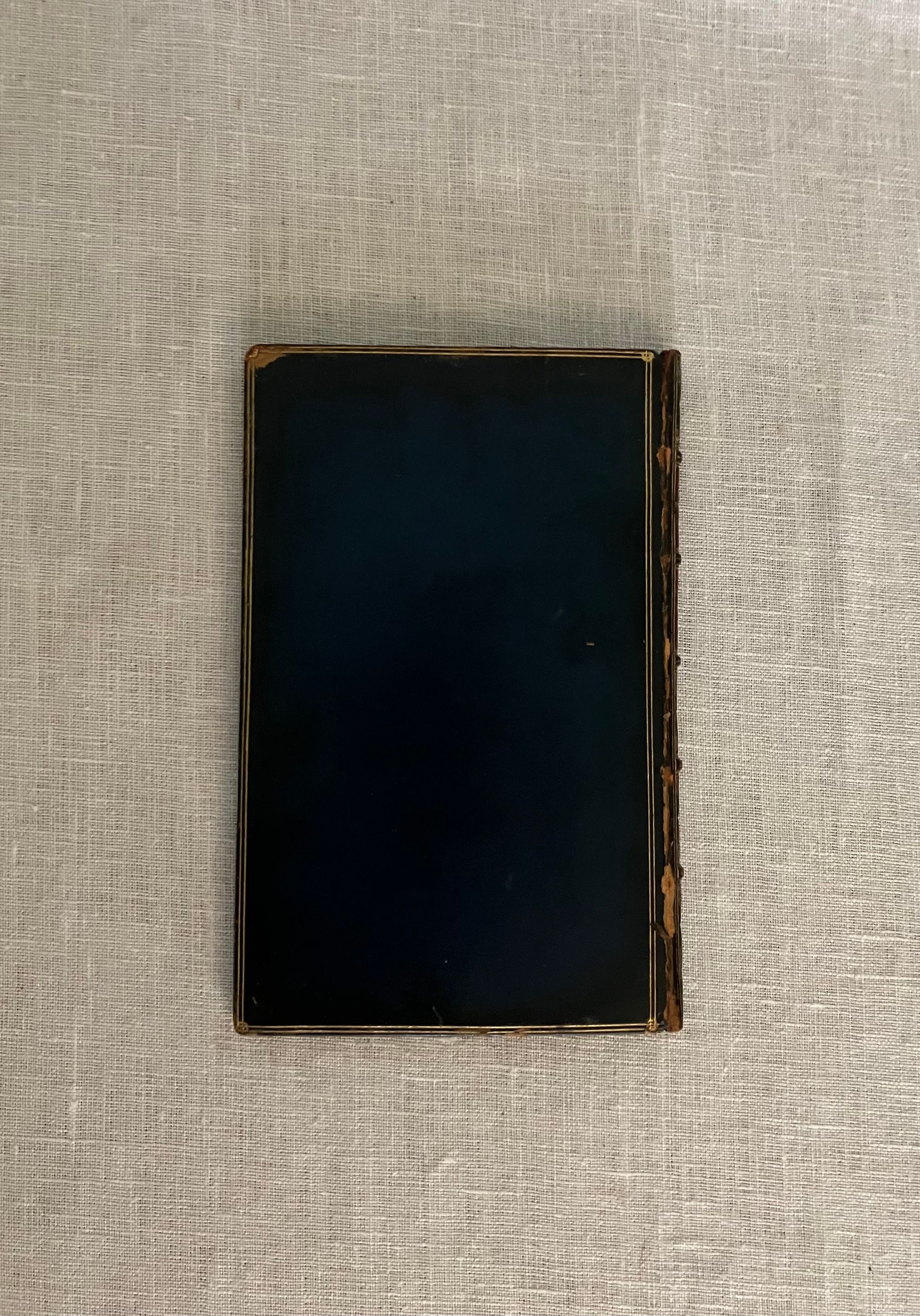
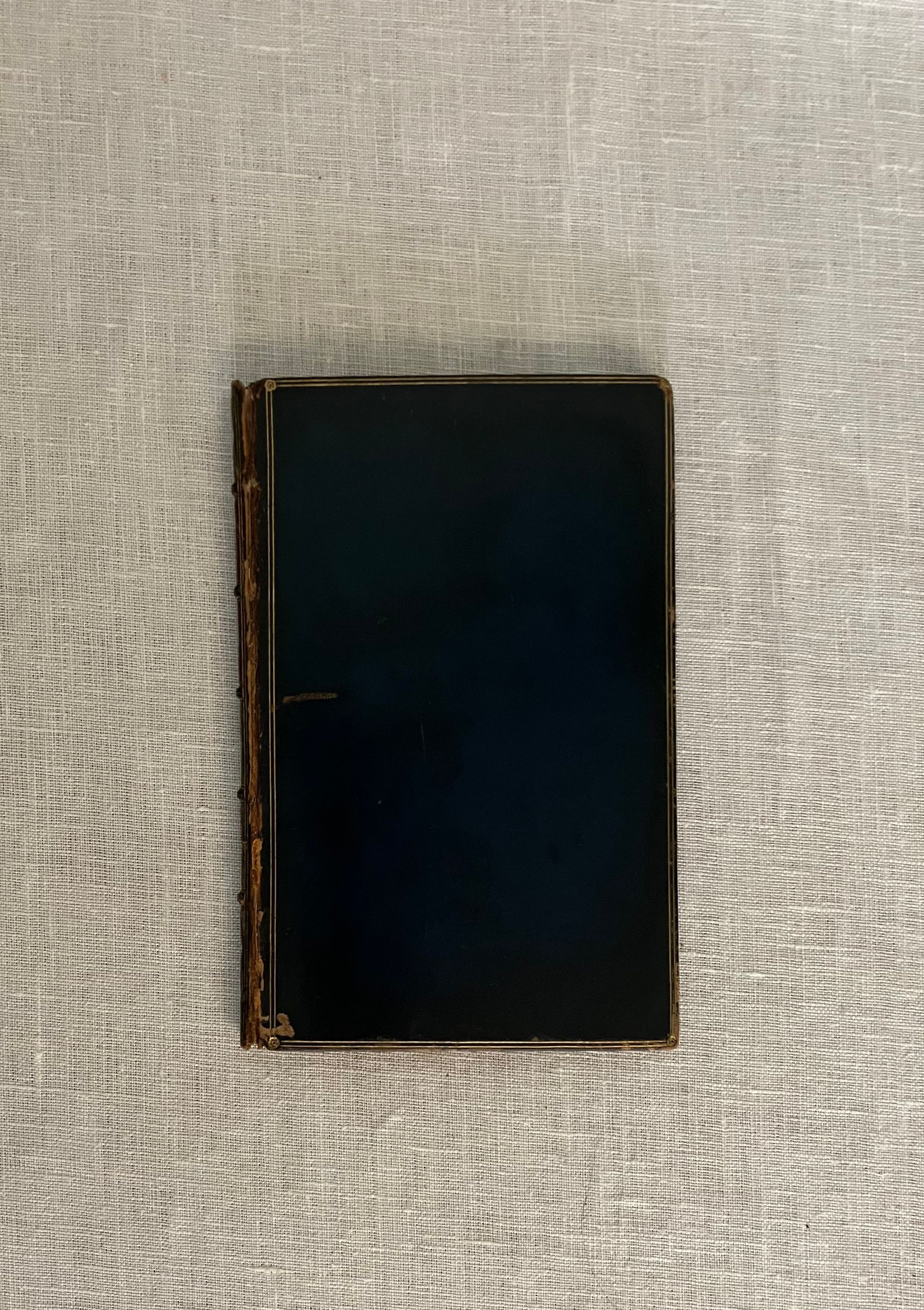


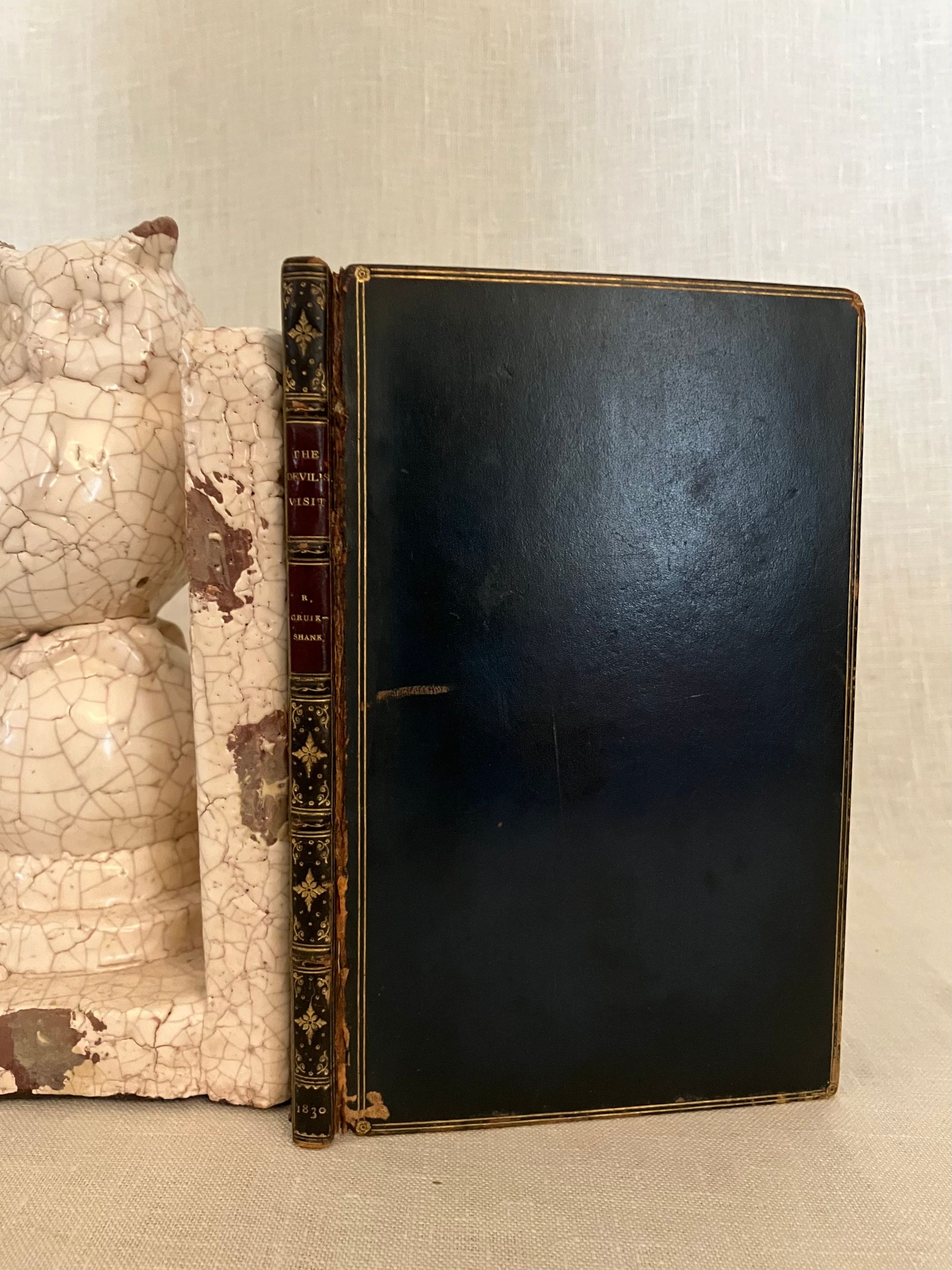
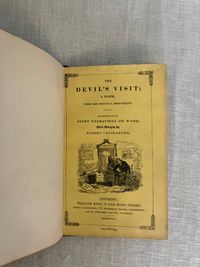
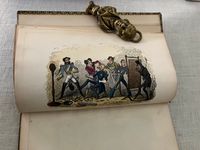
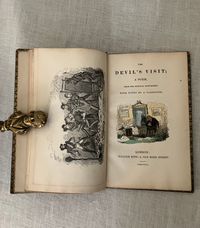
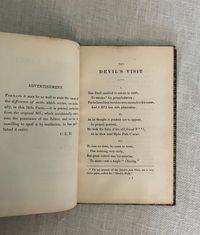
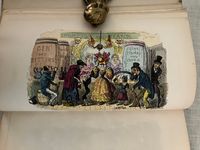
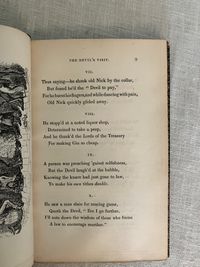
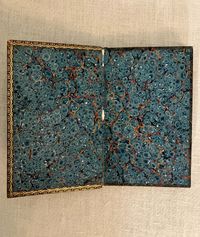
First Edition. Hard cover, 12mo, Chapbook finely bound by "Bartlett of Boston" (stamp signed to verso of marbled endpaper, ) in full blue morocco, double ruled in gilt to boards with small corner rosettes. The spine's five raised bands enclose compartments tooled with gilt decorations and two burgundy onlaid labels gilt with title and the illustrator's name., "R. Cruikshank." Top edge gilt, board edges with double rules. Silk bookmark intact. Inside, the publisher's original illustrated yellow paper chapbook wraps, with advertising to rear of wrap, are bound-in. Illustrations feature the wood-engraved plates in two states, with 6 black and white full page, and total of 8 hand-colored, including 6 full page, and vignettes to title page and one footer. Printer "C. Whittingham, 21 Tooks Court, Chancery Lane." [5], 36, [5]. CONDITION: Very Good. Some minor scuffs to boards. Outer joints are cracked but holding firm. Font hinge may have been re-glued in past, rear hinge is in order. Text block remains clean and bright. **British Caricaturist and ARTIST (Isaac) Robert Cruikshank (1789-1856) was the older brother of the arguably more famous George Cruikshank; both were sons to London engraver and printmaker Isaac Cruikshank. Robert, as he was known professionally, served in the merchant marine during the Napoleonic Wars, later returning to his artistic career. (Nat. Portrait Gallery). His satiric illustrations in this work are well-matched to the barbed political satire of the prose.**** "The Devil's Visit" is a sequel in the style of Robert Southey's popular satirical poem, "The Devil's Walk" (1827), which in turn was an expanded version of "The Devil's Thoughts" (1799) by Samuel Taylor Coleridge. Despite this literary heritage, the author of "The Devil's Visit" is unknown. Generally, however, the subject of witchcraft folklore, demonology and prophecy were common themes seen from the seventeenth century onward in English chapbooks. (Weiss, pp. 104-107). These works are all satirical poems imagining what the devil would think of London if he came to visit, and touched upon many topical political and economic issues of the day. The devil's first encounter in London is an officer of the "New Police" in London, as the Metropolitan Police had just been established in 1829 by Sir Robert Peel. The poem goes on to criticize the church for taking money from the poor, the law for killing a man for poaching, and mocks the government's crippled finances. Gin palaces, and the expense of the upcoming coronation of King William IV were also targets for the poet.**This volume represents a brief highpoint of the high quality chapbook production of the 1830's, utilizing higher quality paper stock and hand coloring. Priced originally at one shilling, the work was aimed at a newly literate middle class reader. (Weiss, p. 7)** PUBLISHER William Kidd, specialized in chapbooks and often used illustrators like Cruikshank for his publications. REFS: B. Maidment, "Thief of the name of Kidd: "Unscrupulous Opportunism and Cheap Print in Late Regency London.." Victorian Popular Fictions, Vol. 3.2 (Autumn 2021): pp. 21-44. For a fuller description of these satirical poems and their publication, see: R. W. Rix, "Fugitive Text: Robert Southey and S. T. Coleridge's Ballad of the Devil," in Romantic Textualities: Literature and Print Culture, 1780-1840, Vol. 24 (Winter 2021). H. Weiss, A Book About Chapbooks, (Hatboro, Penn. : Folklore Assoc. 1969) OCLC #2756199. (AMJ)
Ref: ILLUS 9598
$185.00