 |
 |
 |
 |
 |
 |
 |
 |
 |
 |
 |
 |
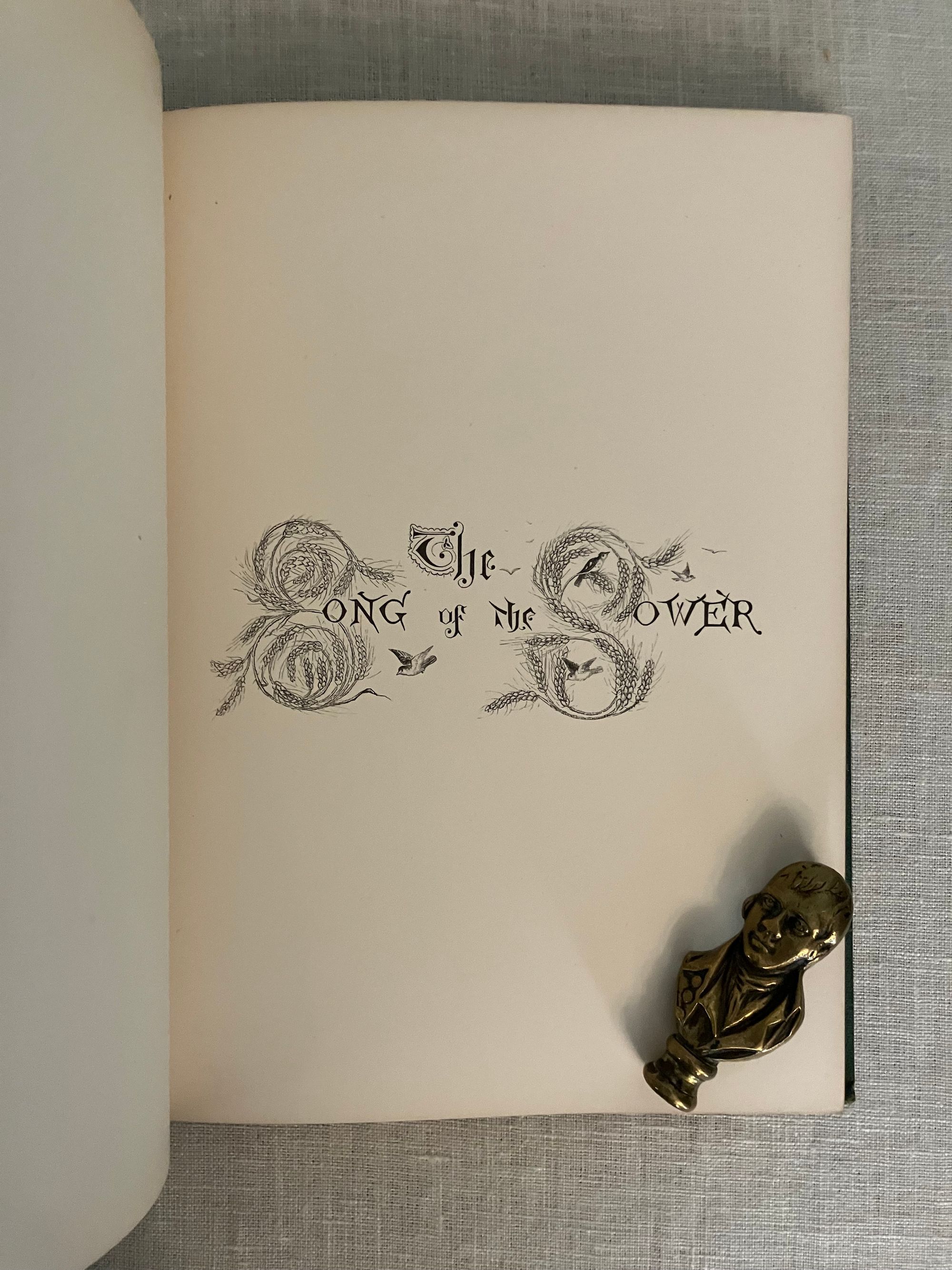
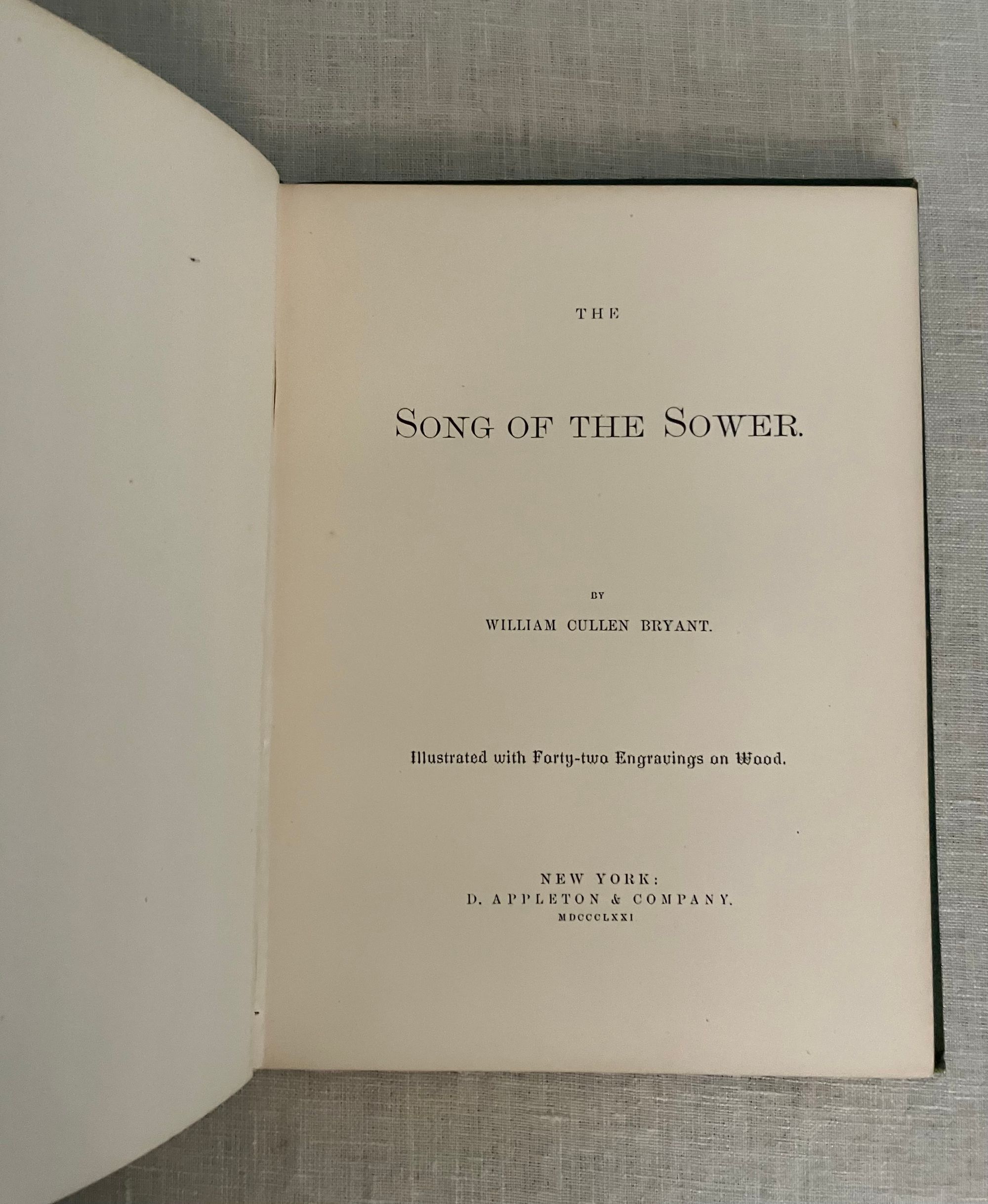
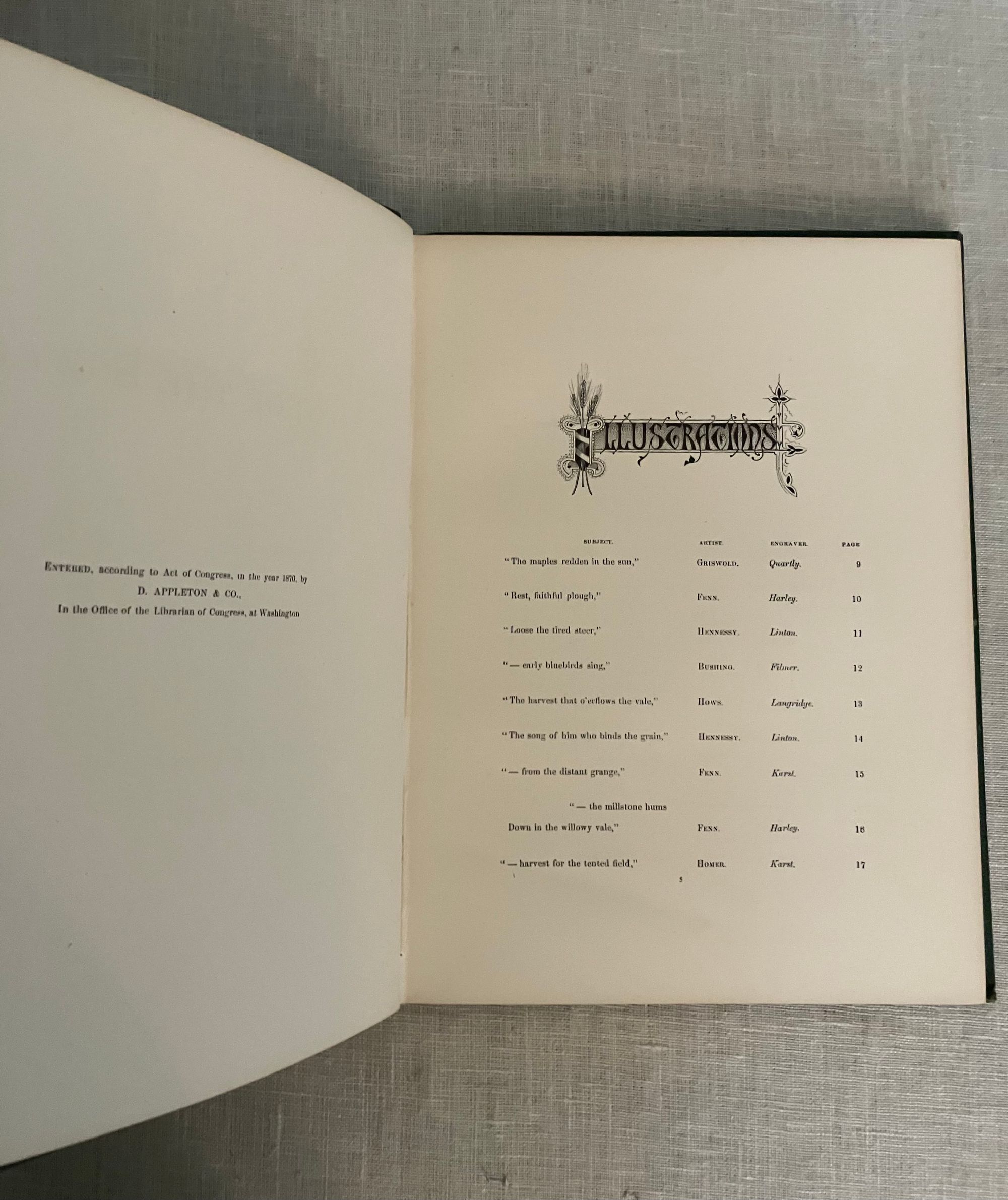
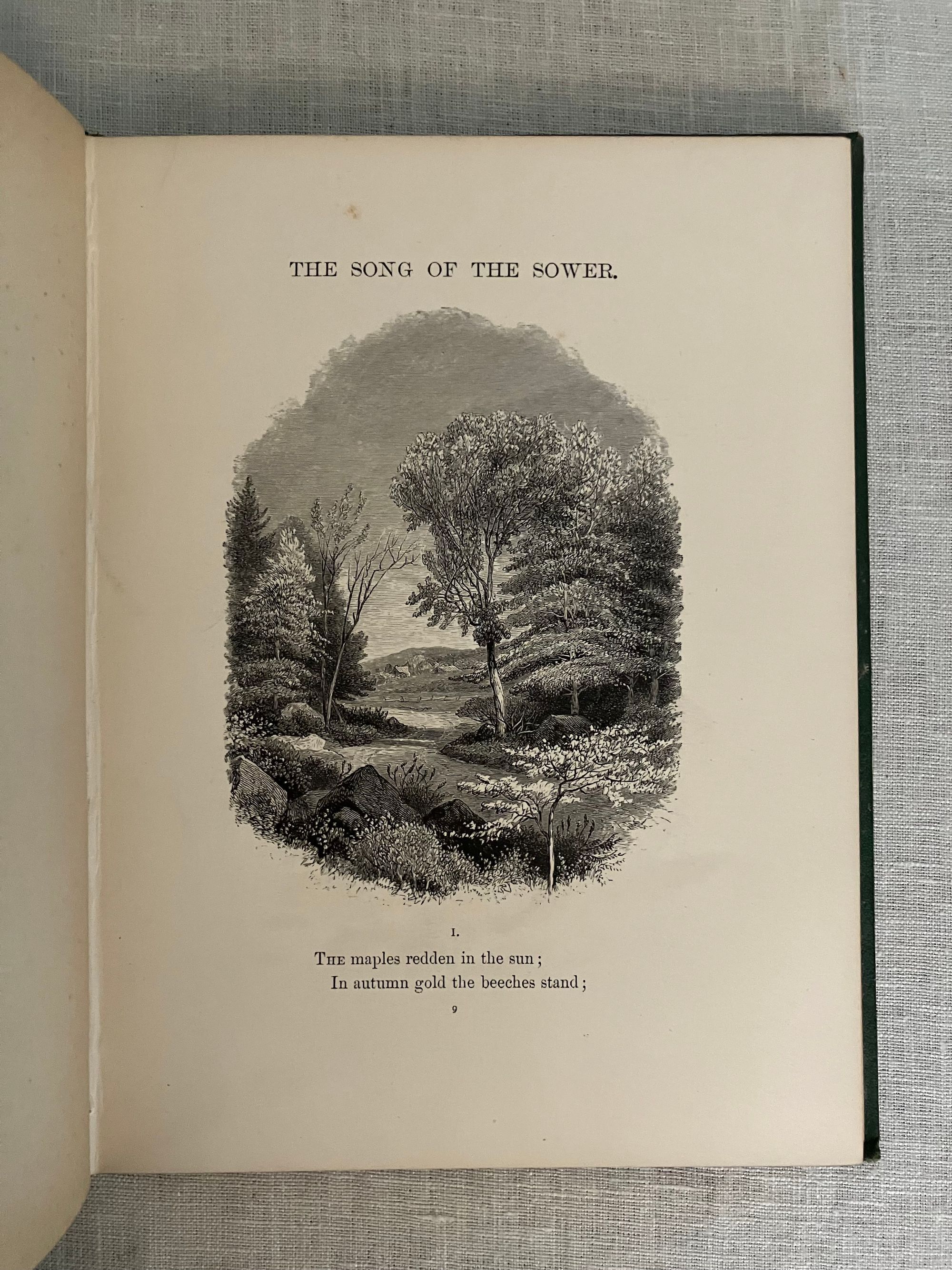
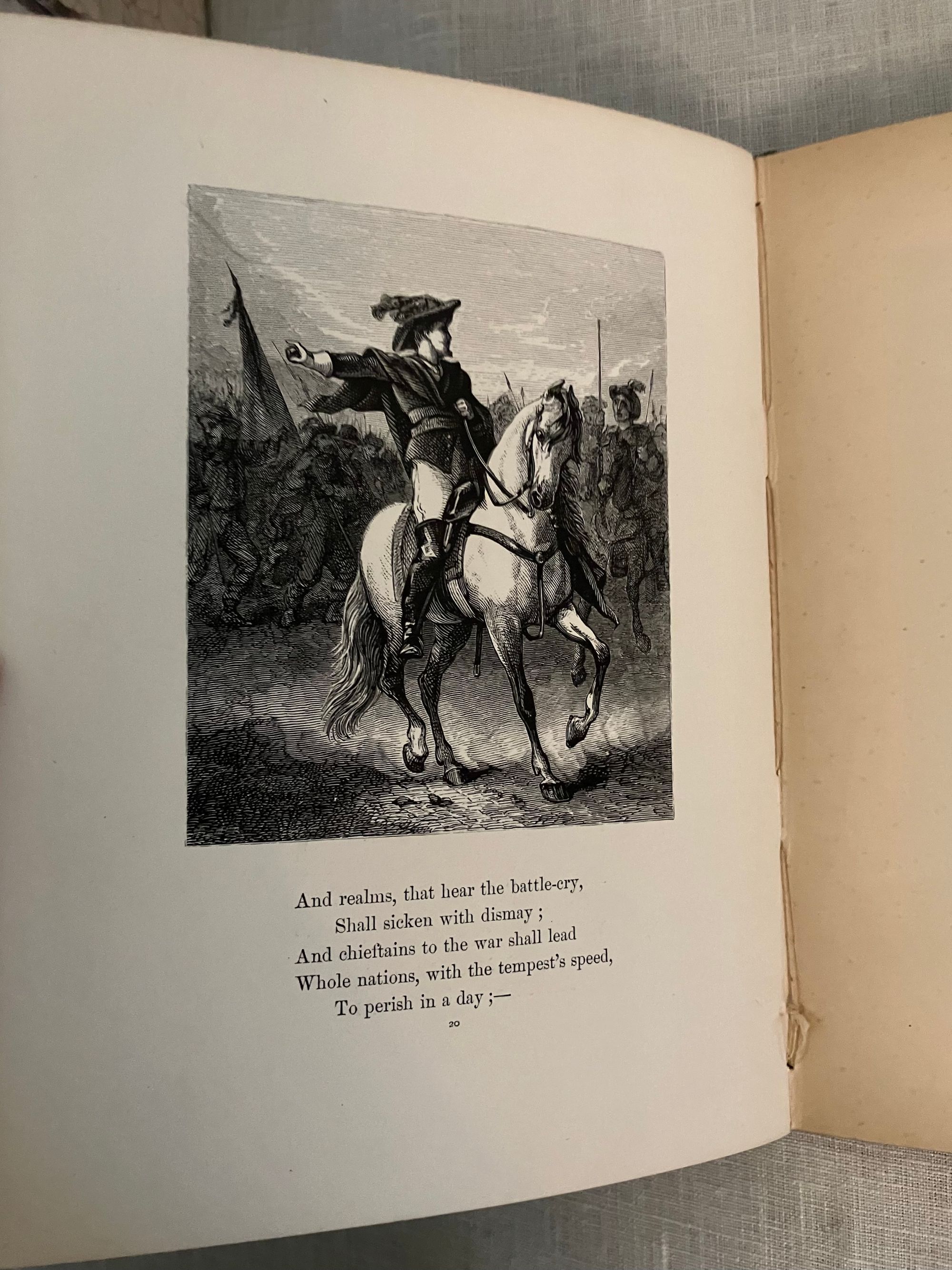
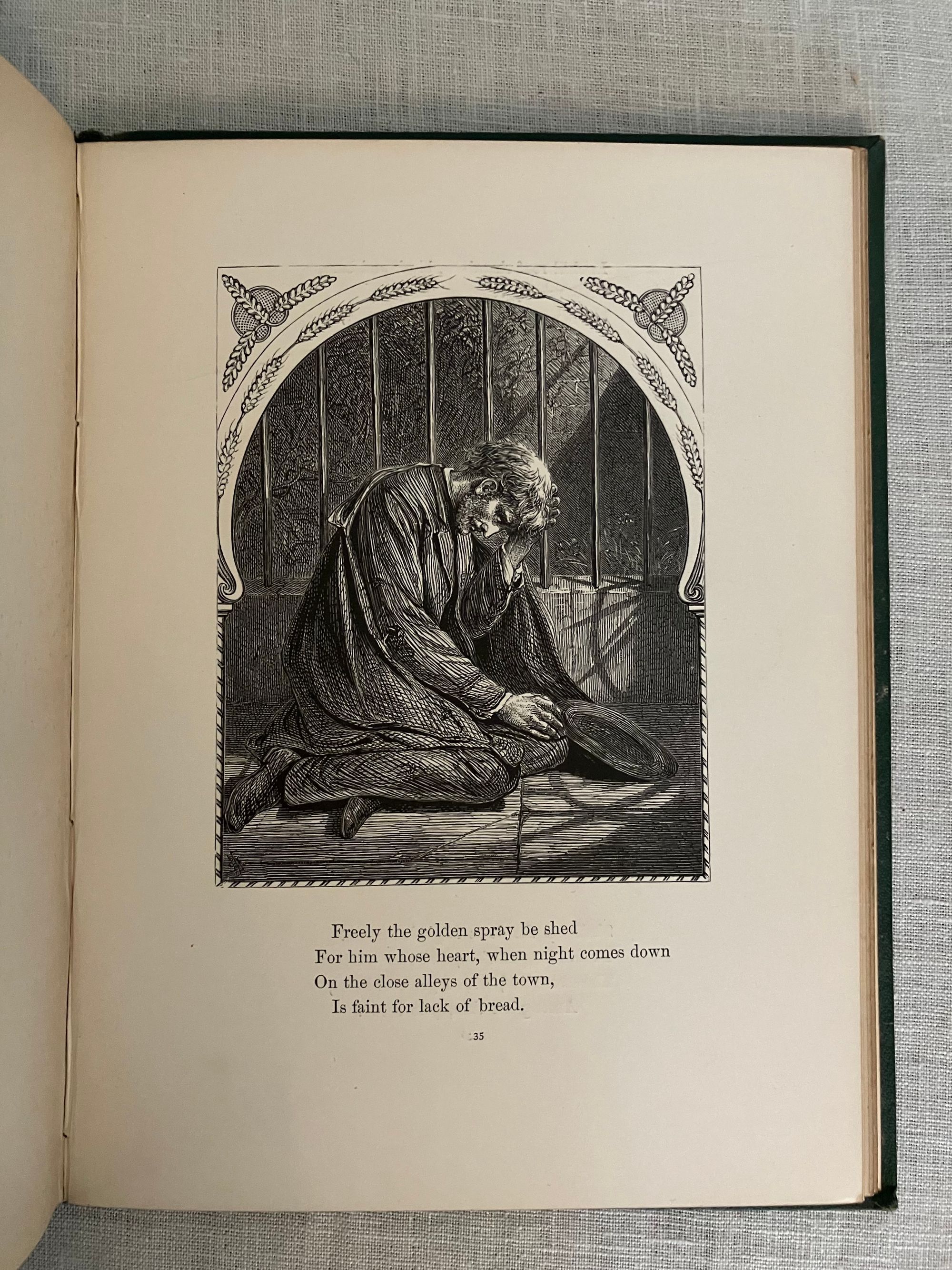
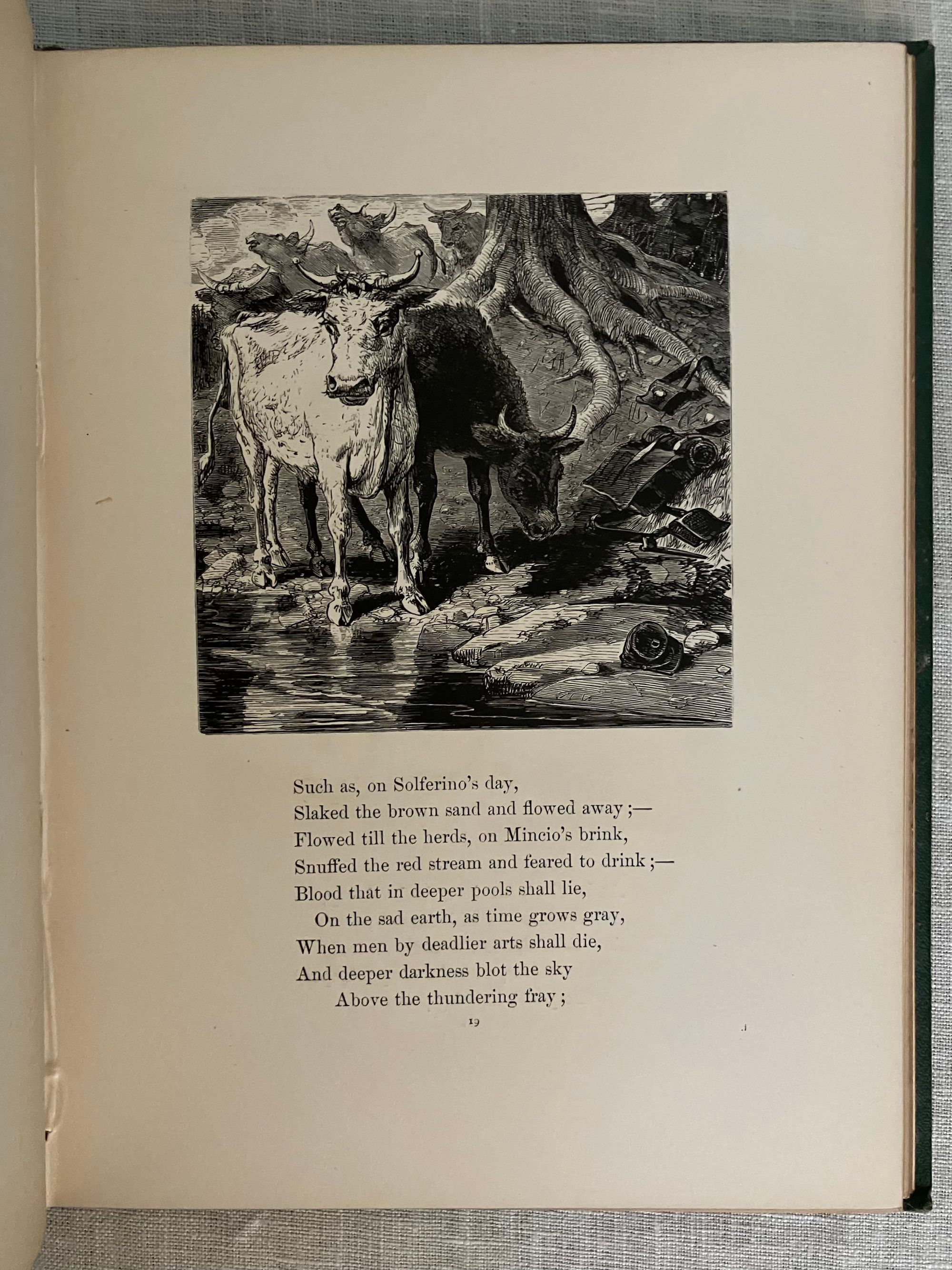


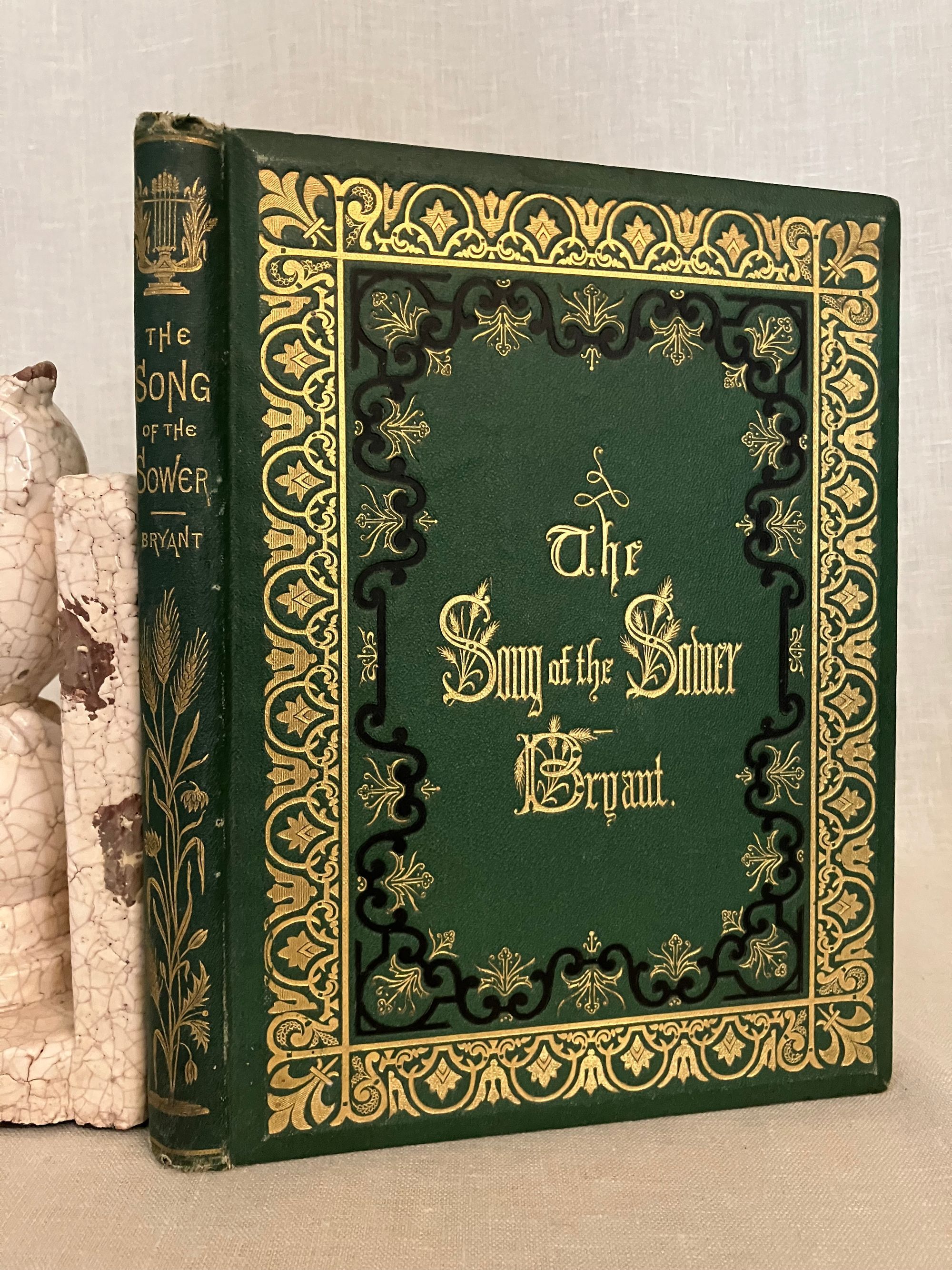
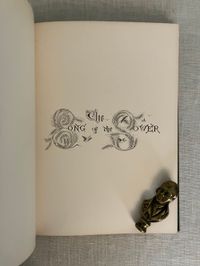
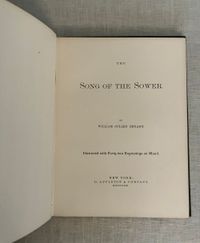
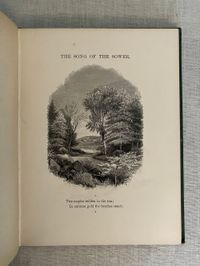
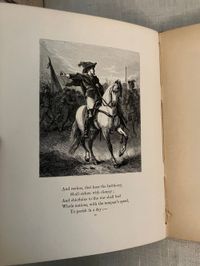
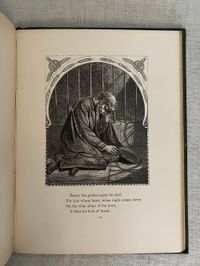
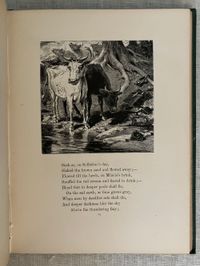
First illustrated edition. Hard cover, Crown 8vo, (measuring 6 ¼ x 9 inches) in publisher's original green cloth, blocked in black and gold with bands of floral and fleur de lis decoration. Boards with chamfered edges. Titles to center top board in gilt. The decorated spine features a lyre and wheat sprig in addition to the title. Rear board stamped in blind. All edges gilt, printed on glazed stock (japon?) 48 pp. Decorated half title. 42 illustrations each with facing blank page ( to counteract offset.) Copyright 1870; BAL says advertised release date was Dec. 1870. **CONDITION: Very Good. Minor rubbing to tips and very light fraying at head and foot of the spine. Inside, an Christmas 1871 gift inscription in old pencil to the ffep. All engravings face blank pages presumably to prevent offset. Several of the "guard" pages have moderate foxing to the lower third of the page, which does not affect the facing text or images. Hinges were reinforced at some point, in an inconspicuous repair. Spine cracked in one place. Pages lightly toned. **The Forty two engravings include three after American artist Winslow Homer (on pp. 17, 19 and 29), and others by the notable artists Harry Fenn and William John Hennessy. The very fine wood engraved art is notable for it detail and skill, and much care has been taken to design each page to link art to text. First released (without illustration) as part of 1864's "Thirty Poems," "The Song of the Sower," a Christian allegory, evocatively paints a picture of social challenges facing working men and women in the wake of nineteenth-century American work, highlighting the plight of those who are disadvantaged. Illustrations show, for instance, a female Massachusetts mill worker at her loom; a seamstress asleep at her work table; shipwrecked men; a starving homeless man; a widow and her hungry children, among others. The fate of these people is contrasted with those, including farmers, whose more direct connection with the land provides the solace of natural order. ** Massachusetts-born Poet WILLIAM CULLEN BRYANT (1794-1898), one of the Fireside poets, writes about the dignity and sacrifice of soldiers, and working men and women of the post-Civil War era. See Winslow Homer: A Descriptive Checklist of His Illustrations in Books, Princeton Univ. Library Chronicle, Nov. 1939 p. 27. BAL No. 1720. This would make a fine gift.
Ref: POEMUS 9508
$175.00