 |
 |
 |
 |
 |
 |
 |
 |
 |
 |
 |
 |
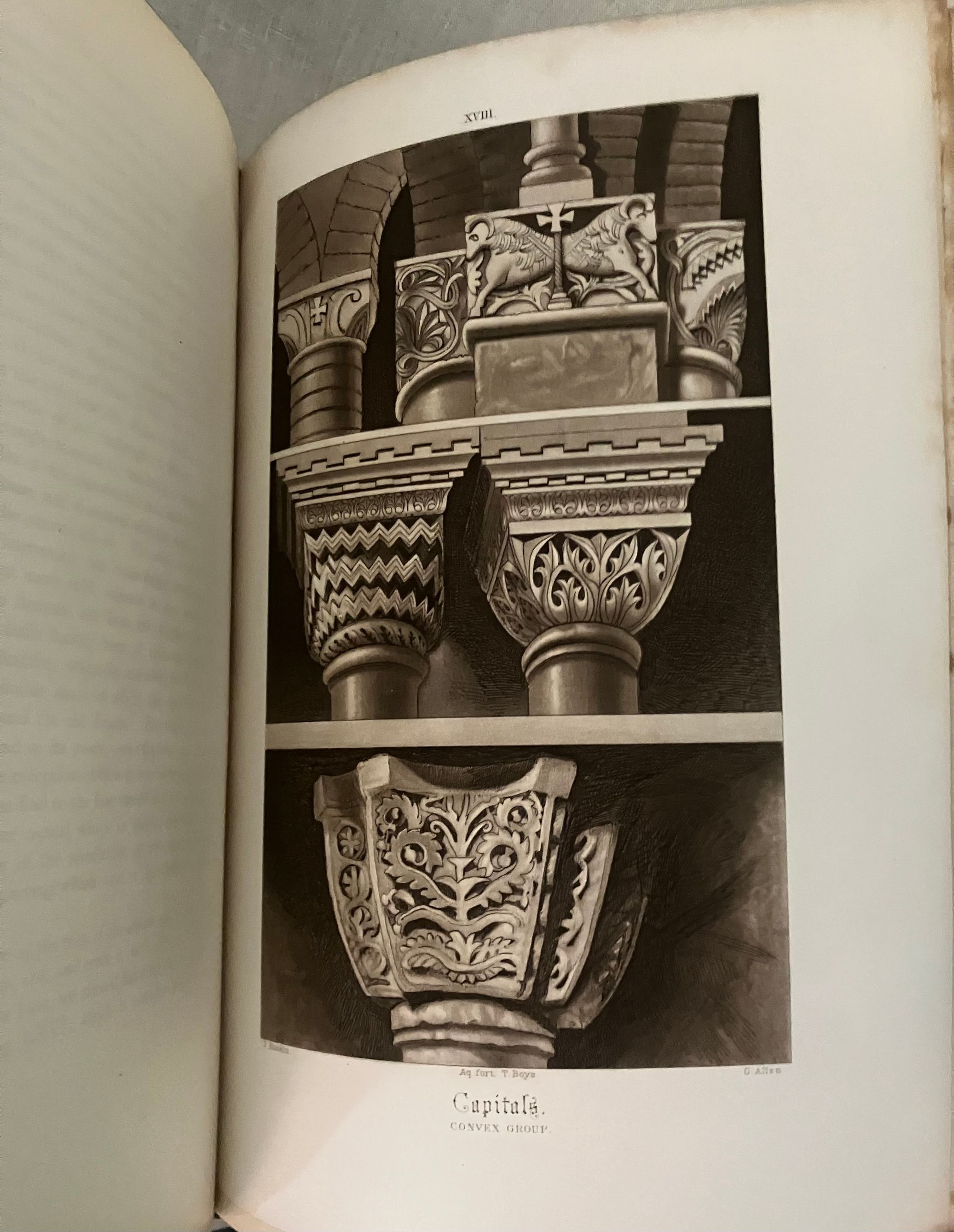
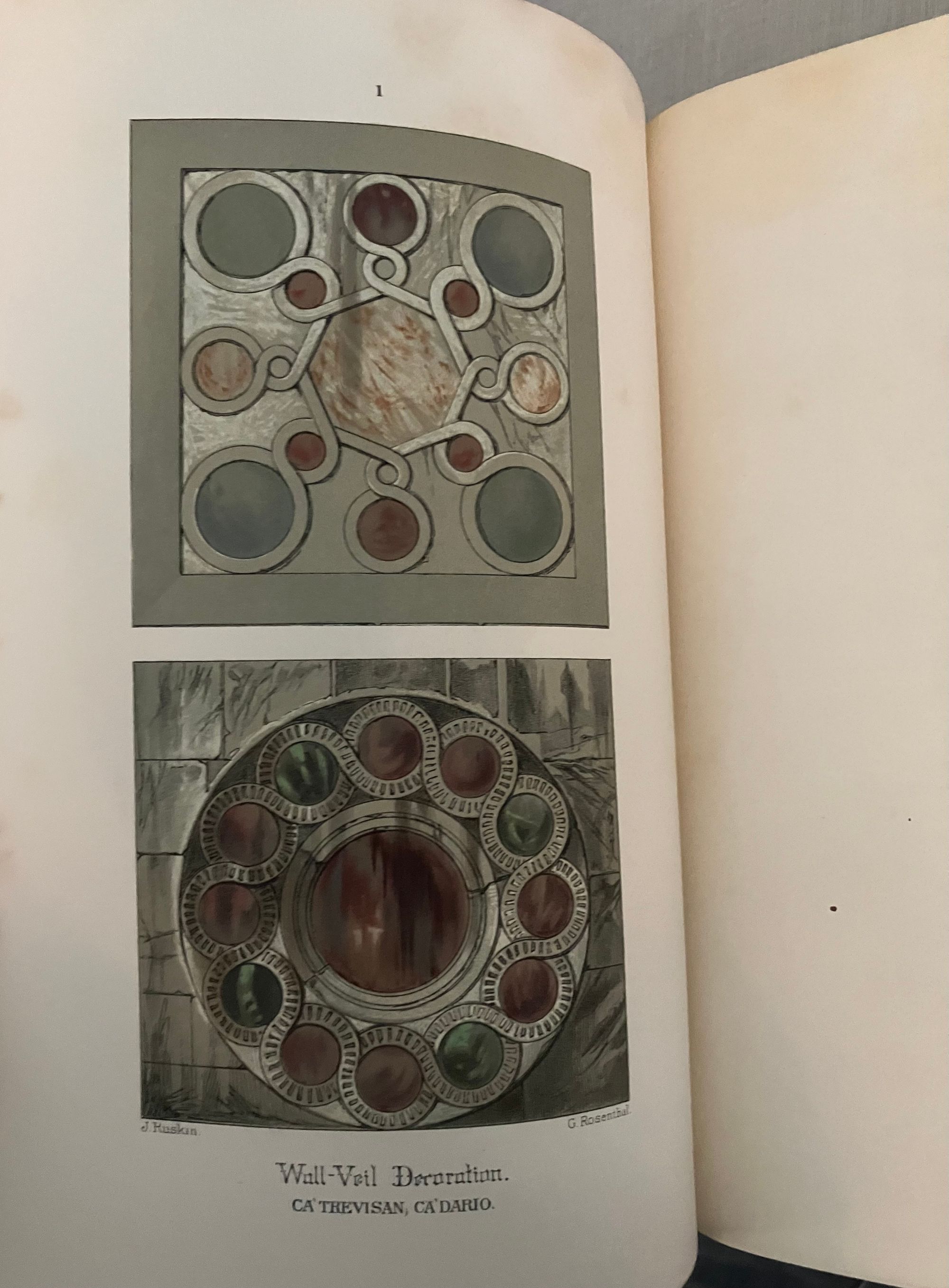
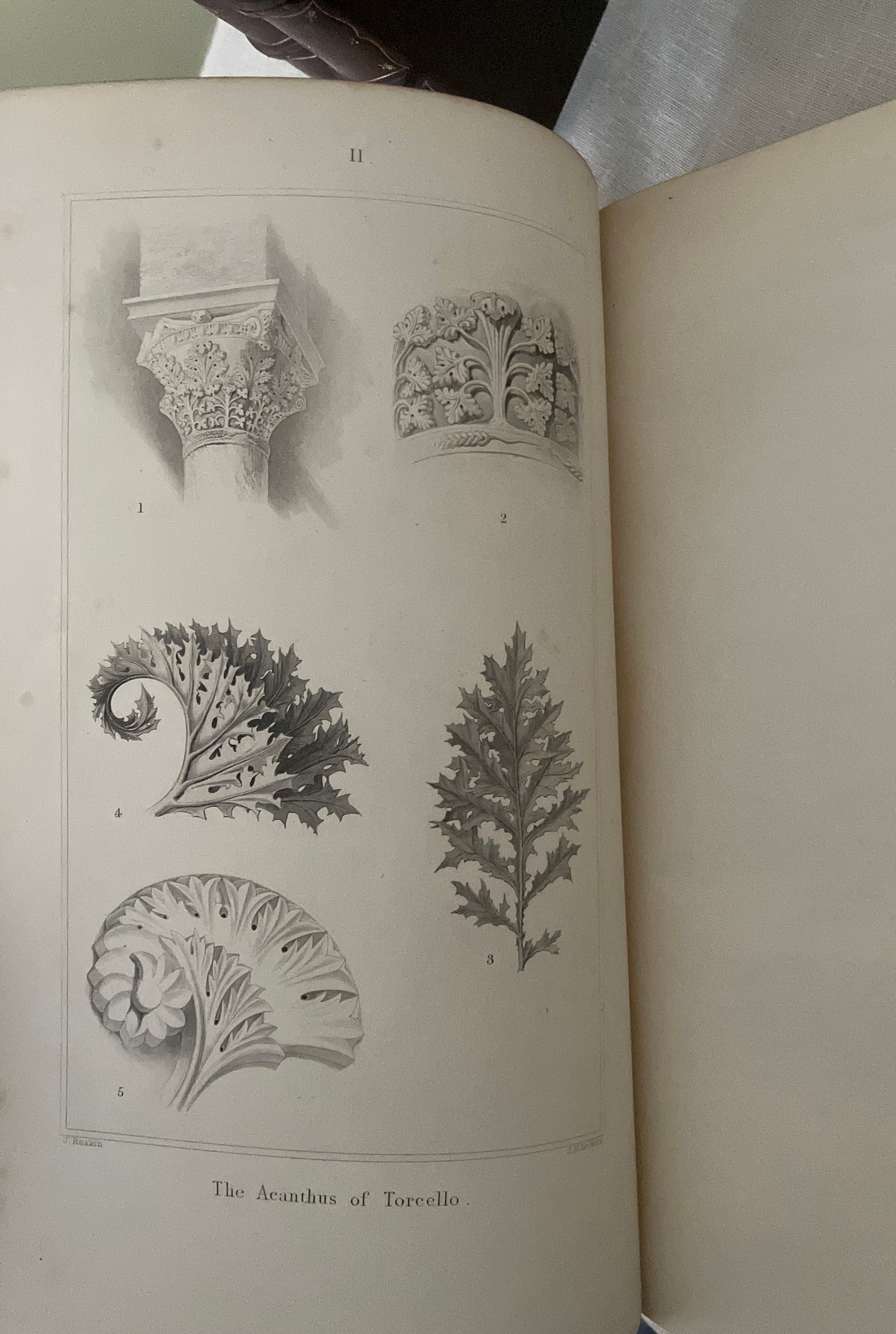
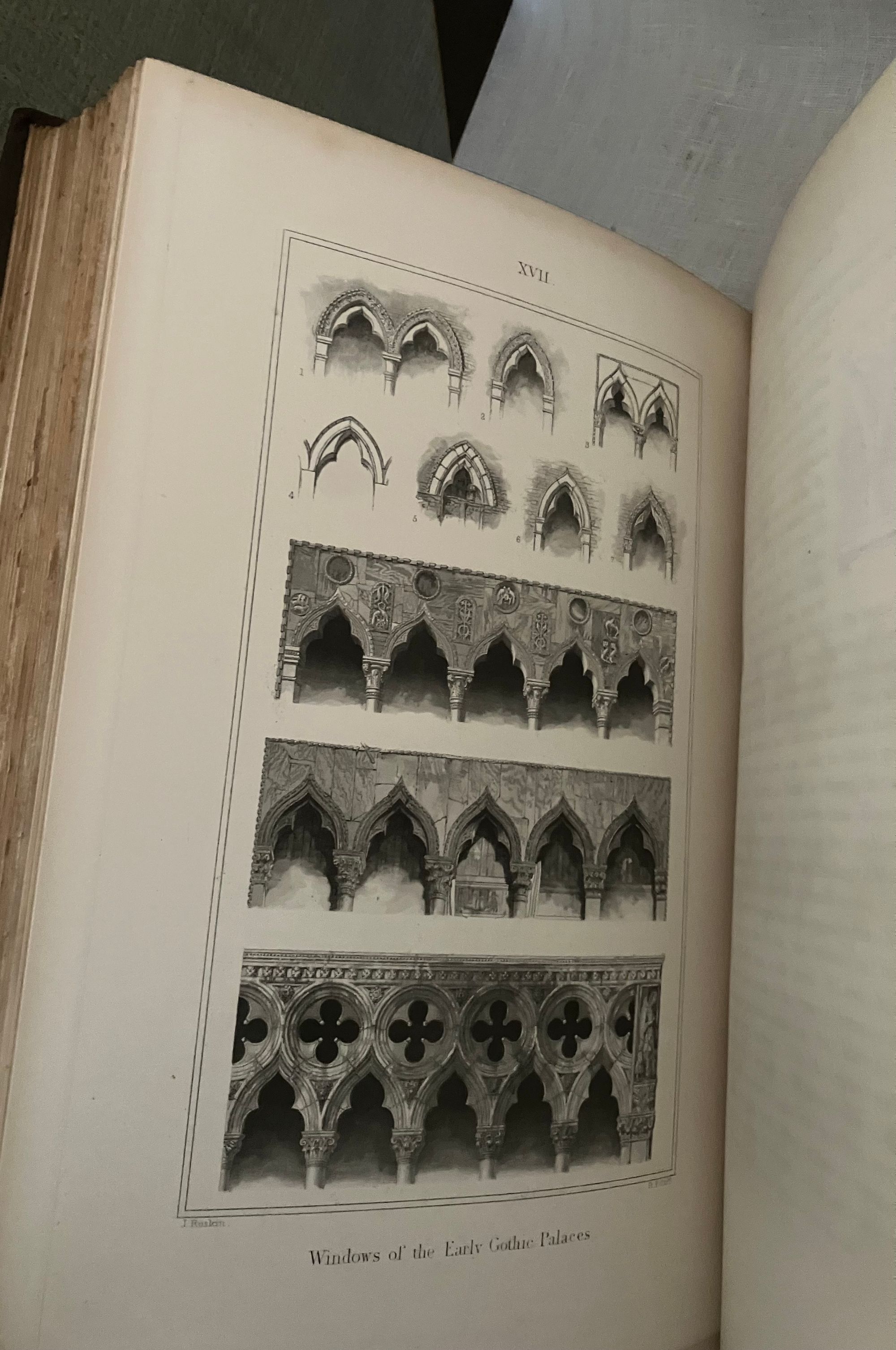
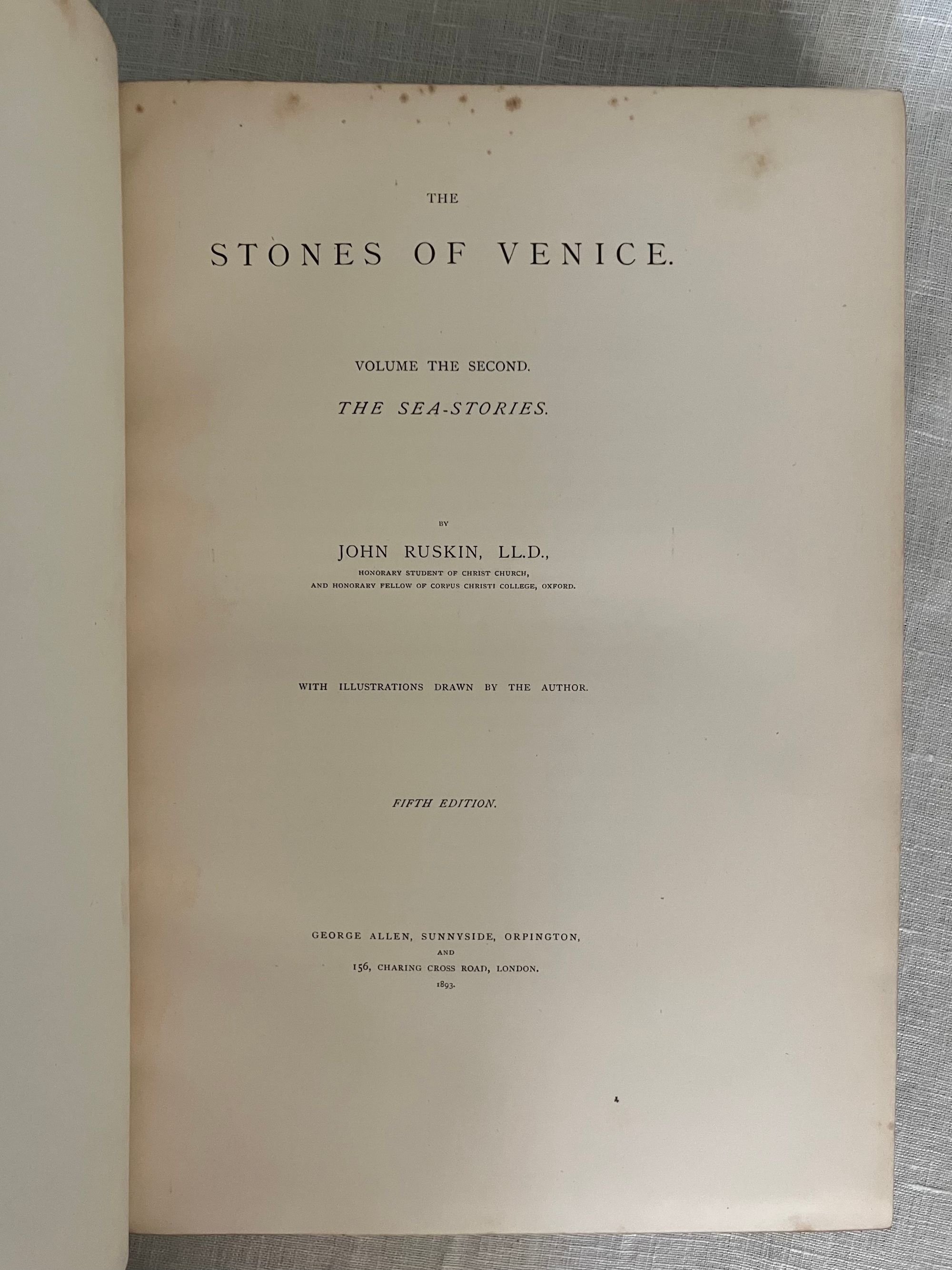
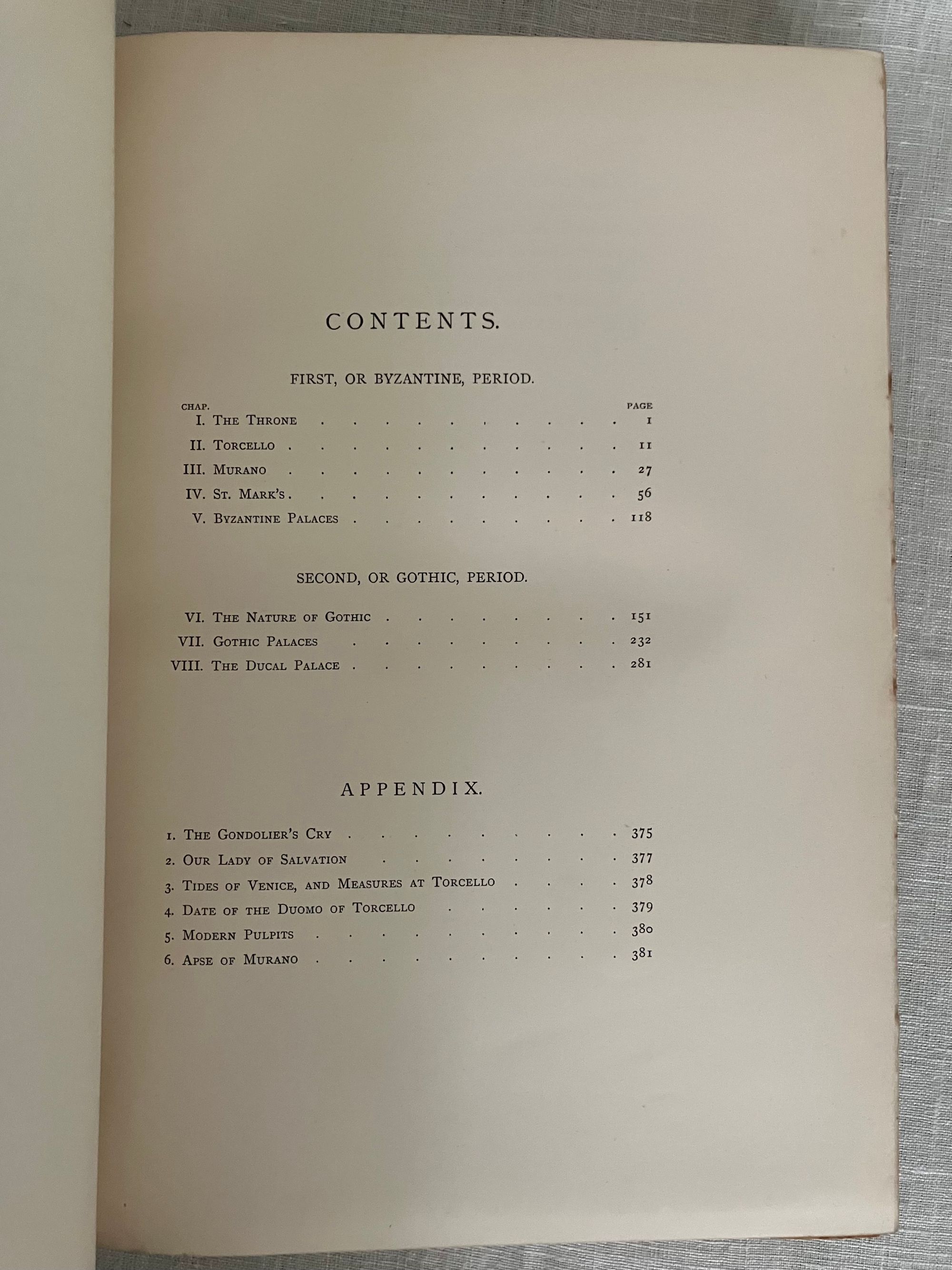
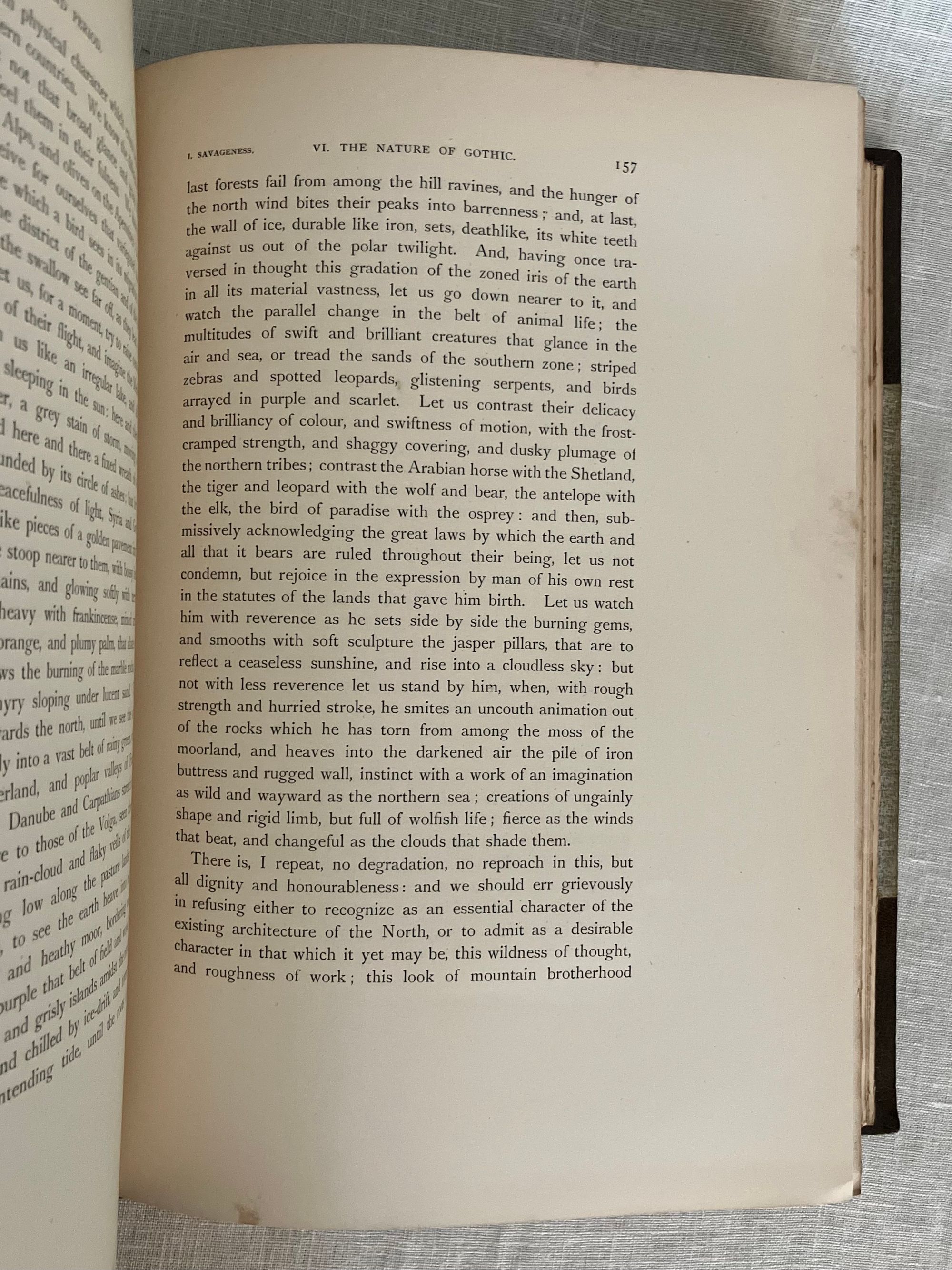


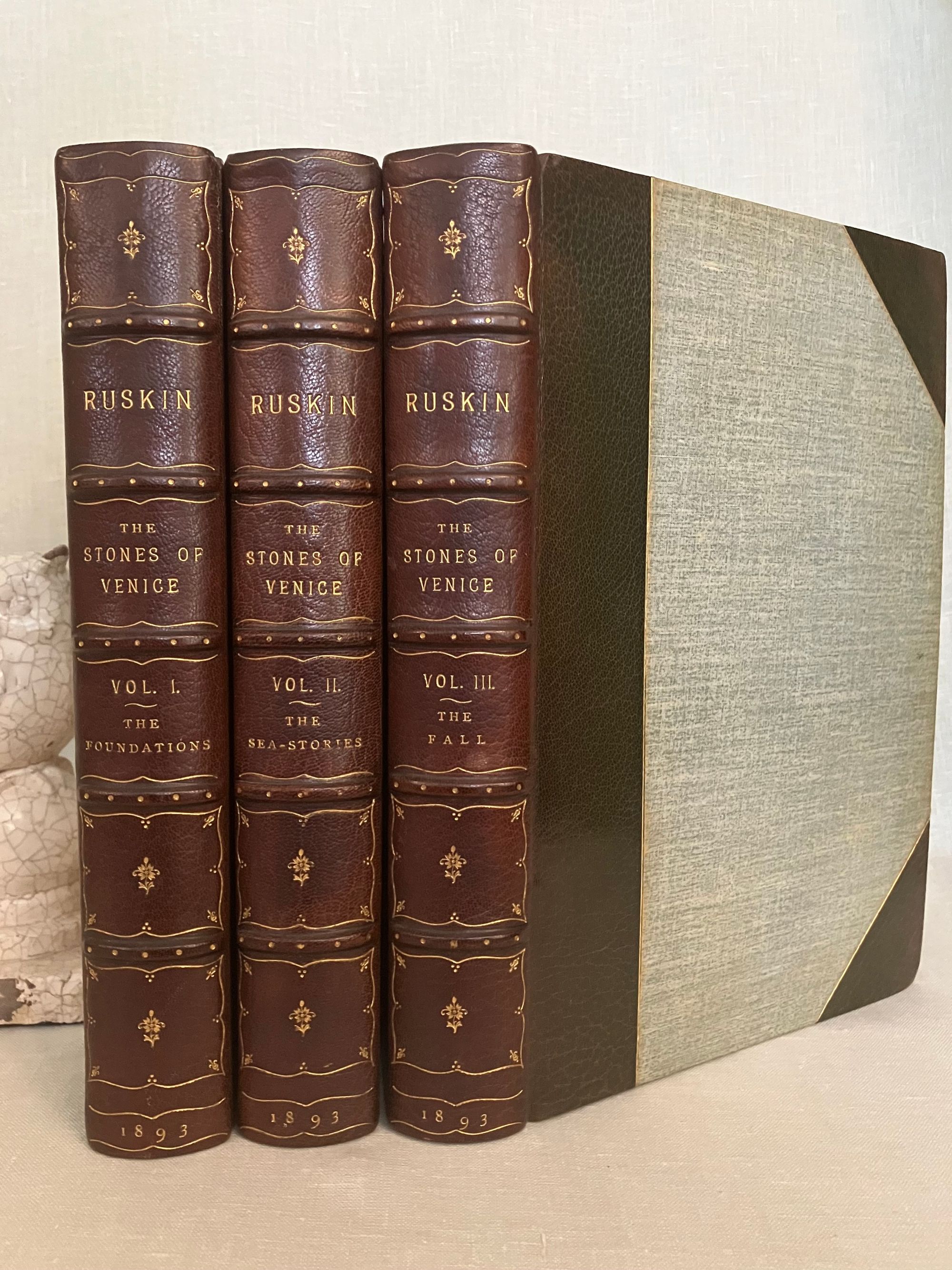
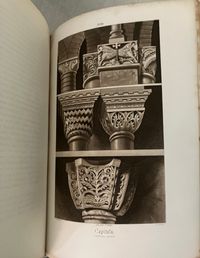
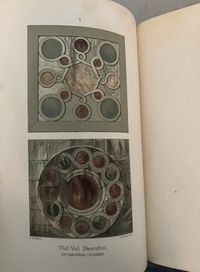
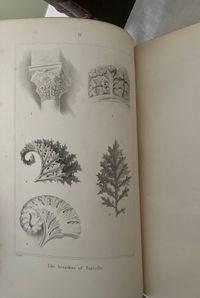
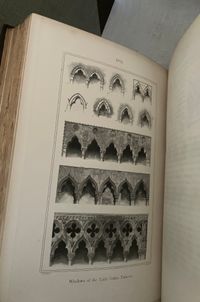
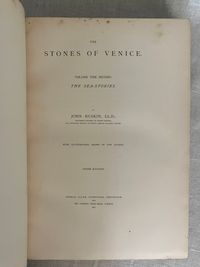
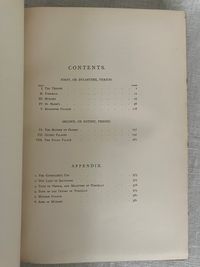
Fifth Edition. Hard cover, in three volumes complete, Imperial octavo (8 x 11.5 inches) in three-quarter crushed morocco over light green wove cloth, gilt with a single rule. The spine has five raised gilt-tooled bands, each compartment tooled with a 4-part ogee (byzantine arch shaped) Italianate banding, centering corner fleurons and a central floral motif. The date 1893 at the foot. Binding is stamp-signed to verso endpaper by London bookbinder W. J. Mansell. Printed by Ballantyne, Hanson and Co., at the Ballantyne Press, Edinburgh. Decorative ditzy floral-printed endpapers in teal and gold. Text in English. T.e.g. Top edge, bottom edge trimmed, fore-edges not trimmed. **CONDITION: Near Fine. Some light foxing near top edge, mostly at prelims., or opposite engraved plates, sometimes lightly affecting upper margins of plates. Text block fore-edges only: lightly browned and spotted. Generally though very clean, lightly age-toned , and the binding itself appears unworn and unrubbed. Some pages unopened. **COLLATION: Vol 1: "The Foundations," xv [1], [1]-403 pp. Vol.2: "The Sea Stories", ix, [v], [1]-397 [7]pp., with engraved armorial bookplate (believed to be William Pepperell) with the Latin motto:"peperi" and "vertute, parta, tuemini." [Univ. Delaware has an identical-looking bookplate identified with the Pepperell family in their digital collection.] Vol III: "The Fall," [4], [iv], [1] - 352; gen. index, 135pp., [5]pp.**First published between 1851-1853, this three-volume classic by the nineteenth-century English artist, art historian, social reformer and critic John Ruskin, first Slade Professor of Art at Oxford University, (1819-1900), is both a readable travelogue and history of the fabled Italian Republic whose watery beauty and peculiar logistical importance as a center of trade has beguiled travelers and attracted conquerors for more than two millennia. Most significantly, however, is Ruskin's architectural analysis, detailing how successive layers of historical and cultural influence can be read into the overlapping styles of a handful of churches and civic buildings in Venice --often utilizing repurposed materials--in carefully chosen examples of the early Byzantine, the later medieval, and Gothic styles. He codifies the styles in both moral and philosophical terms, contrasting the Southern European, Greek and Egyptian forms to that found in the colder climates of Northern Europe. Of particular note is the now-famous section from Vol. II which would become the work's most famous essay, "The Nature of Gothic." Written in vivid prose, this essay excited others to abstract and reprint it on its own, as did Ruskin-admirer William Morris, who in 1892 would produce his beautifully designed Kelmscott Press edition, along with a laudatory Preface. ** The ILLUSTRATIONS in "The Stones of Venice" form a carefully co-ordinated program in which the Author-Artist oversaw reproductions made from his own original sketches, watercolors and novel daguerreotype-aided drawings. These were then worked by others into a variety of media, including steel line engravings, sepia-tinted soft-ground etchings (3 originals in Vol. I ), and aquatints, later chromolithographed, producing an altogether cohesive and attractive whole with numerous tissue-guarded full page plates. *BOOKBINDER William Mansell is mentioned as the successive owner, and once business partner to, the London West End firm of James Hayday, purchasing the latter's business name upon his demise in 1872. (Nixon, 1978, p. 202). A solid, worthy copy of this classic work on the history of architecture for the architecture student, (or simply an admirer of all things Venetian.) REF: T. J. Wise and J.P. Smart, "A Complete Bibliography of the Writings... of John Ruskin," Vol. II, p. 63, (London: R. Clay & Sons, Printers, 1891-93) only lists through the 4th edition of 1886. **Heavy set: may require extra postage if sent priority or abroad. (14.5 lbs.)
Ref: ARCH 9457
$760.00