 |
 |
 |
 |
 |
 |
 |
 |
 |
 |
 |
 |
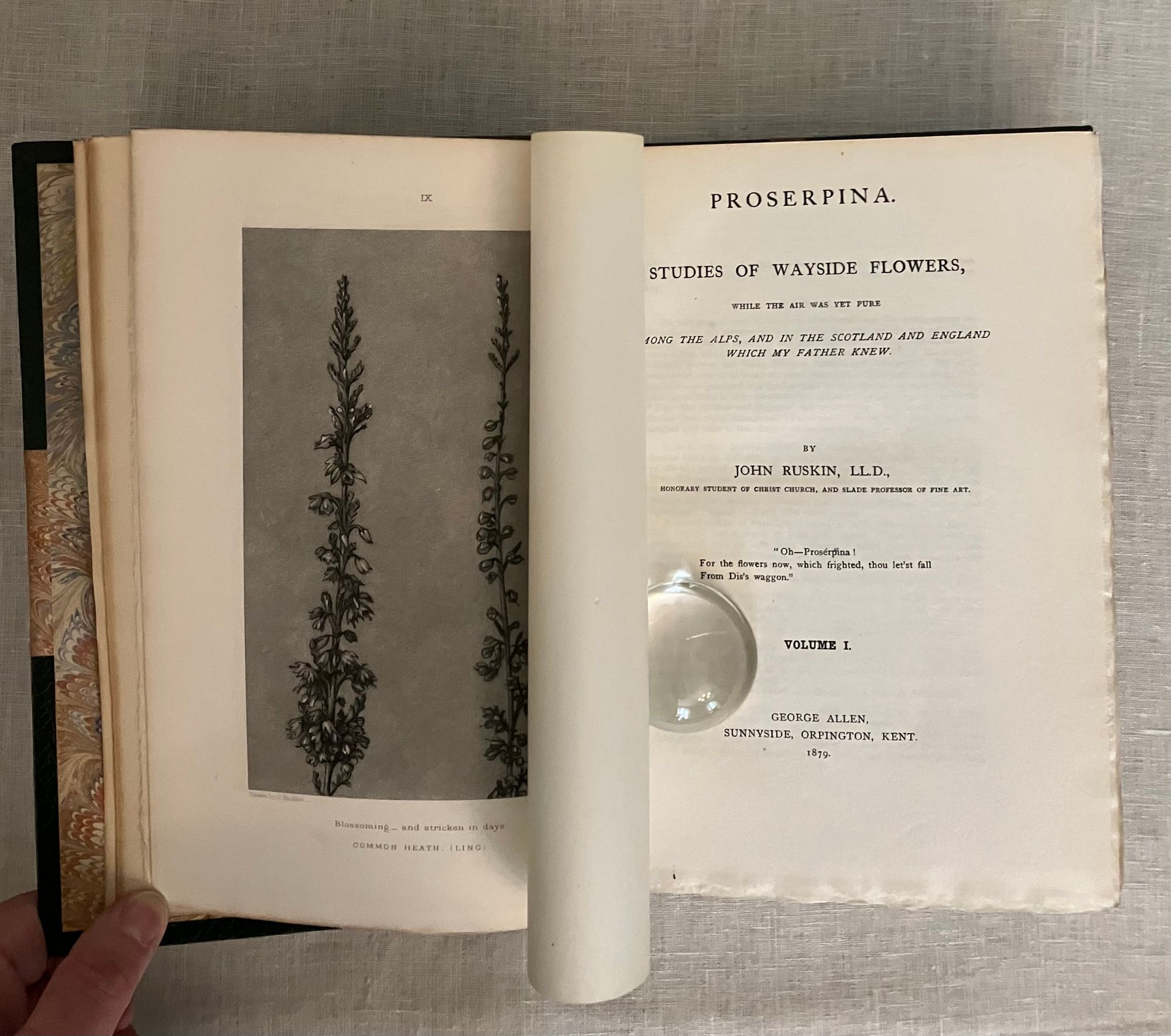
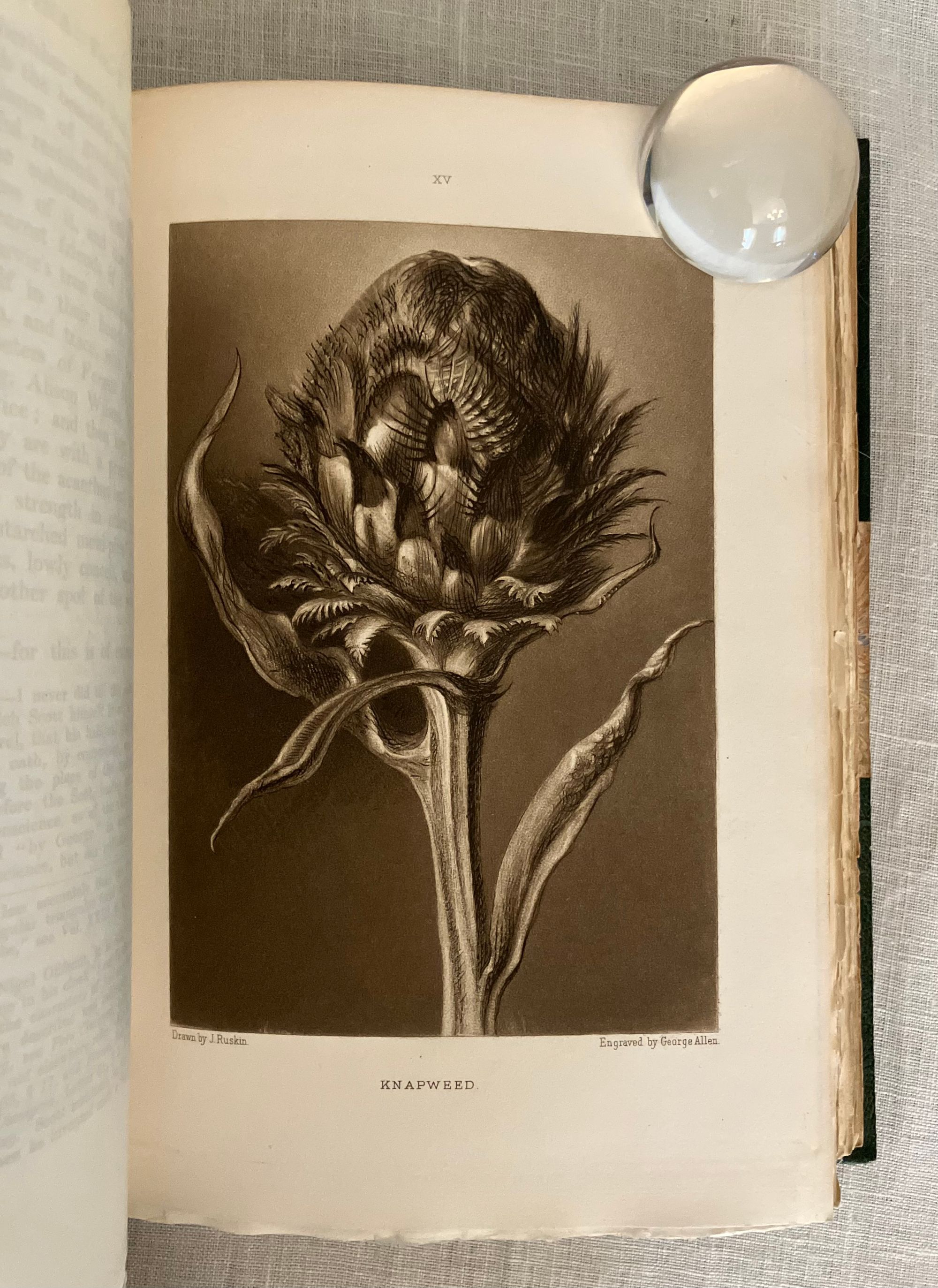
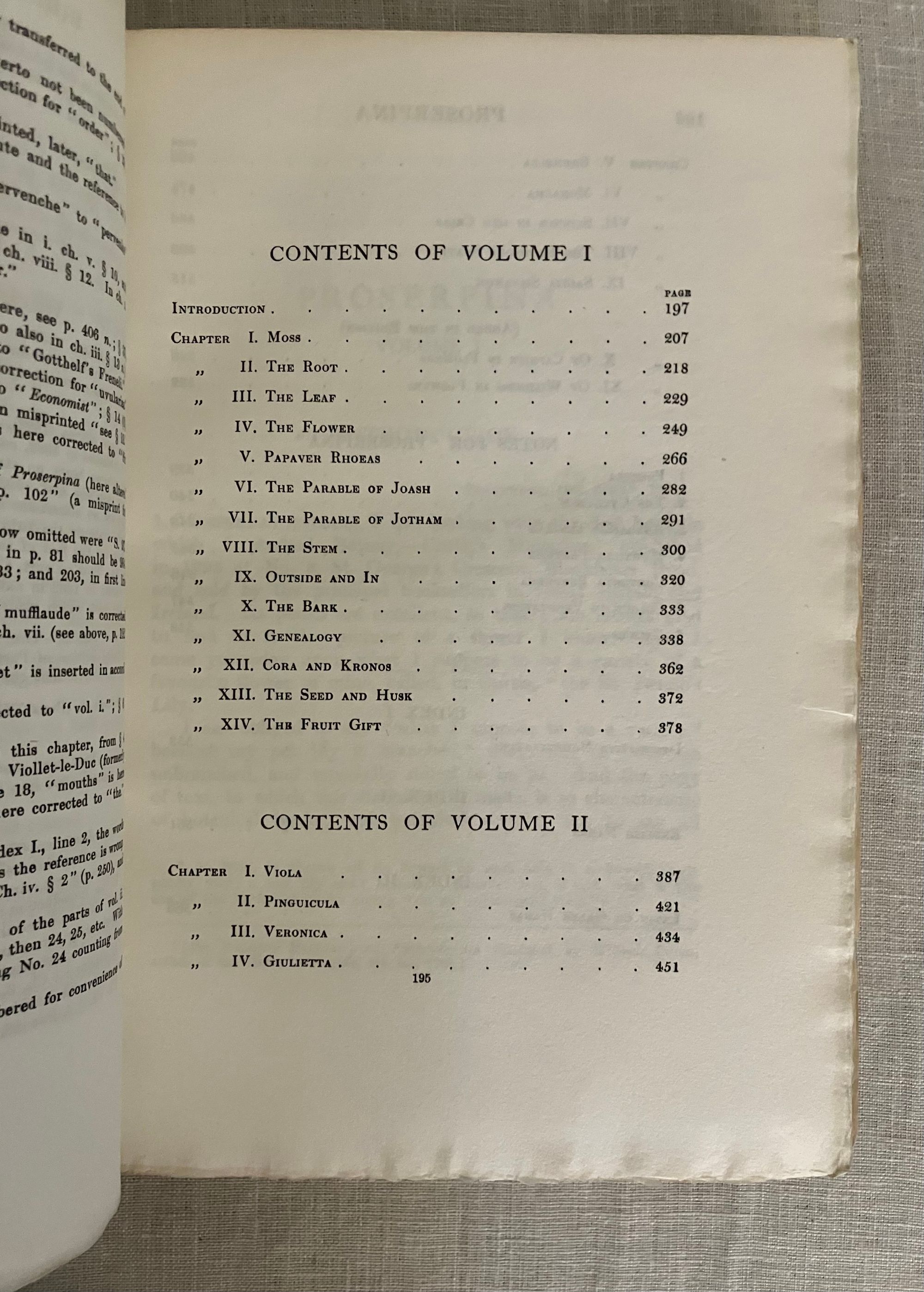
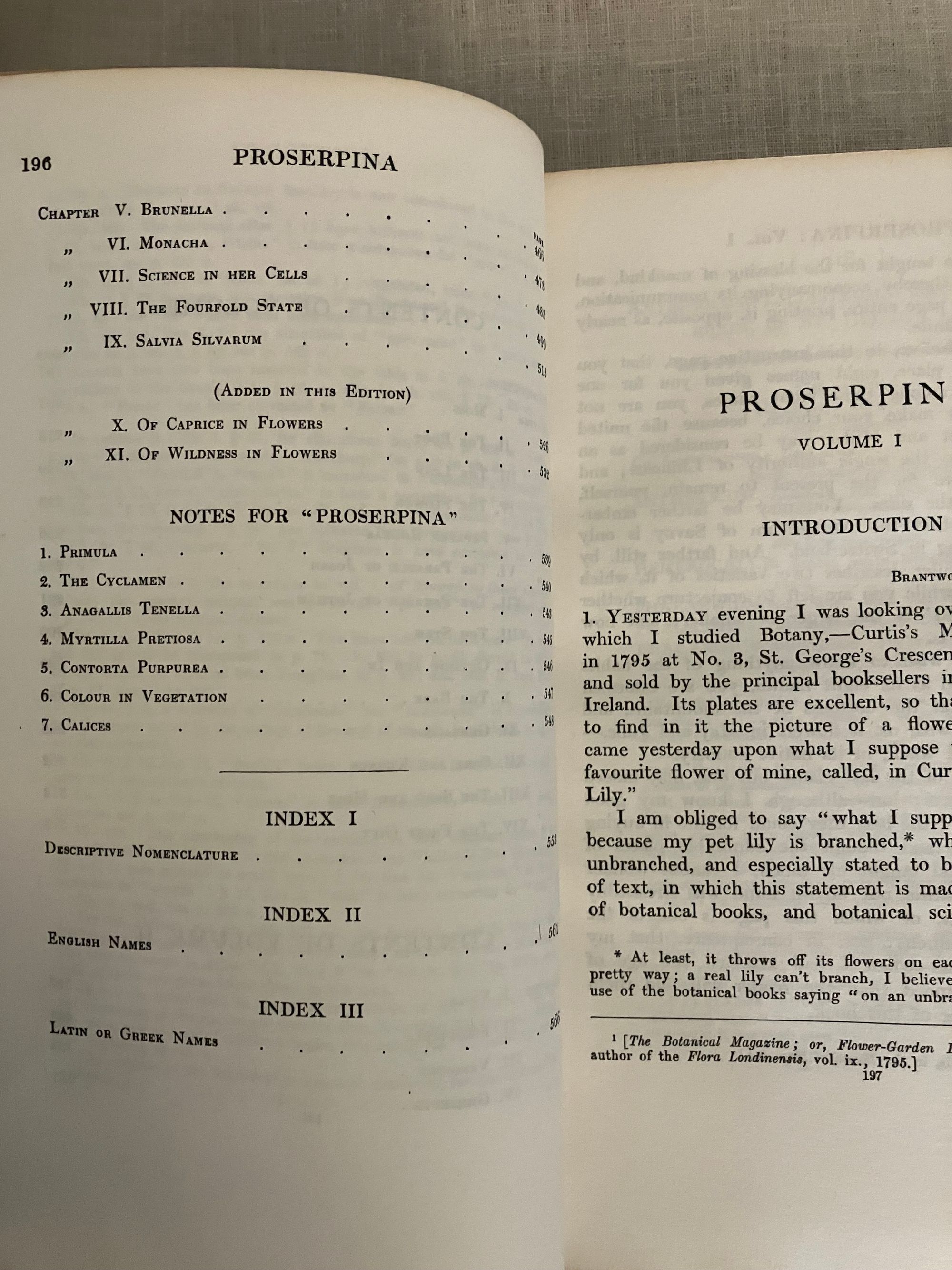
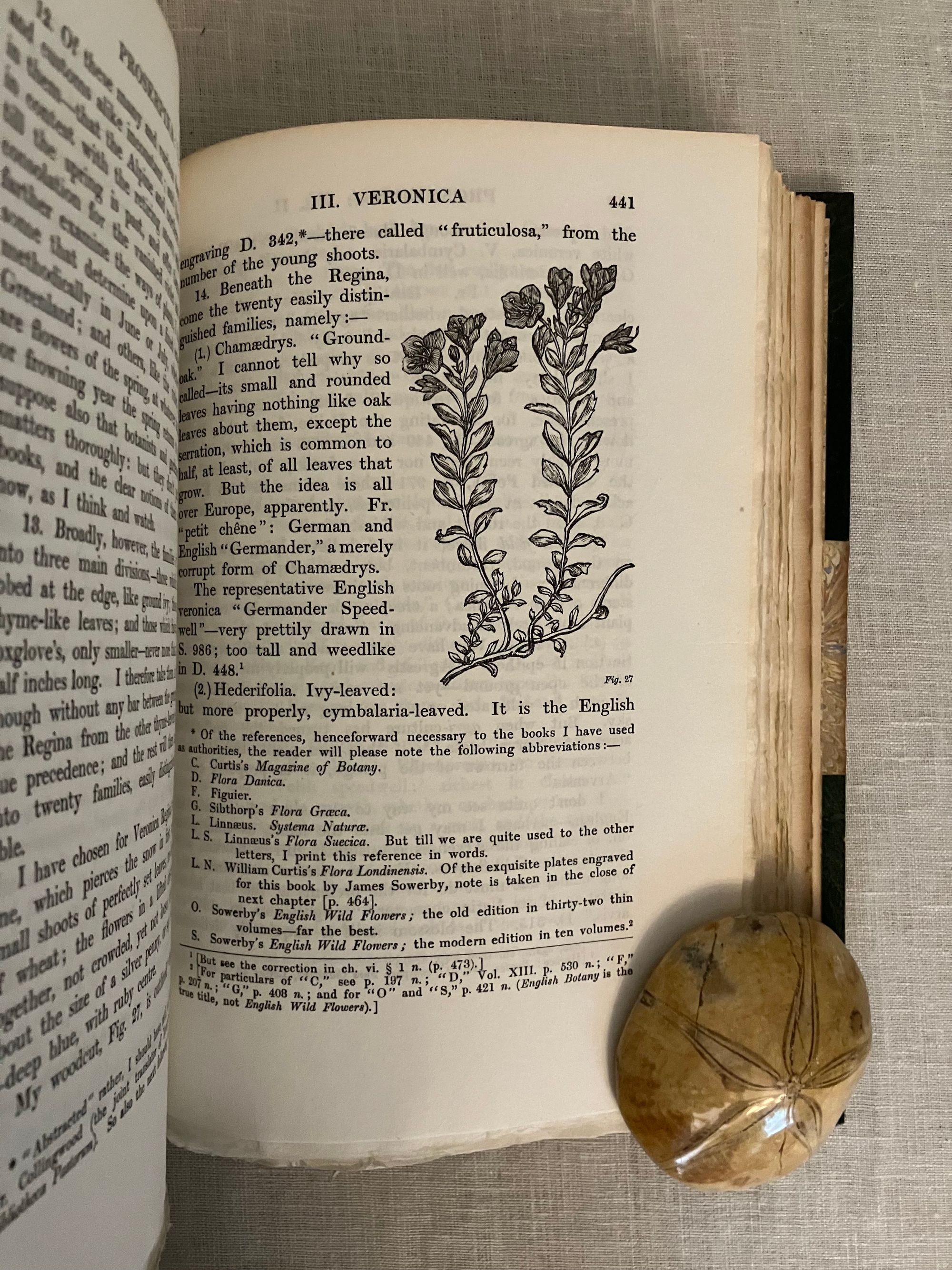
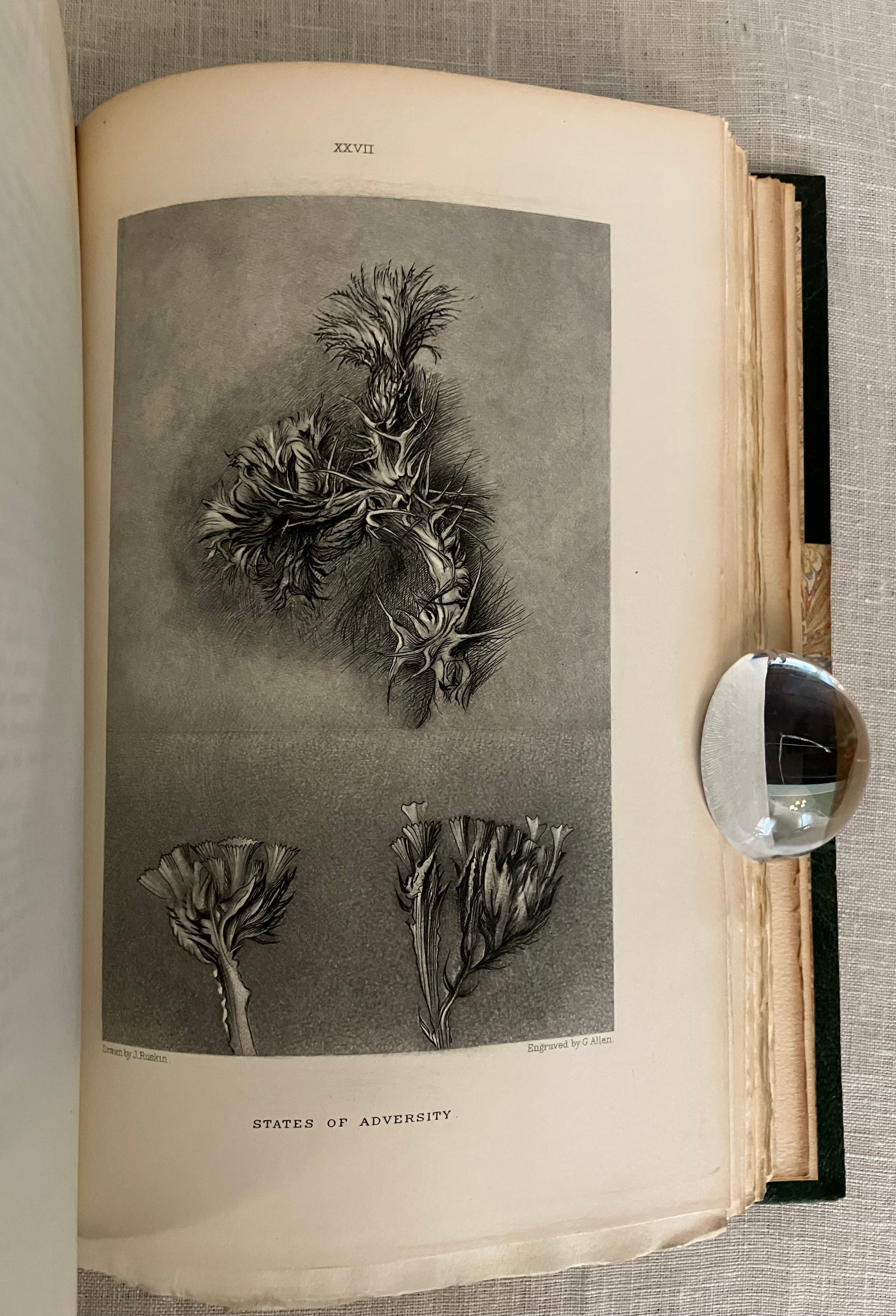
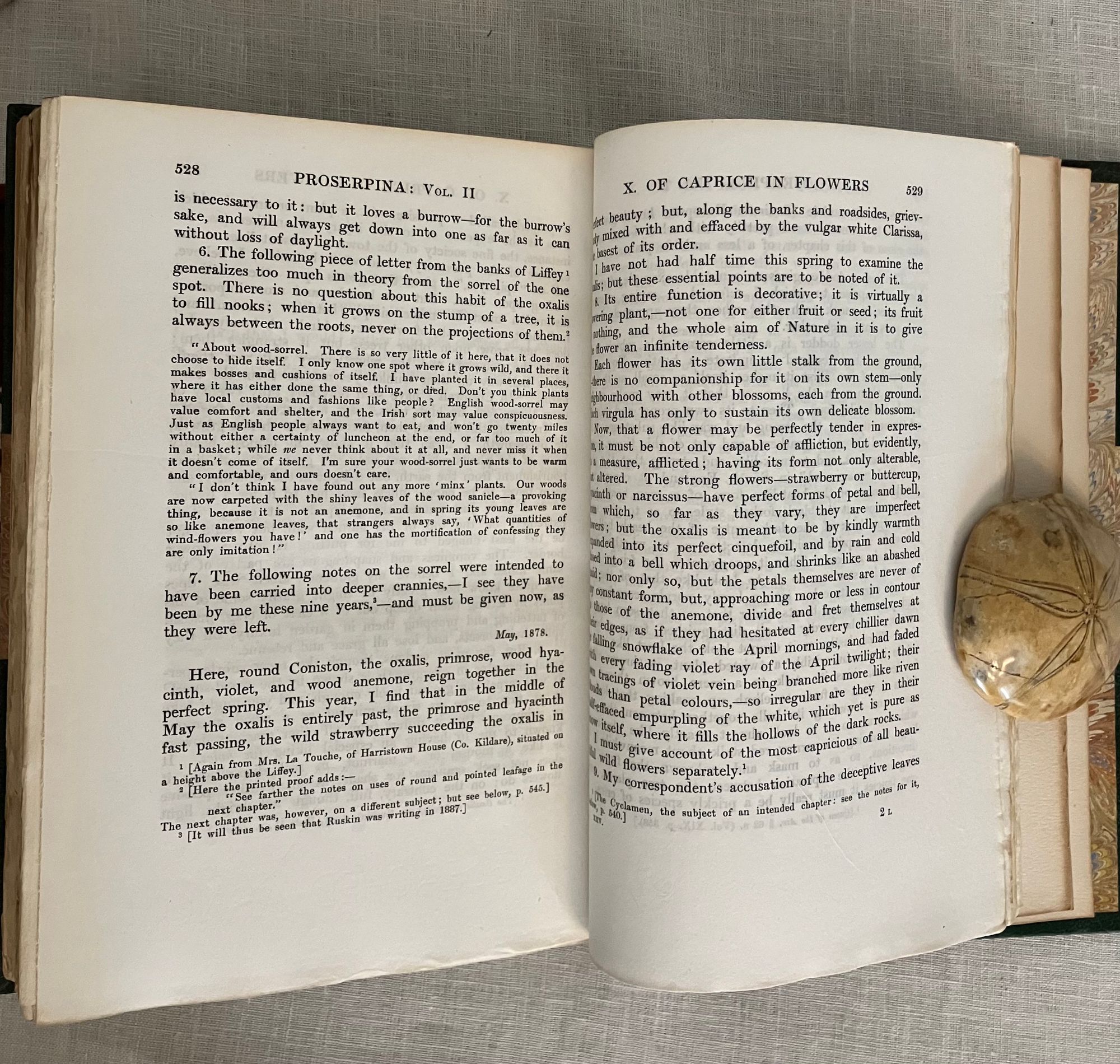
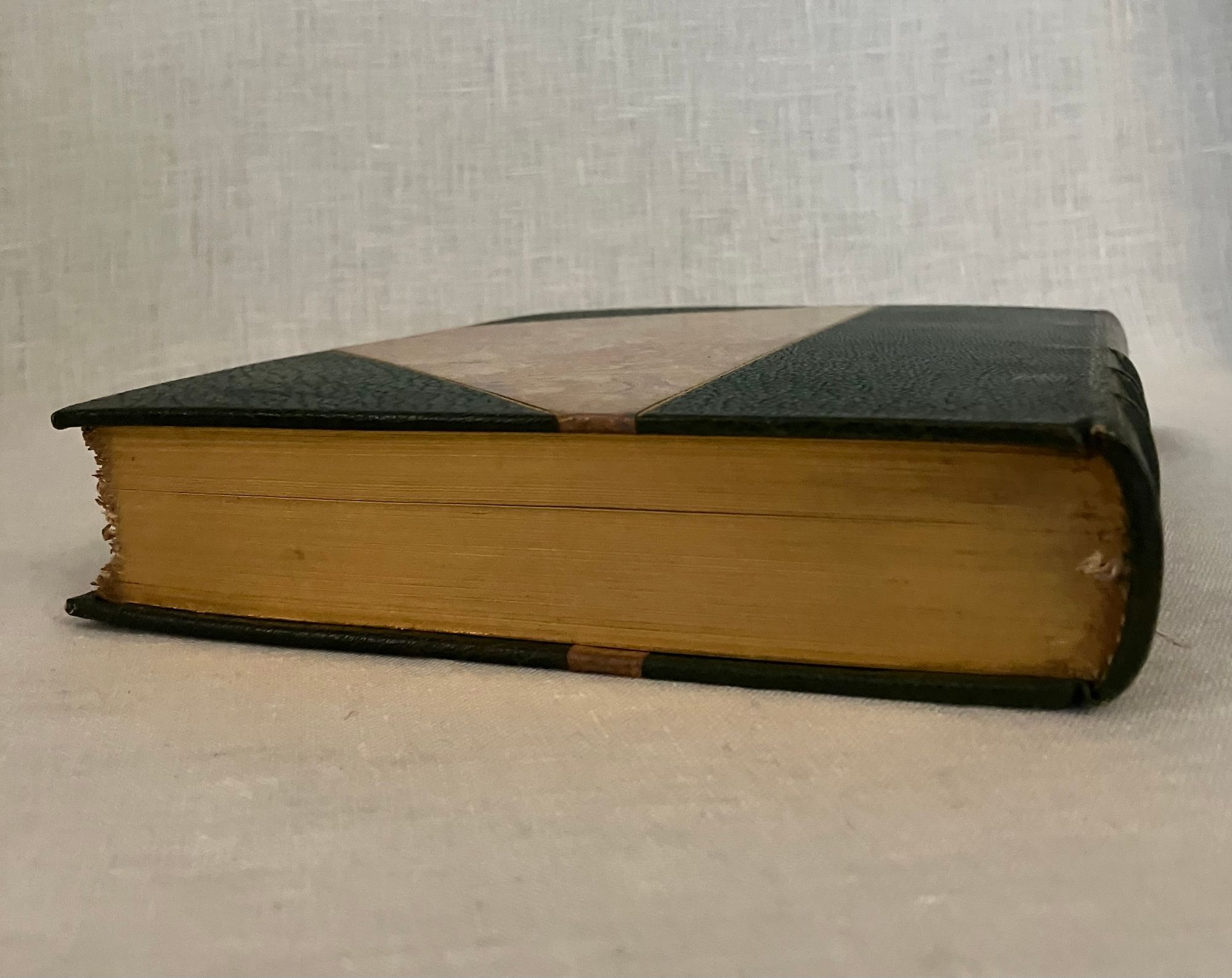
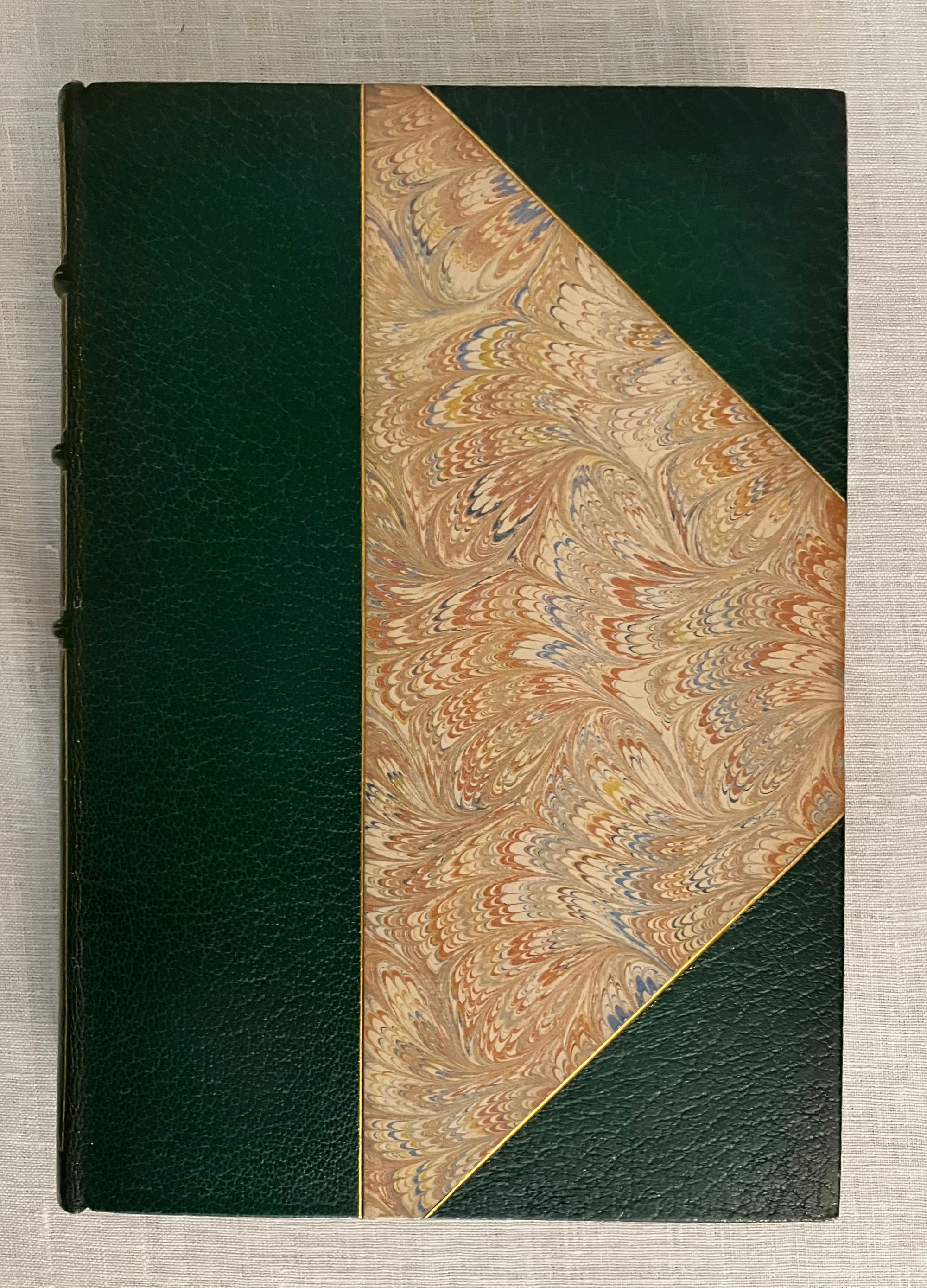


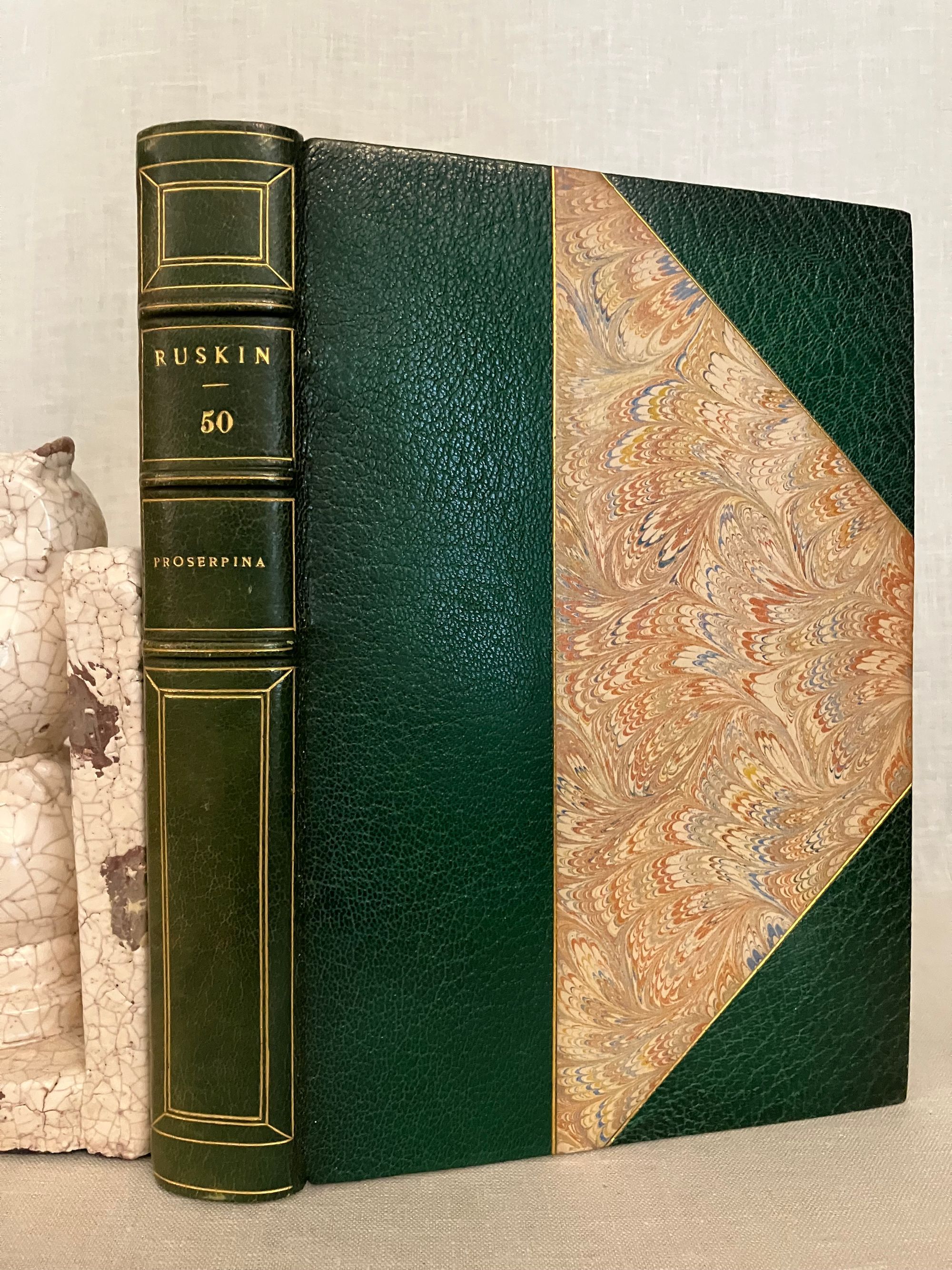
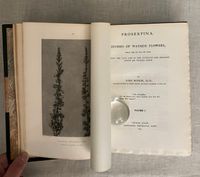
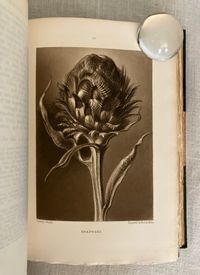
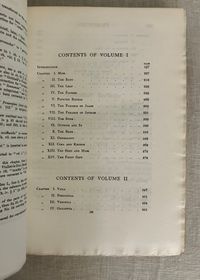
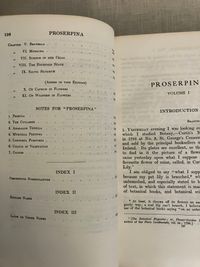
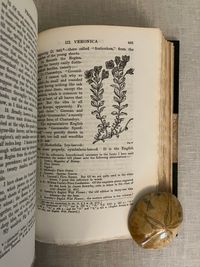
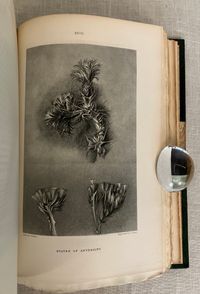
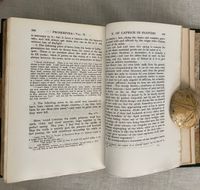
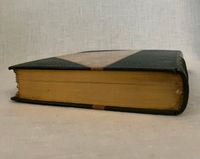
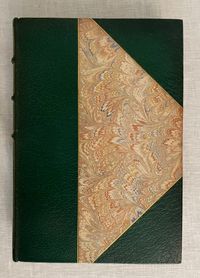
Hard Cover, large 8vo., (measuring 6 3/4 x 9 3/4 inches) an odd volume ( no. 50) from the "Complete Works," being complete as two volumes in one, large paper, limited edition of 2062 copies (2000 for England and America) bearing the date 1879 on the title page, but also "II/ PROSERPINA/ (1875-1886) on half title, suggesting per the Bibliographical Note, p.193, this being the Third collected edition of 1886, (also mentioned in Watson.)*Finely bound in an unsigned three-quarter crushed green morocco over marble paper covered boards, ruled with single gilt line, top edge gilt, other edges untrimmed, with marbled end papers, armorial engraved bookplate, fly leaves of laid paper, text printed on watermarked heavy wove paper at the Ballantyne Press, Edinburgh, with the Ruskin House colophon at the rear.**CONDITION: Fine. All plates are very clean, bright and unmarked. **"Bibliographical Note" denotes the work as originally released in 6 separate parts with the first "Collected" edition being in 1879. The 15 full page black and white engravings and soft ground etchings are variously numbered from IX to XXXI, bound in; these prints were originally sold separately for six pence apiece. (see p. 193). Additionally, numerous in-text line illustrations were drawn by Ruskin and later made into woodcut engravings by Arthur Burgess; Ruskin suggests his readers use the illustrations for their own art exercises. COLLATION: [4] blank, [3], frontispiece, [2], 191-569 pp., including indexes, Notes, [1], publisher's colophon. **Continuing on, perhaps, in the vein of the Enlightenment's Erasmus Darwin, this work by the hugely influential Victorian artist, art critic, teacher, and social critic John Ruskin (1819-1900) imbues personal observations of the natural world with robust philosophical, artistic and moral purpose. "Proserpina" was first published in 1875, based on notebook drawings he begun on various travels with his family from the 1840's. Botany for artists and humanities students might best describe his approach. In the discussion of "Mosses," for instance, he quotes classical and later literary and historical allusions, as well as detailing the taxonomy, physical characteristics and historical importance of the plant in Scottish military history. Additionally, the botanic growth and decay pattern is analyzed for it's contribution to soil building, thus adding even ecological and spiritual spins to his topic. Suitably titled, then, after the Greek myth of Proserpina, harbinger of Spring and flowers; (Proserpina emerges annually from the confines of Hades where she has been kidnapped by the amorous Pluto, King of the Underworld, her yearly ascension marked by the flowering plants where she reappears.) Ruskin argues for his own style of botanical nomenclature, primarily with English names, as opposed to the conflicting, overly latinized, work of contemporary and historical taxonomists: Miller, Haller, Linnaeus, citing his credentials as the founder of The Ruskin School of Art in the University of Oxford. The sections in Vol. II on "The Caprice of Flowers" and "The Wildness of Flowers" mention his inamorata Rose LaTouche, giving those chapters an uncharacteristically lusty ring. Publisher George Allen (1832-1907) the Ruskin-mentored (and Rossetti trained) printer and printmaker responsible for the Author's self-published empire of art-related titles, took over broad responsibilities with the business in Ruskin's later years. A wonderful volume with inspiration for the artist or architecture student seeking design inspiration from the natural world, or those who just enjoy fine herbarium art. REFS: Watson 1349. T.J. Wise and J.P. Smart, A Complete Bibliography... of John Ruskin, (London: R. Clay & Sons, Printers, 1891-93,) Vol. I, No. 208, (p. 230) lists the newest 1886 addition of the Part X ( "The Caprice of Flowers"). PROVENANCE: Charles Waterman Armour, with his bookplate. (2.9 lbs.)
Ref: BOT 9456
$175.00