 |
 |
 |
 |
 |
 |
 |
 |
 |
 |
 |
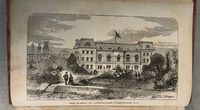 |
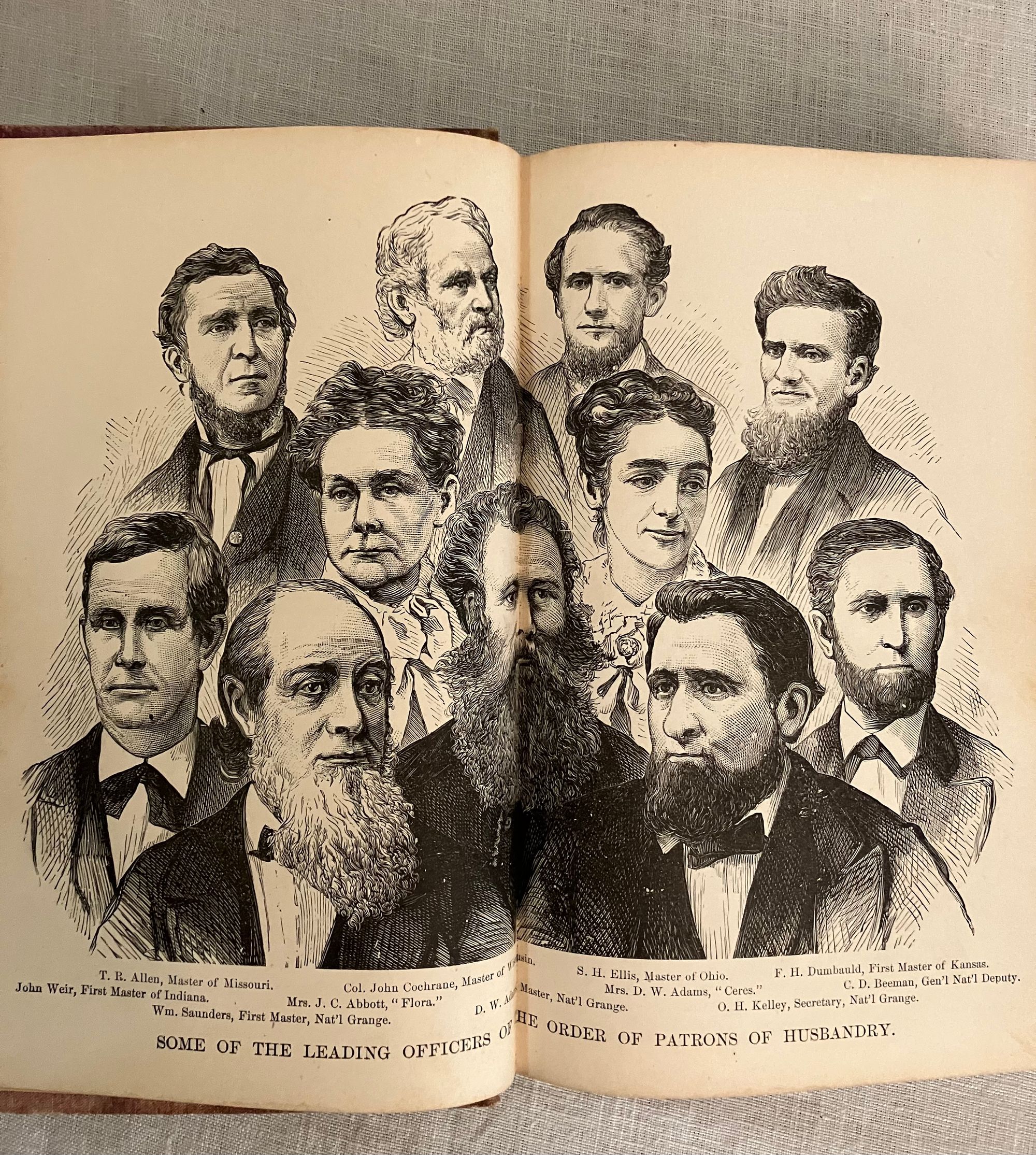
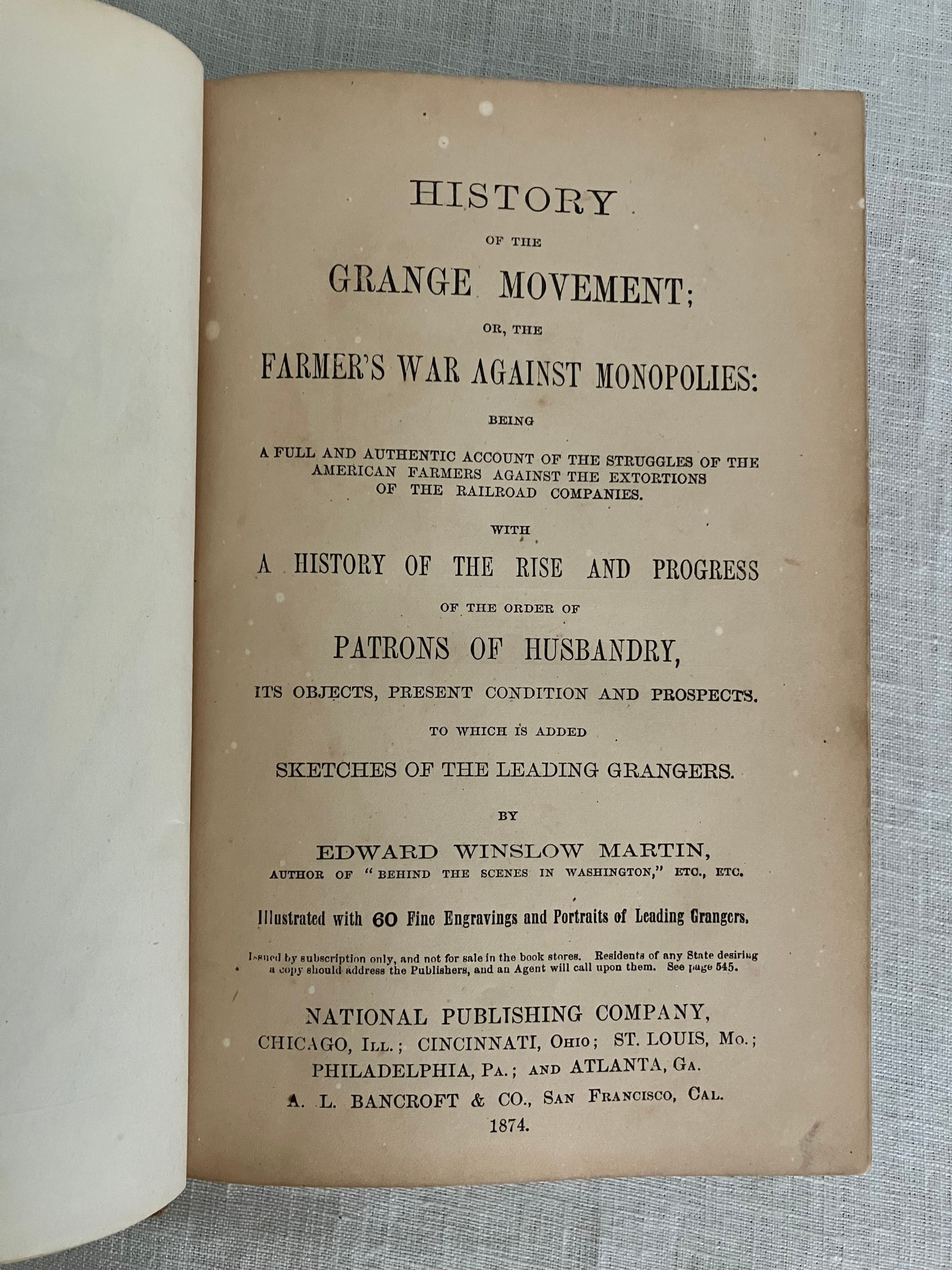
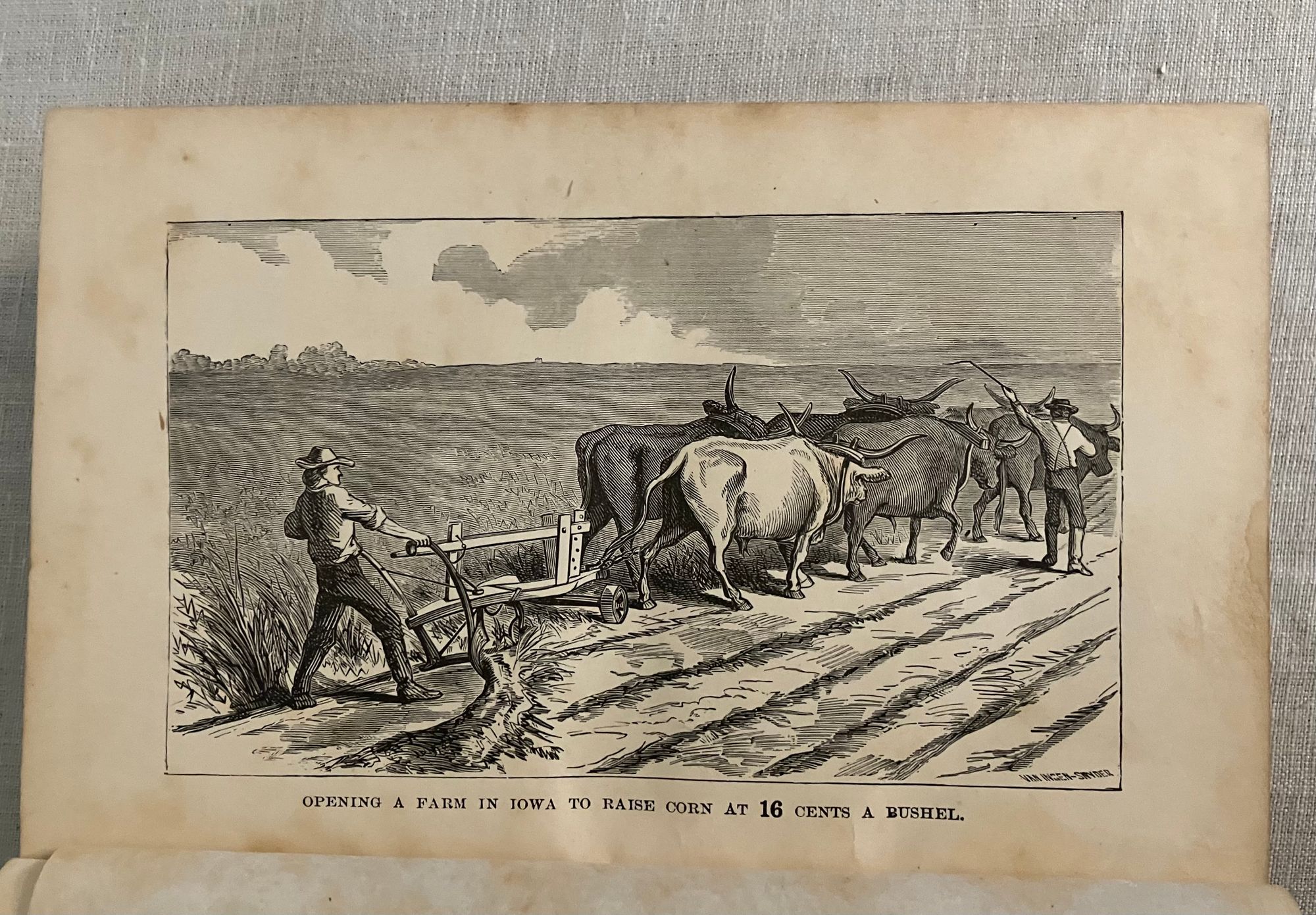
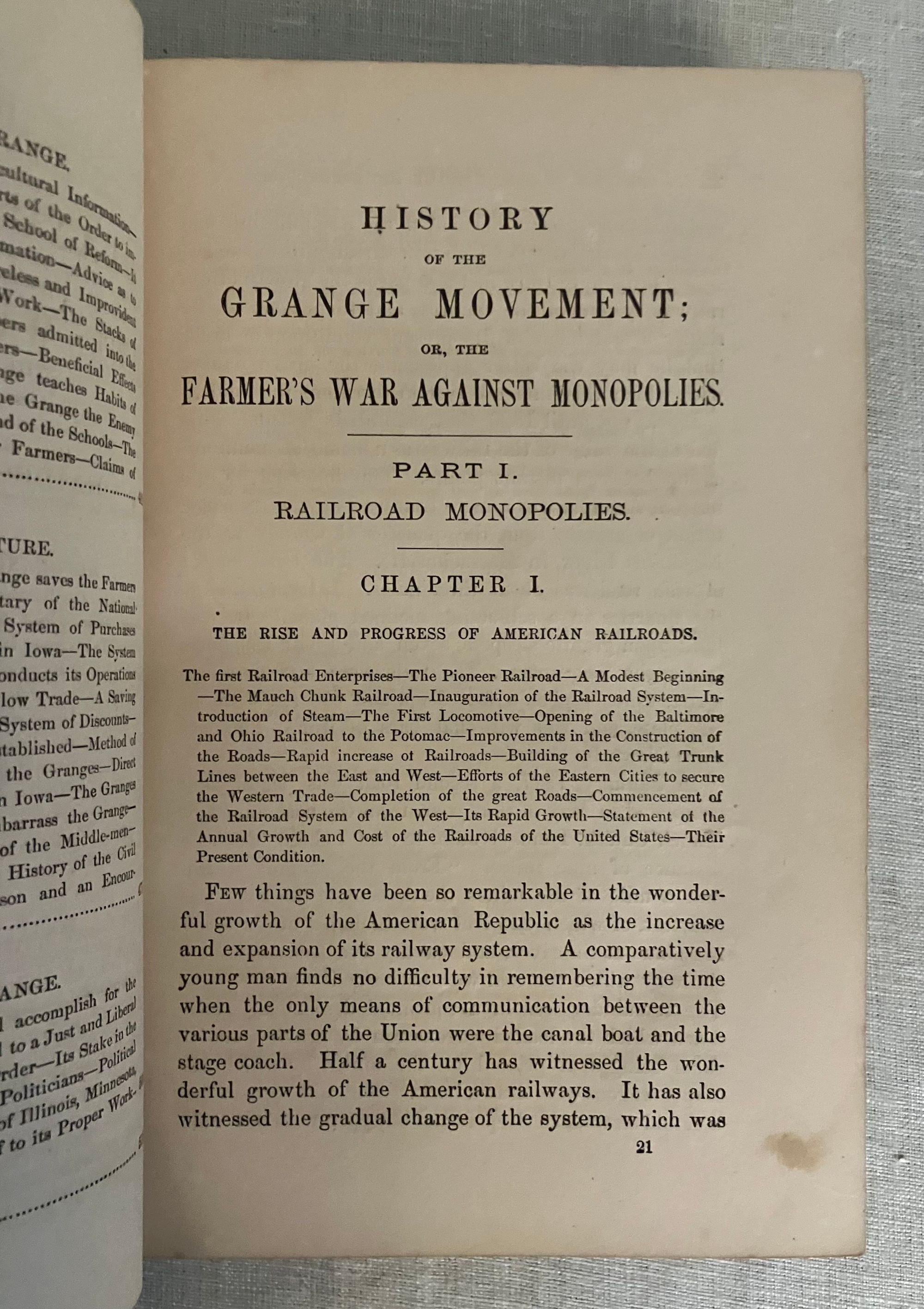
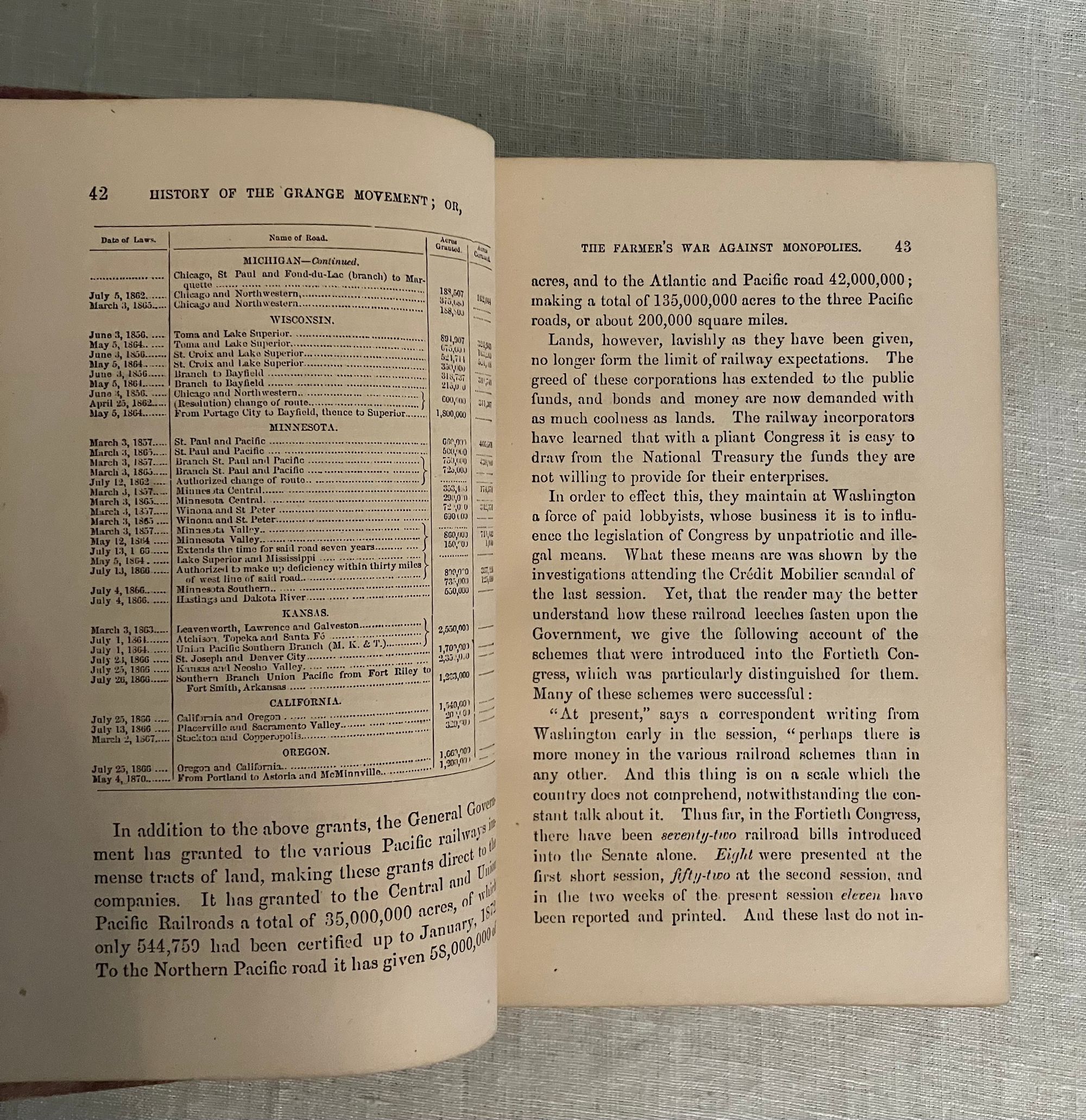
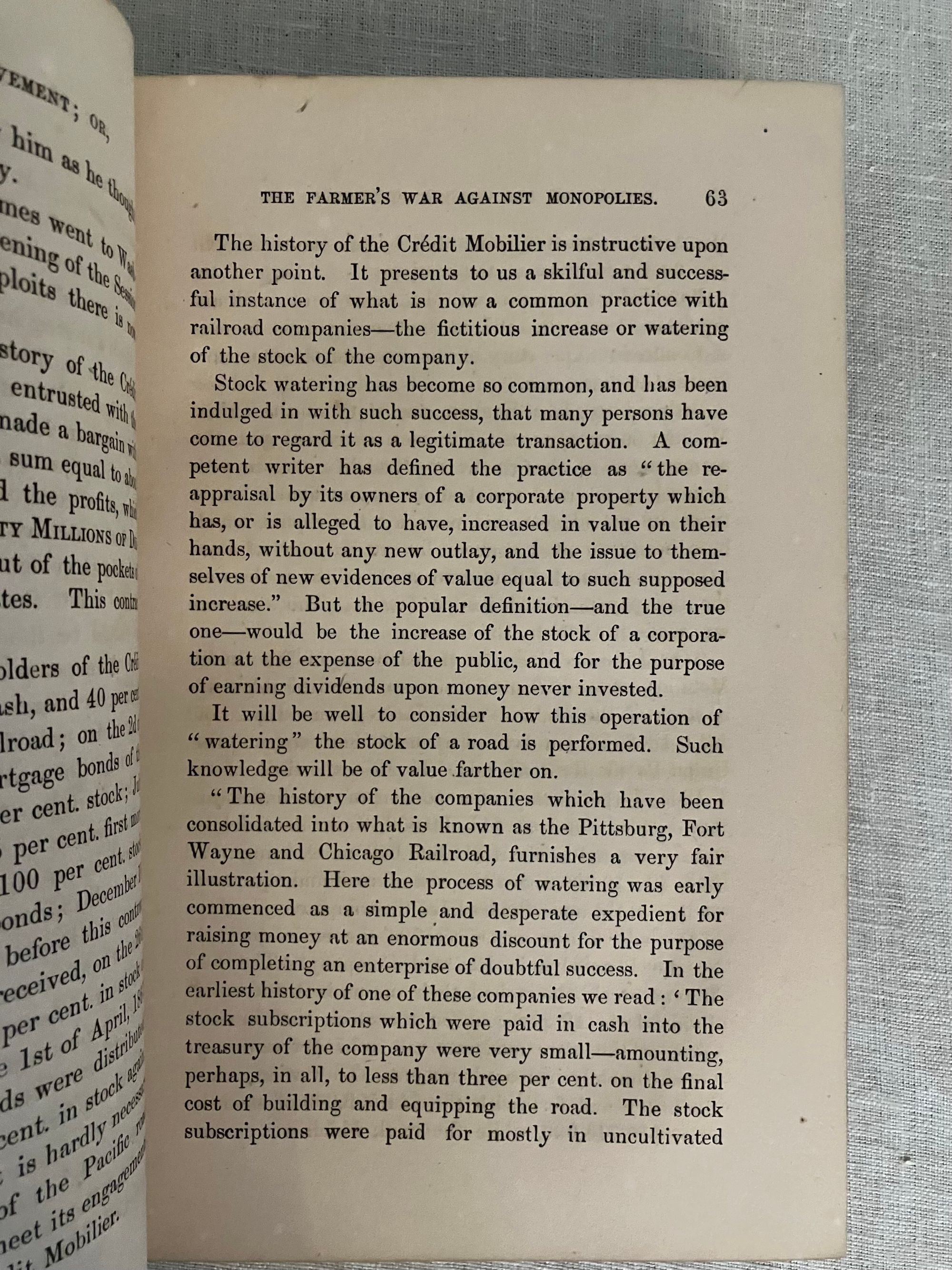
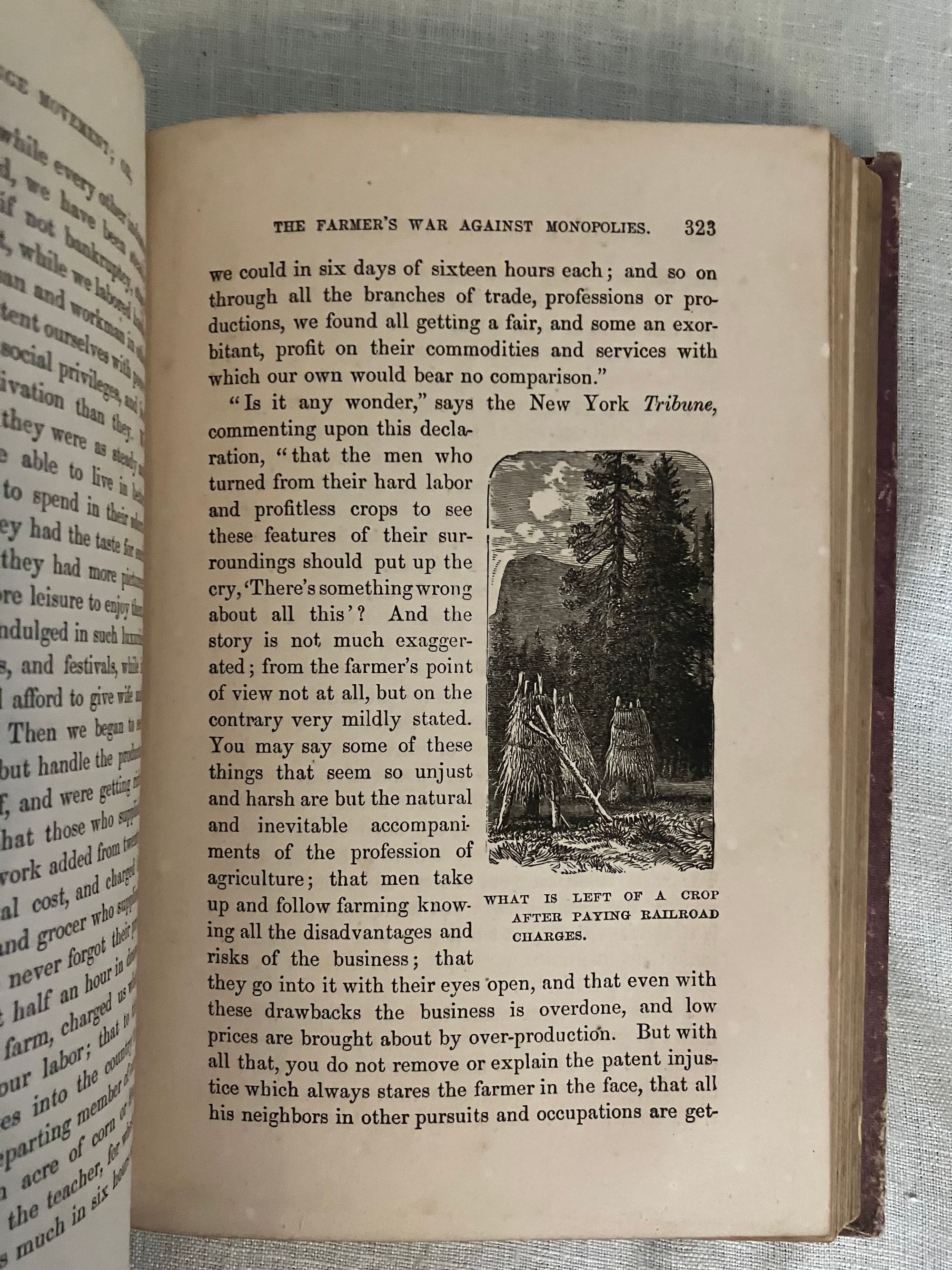
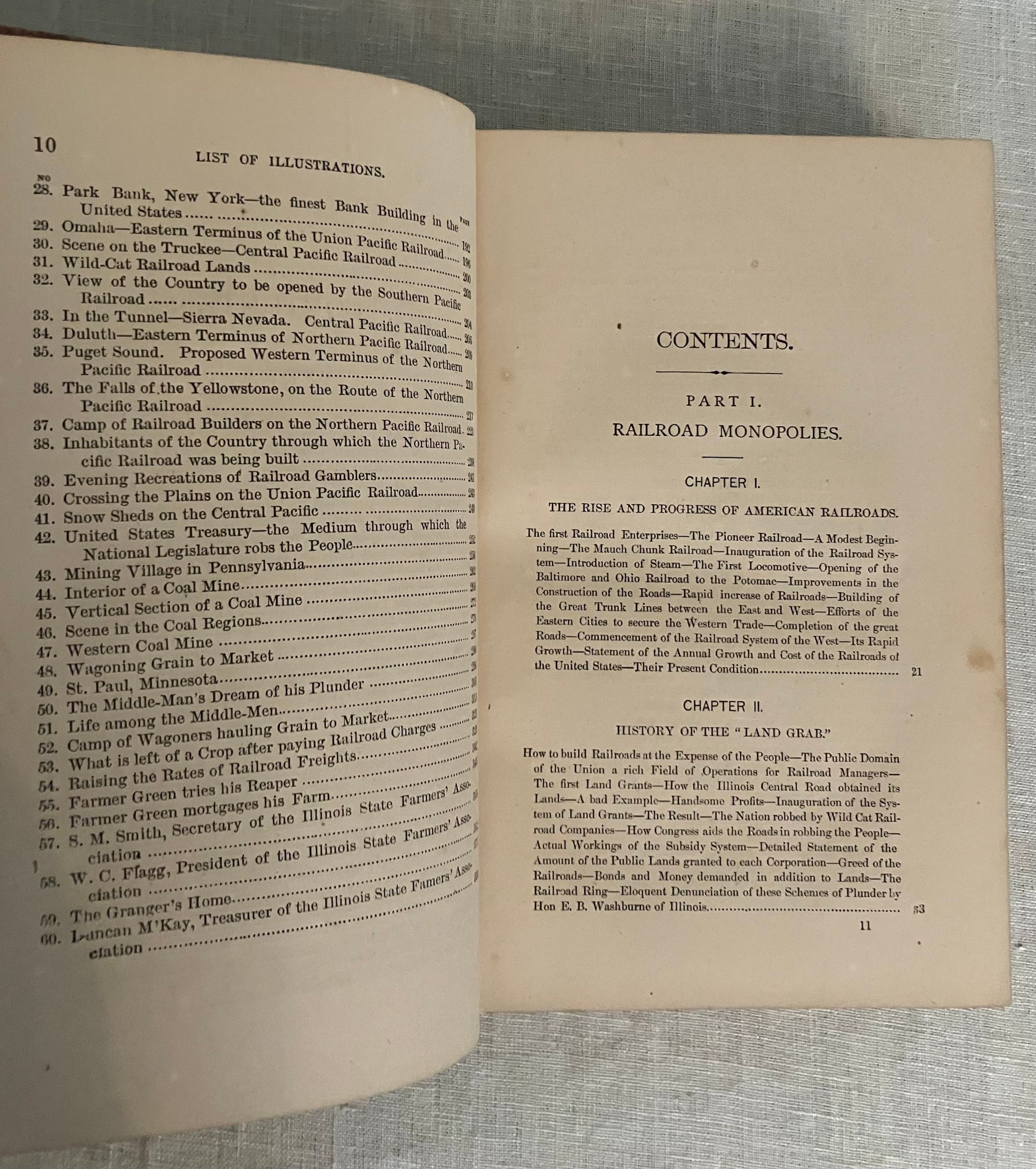
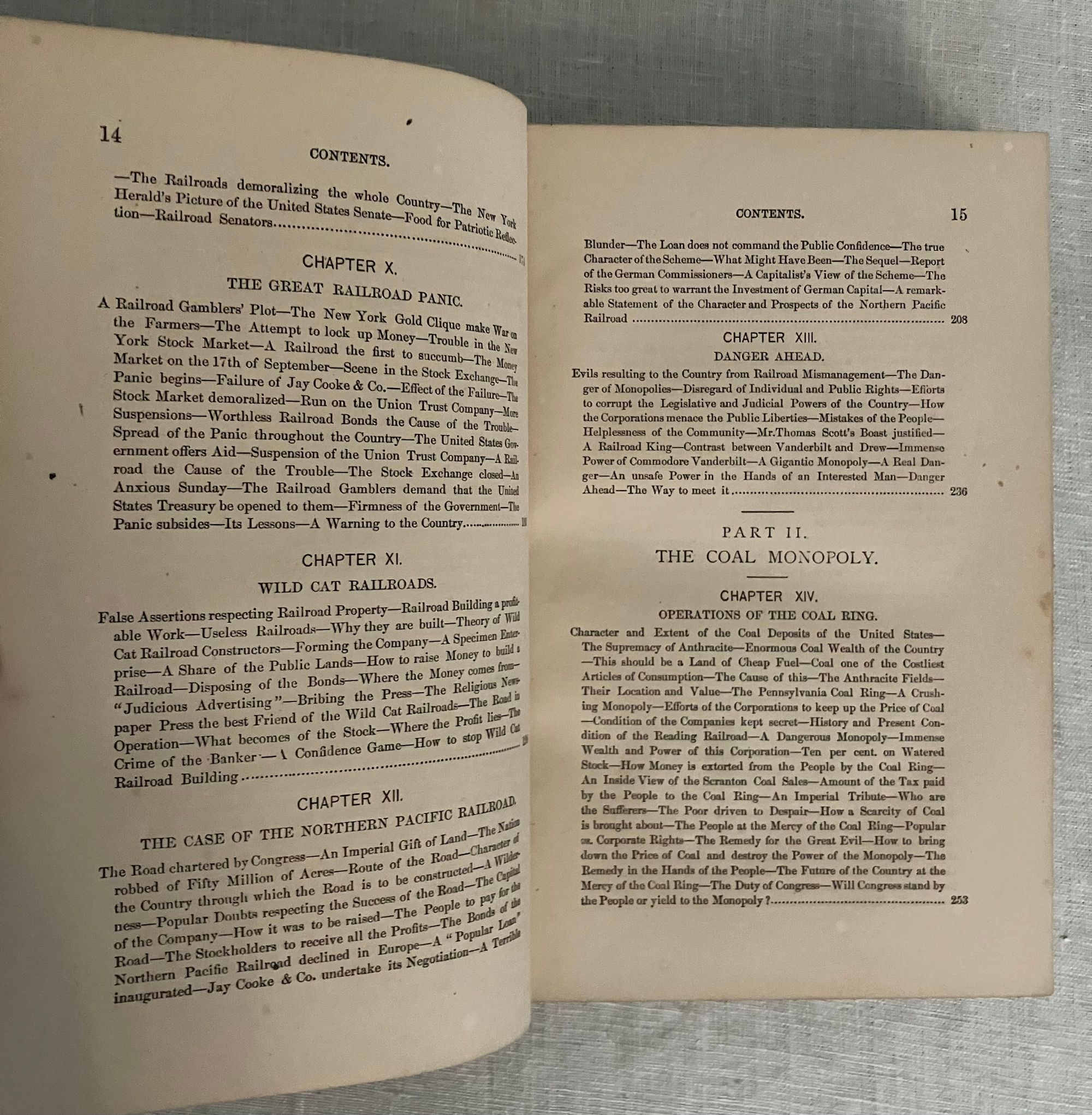
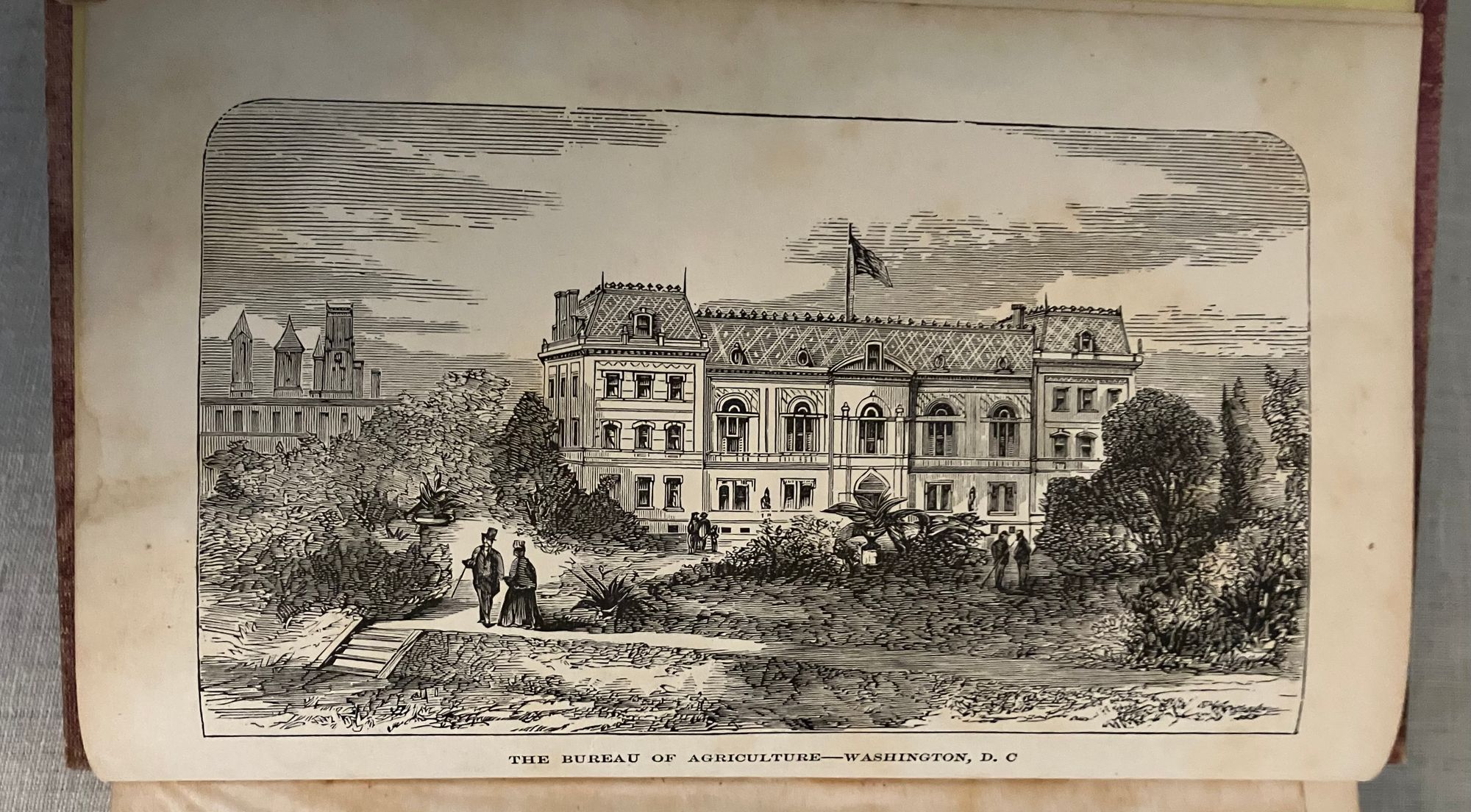
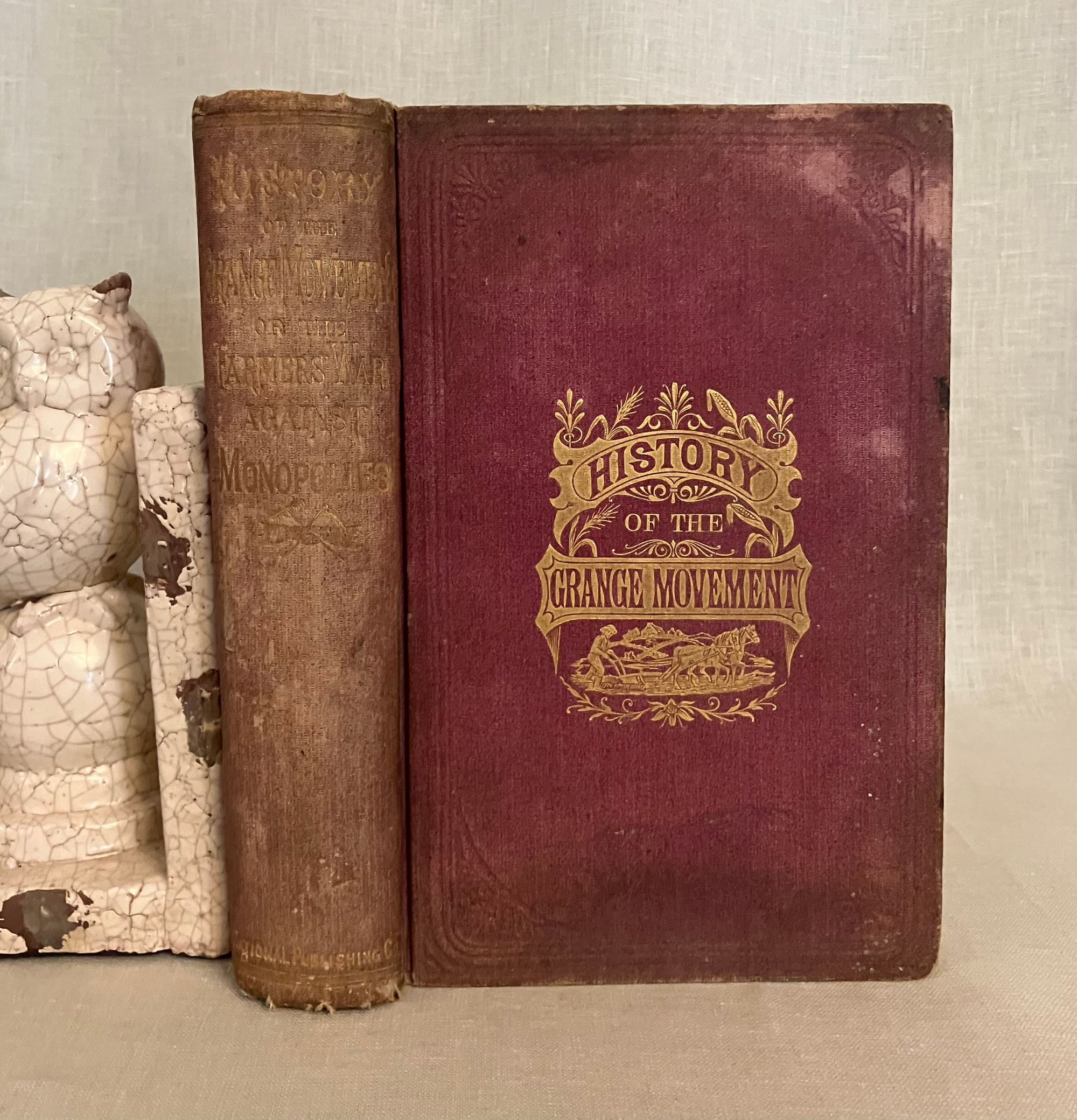
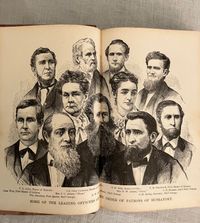
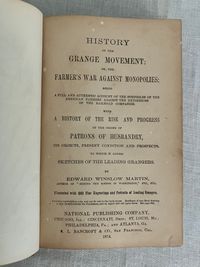
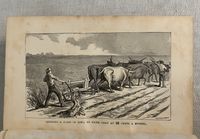
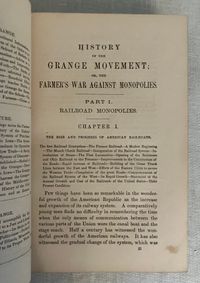
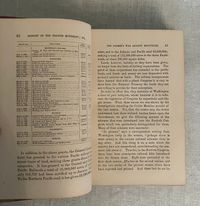
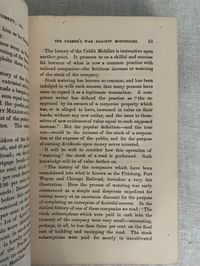
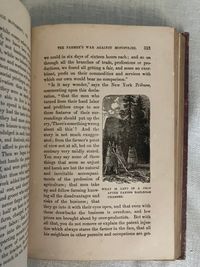
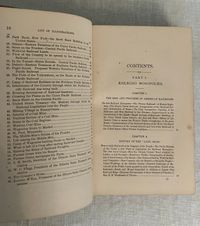
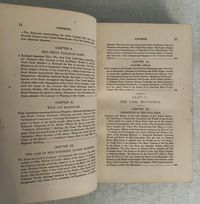
First edition. Copyright 1873. Hard cover, 8vo., in original red cloth with blindstamped border surrounding an illustrated title vignette with a farmer driving a horse-drawn plow. 544 pp. plus 4 pp. publisher's advertising. Illustrated with 60 black and white portraits and other illustration. CONDITION: Very Good Minus. Structurally sound and square but with significant exterior spotting and staining especially to front board, (better on rear board,) and with much fading to the spine. Now in protective mylar. Hinges are in order and interior is generally clean, but with a few occasional old stains, with the foolscap pages moderately age toned. Some foxing to prelims, especially tissue guards. Full page illustrations, being printed on different stock, have remained bright. **CONTENTS: This popular history explores the economic influence of the railroad, particularly upon farmers of the Midwest, from pre-Civil War technological advances of 1826 to 1874. Rapid growth of various lines which combined into intercontinental giants such as the Union Pacific are considered, as well the economic influence of the many small branch lines. The ownership monopolies of men such as Cornelius Vanderbilt, Jay Gould and others who inordinately benefited from the heavily-subsidied land grant system, whereby huge swathes of public lands were set aside for their private profit, is put into context with concurrent congressional chicanery and lack of judicial oversight. The Crédit Mobilier railroad investment scandal (revealed during the 1872 presidential election,) and failure of the investment bankers J. Cooke and Sons, are put into context with the resultant political and economic fallout such as the Wall Street crash of 1873.* Beyond being an informative history of this time, though, the particular economics affecting farmers (and coal producers) are explored. Being at the mercy of middlemen, haulage and rail companies whose stock was manipulated to exact maximum profits from the farmers, is considered in detail through in-depth interviews. The goals, and identities of the semi-secret "Patrons of Husbandry," founded in 1867, are discussed, as well as the speedily-organized Grange movement which followed in their wake. The author interviews key figures of the co-operative Illinois Farmers Association about the Grange's cooperative farmer's union which suceeded in exerting bulk purchasing power with suppliers. As the Author notes in his Preface, the fast pace of the political organization of the farmers and coal miners who were similarly at the economic mercy of the railroads to sell their product, was a topic of concern for many "back East" who were not subject to these same economic pressures, and feared the shifting of political power away from the eastern bastions of power as the centennial of the nation loomed.**Virginia AUTHOR James Dabney McCabe, Jr. (1842-1883) journalist from the age of 14, wrote a number of popular illustrated history titles during the last quarter of the nineteenth century for this publisher. The pen-name, "Martin" was presumably adopted to distance himself from some of his earlier opinions he had renounced when arriving in the North. (As late as the mid '60's McCabe embraced support of the Confederacy, producing a novel, and a pro-Confederate drama called "The Guerrillas," performed in Richmond in 1864.)* The copyright of this title belongs to publisher Joshua R. Jones, owner of the National Publishing Company of Philadelphia. The company employed direct sales agents who worked on commission, rather than selling through wholesale. (See the ad.) **REFS: National Agricultural Library, 277.12 M12 1874. OCLC 11883930. C. S. Watson, "Confederate Drama: The Plays of John Hill Hewitt and James Dabney McCabe," The Southern Literary Journal, Vol. 21, No. 2 (Spring, 1989), pp. 100-112.
Ref: AGRI 9384
$90.00