 |
 |
 |
 |
 |
 |
 |
 |
 |
 |
 |
 |
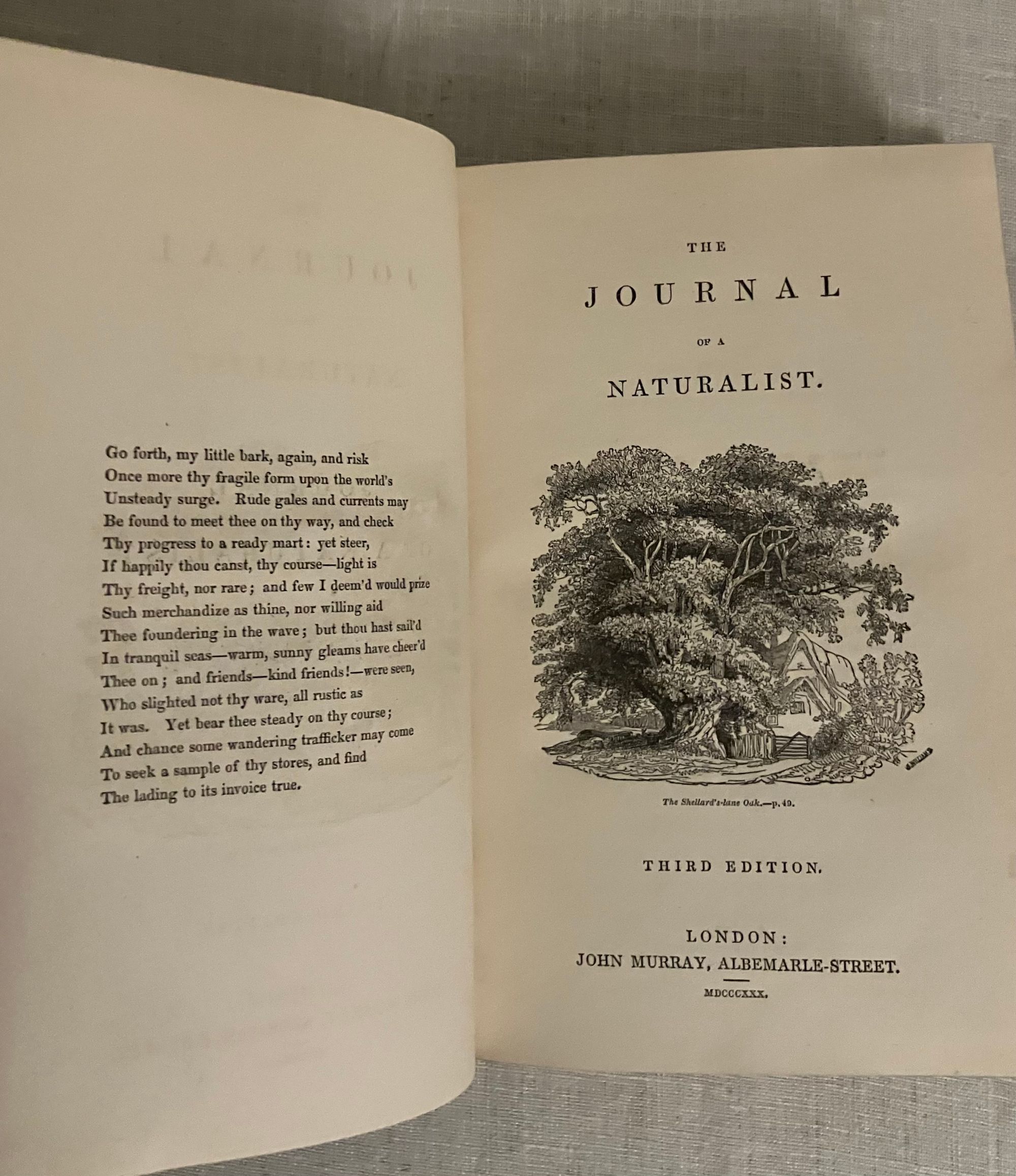
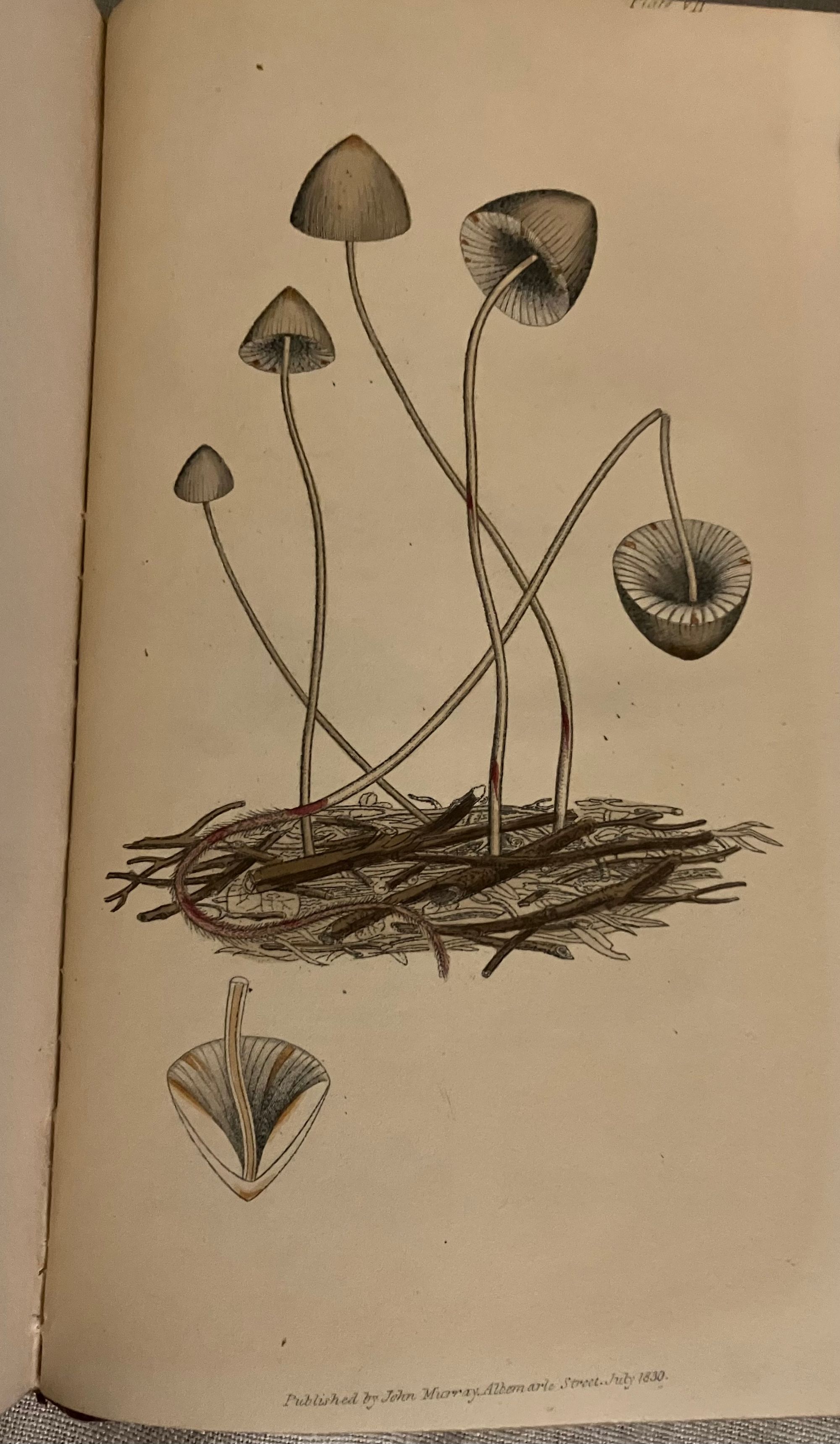
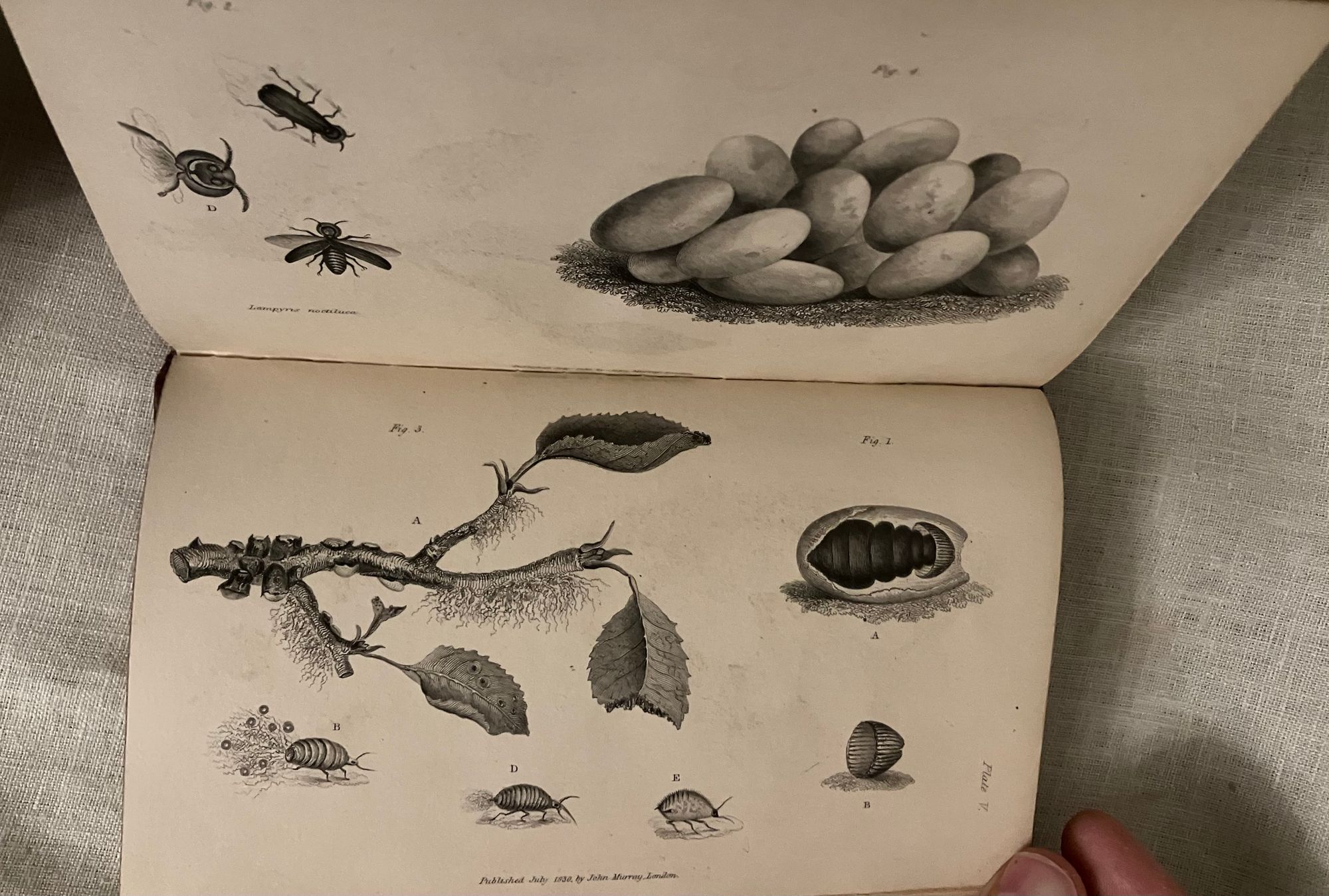
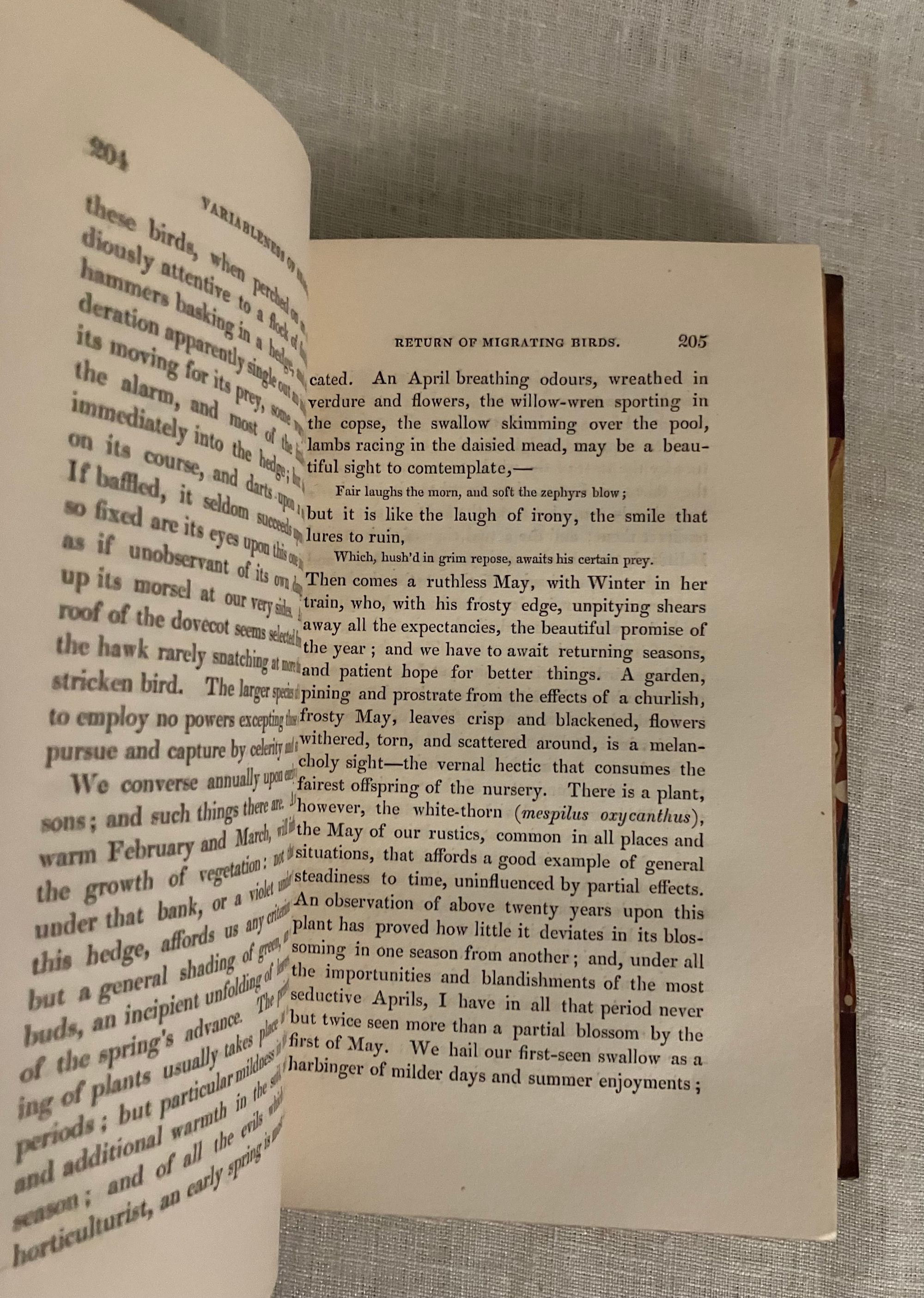
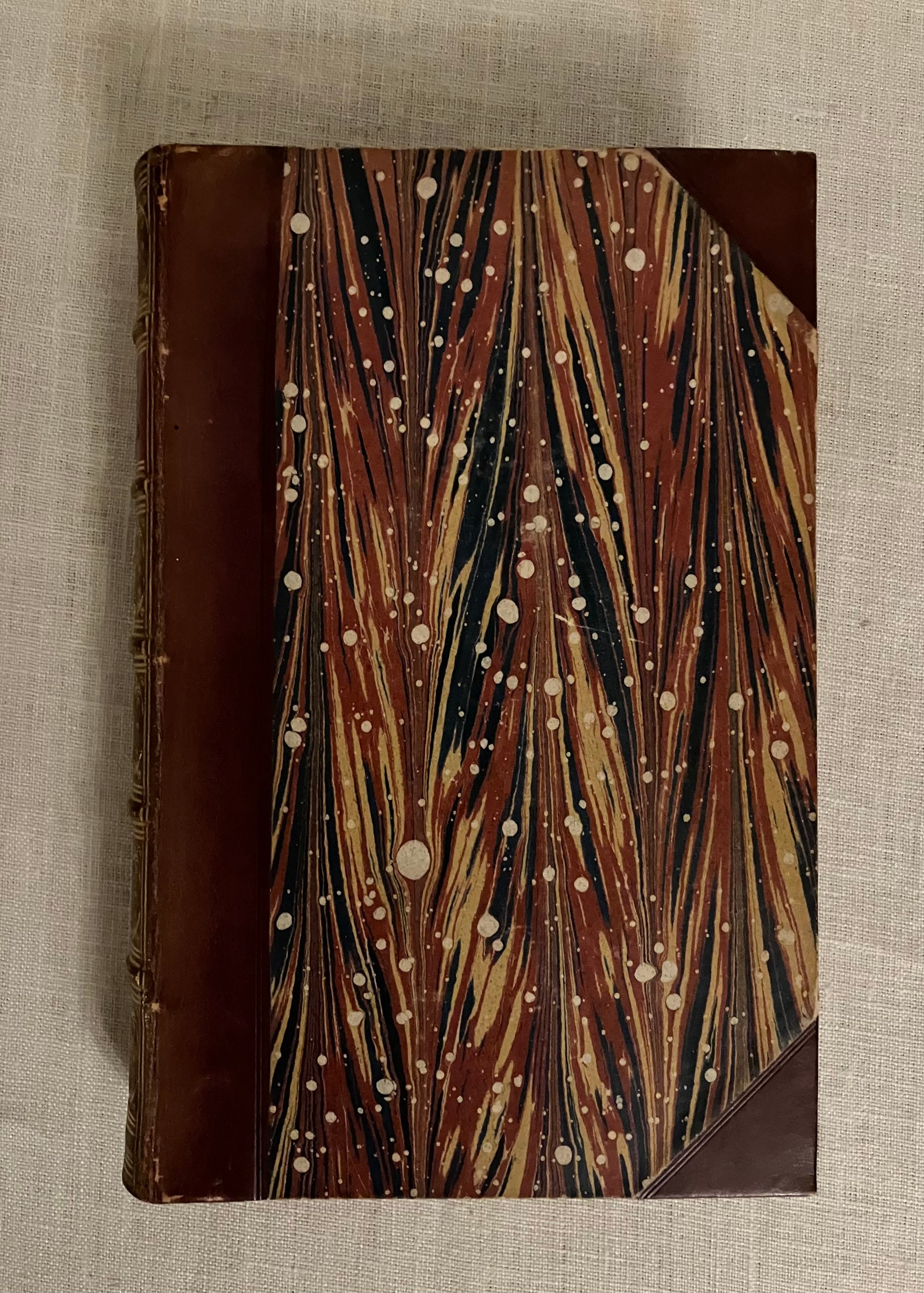
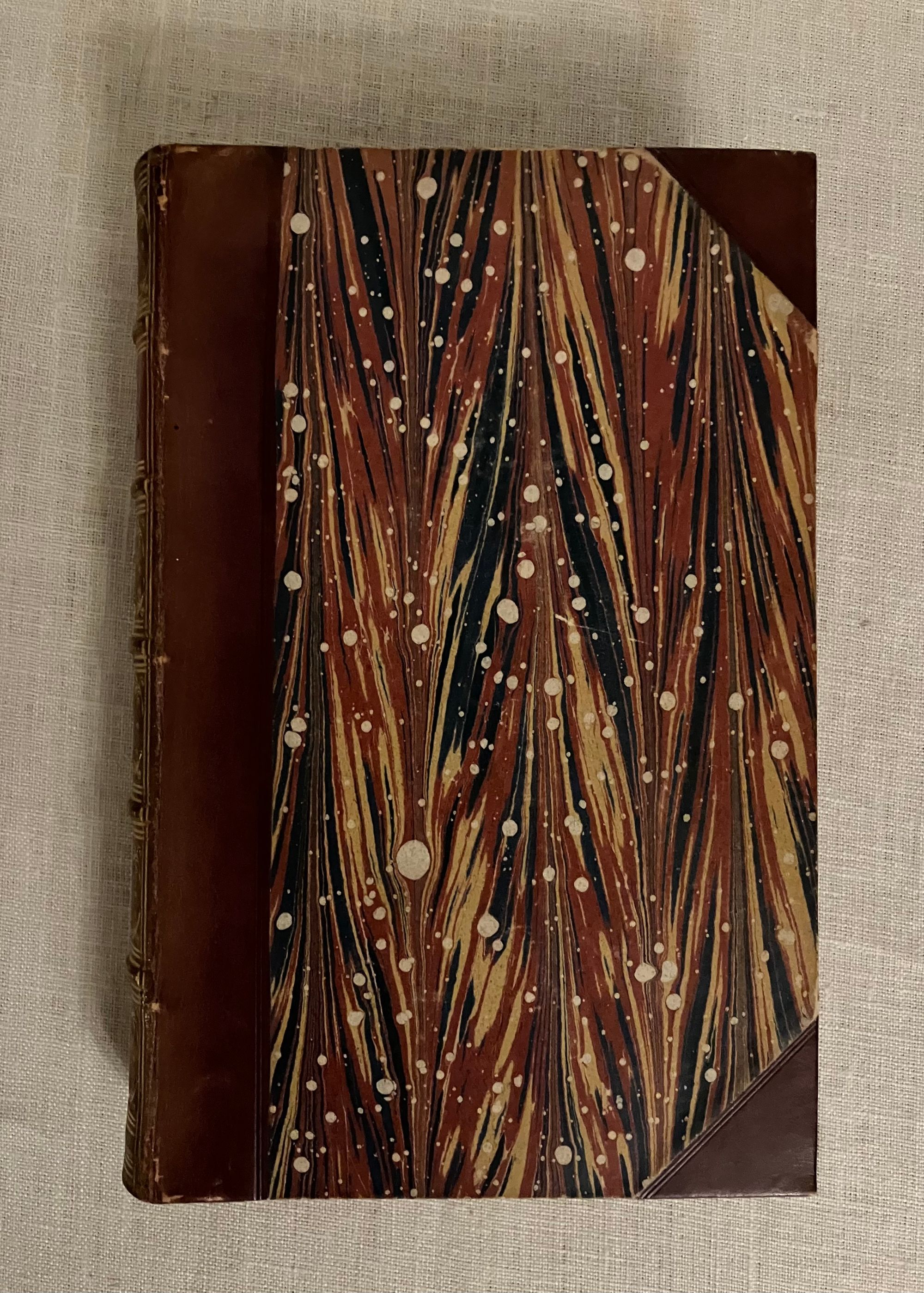


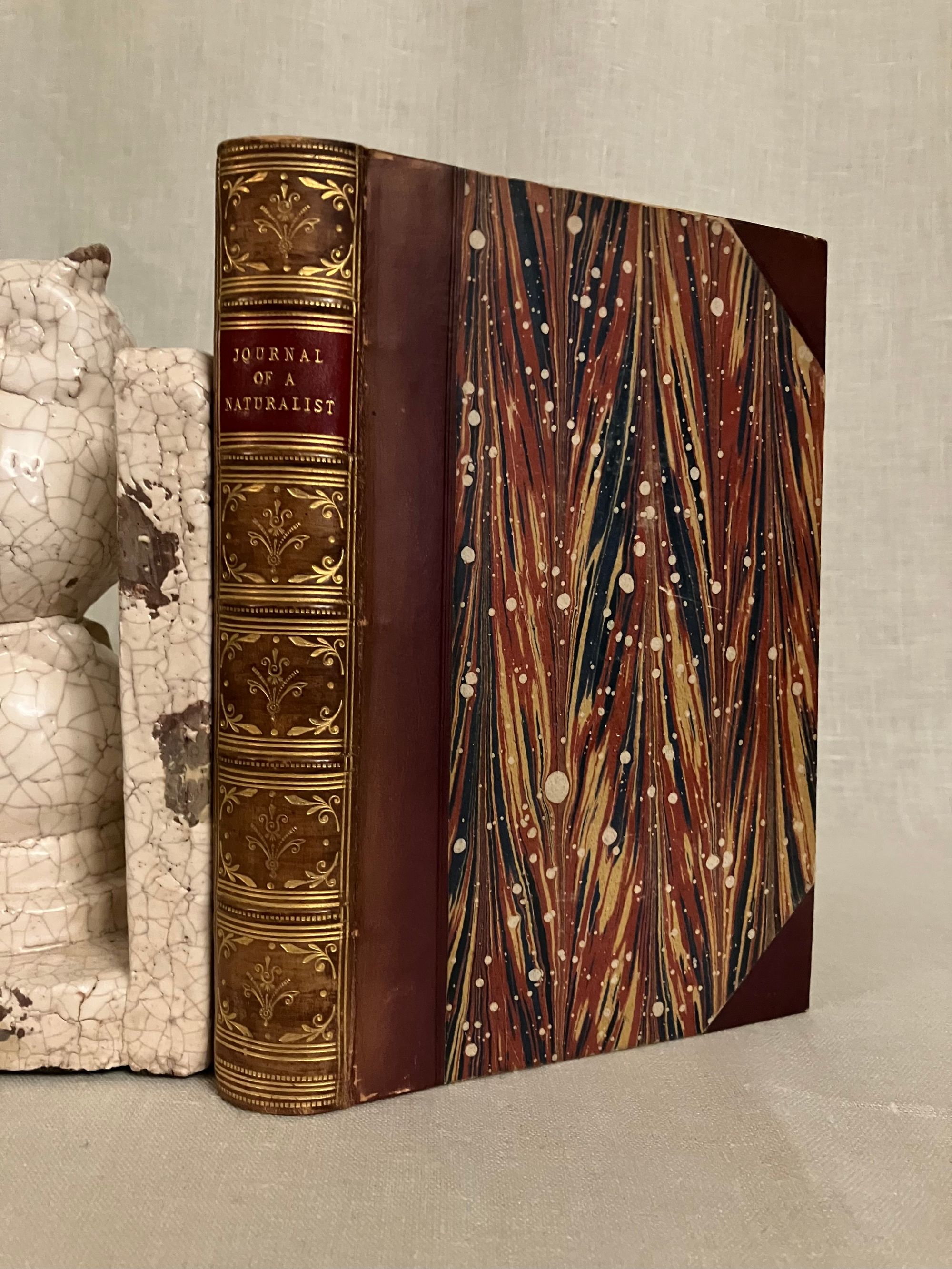
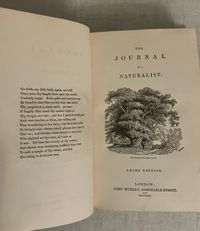
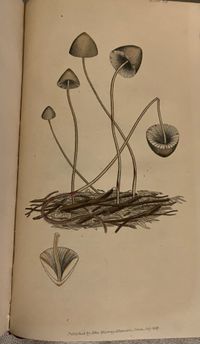
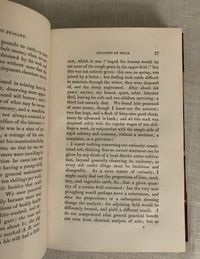
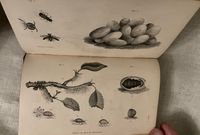
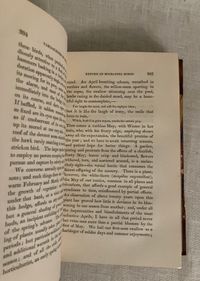
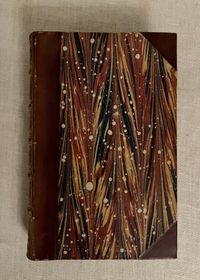
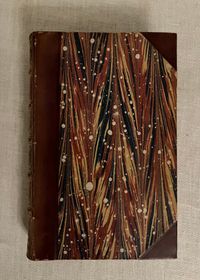
Hard cover, 12mo, finely bound in three-quarter, maroon-brown calf gilt, with marbled paper-covered boards, the spine with five raised bands rolled with small squares, and the compartments tooled with a slightly abstract floriate design flanked to the corners with leaf sprigs. Text edges trimmed and mottle glazed. Engraved illustrated title page with art by S. Williams. Further illustrations are dated 1830 and consist of seven engraved plates, of which four are double paged and one printed in color. ** COLLATION: xvi, [1]-432, [1], Plate I (double page),(blank), II, (2 blank), III (double page), (blank), IV, (2 blank), V (double page), (2 blank), VI (double page), (blank), VII --color, (blank), Index, 440pp. Printed by W. Clowes, Stamford Street. [3]. CONDITION: Near Fine. Published anonymously by English botanist John Leonard Knapp (1767-1845), this material was first serialized in the magazine " Times Telescope" before publication of the first English edition in 1829, 2nd in 1829 and then this third edition of 1830. (The American 1st was published in Philadelphia the following year, 1831.)**Knapp was a native of Bristol in northern England, later moving across the nearby Severn to southeast Wales. He was an early ecologist in that manner in which empirical observation overlaps with philosophical thought, economics and morals. The native limestone of the area is his first focus; its origins, differences of type and methods of formation. Use of the component minerals as amendments to the soil for different crops, and limestone powder as a moisture retaining amendment are considered. Mention of the area's Roman occupation highlights the long usage of the limestone cliffs for civil construction of roads, which is continued into the eighteenth century (child labor included). His investigation of quarries leads into a digression on the changing environment over the centuries, including the effects of deforestation. Further uses for limestone as a kiln fuel and as a medicinal component are also considered. Beyond this, Mr. Knapp catalogues the various local grasses and other components of silage and discusses how different biological varieties effect outcomes in terms of local dairy products, for instance. Other topics: the culture of the potato and causes of localized varieties; the teazel plant and other native flora; the oak, elm and maple and their localized ecology, ill-effects of pollarding; hellebore, dyer's broom, foxglove and other various medicinal plants; flowers as sweet, sugary attractions to beneficial insects; local species of quadrupeds, birds and insects; the cruelty of man toward animals; changes taking place in nature; the philosophy of empiricism; observation of changes wrought by "electric" atmosphere, winds, sinkings, salt winds; 1825 and its peculiarities and influences; celestial observations et al. Knapp became a fellow of the botanical Linnean Society, and also a fellow of the Society of Antiquaries. In general, this is a fantastic read encouraging the wonders of direct observation of nature and its many changes, still an urgent topic today. This title (not this edition tho) is in the Wellcome Collection. His 1804 title "Gramina Britannica" (on British grasses) is also listed there, as well as in: M. Aslin, "Library Catalogue of Printed Books and Pamphlets on Agriculture" (Harpenden, 1940) p. 84. REF: G.S. Boulger, "John Leonard Knapp," DNB. British Library database, Shelfmark 1609/373. (AMJ)
Ref: NATH 9383
$125.00