 |
 |
 |
 |
 |
 |
 |
 |
 |
 |
 |
 |
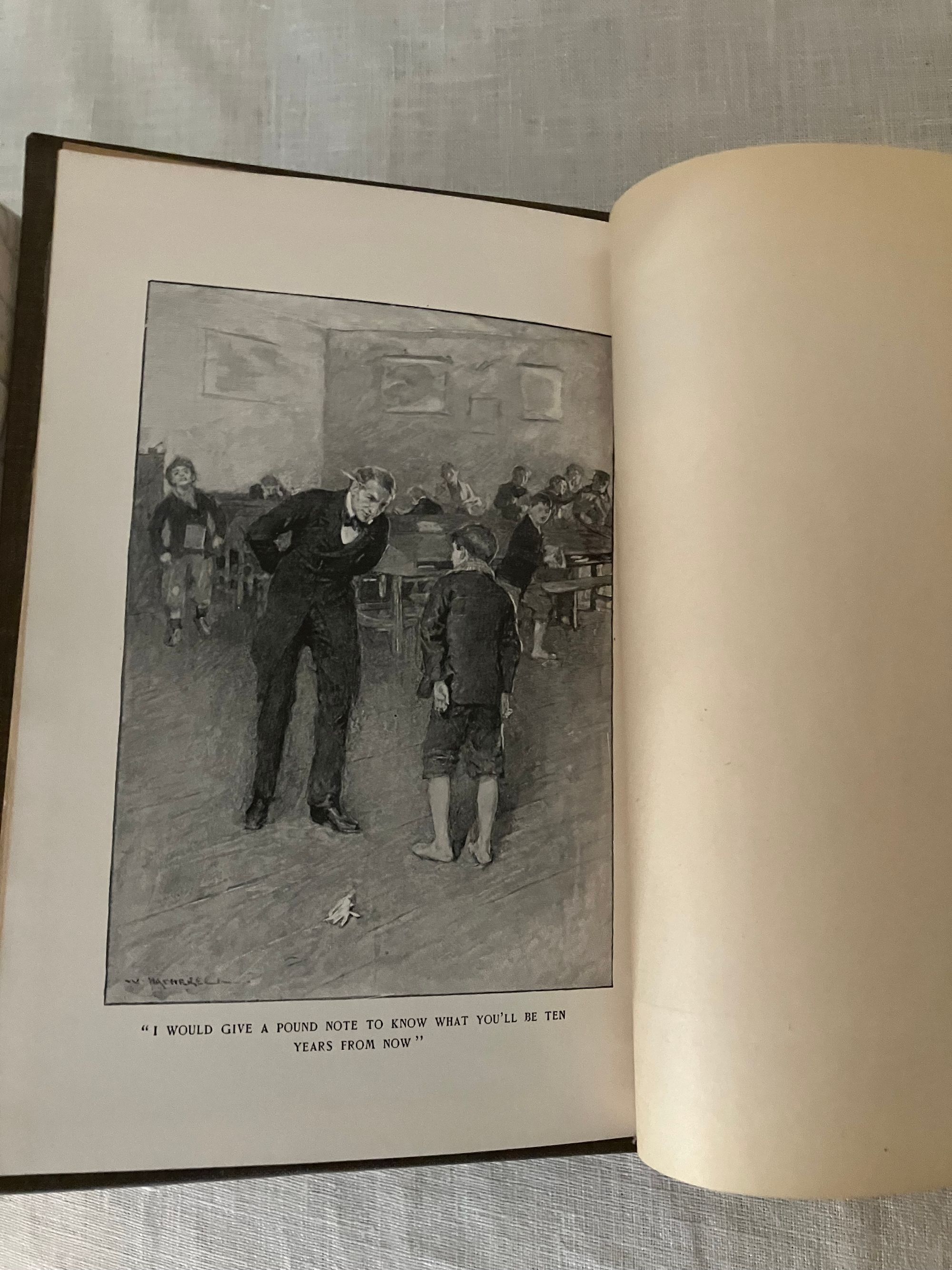
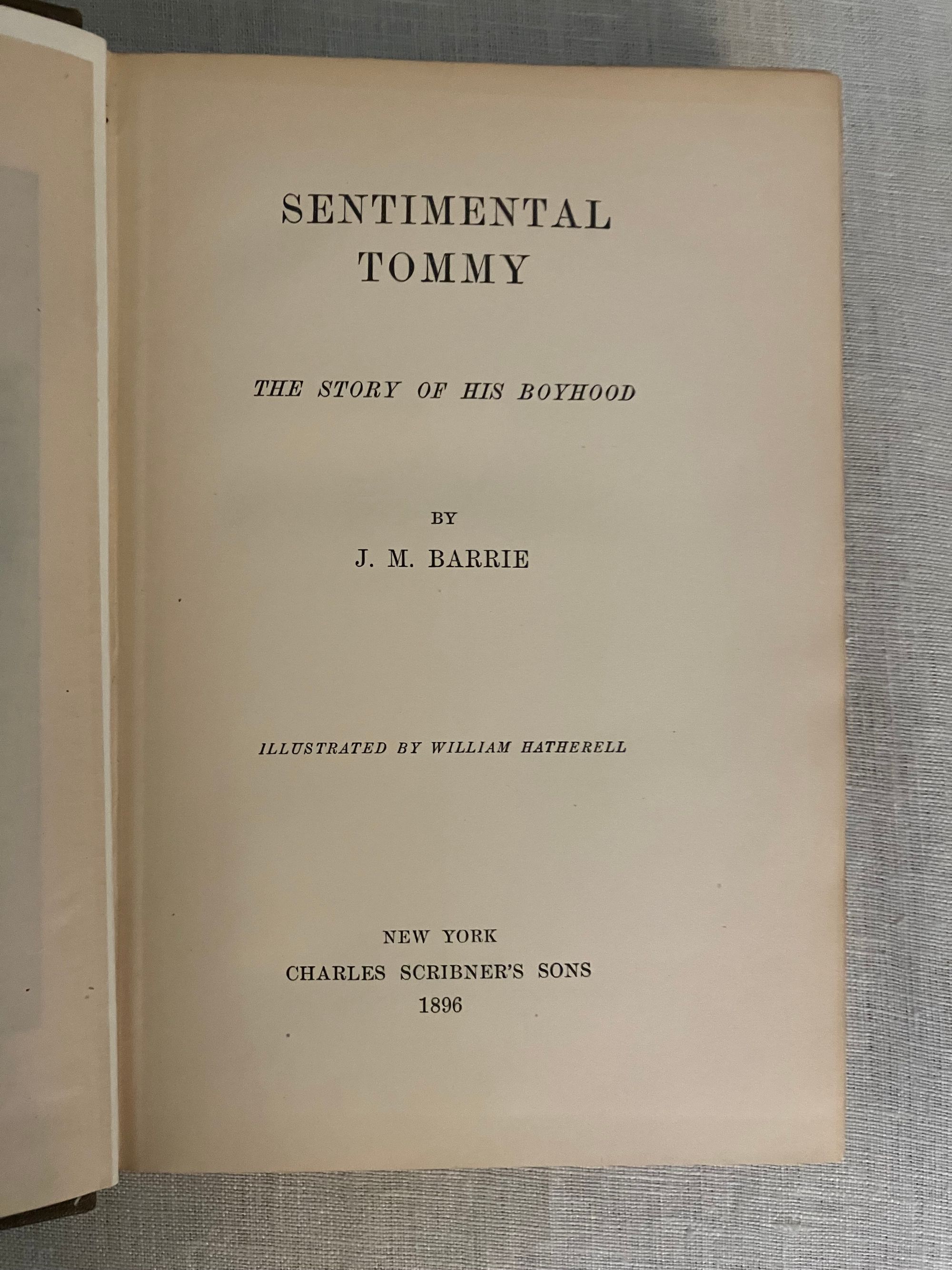
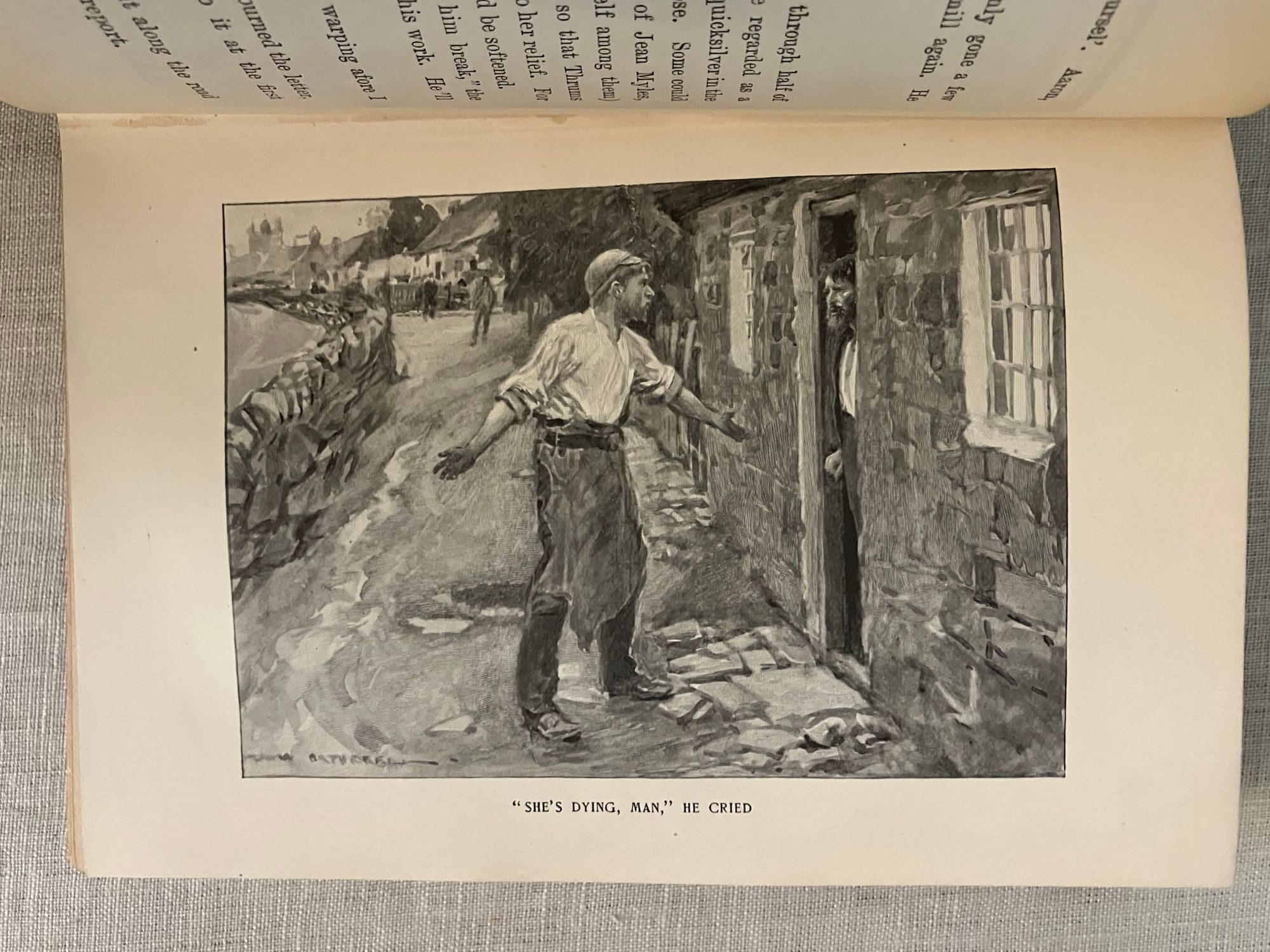

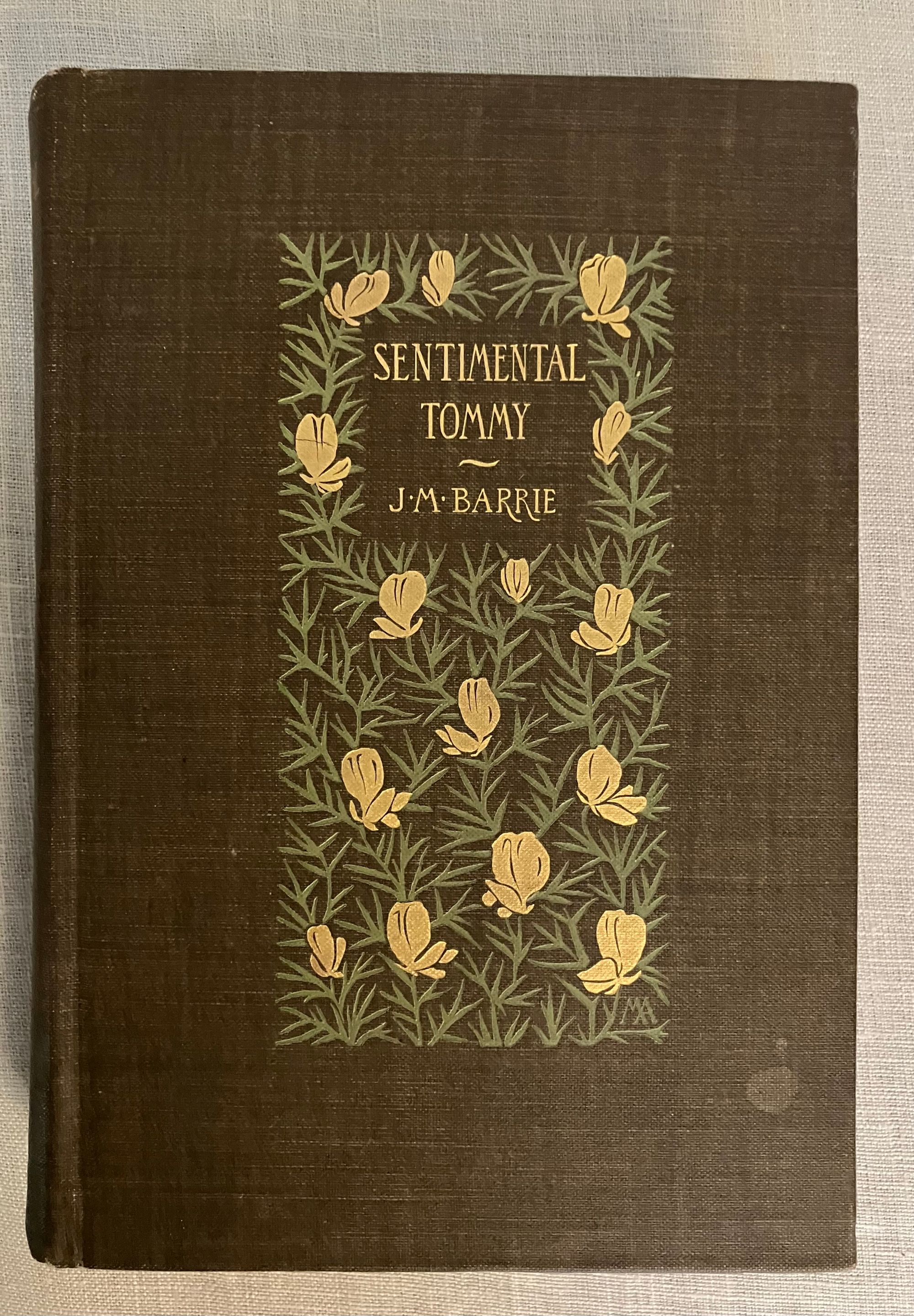


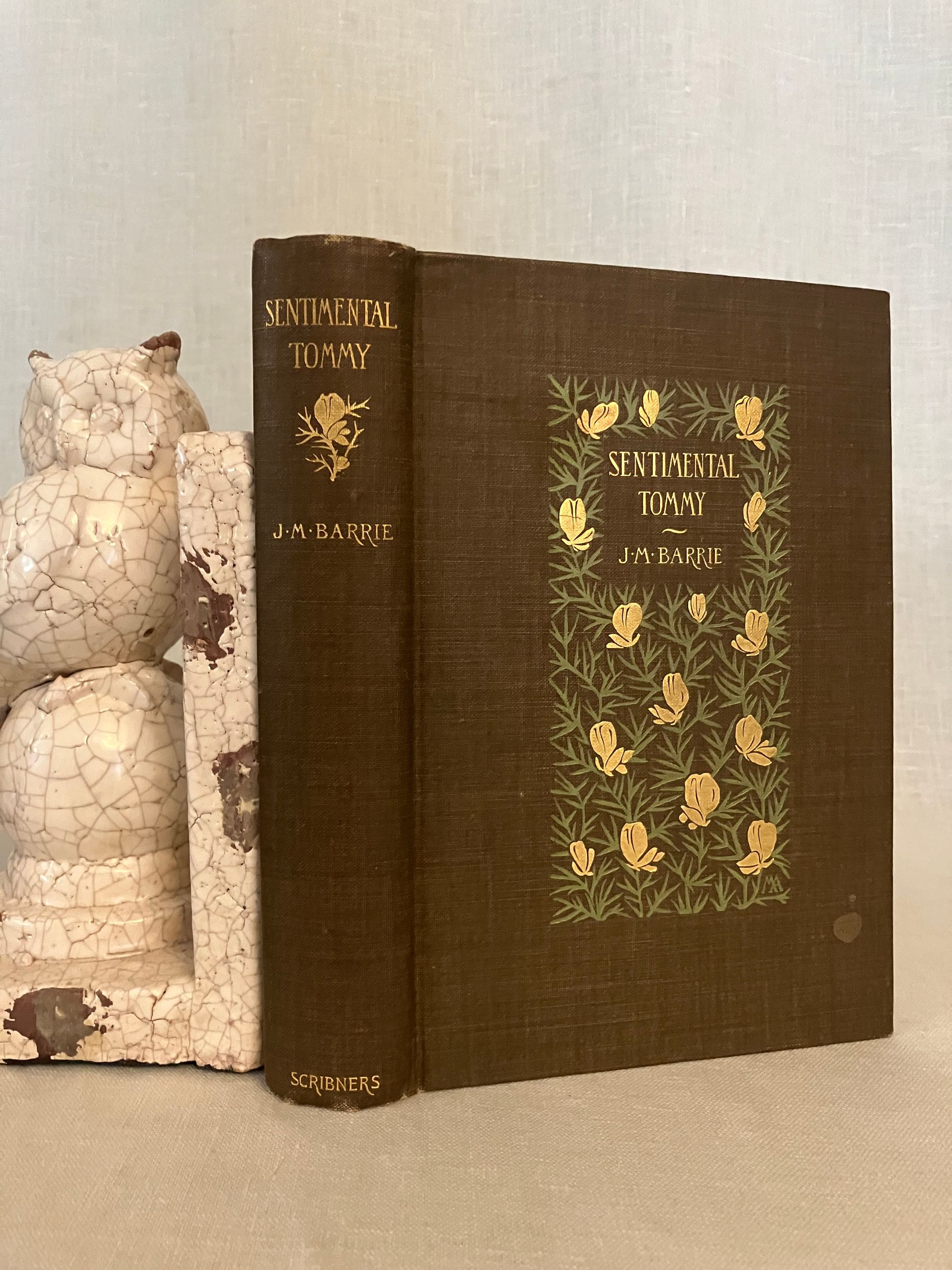
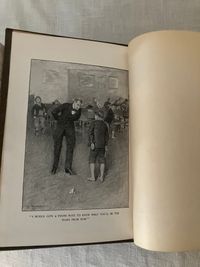
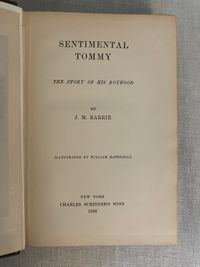
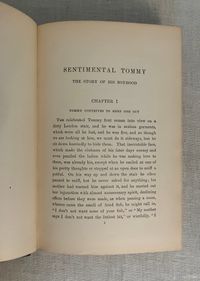
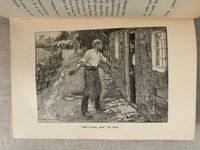
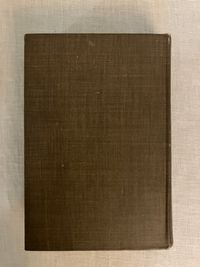
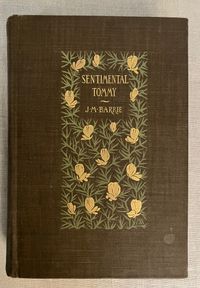
First American Edition. Hard cover, crown 8vo with decorated brown linen-like cloth blocked with a frame of Scotch broom (Cytisus scoparius) blossoms in gold, spiky foliage in green, centering titles in gold. Vignette of broom with titles in gold to the spine. Top edge stained olive, other edges trimmed, [i]- vi ,[vii-viii],478 pp. Plates not paginated, unsigned. **CONDITION: Very Good Plus. A couple of spots of discoloration to boards. Otherwise, hinges in order, square and clean, moderately age-toned pages. Closed tear to frontispiece tissue guard at bottom edge. One open tear at fore-edge p. 74. British Artist William Hatherell (1855-1928) provides 11 full-page black and white plates, including the tissue guarded frontispiece, done from oils. **New York -born book cover designer Margaret Armstrong (1867-1944) was also a botanical illustrator as might be inferred by her naturalistic treatment of the broom plants depicted here; other examples of her work were more stylized art nouveau riots of color. Her initials are found on the bottom left of the top board. She was a pioneering book artist in a time when few women were employed in this field, and her cases are very collectible.** Scottish Author J.M. BARRIE ( 1860-1937), famed creator of the Peter Pan stories, as translated to both stage and screen, tells a semi-autobiographical, tragi-comic tale of the hardscrabble upbringing of young Tommy and Elspeth Sandys and their widowed mother Jean. Like Barrie himself, the characters hail from an extremely small rural Scottish village. After a life-changing incident involving the bullying and alienation of her true love, Jean finds herself cast out (literally pelted with stones) and forced to relocate to London, marries to a n'er-do-well gambler, who dies, leaving the family destitute. Themes include the dislocations of economic migration of rural Scots to London, their attempts to maintain cultural identity in the Big Smoke through shared language, celebrations and other communal activities. There is description of the effects of childhood illness and death, life in the tenements, domestic violence, drunkenness, mental illness, the plight of single mothers, as well as lampooning of patrician attempts at poor relief. In the face of a hard life, Tommy and his younger sister must adapt, and the use of their imagination plays a large role in their survival. It has been said that the story reflects some of the life-experience of the Author, who lost his mother and older brother at an impressionably young age and was forced by circumstances to move to London. REFS: on Margaret Armstrong cover; L. Thing (2022) p. 277; Gullens and Espey18.
Ref: FICT19 9289
$48.00 $36.00