 |
 |
 |
 |
 |
 |
 |
 |
 |
 |
 |
 |
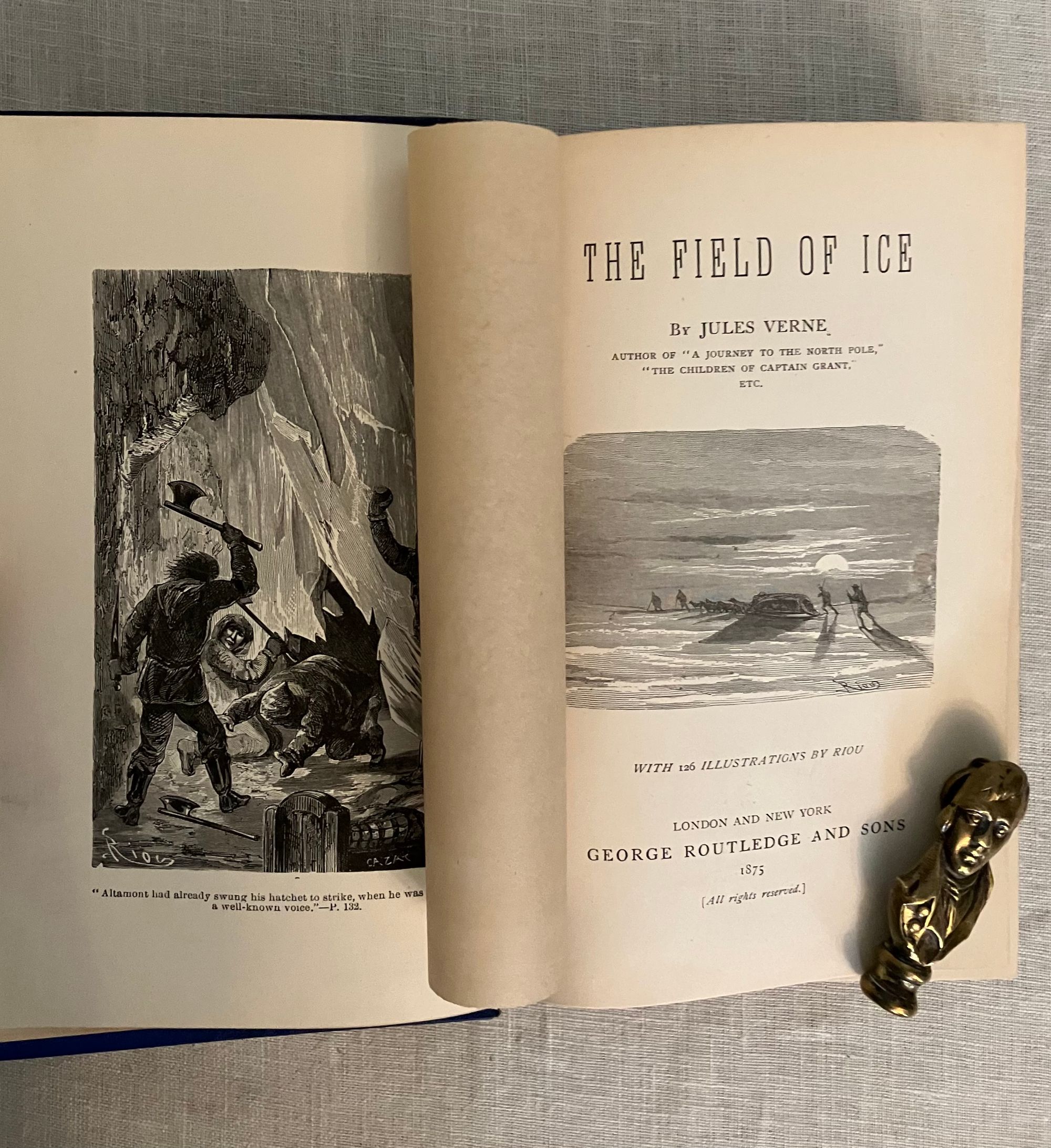
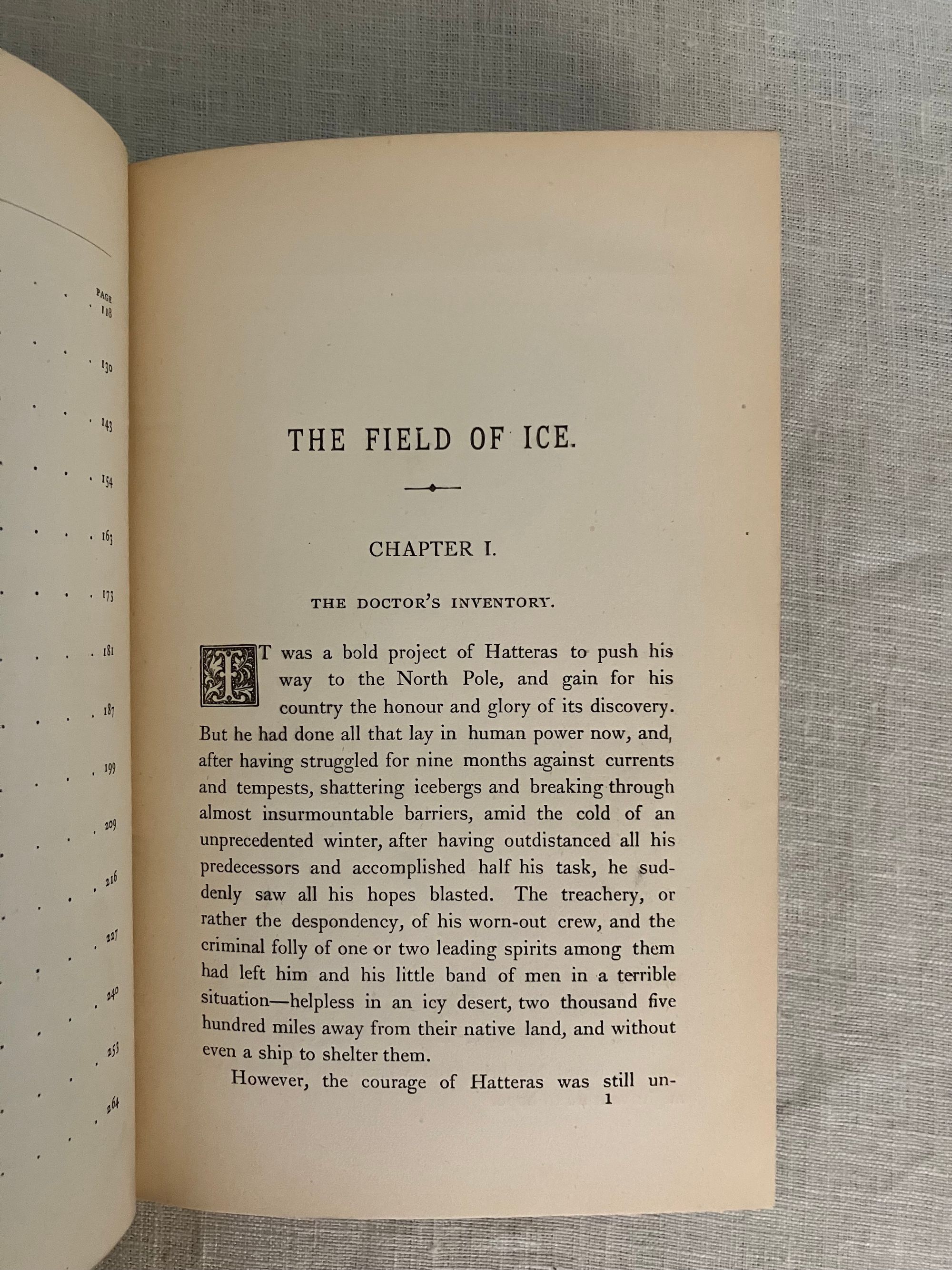
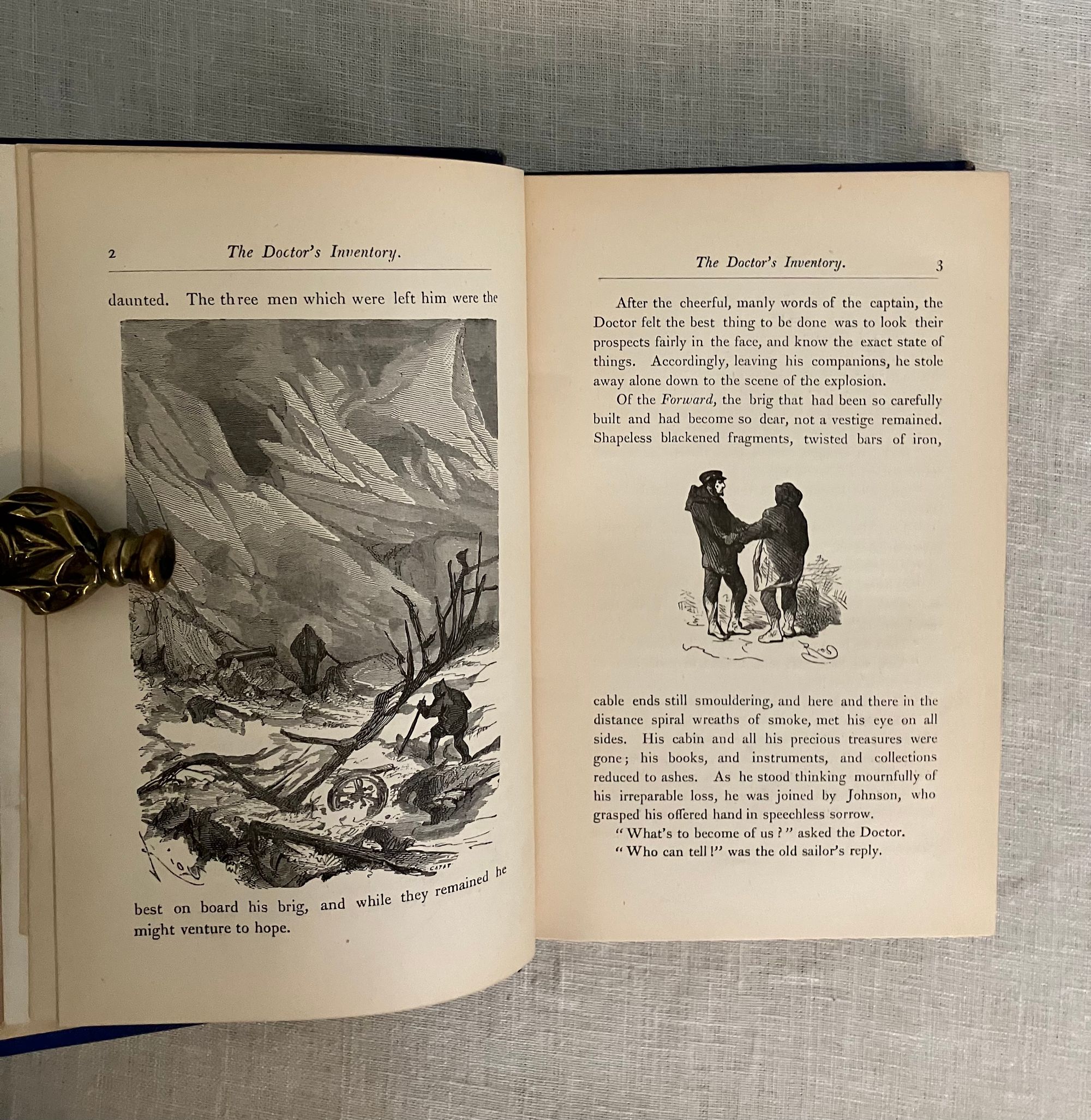
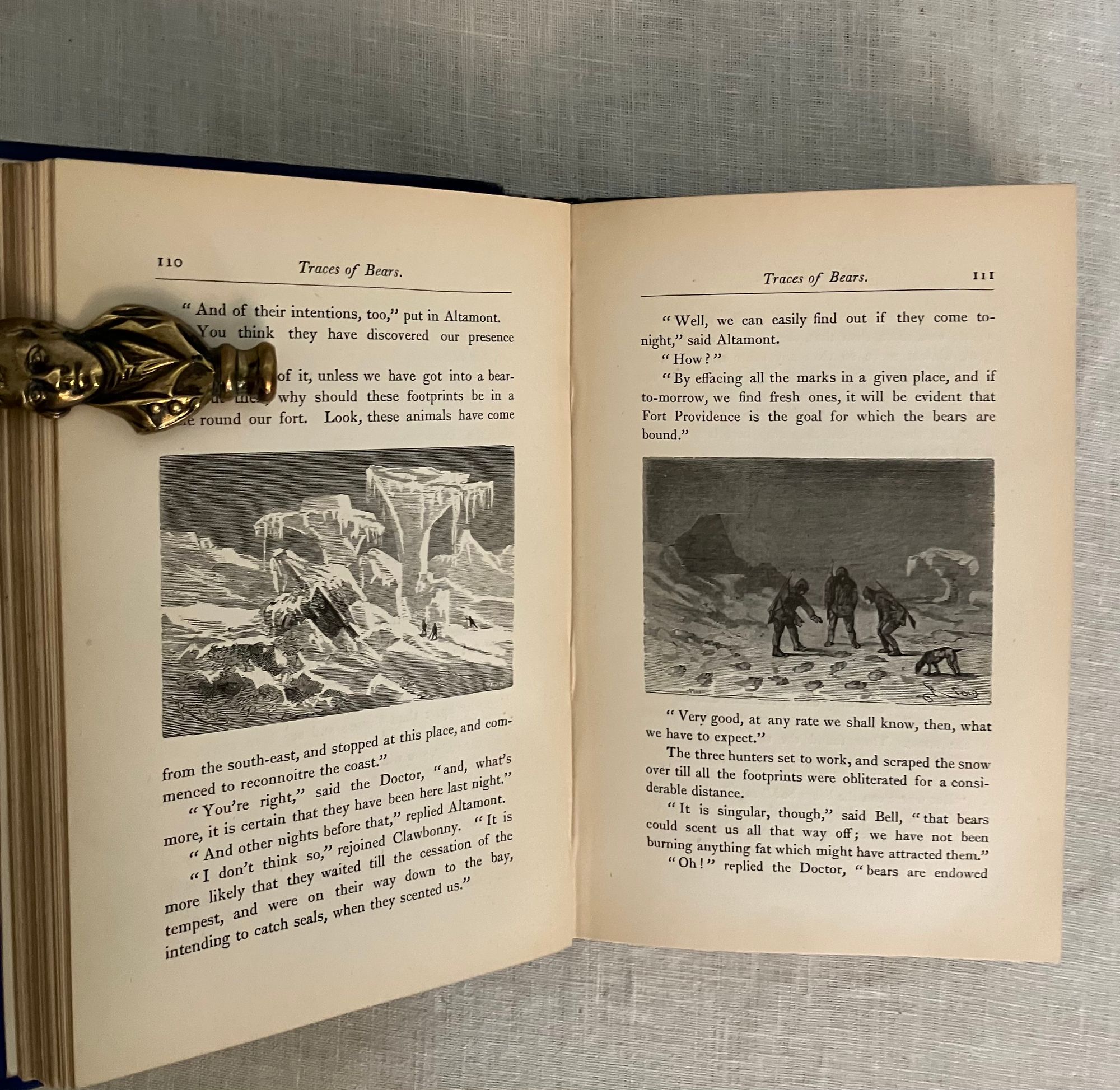
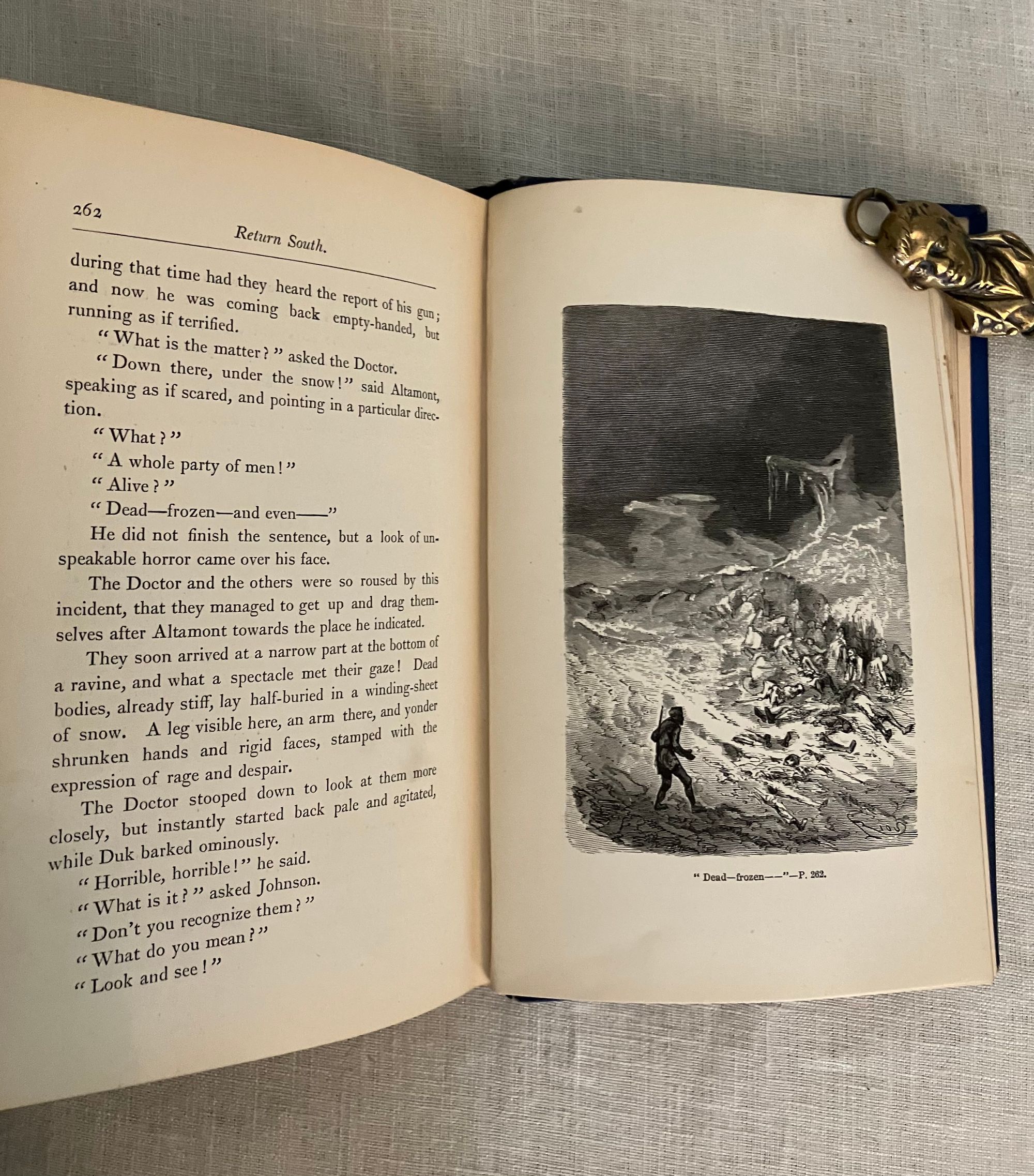
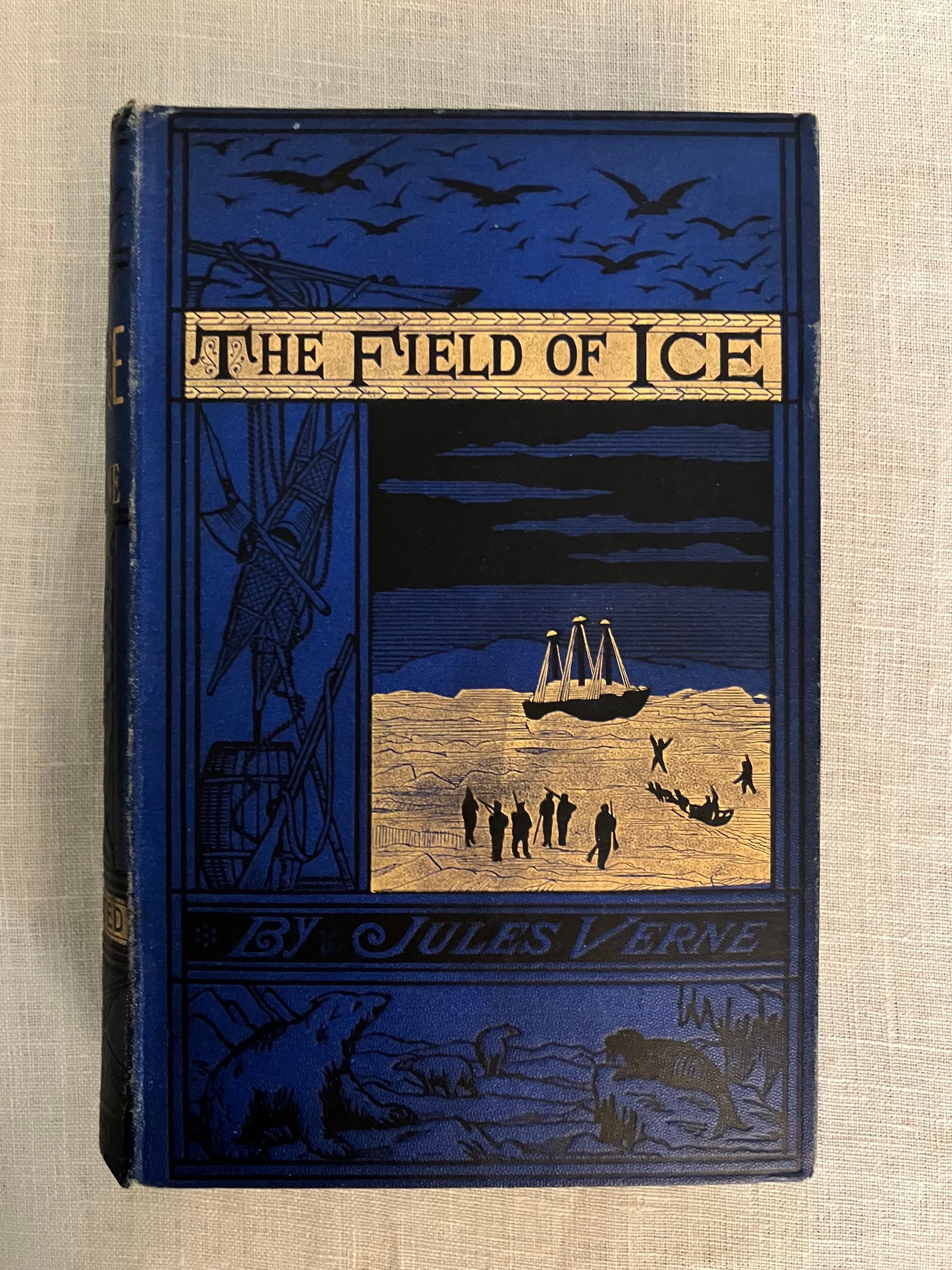



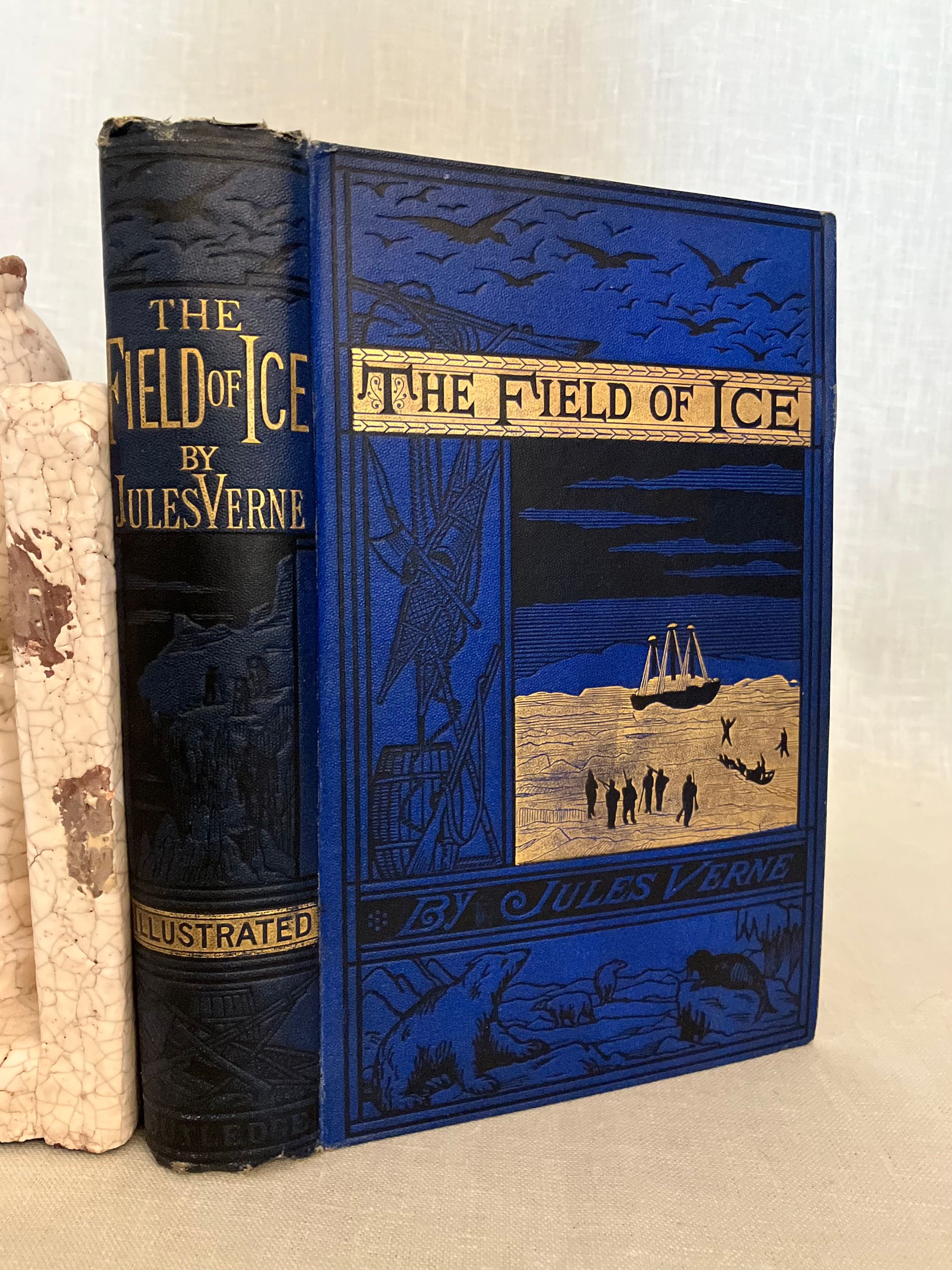
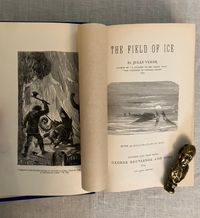
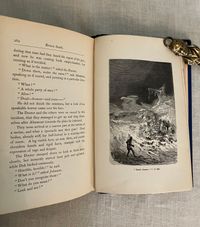
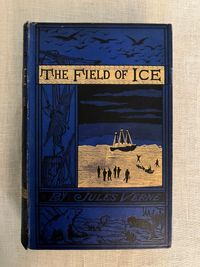
First British Edition. Hard Cover, 8vo., in the original publisher's blue cloth pictorial binding, with title and image of sailing ship at the edge of an ice pack, with men and a dog-sled in foreground, blocked in gold and black. Additional sections of the front depict sea birds in flight, Arctic equipment, polar bears and seal, all in black. The rear board is plain. The spine has titles and the word ILLUSTRATED blocked in gold within rules, the other sections depicting birds in flight, climbers surmounting an icy couloir, and ships stores. Top edge stained olive green. Cream glazed endpapers. Ex library, with old bookplate to endpaper. A tissue-guarded frontispiece illustration of four men in fighting in an ice cave is opposite the title page. A total of 126 illustrations are within the text, including 24 full page (unpaginated) plates. Printed by Simmons & Botten, Shoe Lane, E.C.Bookbinders label affixed to rear endpaper: "Bound by Burn & Company."**CONDITION: Generally Very Good Minus. Slight lean. Some light rubbing to covers is seen at joints and tips. The top of the spine is a bit frayed, while the foot is crumpled with several small 1/8 inch splits. Gold somewhat dulled. Library bookplate to endpaper and stamp to foot of copyright page (no card holder.) The remains of two pieces of old tape are across the front hinge which is only intermittently cracked and still holding firm. The rear hinge has one two-inch split, but holding. A few spots of fox to binder's front fly only. Pages remain bright. Small hole to frontispiece tissue. Now in mylar.**COLLATION: iv, 269, [1], plus publisher's advertising section titled "George Routledge & Sons'/ Juvenile Books" [3],4-16 pp. **"THE FIELD OF ICE" is the second volume completing the story of "The Adventures of Captain Hatteras." First released in French in 1864, and in its revised form in 1866, when the ending was amended. Captain John Hatteras is a fictional British explorer who leads an expedition to conquer the North Pole. The start of this book finds the brave adventurers, having survived a mutiny and an explosion onboard the ship, the "Forward," clinging to life "in an icy desert". They are largely saved due to the scientific prowess of Doctor Clawbonny, whose inventions to protect the men from polar bears included a bullet from frozen mercury taken from a thermometer, and rigging a barrel of gunpowder to be remotely detonated using a battery and wires--high tech indeed for the 1860s. As is usual with Verne, he builds a story on a foundation of Victorian scientific knowledge, and occasionally adds elements which seem fantastical; in this case, the North Pole is occupied by an active volcano, which gets named "Mount Hatteras". **French ARTIST Édouard Riou (1833-1900) illustrated six of Jules Verne's novels, as well as others by Sir Walter Scott, Victor Hugo, and Alexandre Dumas.** REFS: Gallagher, Mistichelli & Van Eerde A16, Myers 58, Bleiler: The Checklist of Science-Fiction and Fantasy p199.
Ref: SCIFI 9250
$250.00