 |
 |
 |
 |
 |
 |
 |
 |
 |
 |
 |
 |
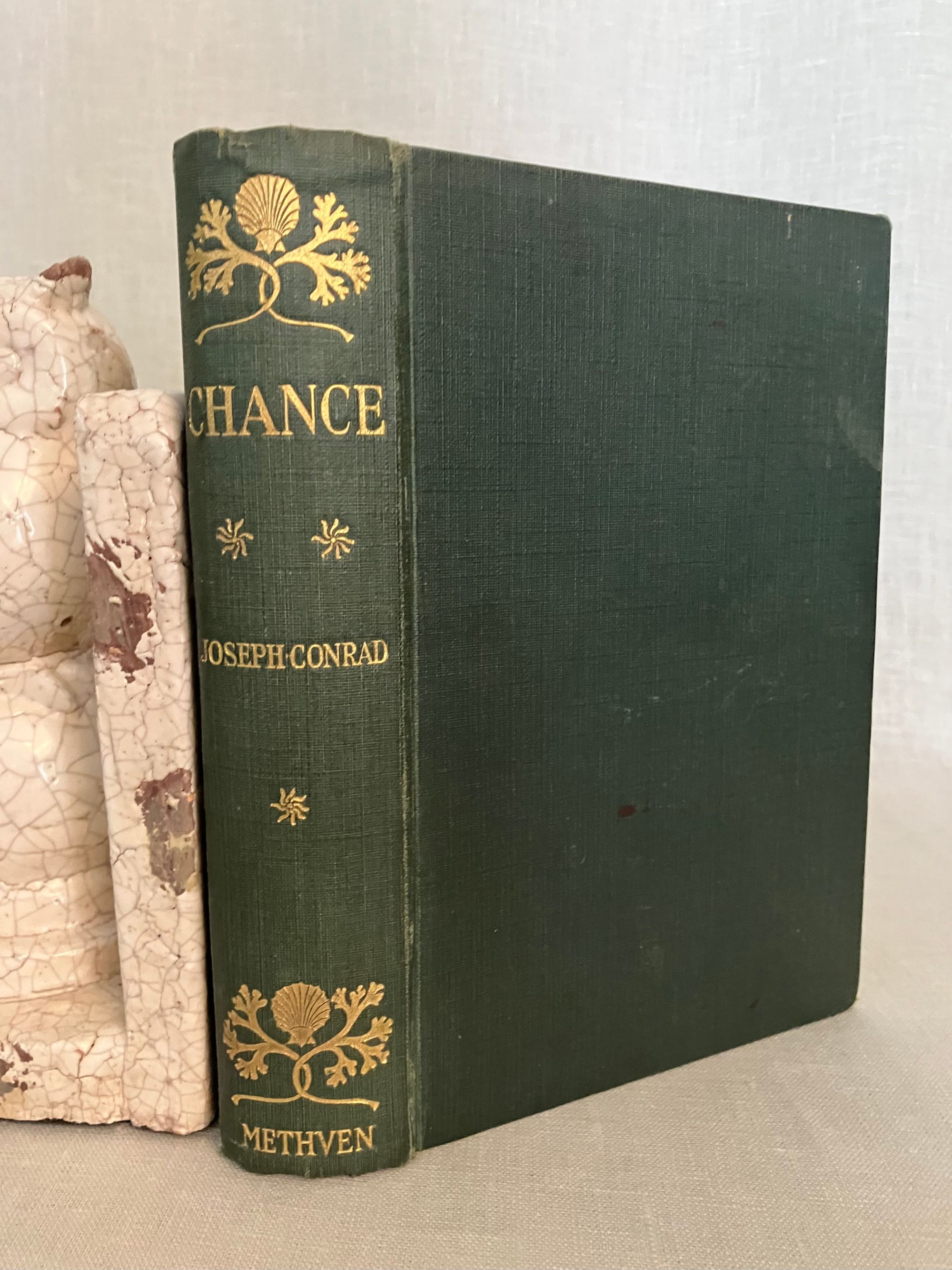
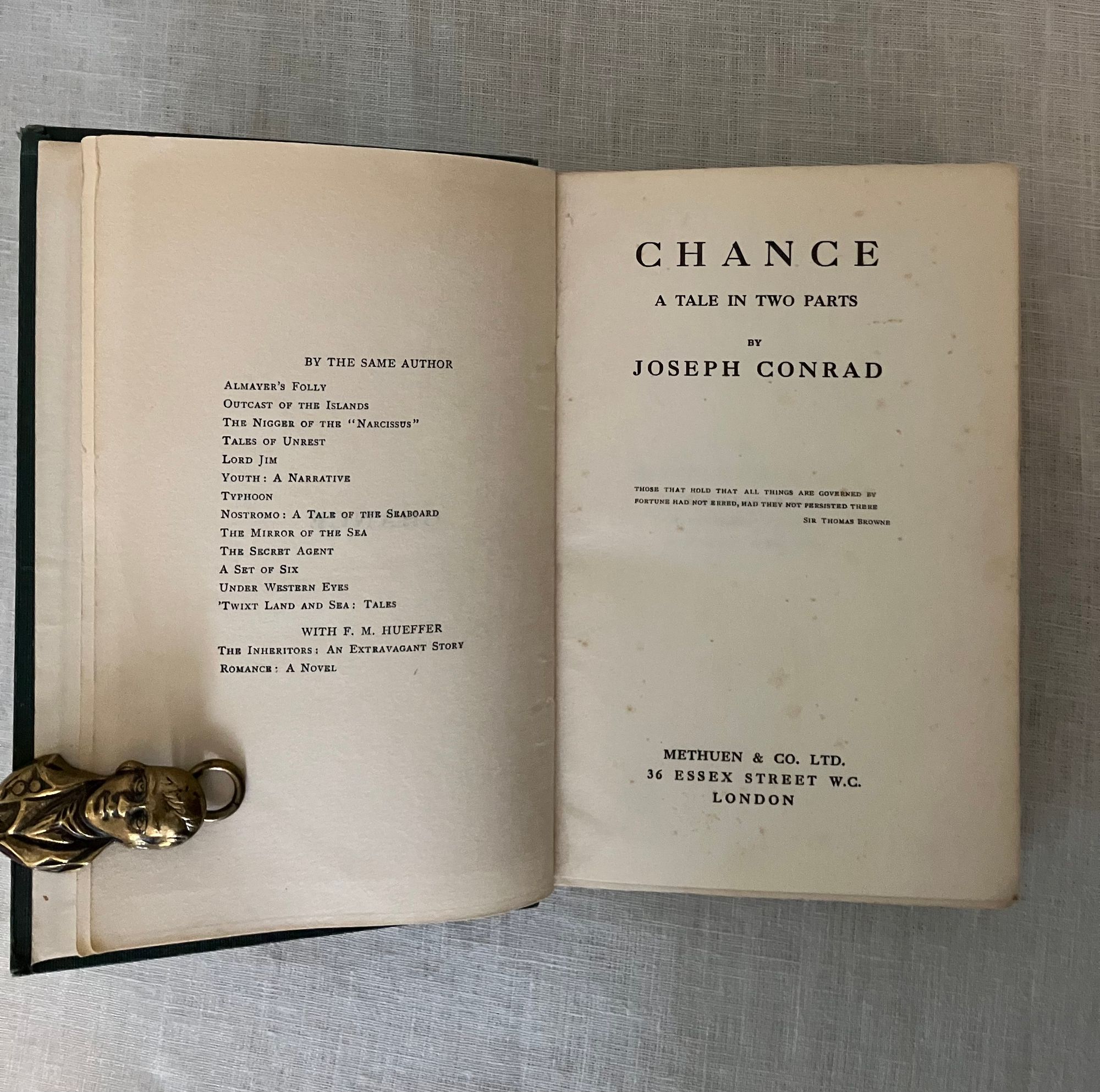
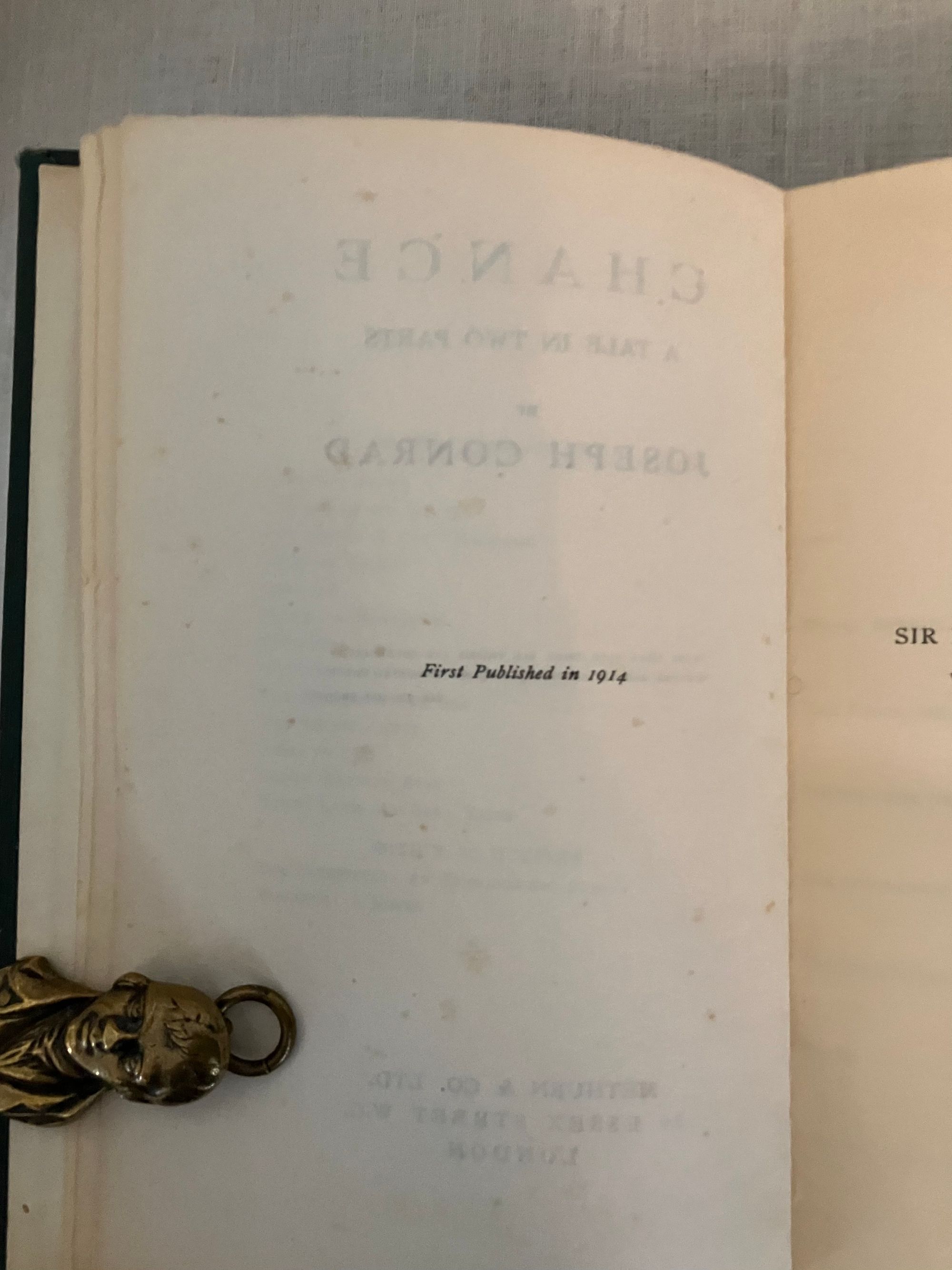
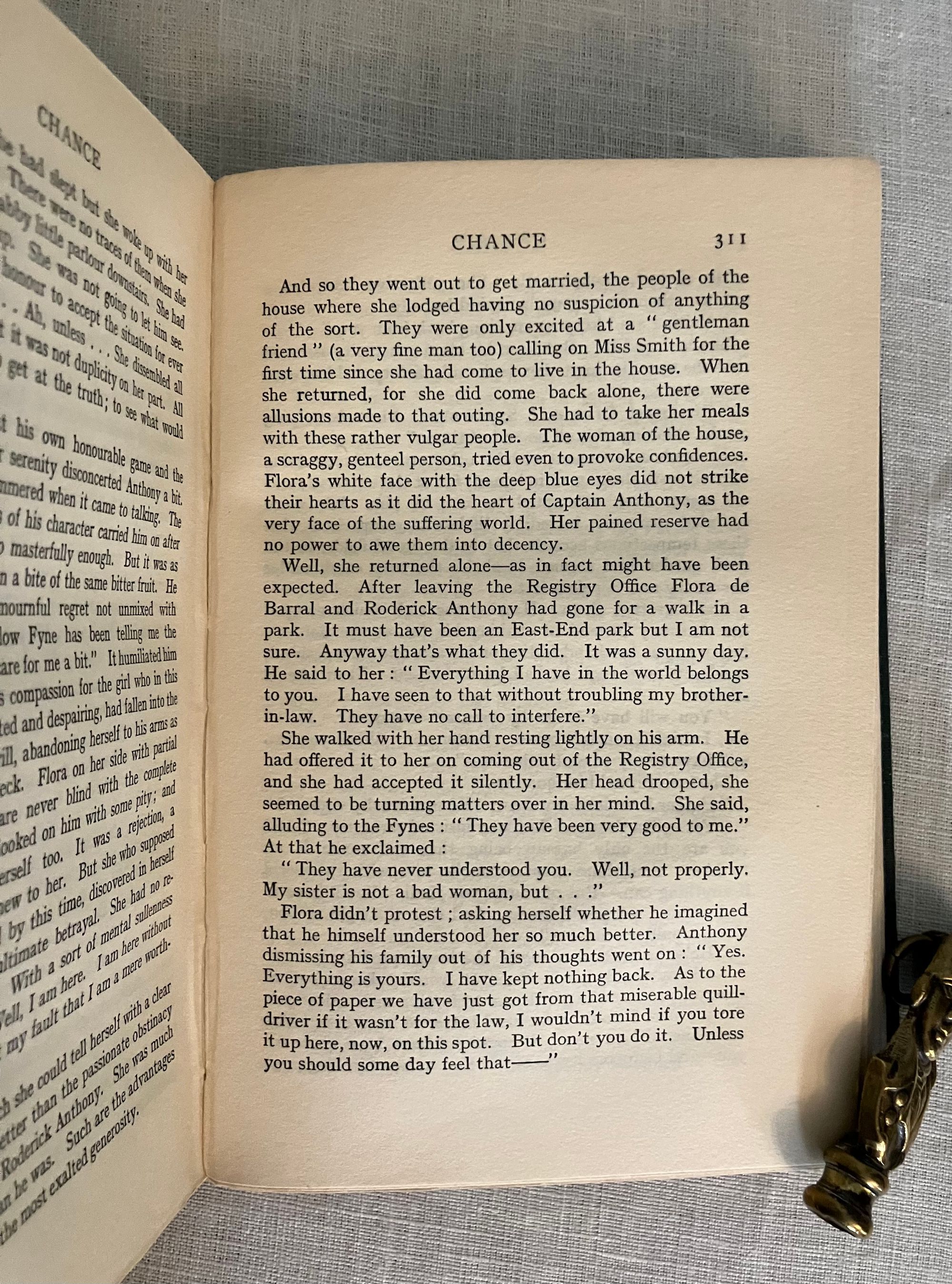
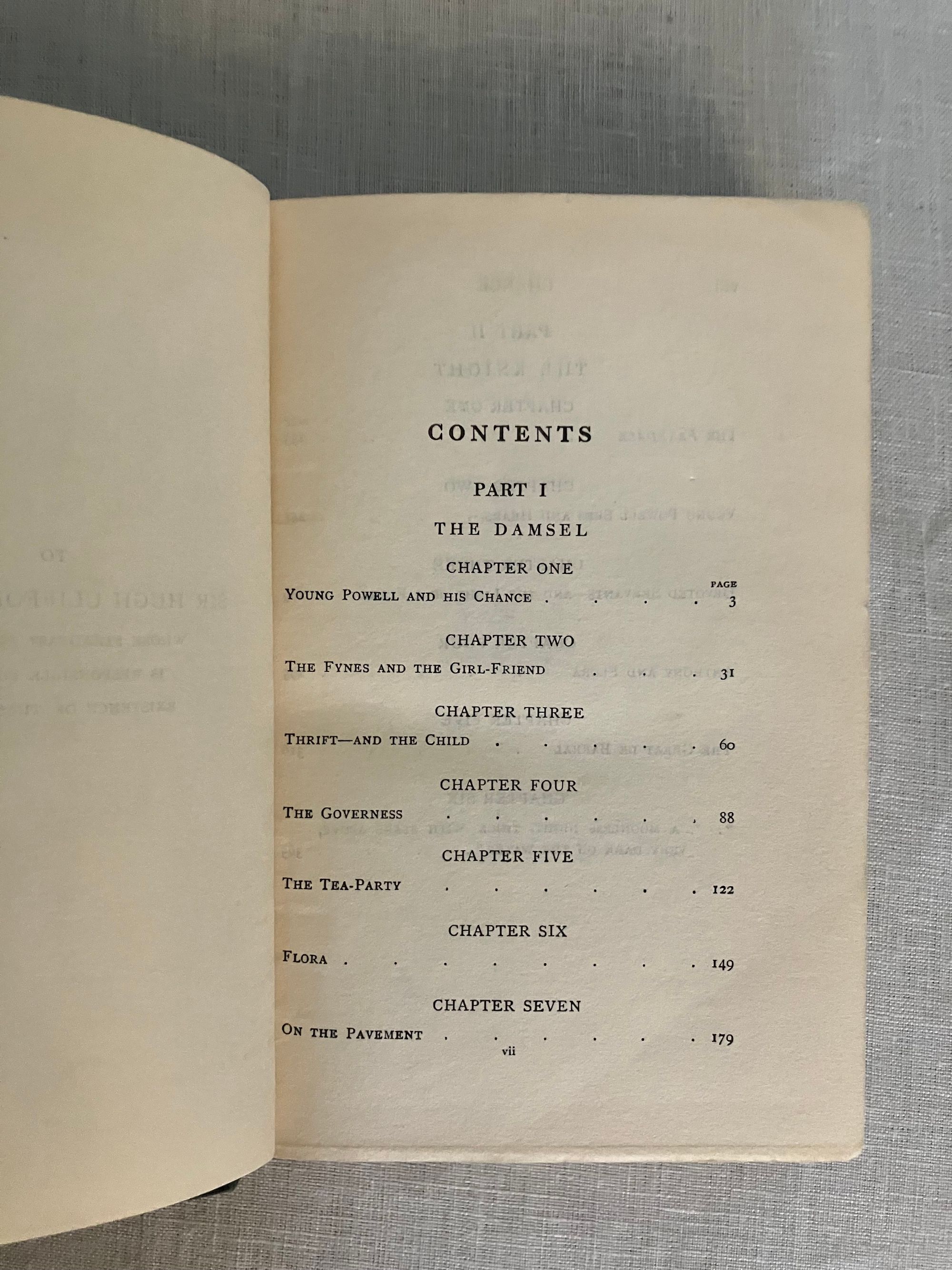
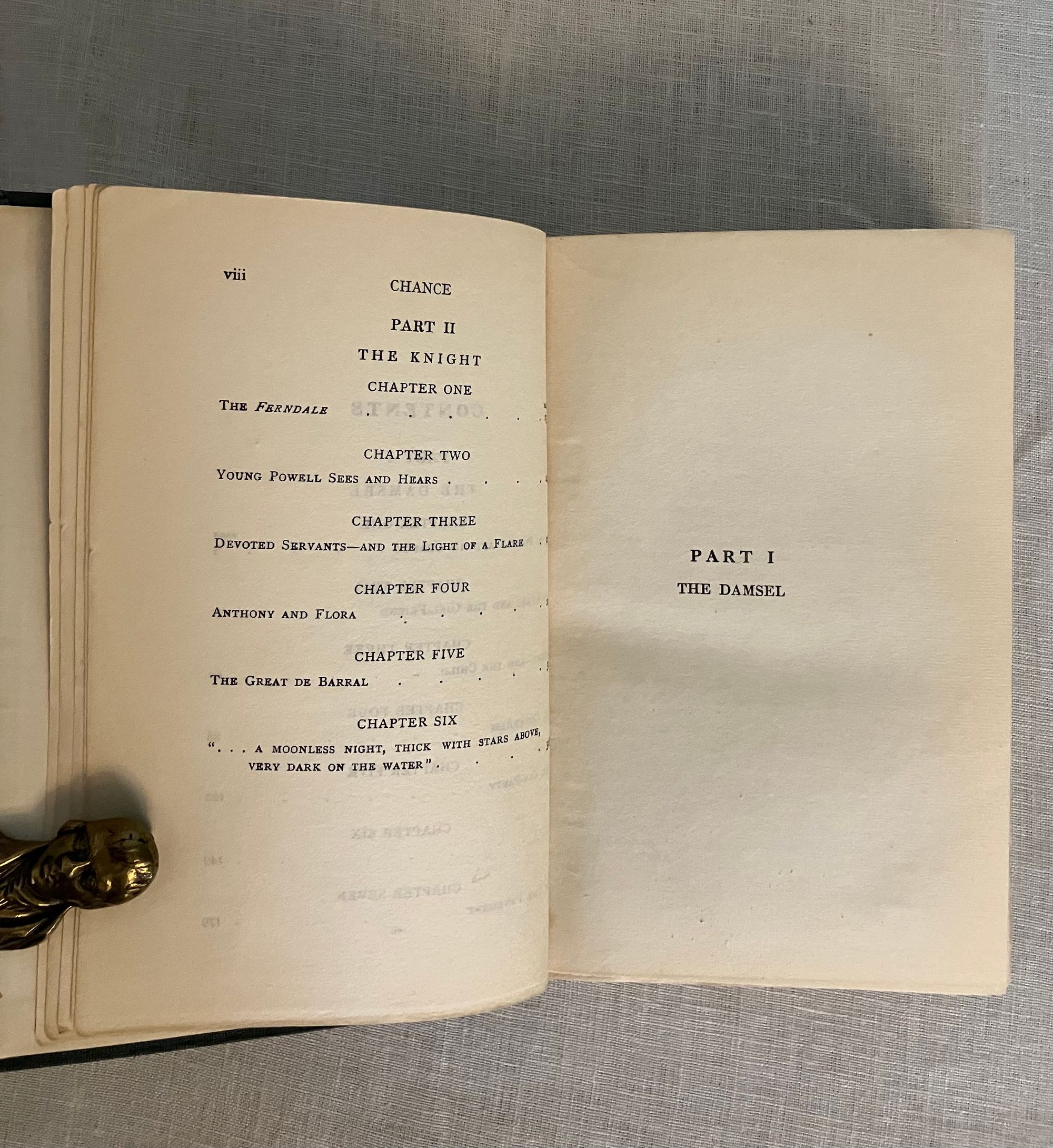


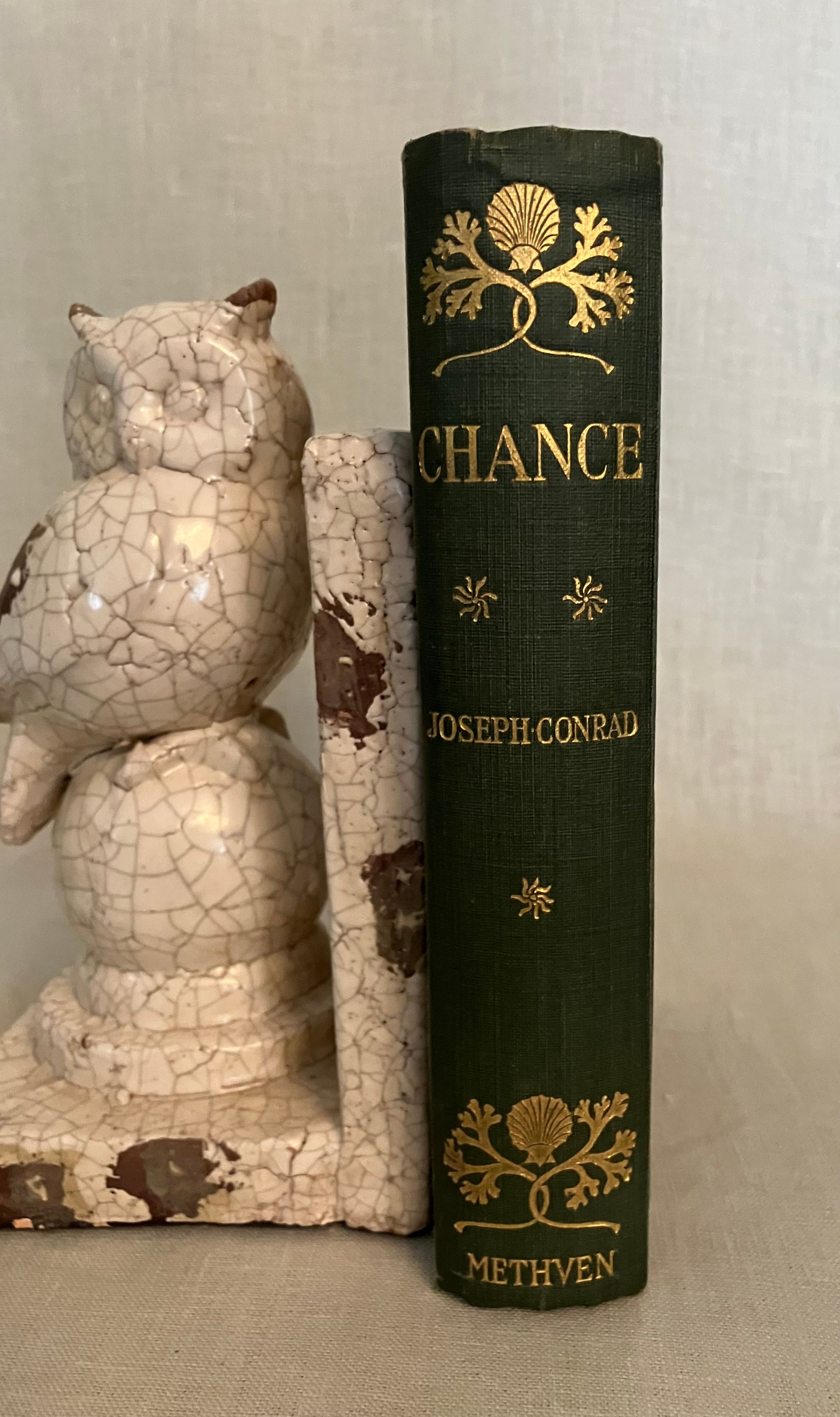
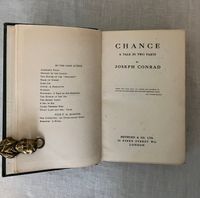
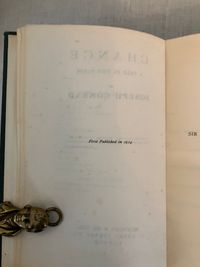
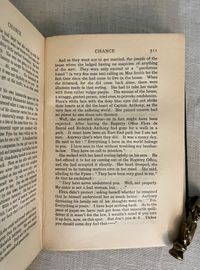
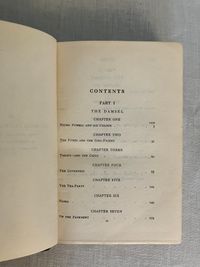
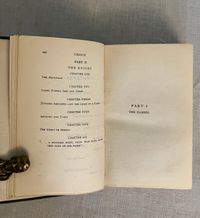
First English Edition, presumably an "early impression." Hard cover, 12mo, in the original green cloth covered boards, with titles blocked to the spine in gilt, along with vignette gilt images of seaweed and shells, top edge trimmed. Supino identifies this as the first English edition, although which impression is not immediately clear: Facing title page is "By the Same Author" list with a closing quotation mark on "Narcissus." The cancel title page has, verso, "First Published in 1914. " "Printed by Morrison & Gibb, Limited, Edinburgh" (see Supino p. 223) appears at p.[408], facing the 8-page Methuen's Popular Novels Catalogue dated Autumn 1913, and followed again by an additional publisher's catalogue dated July 1913, in 31 numbered pages, also printed by Morrison & Gibb, Edinburgh. Keating [105] mentions the super-rare 1913 copyright edition of around 50 copies; but says, of this trade edition: " This is the earliest form of the book [except the 1913 as above] ...In all subsequent issues the title leaf is part of the first signature." (Keating p.228) Prior serialization was in "The New York Herald" magazine in 24 installments Jan. 21-June 30, 1912 with the title Chance, An Episodic Tale. with Comments." CONDITION: Very Good. Some soiling at fore and center of edge of front boards, very light wear to tips, the front hinge with quarter inch crack, rear hinge in order. Cancel title page is lightly foxed. Ghost of tape to ffep. Lightly age-toned and other wise clean and square.**Written hastily (for Conrad) in nine months soon before the outbreak of World War I, "Chance refers back to experiences of the Author at the very beginning of his merchant navy career in the early 1880's. It is considered one of his two land-based romances, along with the novel, "The Arrow of Gold" (1919), and marked the beginning of Conrad's upward trajectory with the novel-reading public. "Chance" represents an interesting change of emphasis from the author's predominantly maritime novels, being set on land, although sea captains, sailing ships, yachting and tales of the far seas are, of course, involved in the plot. Most of the action, however, takes place onshore; at the London docks, in the shipping offices, counting houses and countryside of the Essex marshes, or in London, Germany and other terrestrial territories. Conrad creates a psychologically complex female main character, Miss Flora de Barral, the daughter of a disgraced, imprisoned financier and hapless con-man. She undergoes a series of tragedies due to the ruin of the family reputation, only revealed in the author's modern, almost circular narrative, made confusing by the somewhat salty sympathies (or lack thereof) of Conrad's oft-reused character of Capt. Marlow, (ret.) A more modern and sympathetic foil appears in the character of freshly-minted second mate, Charles Powell, who will take an important role in the second half of the book. Taken financial advantage of by a scheming governess and her unsavory male companion, Flora flees to her only friend, Mrs. Fyne and her husband, who are very happy to help the desperate young woman until she apparently elopes upon the "Ferndale" with Mrs. F.'s brother, Captain Armstrong, putting the family's good name at risk, in a hugely hypocritical reversal. **Supino A.17, and Plate 14. Keating 105 (edition only).
Ref: CONRD 9203
$475.00 $403.75