 |
 |
 |
 |
 |
 |
 |
 |
 |
 |
 |
 |
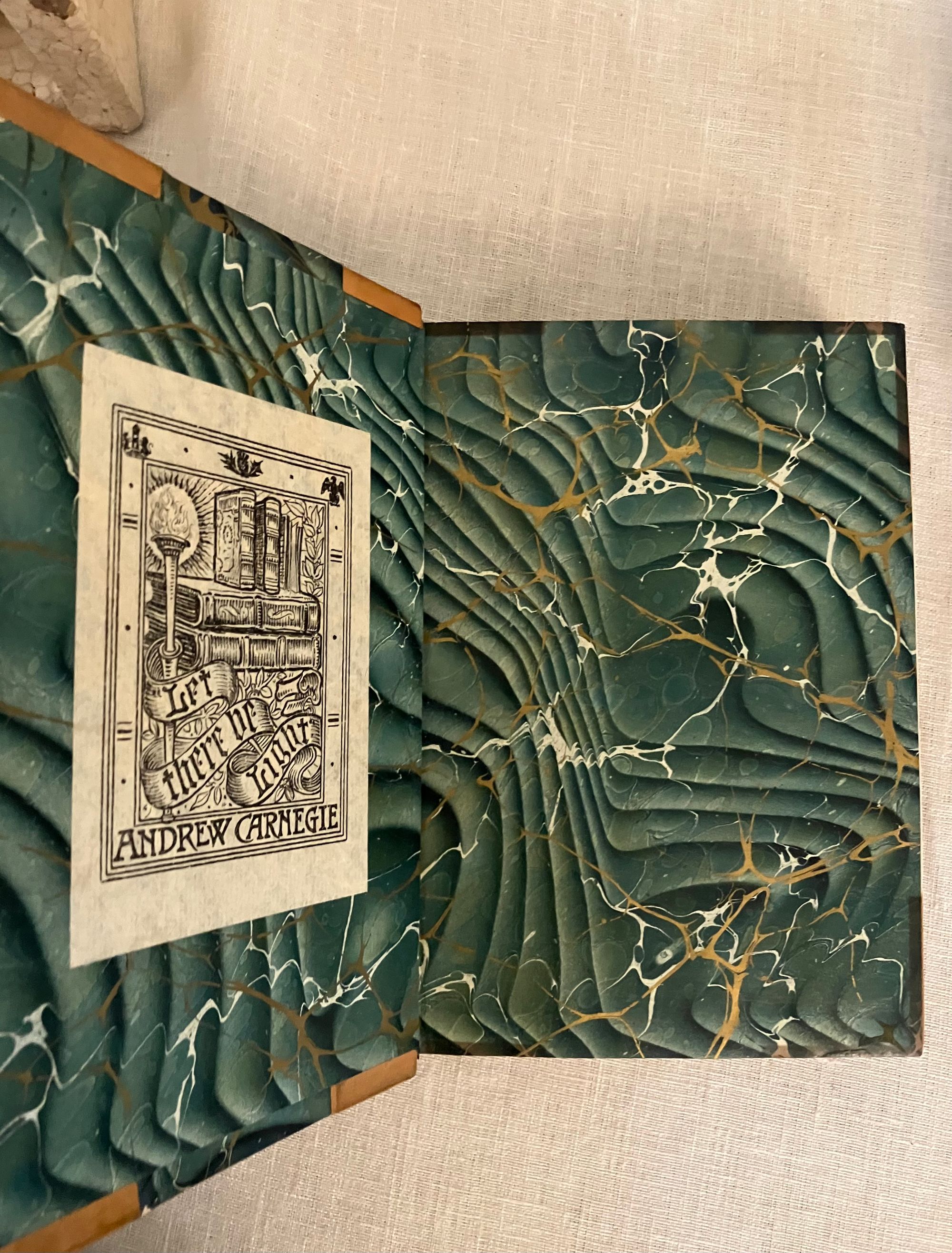
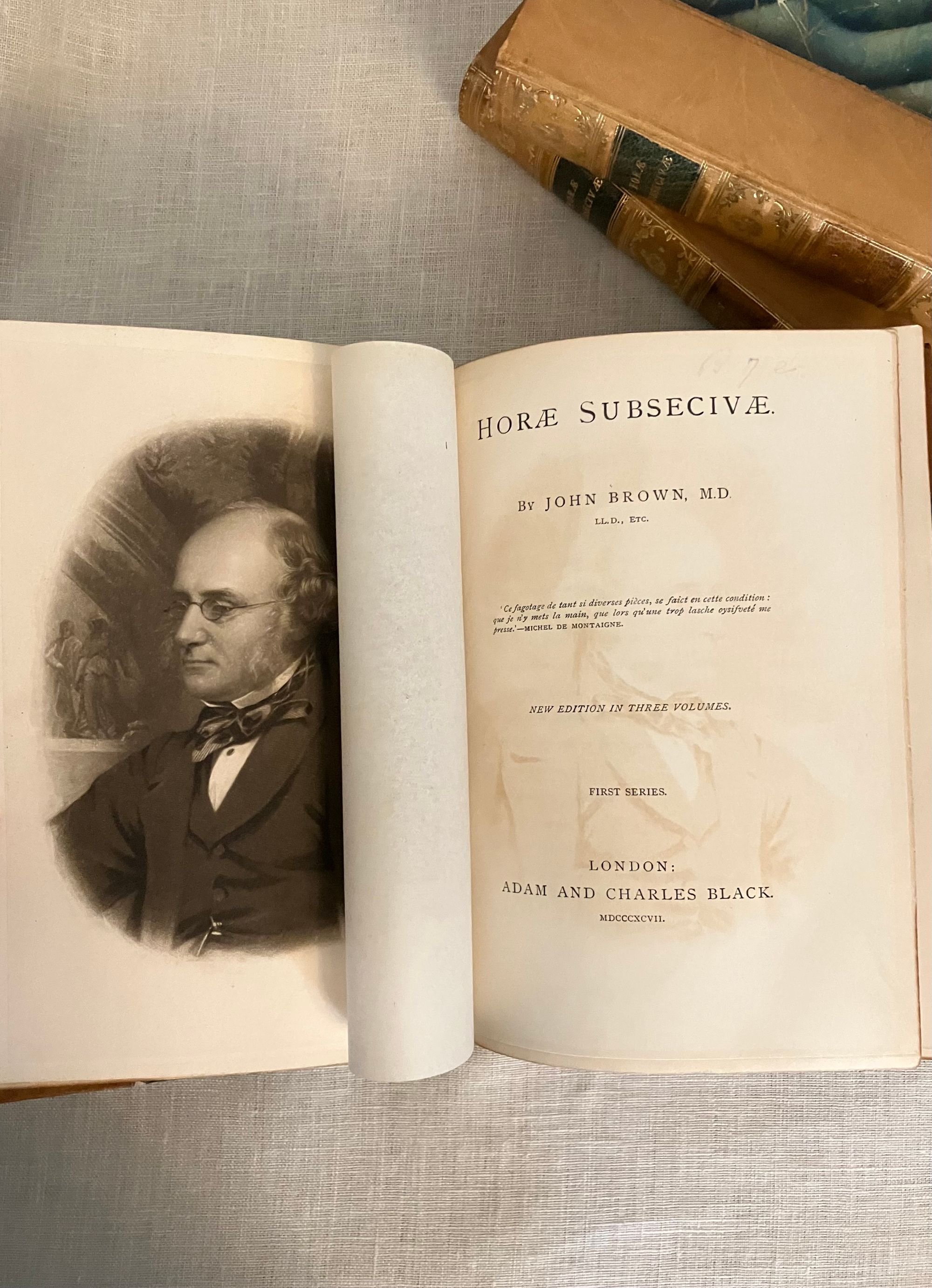
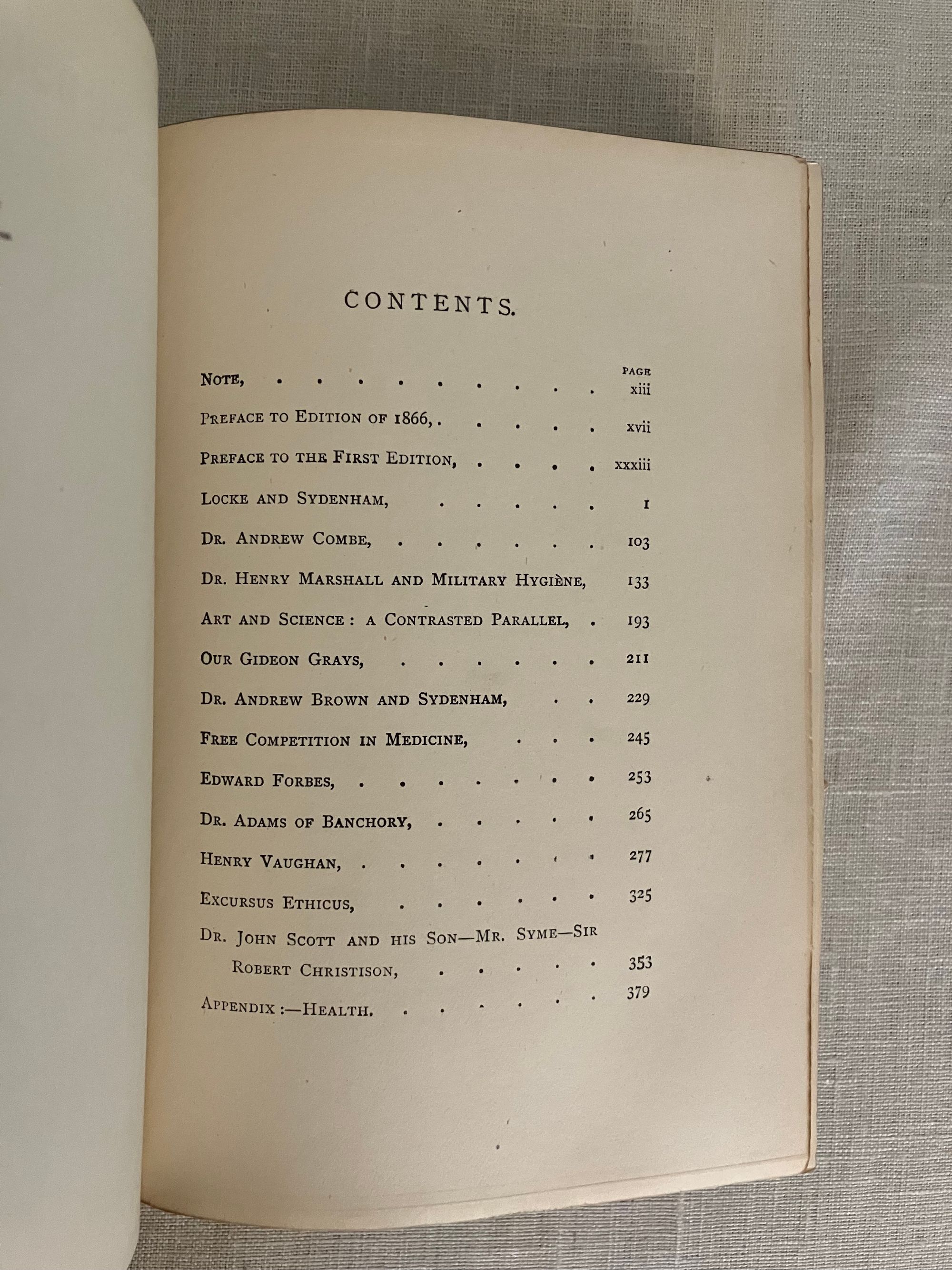
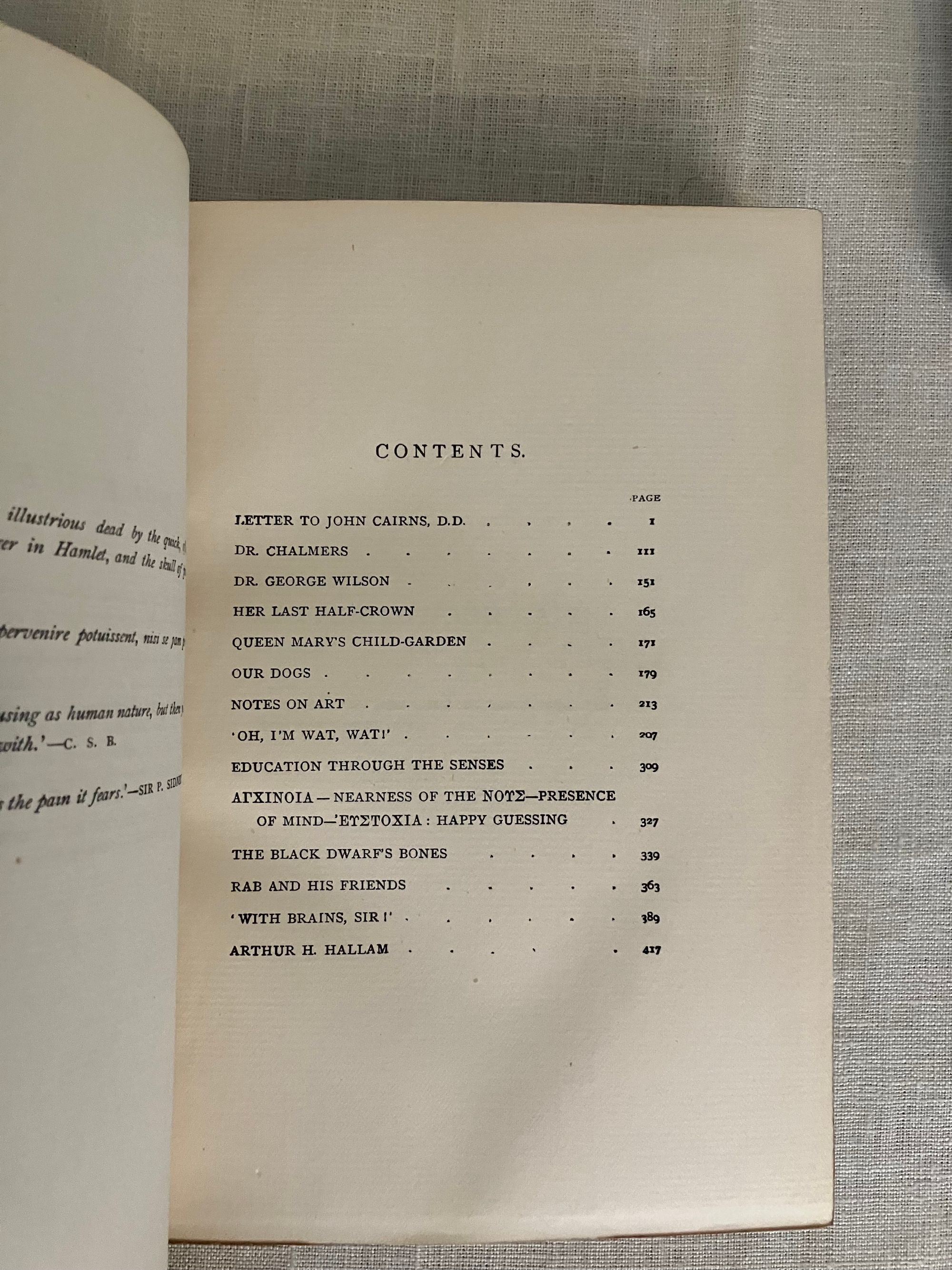
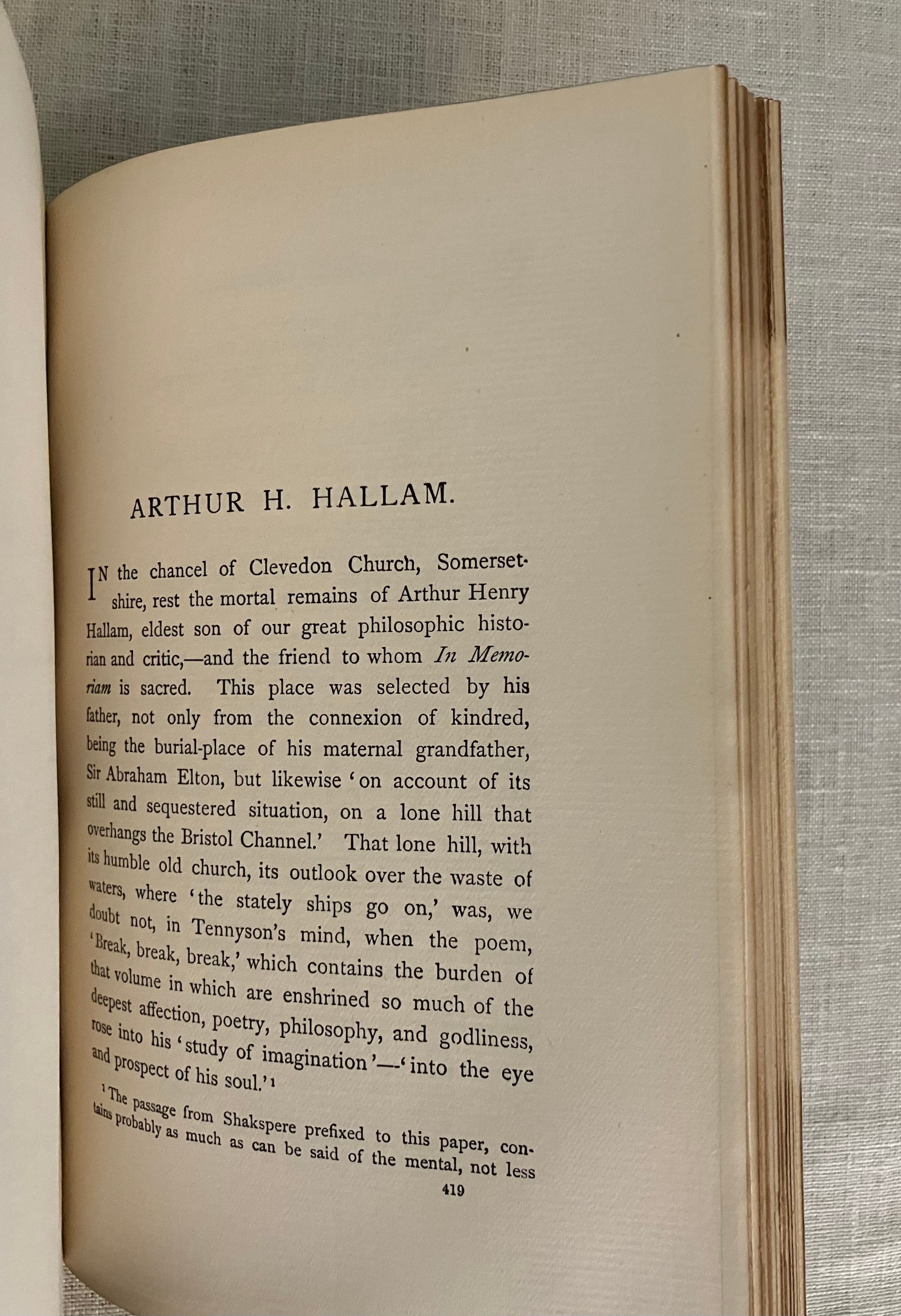
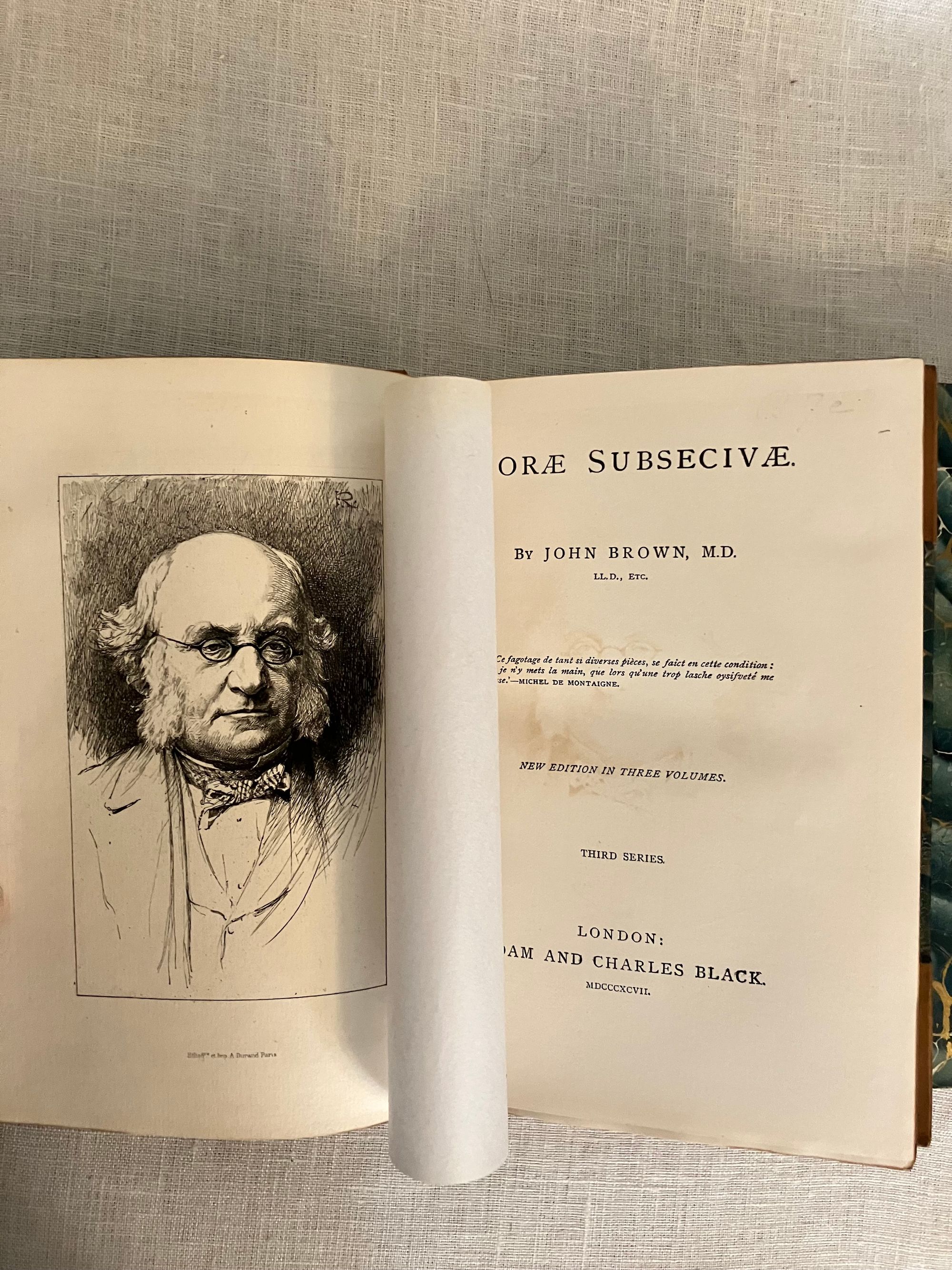
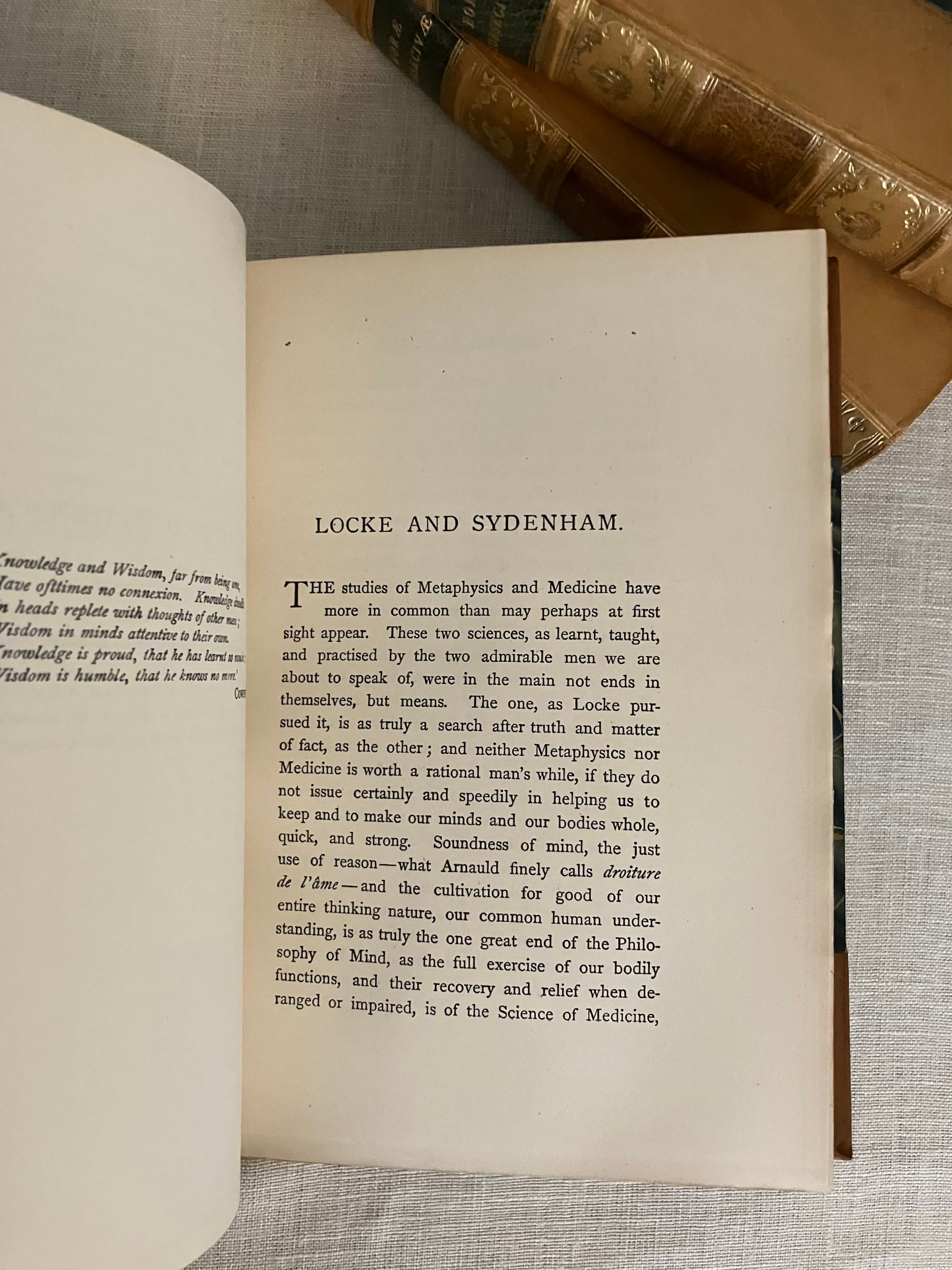
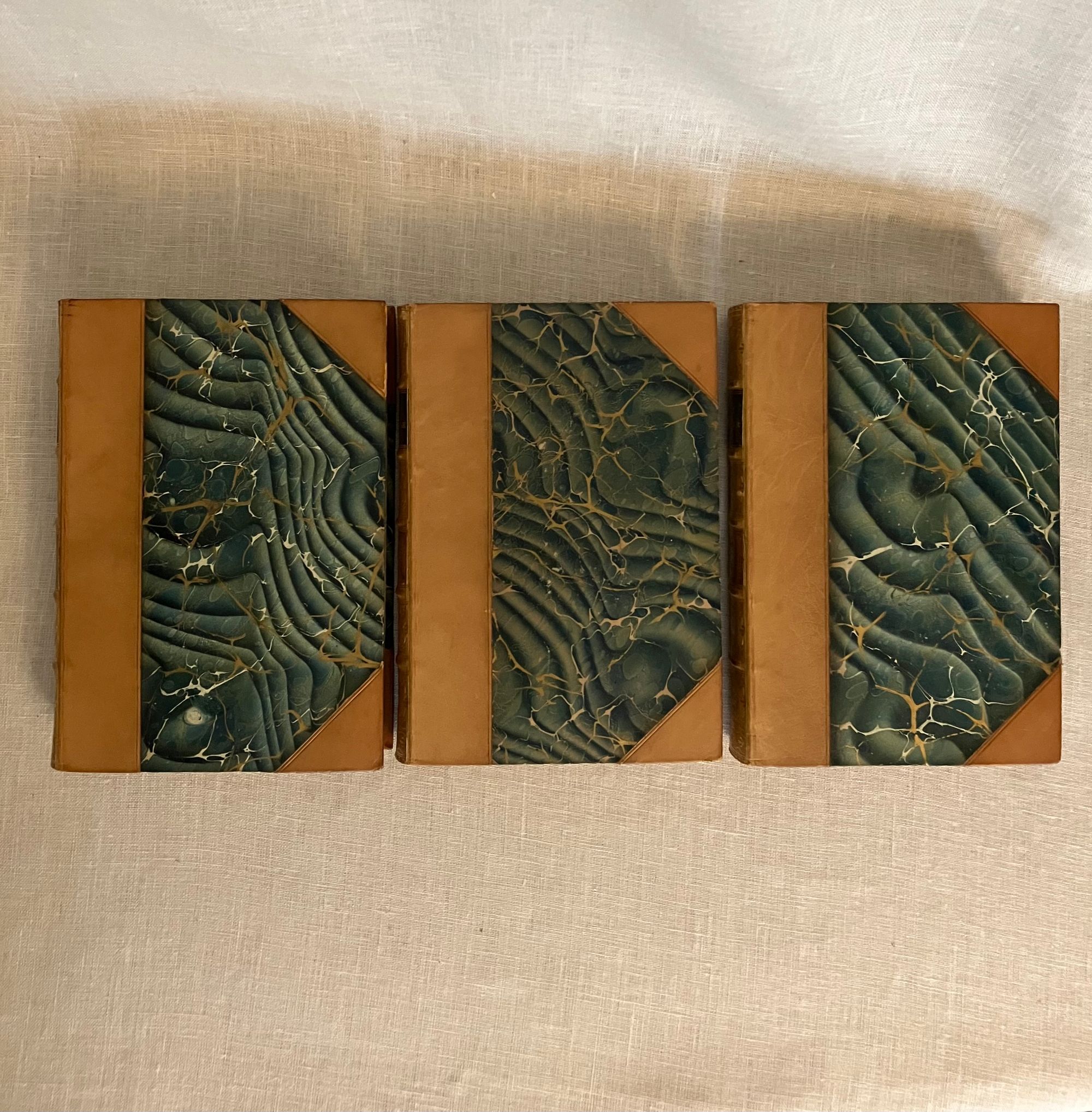
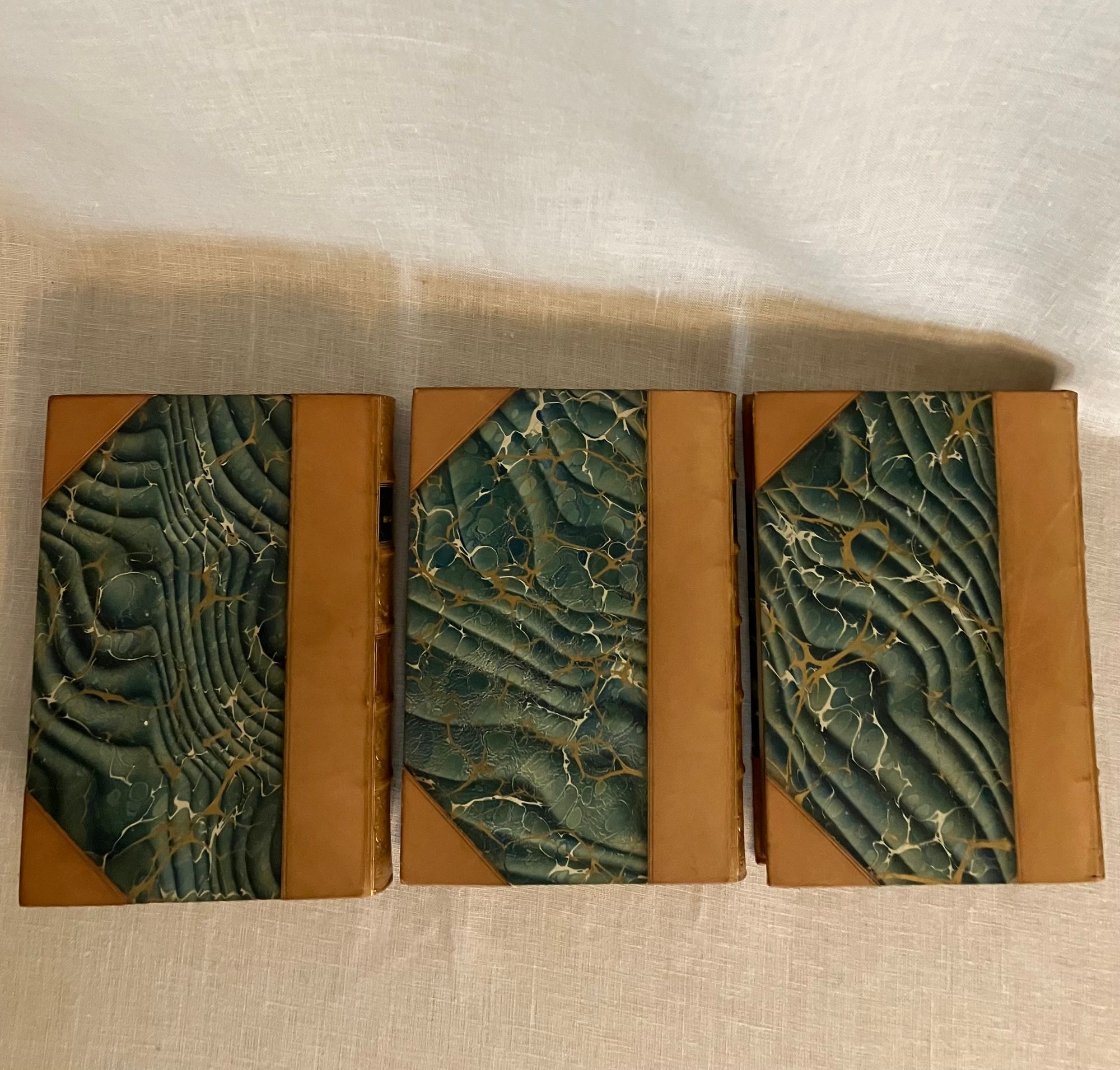


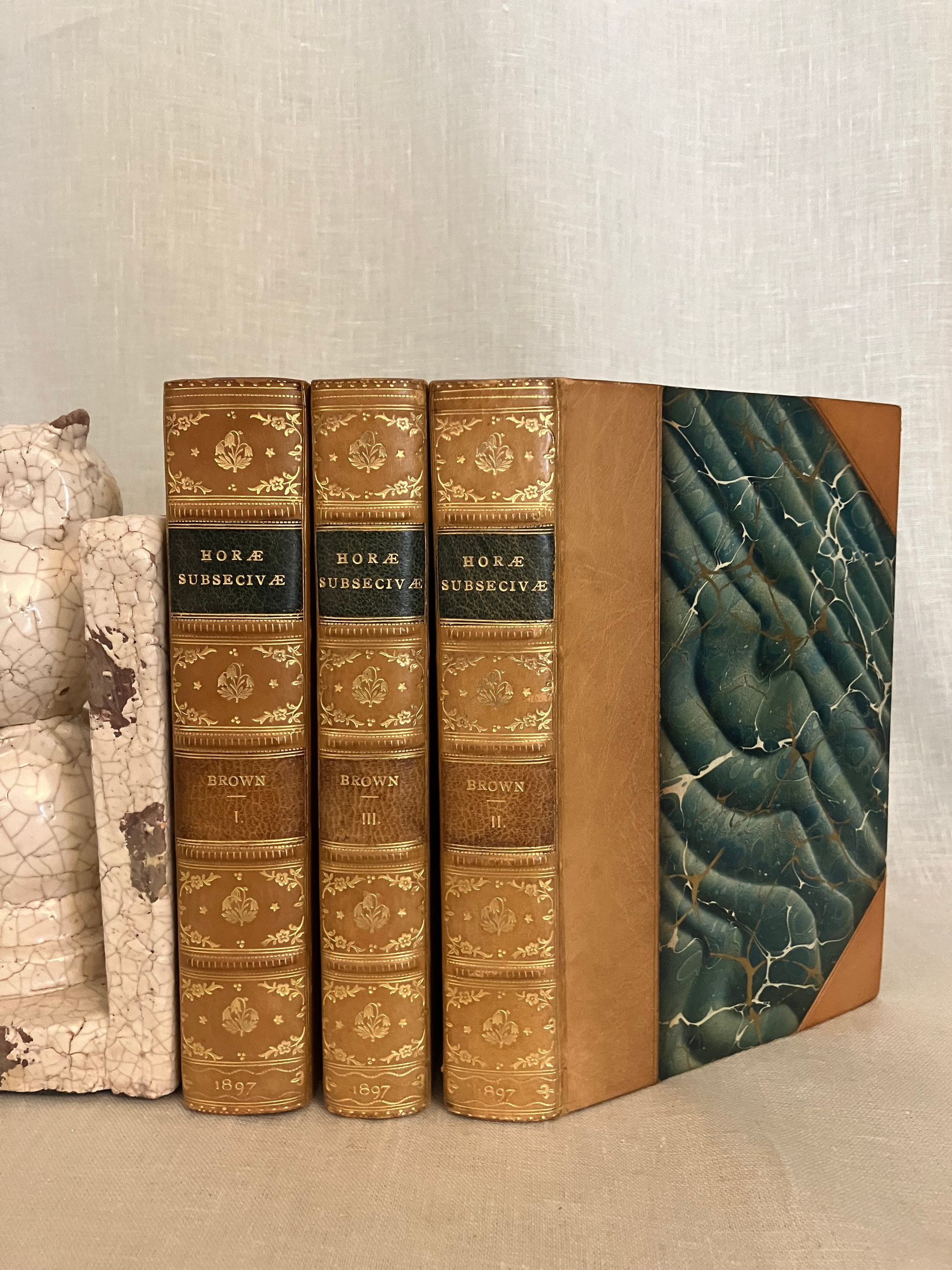
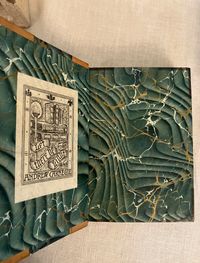
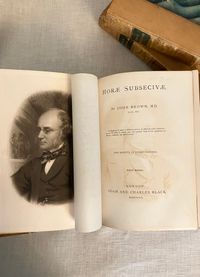
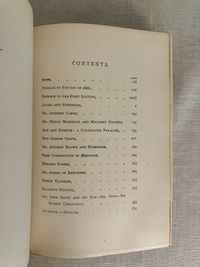
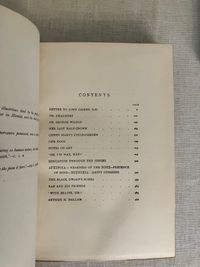
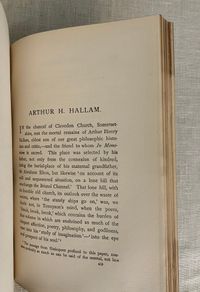
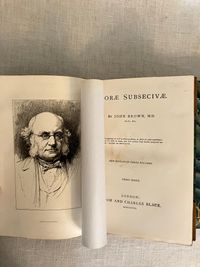
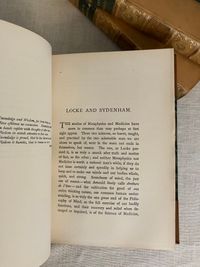
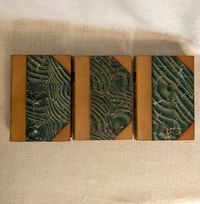
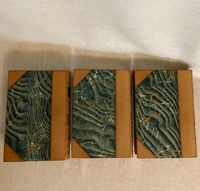
First Edition Thus, complete in three volumes. Hard cover, 12mo (5 x 7 1/4 inches,) in a contemporary fine binding by Henderson & Bisset, of three-quarter polished calf over marbled blue and gold veined boards, the spine gilt with five raised bands, with onlaid morocco title labels of green and brown. The decoration tooled in the remaining spine compartments consist of Fritillaria, flanked by small stars, and with additional, naturalistic floral sprays to the corners. Additional gilt banding on the spine includes shilling marks rolled along the bands. Top edge gilt. Each volume contains the engraved bookplate of Andrew Carnegie (1835-1919) to the front paste down. Ink stamped signature of Edinburgh bookbinders Henderson & Bisset to prelims. Complete with half titles and title pages; only Vols. I and III have frontispiece illustrations, one lacking a tissue guard. Vol. I (Series One): [4],[ii-xvi], xvii-lxxii, 468 pp. Vol. II: (Series Two).[6],[x],486 pp. [4]. Vol.III: (Series Three) [4], [i- viii], [3],4-465, [5] pp.**CONDITION: Fine. Some very minor shelf wear to bottom and fore edges. Marbled boards and endpapers remain bright. Minor offsetting to endpapers from polished turn ins, and to bookplates from blue endpapers. Offset to frontispiece portrait Vol. 1, despite tissue guard present. Mild age toning consistent with age, with no signs of foxing. Many pages unopened. A few light pencil booksellers notations.**Carnegie, born in Dunfermline, Fife on Scotland's north coast of the Firth of Forth, emigrated with his family to Pennsylvania in1848 and became one of the leading industrialists of The Gilded Age. Steel, iron, railroads, autos all enriched the man who nevertheless did not forget his humble roots as the son of an impoverished weaver. Carnegie famously gave away most of his wealth, endowing numerous libraries and other arts and civic institutions around the world.**Scottish Author John Brown, MD, FRSE, FRCPE, (1810-1882) is described by one contemporary biographer as "a popular writer and beloved physician," who never went to work without "a volume of Southey, Coleridge, Scott, Wordsworth or other distinguished author under his arm." (A. Peddie, p. 20). Descended from a large fraternity of Presbyterian minsters, the Edinburgh writer was an extremely popular and empathetic general practitioner from the 1820's, days when cholera, typhus and childhood mortality did their worst, and when surgery was done without chloroform or anesthetic. Having been apprenticed to the surgeon Dr. James Syme in the 1820's, he had opinions on medical and surgical matters, many of which he discusses in "Horae Subsecivae." However, he also had much to say about dogs and authors and philosophy. This collection of his essays contains all the best works he is perhaps known for, including "Rab and His Friends," (dogs again) "Minchmoor" and various sketches of contemporary writers, including his personal friend Thackeray and Tennyson's great friend, Arthur Hallam. **Bookbinders James Henderson & William Bisset worked in Edinburgh in the nineteenth century. "The National Library of Scotland has 'A specimen book of binders' tools, prepared for use in the firm of Henderson & Bisset of Edinburgh, about 1860.' Bookbinders to the Queen from 1839 to 1892." (British Museum.) Nat. Library of Scotland 106477244. OCLC 605989790. C. Ramsden (1987) p. 201 on bookbinders. Alexander Peddie, MD, "Recollections of John Brown," Oliphant, Anderson & Ferrier, Edinburgh and London, 1894.PROVENANCE: Ex- Libris Andrew Carnegie, with his bookplates. (4.1 lbs.)
Ref: FINE 9125
$850.00